
Hump Pannier Bags
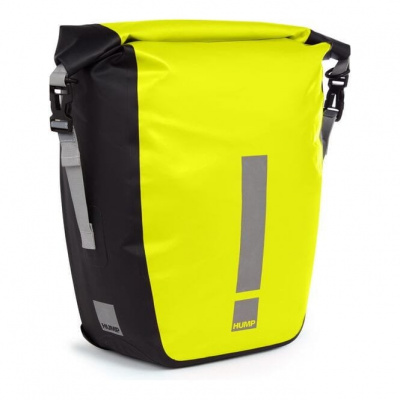
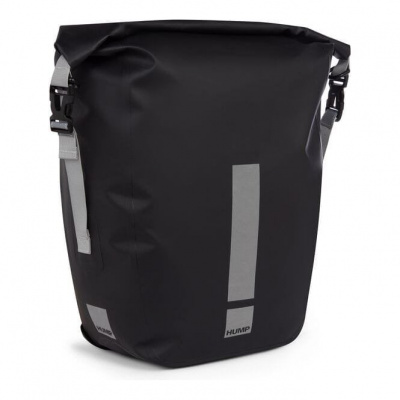
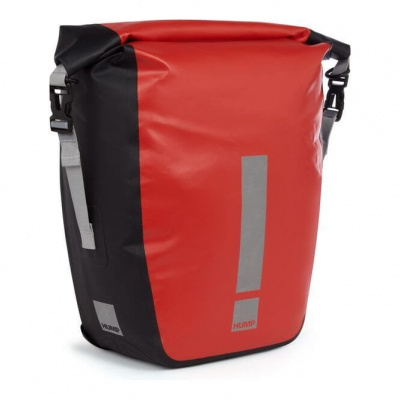
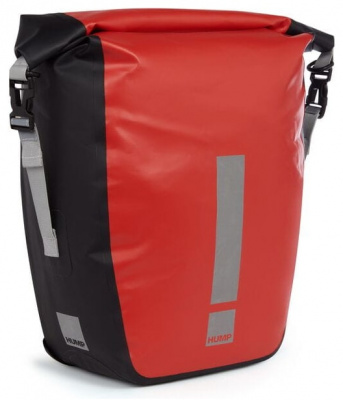
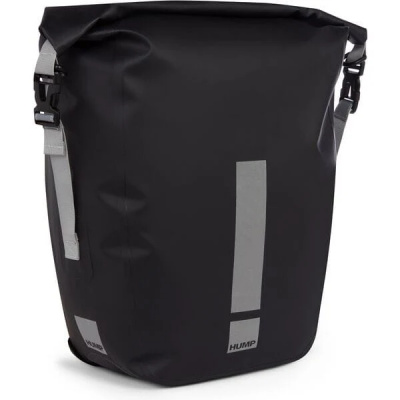
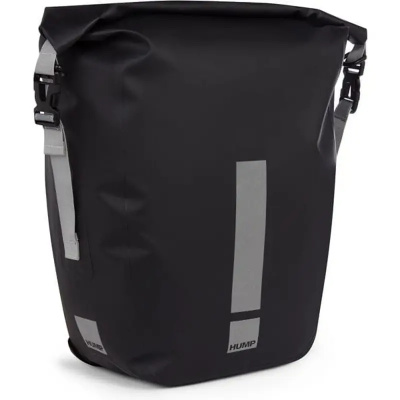
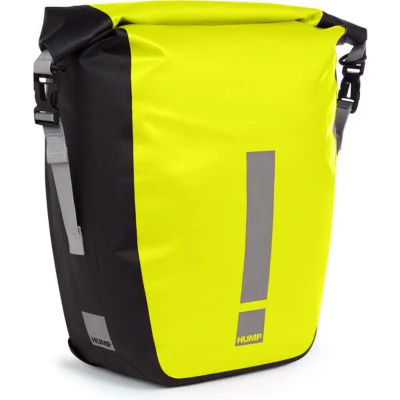
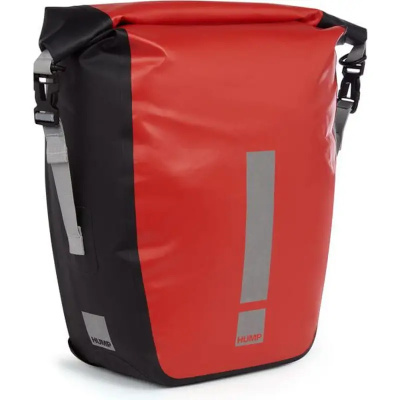
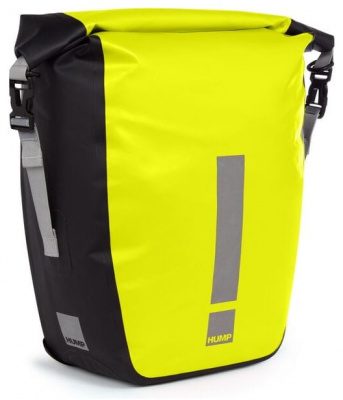
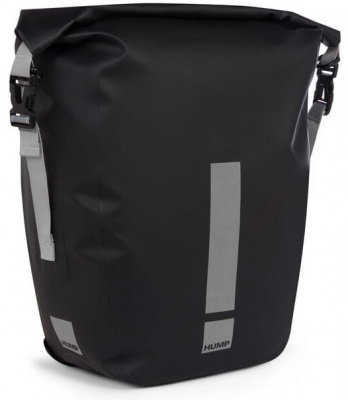
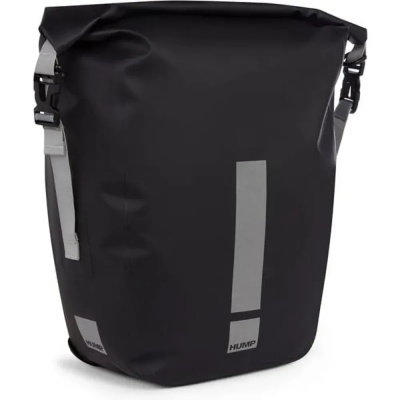
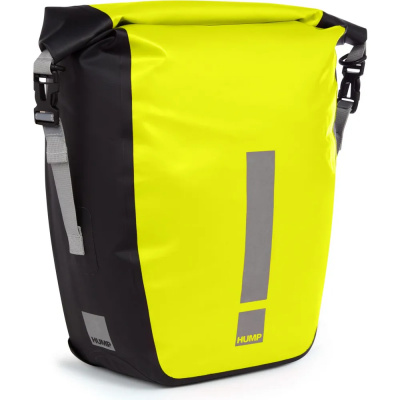
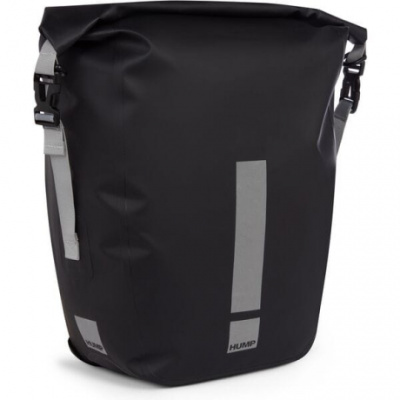
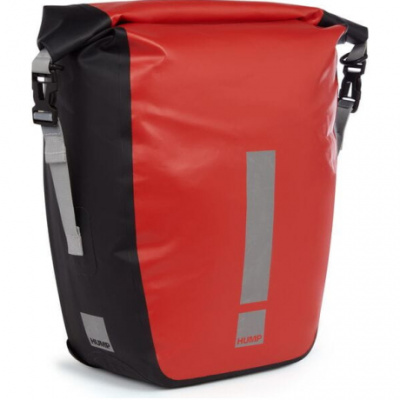
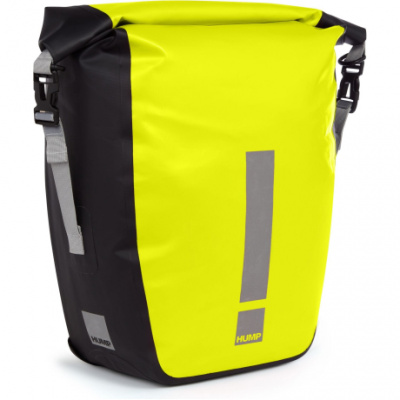
Hump pannier bags are built around a simple premise: your commute doesn't stop because the weather turns foul, so your luggage shouldn't either. Designed with UK riding conditions front of mind, Hump combines fluorescent base materials with oversized reflective chevrons that genuinely catch headlights on dark November mornings - not just catch the eye in product photos.
Construction centres on fully welded tarpaulin and PVC shells with roll-top closures. No exposed zips, no sneaky seams letting in road spray. Your laptop, your change of clothes, your lunch - all of it stays dry through a proper British downpour. Mounting is handled by a universal adjustable hook system that spans the most common rack tube gauges, so fitting is straightforward whether you're running an older rack or a modern commuter setup.
Hump isn't chasing the touring crowd or the weekend gravel packer. This is luggage made for the rider who's out before sunrise in January, filtering through traffic on gritty, wet tarmac, and needs gear that does exactly what it promises. If you want something that handles the daily grind without fuss, you're in the right place. Compare prices across the Hump pannier range below.
Prices and availability can change quickly. Delivery charges are not always included in listed prices.
Final price, stock status and delivery terms are set by retailer. We may receive a commission on purchases made.
Compatibility and Mounting: Getting the Fit Right
Fitting Hump panniers is less complicated than it looks, but a few minutes getting it right makes a real difference on the road. The universal adjustable hook system is designed to clamp onto rear rack tubing anywhere between roughly 8mm and 16mm in diameter, which covers the vast majority of standard commuter and touring racks you'll find on UK bikes. If you're unsure of your rack's tube gauge, a quick measure with a set of calipers sorts it.
The top hooks do the primary work of holding the bag on the rack, but the lower sway hook is where most riders go wrong. That lower hook needs to be snugged firmly against the rack leg - not just loosely touching it. Get it wrong and the bag swings inward under load, which risks contact with your rear spokes. That's a bad day. Spend thirty seconds adjusting it properly and the bag sits rock-solid.
Heel clearance is worth checking before your first commute too. Position the bag as far rearward on the rack as the mounting system allows. Most riders with a standard Q-factor and a 175mm crank will clear without issue, but taller riders or those running wider shoes should double-check before committing to a fully loaded bag. A quick test pedal in the car park tells you everything you need to know.
If your rack is on the older or more budget end of the spectrum, it's worth inspecting the mounting rails for any flex before loading up. Hump's hooks are solid; a flexy rack is the weak link, not the pannier. For riders comparing options across brands, Ortlieb panniers use a similarly robust hook system with a slightly different release mechanism, and Altura panniers offer an alternative for those wanting more colour choices at a similar price point.
Picking the Right Bag from the Hump Range
Hump keeps the pannier range focused rather than sprawling, which makes choosing straightforward. For most commuters - think a laptop, gym kit, and a packed lunch - a bag in the 15 to 20-litre bracket covers the working week comfortably. That capacity hits the practical middle ground: enough room for a day's worth of kit without the bag ballooning out past your heel line.
Roll-top closures are the defining feature across the core range. You fold the top down two or three times, clip the buckle, and the bag is sealed. It's a slower process than unclipping a zip, but it's the only closure that genuinely keeps water out under sustained rain and road spray. There are no zips to corrode, no sliders to jam with winter grit. For a daily commuter on UK roads, that trade-off is worth it every time.
If you're carrying more - say, overpacking for a longer trip or running a single pannier for asymmetric touring - some riders pair a standard commuter pannier with a second bag on the opposite side for balance. Worth factoring in if you're regularly shifting more than 10kg of kit. Not everyone wants that weight on the bike, though. If you'd rather keep load off the rack entirely, Hump rucksacks are worth a look - same brand DNA, designed for riders who prefer weight on their back.
For those comparing across the category, Oxford panniers are a reasonable alternative at the budget end, though the high-visibility specification on Hump's range is noticeably more considered for low-light commuting.
Keeping Your Panniers Going Through a UK Winter
The fully welded tarpaulin construction means there are no stitched seams for road salt to work into and degrade over time. That's a genuine advantage over canvas or coated nylon bags where the needle holes in the seam tape eventually become ingress points after a season of wet riding. Hump's welded shells sidestep that problem entirely.
Even so, the quick-release hooks and adjustment hardware need attention through winter. Road salt is corrosive and it gets everywhere. A quick rinse of the hook mechanism with clean water after rides in salted conditions - or at least once a week if you're commuting daily - stops the salt crystallising around the moving parts and eventually seizing them. It takes twenty seconds. Don't skip it.
Cleaning the high-visibility fluorescent fabric is straightforward: warm water, a small amount of washing-up liquid, and a soft sponge. Work gently over the reflective chevrons rather than scrubbing them, and rinse thoroughly. Avoid any solvent-based cleaners, degreasers, or anything abrasive - they strip the reflective coating and dull the fluorescent material, which rather defeats the point of buying a high-vis bag in the first place. Machine washing is out for the same reason.
For a fully weatherproofed commute, it's worth pairing your panniers with the rest of the Hump system. Hump jackets use the same high-visibility approach on your upper body, and Hump overtrousers close the gap below the waist. Running the full set means consistent reflective coverage from multiple angles - which matters more than most riders realise when you're filtering past stationary traffic in the dark.
Store the panniers unfolded and open when they're not in use. Keeping roll-tops permanently folded or buckled can create a crease line in the tarpaulin over time that, while not a structural failure, can make the closure slightly less supple. Small thing, but worth knowing.
Hump Pannier Bags FAQs
Are Hump pannier bags fully waterproof?
Yes. Hump panniers are built from welded tarpaulin or PVC with roll-top closures, so there are no exposed zips or stitched seams for water to find. In sustained UK rain and road spray, your kit stays dry. The roll-top needs to be folded down properly - two to three folds minimum - for the waterproofing to work as intended.
Will Hump panniers fit my existing bike rack?
Hump panniers use an adjustable universal hook system that fits rear rack tubing between approximately 8mm and 16mm in diameter, which covers most standard racks. Once the top hooks are set, adjust the lower sway hook to brace the bag firmly against the rack leg - this prevents the bag from swinging and keeps it clear of your spokes and heel.
How do I clean my high-vis Hump pannier?
Use warm water and a small amount of washing-up liquid with a soft sponge. Wipe the reflective chevrons gently rather than scrubbing, then rinse thoroughly. Avoid degreasers, solvent cleaners, or machine washing - all of these degrade the reflective coating and the fluorescent fabric, reducing visibility. A regular rinse of the metal hook hardware through winter also prevents salt corrosion seizing the mechanism.