
Hump Overtrousers
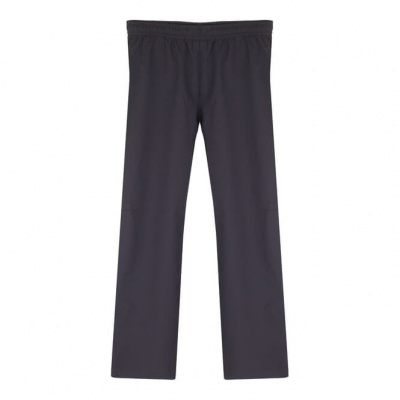
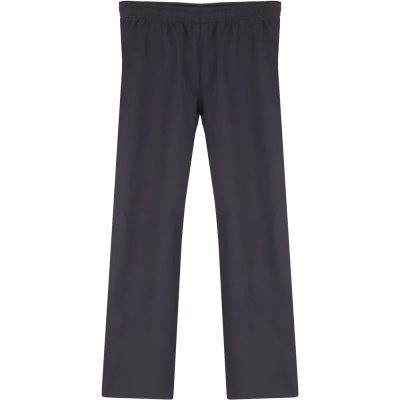
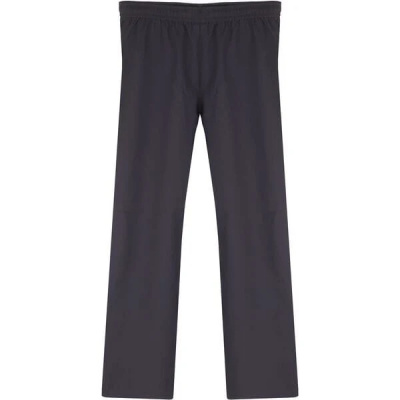
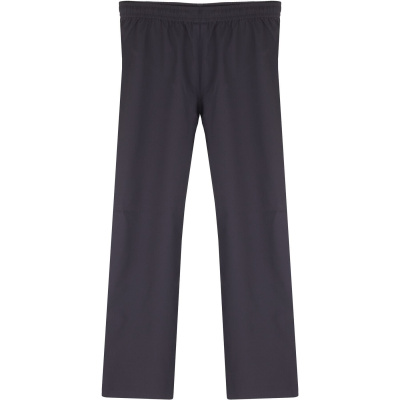
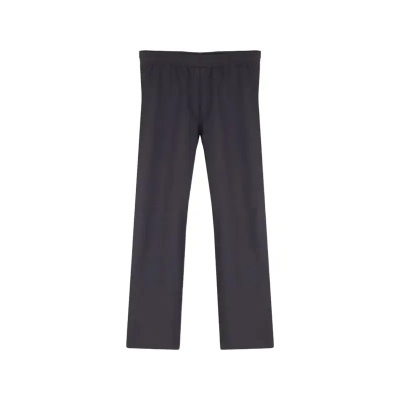
Hump Cycling Overtrousers exist to solve the twin headaches of wet weather commuting: getting soaked and getting unseen. Built around the brand's signature chevron reflective print, these are waterproof commuter trousers that prioritise visibility as much as weather protection. You'll find fully taped seams and a DWR coating across the range, designed to keep you dry through sustained downpours on the ride to work or the school run. The cut is deliberately relaxed so they pull on over jeans or chinos in seconds, no faff. Packability matters when the forecast can't be trusted - most Hump models stuff into their own pocket or a jersey bag without bulk. Ripstop fabric construction adds durability where you need it most: knee panels, seat, and ankle cuffs that face daily abuse from pedal strikes and chain snag. For UK riders navigating dim mornings and early dusk, the reflective integration isn't an afterthought. It's the whole point.
Prices and availability can change quickly. Delivery charges are not always included in listed prices.
Final price, stock status and delivery terms are set by retailer. We may receive a commission on purchases made.
Weather Defense: Hydrostatic Head & Seam Sealing
Waterproof ratings aren't marketing waffle - they're measurable. Hump overtrousers typically sit around the 5,000 - 10,000mm hydrostatic head mark, which translates to reliable protection in heavy rain. That's the pressure a fabric can withstand before water starts pushing through. For context, anything above 5,000mm handles a proper British deluge without issue. The critical detail is fully taped seams. Without them, stitching becomes a row of tiny holes where rain sneaks in, soaking your thighs within minutes. Hump seals every seam with waterproof tape, so the fabric and construction work as one barrier. The DWR coating on the outer face sheds water on contact, keeping the fabric from saturating and maintaining breathability. When the coating works, droplets bead and roll off. When it fades (and it will, eventually), you'll notice the fabric wetting out and feeling clammy. That's your cue to refresh it, not bin the trousers.
Breathability ratings vary across the range, but most Hump models balance waterproofing with enough vapour transfer to prevent the greenhouse effect on longer rides. You won't get the same breathability as a £300 Gore-Tex shell, but for 20-minute commutes or stop-start urban riding, condensation stays manageable. Articulated knees help too - pre-shaped panels reduce fabric bunching, which in turn reduces the sticky, sweaty feeling you get when material clings to your legs mid-pedal stroke.
Commuter Compatibility: Fit & Articulation
These aren't race-cut shells. Hump designs with a generous, straight-leg silhouette so you can yank them on over work trousers without wrestling. Sizing runs true to your regular trouser size, with enough room through the thigh and knee to accommodate denim or chinos underneath. The waist uses shock cord adjusters - simple elastic toggles that cinch the fit without adding bulk or hardware that digs in when you're seated on the saddle. No zips, no Velcro waistbands. Just pull the cord, lock it, ride.
Ankle adjusters are non-negotiable for urban riding. Velcro ankle adjusters let you taper the cuff tight around your shoe or boot, preventing excess fabric from snagging on the chainring or flapping in the wind. Hump positions these tabs on the inside of the ankle, so they don't snag on pedals or look clumsy. The result is a clean line that keeps the trouser leg exactly where you want it, whether you're on flat pedals in trainers or clipped in. Chain snag protection often comes via reinforced panels or slightly raised seams that deflect the chain rather than catching it. It's a small detail that saves you from that heart-stopping moment when your trouser leg jams mid-pedal and you lurch to a stop in traffic.
Articulated knees deserve a mention. Pre-bent panels follow the natural arc of your leg when pedalling, so the fabric doesn't pull tight across the kneecap or bunch behind the knee. You get a cleaner range of motion and less resistance. For comparison, Endura overtrousers and Altura overtrousers use similar articulation, but Hump's cut tends to be slightly roomier through the calf, which suits riders who layer thick socks or wear boots in winter.
The Science of Visibility: Reflective Integration
Hump built its reputation on hi-viz cycling rain pants that actually get you seen. The chevron reflective print isn't just decoration - it's positioned on the lower leg and ankle, where your pedalling motion creates a rhythmic flash that catches driver attention. This taps into biomotion theory: moving reflective elements are far more noticeable to the human eye than static patches. A solid reflective strip on your thigh might register as a street sign. A chevron bouncing up and down at 90rpm screams cyclist.
The pattern coverage varies by model. Some Hump trousers run full-leg chevrons in yellow or white, others use black fabric with reflective detailing for riders who prefer a lower-key look off the bike. Either way, the retroreflective material lights up under headlights from hundreds of metres away. It's the difference between being spotted early enough for a driver to adjust speed and being an oh-shit moment at the last second. For dawn rides through the Peak District or dusk commutes along unlit A-roads, that margin matters.
Reflective overtrousers from Madison or Shimano often use simpler piping or logo hits. Hump goes bigger, which suits riders who prioritise being seen over blending in. If you're pairing these with a Hump jacket or gilet, you'll have head-to-toe retroreflective coverage that turns you into a moving beacon.
Garment Care: Maintaining DWR Performance
Waterproof trousers don't stay waterproof by accident. The DWR coating degrades with use, especially if you wash them incorrectly. Standard detergents leave residues that clog the fabric's pores, killing breathability and preventing water from beading. Fabric softeners are even worse - they coat the fibres and strip the DWR entirely. Use a technical cleaner like Nikwax Tech Wash or Grangers Performance Wash, which lifts dirt without leaving residue. Wash at 30°C, no spin cycle faster than 800rpm, and skip the fabric softener drawer.
After a few washes, you'll notice water no longer beads on the surface - it spreads and soaks in, a process called wetting out. The fabric is still waterproof underneath, but the saturated outer layer feels heavy and clammy. Fix this by reapplying DWR with a spray-on or wash-in treatment. Tumble drying on low heat or ironing on a cool setting (with a cloth between iron and fabric) can reactivate existing DWR, but eventually you'll need to top it up. This isn't a design flaw - it's how all waterproof fabrics behave. Packable waterproof trousers like Hump's stuff sacks also benefit from occasional cleaning; grit and road spray trapped in the folds can abrade the fabric over time.
Velcro ankle adjusters attract lint and lose grip if clogged. Pick out debris with a pin or stiff brush every few weeks. Ripstop fabric is tough, but snags happen. A small tear won't unravel thanks to the grid structure, but patch it promptly with a waterproof repair tape to prevent water ingress. Hump trousers aren't delicate, but a bit of care doubles their lifespan. For winter commuters logging hundreds of wet miles, that's the difference between one season and three.
If you're kitting out for year-round riding, Hump gloves complete the weatherproof setup without the colour-matching headache. And for riders who want a benchmark, Assos overtrousers or Patagonia shells offer higher breathability and lighter weight, but at a price point that's hard to justify for daily commuting.