
Hump Gilets
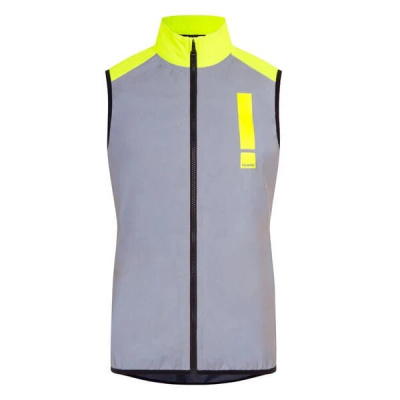
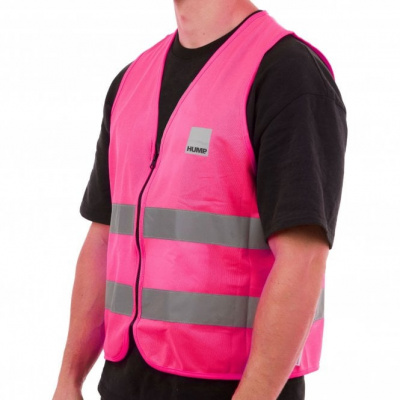
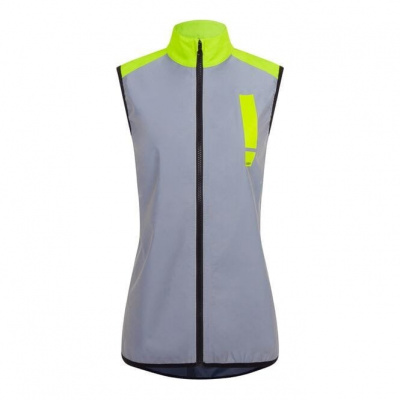
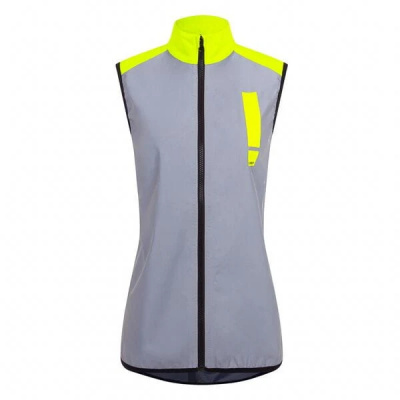
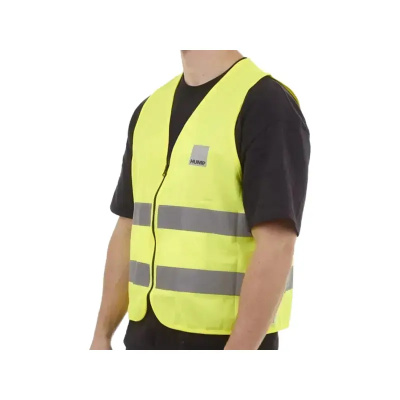
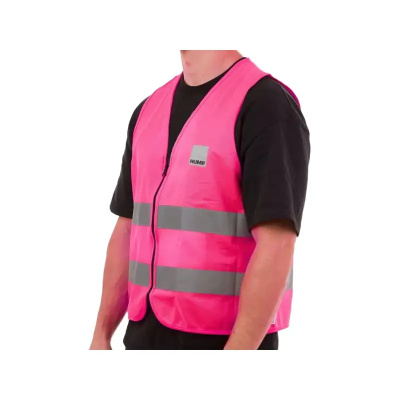
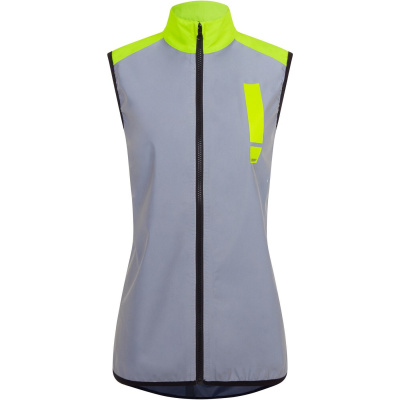
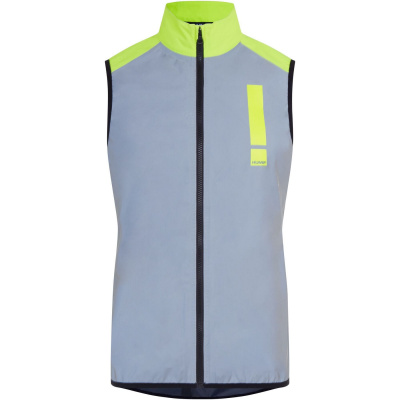
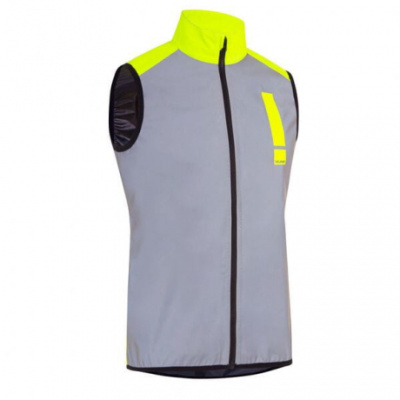
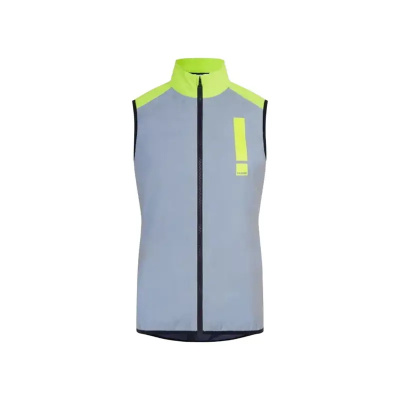
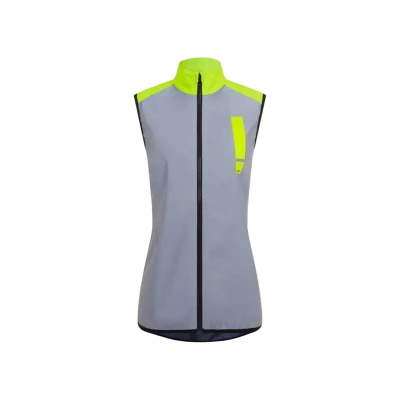
When it comes to riding through dark mornings, busy junctions, and the murky grey light that defines a British autumn commute, Hump cycling gilets are about as close to a safety net as a piece of clothing gets. The whole point of these vests is simple: make you impossible to miss, without turning you into a sweating mess before you've locked up the bike. Hump pulls that off with neon fabrics and omni-directional reflective detailing that lights up under car headlights the way a road sign does - broad, bright, and unmistakable.
The construction is practical rather than flashy. Windproof, DWR-coated front panels deal with the cold air and road spray that hits you head-on, while highly breathable mesh rear panels let heat escape so you're not cooking at every set of traffic lights. When the afternoon warms up, the gilet packs down small enough to drop in a jersey pocket or pannier without a second thought. That packability is genuinely useful on unpredictable UK days where you leave home in the cold and arrive back in something resembling sunshine.
Whether you're a year-round commuter clocking up miles in South London or a weekend rider heading out early on a dark October morning, a high vis cycling gilet this focused on visibility and practicality deserves a proper look.
Prices and availability can change quickly. Delivery charges are not always included in listed prices.
Final price, stock status and delivery terms are set by retailer. We may receive a commission on purchases made.
Fabric Tech and Weather Performance
Hump builds its gilets around a clear dual-fabric philosophy. The front panel is windproof and treated with a DWR coating to knock back light showers and road spray - the kind of fine, persistent drizzle that soaks through lesser kit before you've cleared the first roundabout. It's not a waterproof membrane, so in genuinely heavy rain you'll want a full jacket, but for the typical damp, grey-skied UK commute it does the job without fuss.
The rear is where the breathability lives. Highly breathable mesh rear panels let warm air out while you're pushing hard, which matters enormously on stop-start city rides where your effort level swings constantly. Trap that heat and you're uncomfortable within minutes. The mesh solves it cleanly. There's no fancy membrane to clean or baby - just open fabric that does what it needs to.
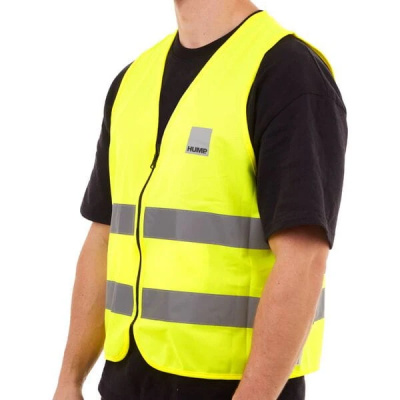
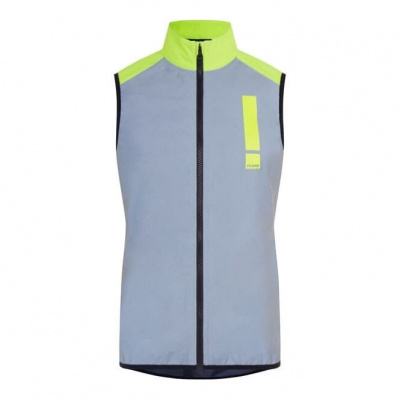
The visibility story is where Hump really separates itself from a basic windproof vest. Omni-directional reflective detailing means light bounces back to drivers from multiple angles, not just straight ahead. Pair that with the high-visibility neon base fabric and you're covering low-light scenarios that a standard grey or black gilet simply can't. Elasticated hems and armholes seal out drafts at the wrist and waist, keeping the windproof front panel working properly rather than letting cold air sneak in at the edges. It's a detail that makes a real difference on fast descents or exposed stretches of road.
If you're comparing options, Endura gilets take a similar commuter-focused approach but often lean more towards full waterproofing over packability. Hump's strength is in the visibility-first spec at an accessible price point.
Fit, Range, and Sizing for Layering
Hump cuts its gilets with a commuter fit - relaxed through the shoulders and torso rather than pinched in like a race-cut vest. That's a deliberate choice. An aero fit makes sense on a road bike in a skinsuit; it makes no sense when you're throwing it over a fleece to ride to the station. The relaxed shape accommodates real-world layering without pulling across the back or riding up when you reach forward on the bars.
Sizing is worth thinking about before you buy. If you're planning to wear the gilet over a reflective cycling gilet UK-standard thermal jacket or a chunky mid-layer in January, your normal size will fit without restricting arm movement. Sizing up adds margin if you're broad across the shoulders. Going over just a thin summer base layer? You could size down for a neater fit, though the standard size will still work fine - it just won't be as snug.
The Signal and Strobe lines sit at the core of the Hump gilet range. The Signal is the everyday commuter workhorse: straightforward windproof construction with strong reflective coverage and a no-nonsense cut. The Strobe pushes the visibility spec further with additional reflective panels and brighter neon colourways, aimed at riders who spend a lot of time in urban traffic or riding at night. Both pack down small enough to live permanently in a Hump pannier bag as an emergency layer without you noticing the weight.
If you want to see how the Hump fit and visibility spec compares across the broader market, Altura gilets are worth a look - they offer a similarly commuter-oriented range with some crossover in spec, though the reflective coverage differs between models.
Layering Smartly and Keeping Reflective Gear Working
A gilet is one of those pieces of kit that earns its place precisely because it covers a wide temperature window without being overkill. On a crisp autumn morning in the mid-teens, throwing a packable high visibility gilet over a long-sleeve base layer is usually enough to keep you comfortable from the first pedal stroke to the last. Drop below that into proper winter conditions - single figures, frost on the roads, the kind of morning where your breath clouds at the door - and layering the gilet over a Hump thermal jacket makes more sense. The gilet adds a windproof chest shield on top while keeping the overall stack breathable.
Gloves matter too on those days. Pairing your gilet with Hump gloves keeps the system consistent and avoids the situation where your core is warm but your hands are suffering three miles in.
Now, reflective gear care - this is where people quietly wreck perfectly good kit. Wash your gilet inside out on a cool, gentle cycle at 30°C. Use a technical wash or a mild detergent with no added conditioners. Fabric softeners are the enemy here: they coat the microscopic glass beads that make the reflective panels work, and they strip the DWR coating from the front panel. Do it once and you probably won't notice; do it repeatedly and the gilet stops performing at the level you bought it for. Skip the tumble dryer entirely - hang it up and let it dry naturally. It takes longer, but the reflective detailing and water repellency will last far longer for it.
Storing the gilet loosely rather than compressing it permanently in the same folded position also helps the reflective panels keep their integrity over time. Small habits, but they matter when you're relying on that visibility on a dark, wet commute.
Hump Gilets FAQs
Are Hump cycling gilets waterproof or just windproof?
They're windproof with a DWR coating that handles light showers and road spray well. They're not fully waterproof - the mesh rear panels are designed to breathe, not seal out heavy rain. For a proper downpour, you'll want to layer a waterproof jacket on top or swap to a full shell.
How do Hump gilets fit over winter cycling jackets?
The relaxed commuter cut means your standard size will sit comfortably over a bulky thermal jacket without pulling across the shoulders or restricting your reach on the bars. If you're particularly broad-shouldered or wearing a very thick mid-layer, sizing up gives you a little extra room.
How do I wash a reflective cycling gilet without ruining it?
Turn it inside out and wash on a cool, gentle cycle at 30°C using a technical wash or mild detergent - no fabric softeners. Softeners coat the reflective glass beads and strip the DWR finish. Avoid tumble drying completely; hang it to dry naturally and the reflective performance and water repellency will hold up far longer.