
Hump Rucksacks
Hump rucksacks are built around one idea: keeping you visible and your kit bone-dry on the UK commute, where dark mornings and relentless drizzle aren't seasonal - they're the default. These aren't general-purpose daypacks with a token reflective strip. Every bag in the range has been designed from the ground up for cyclists, drawing on the brand's deep background in high-visibility bag covers to produce dedicated rucksacks that take waterproofing and road presence seriously.
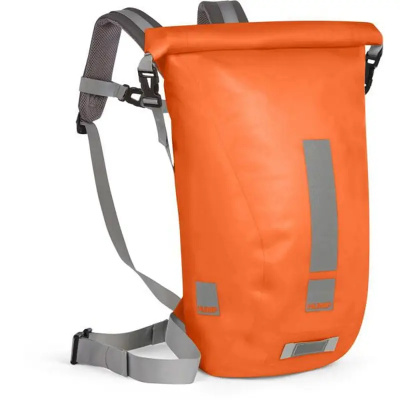
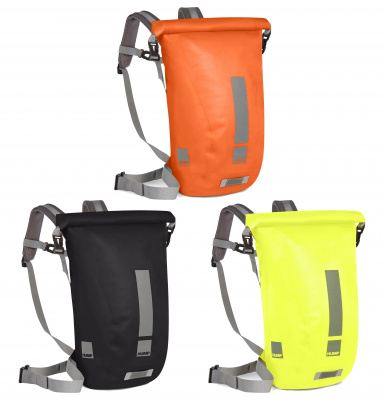
The construction spec reflects that. You get fully taped seams, TPU-coated fabrics, and roll-top closures rather than the water-resistant zips that'll let you down halfway through a November shower. Reflective chevron prints wrap the bag for 360-degree visibility, so drivers catch you in headlights from the side and rear, not just straight on. An airflow back panel keeps you from arriving at the office looking like you've already been for a swim, and integrated LED light loops mean you can run a rear light without fumbling with awkward mounts.
Carry capacity runs from compact 15-litre commuter options up to larger bags that swallow a laptop, work clothes, and your lunch without complaint. Compare the full Hump rucksack range below to find the right fit for your ride.
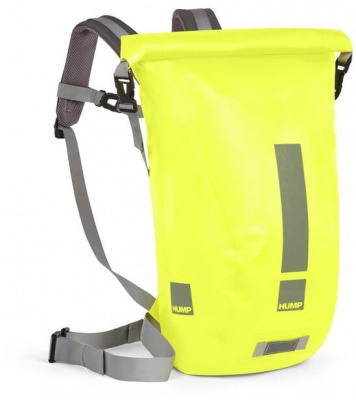
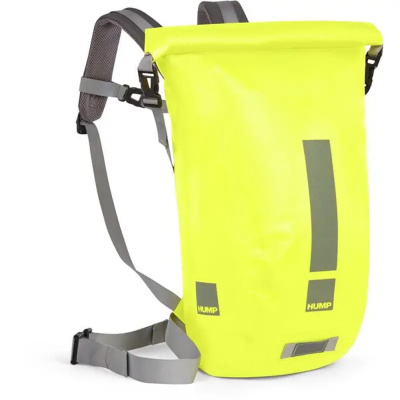
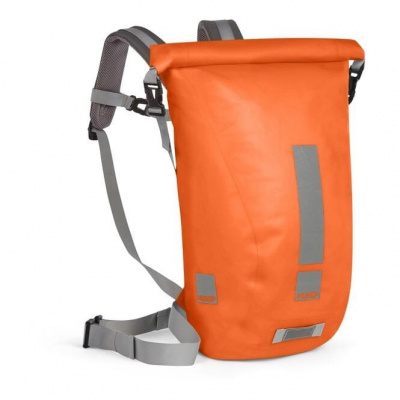
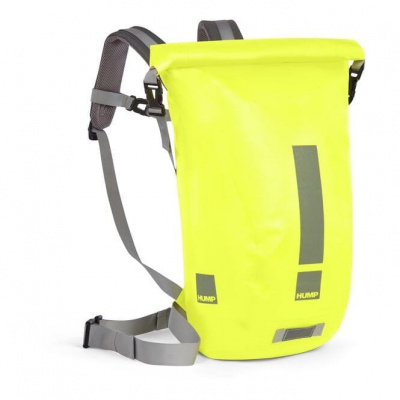
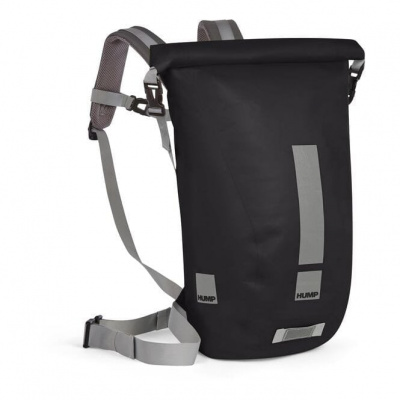
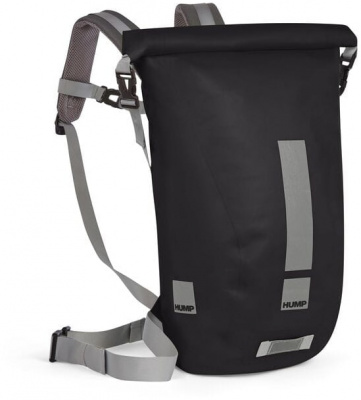
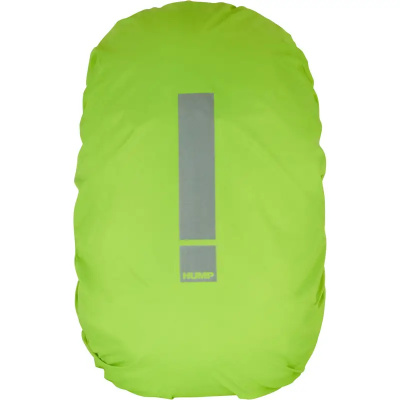
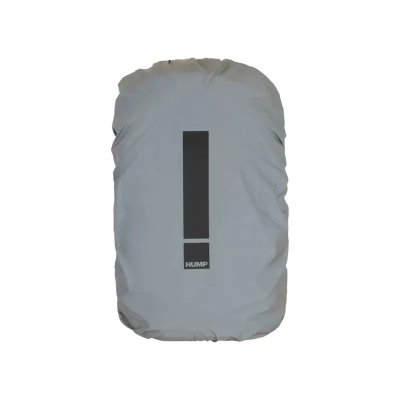
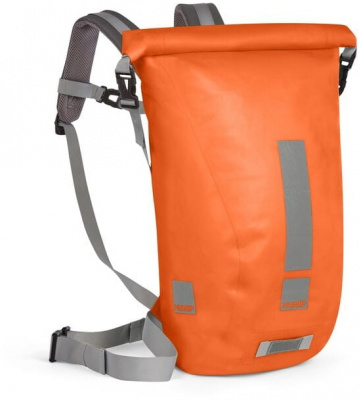
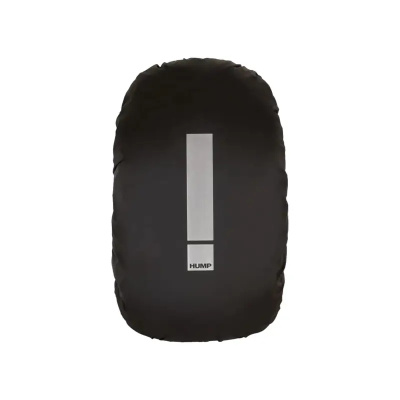
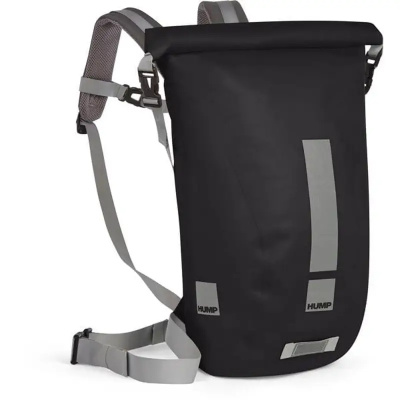
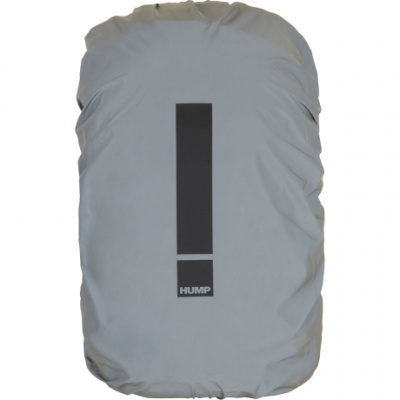
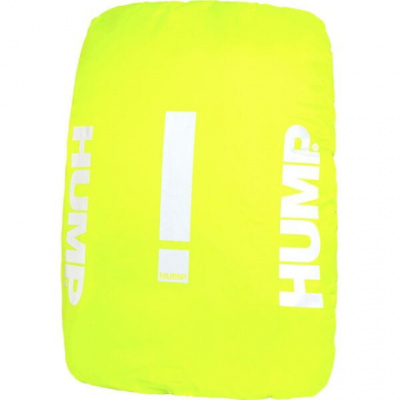
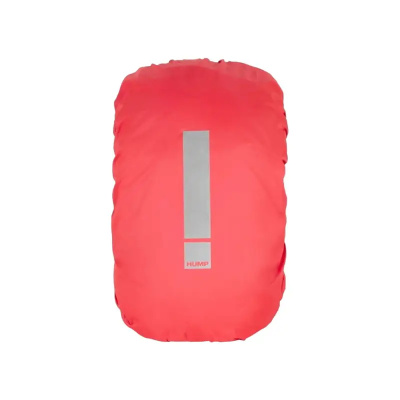
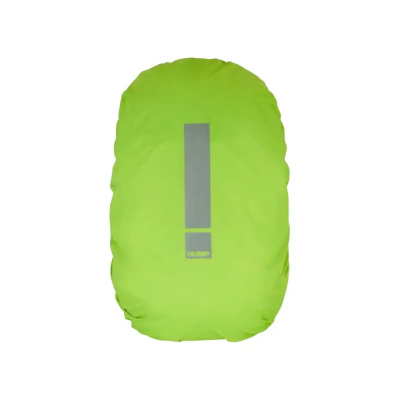
Prices and availability can change quickly. Delivery charges are not always included in listed prices.
Final price, stock status and delivery terms are set by retailer. We may receive a commission on purchases made.
Ergonomics, Fit and Waterproof Standards
A cycling rucksack that shifts around on your back is a handling problem as much as a comfort one. Hump's harness systems use a chest strap and, on larger models, a waist strap to lock the load against your body. That matters most when you're threading through traffic or accelerating away from lights - a loose bag acts like a pendulum and pulls you off your line. Get the chest strap snug across your sternum, not riding up into your throat, and you'll feel the difference immediately.
The waterproofing approach is worth understanding properly. Standard zip-entry backpacks rely on water-resistant coatings that degrade with use and were never intended to handle British rain at its worst. Hump uses roll-top closures combined with fully taped seams, meaning there's no gap for water to find. The TPU-coated ripstop fabric adds another layer - think of it as a dry bag you can actually wear on your back. Hydrostatic head ratings on these materials measure resistance to water pressure, and Hump's fabrics sit well above the threshold for heavy, sustained rain. Your laptop and a change of clothes will arrive dry. That's not a claim to hedge; it's what the construction is designed to deliver.
The airflow back panel keeps a channel of air moving between the bag and your back, reducing the sweat build-up that's inevitable on warmer commutes. It's not a magic fix - you'll still get warm on a hard effort - but it makes a genuine difference over a 30-minute city ride compared to a flat-backed design.
Hump Rucksack Range and Sizing
Choosing the right capacity is the most practical decision you'll make. A 15-litre bag fits a 15-inch laptop in a padded sleeve, a lunchbox, your phone and wallet, and a lightweight packable jacket - enough for most office commutes. It sits close to your back, stays stable at pace, and doesn't catch crosswinds the way a bigger bag does. If your daily carry is genuinely that simple, don't be tempted to size up.
Step to 20 - 25 litres and you've got room for bulkier winter layers, a full change of clothes including shoes, or the food shop on the way home. The trade-off is weight distribution - a heavier, fuller bag requires the waist strap to be doing real work, not just loosely buckled. Take a moment to load the heaviest items closest to your back; it keeps the centre of gravity sensible and stops the bag pulling you rearward on climbs.
The best high vis cycling backpack for you depends as much on your commute distance and load as it does on any spec detail. Short urban hop with a laptop? 15 litres is plenty. Longer mixed ride with full kit? Go 25 litres and use the compression straps to manage volume on lighter days.
If you'd rather let the bike carry the weight altogether and keep your back free, it's worth exploring Hump Pannier Bags - a rack-mounted setup takes the load off your shoulders entirely and works well for heavier or more irregular carries.
For riders open to alternatives, Altura rucksacks cover similar commuter ground with their own waterproofing approach, while Chrome rucksacks offer roll-top messenger-style designs with a more urban aesthetic if that suits your style better.
Surviving the UK Commute: Durability and Upkeep
Road spray in winter isn't just water. It carries grit, tyre rubber, oil from engine sumps, and whatever's been gritted onto the tarmac since October. That cocktail gets into every surface of your bag and, over time, it does real damage - particularly to reflective detailing and waterproof coatings.
Wiping the bag down after muddy or wet rides with a soft sponge and warm, mildly soapy water is the single most effective thing you can do to extend its life. Pay attention to the reflective chevron areas; grit sitting in the print abrades the surface and dulls the return. Never machine wash a bag with taped seams - the agitation and heat destroy the tape bonds and you'll lose your waterproofing permanently. Harsh detergents strip TPU coatings in the same way, so keep it gentle.
Store the bag uncompressed with the roll-top open when it's not in use. Keeping it rolled tight long-term can crease the TPU fabric and weaken the seam tape at fold points. A Hump reflective cycling bag that's cleaned regularly and stored properly will hold its waterproofing and visibility performance for several seasons of hard use - which is the point of spending properly on commuter kit in the first place.
The integrated LED light loops are worth a mention here too: use them. Running a dedicated reflector or clip-on light through the loop keeps it positioned correctly and prevents it rattling loose mid-commute. Pair the bag with Hump jackets and Hump gloves for a matched high-visibility setup that covers you front to back on dark rides.
For riders who need more carrying capacity and less back-sweat on longer routes, Deuter rucksacks are worth comparing - they bring touring-grade harness engineering to the commuter market, though without Hump's specific high-visibility focus.
Hump Rucksacks FAQs
Are Hump rucksacks fully waterproof?
Yes. Hump's commuter rucksacks use fully taped seams, TPU-coated fabrics, and roll-top closures rather than standard zips. That combination handles sustained heavy rain without letting water through - your laptop and spare clothes stay dry even on the worst November commute.
How do you clean a high-vis cycling backpack?
Wipe it down with a soft sponge and warm, mildly soapy water after muddy or wet rides. Never machine wash or use harsh detergents - both destroy the taped seams and degrade the reflective detailing. Keep it gentle and the bag will hold its waterproofing and visibility performance for seasons.
What size rucksack is best for bike commuting?
A 15 - 20 litre bag covers most commuters: laptop, lunch, and a lightweight change of clothes fit comfortably. If you're carrying winter layers, full shoes, or picking up shopping on the way home, step up to 25 - 30 litres and use the waist strap properly to manage the extra weight.