
Halo Road Tyres
Halo road tyres have built a reputation on exactly the kind of reliability that UK riding demands - roads that switch from freshly laid tarmac to flint-strewn B-road within a single mile, and weather that makes tyre choice feel like a gamble. The range covers everything from lightweight, fast-rolling summer rubber to tough, high-mileage training tyres that laugh off winter grit and hedge clippings without complaining.
What ties the lineup together is the thinking behind it. Halo leans on high-density puncture belts, dual-compound tread designs, and folding aramid beads to keep weight down without turning every ride into a roadside repair. Whether you're chasing a clean Tuesday-night chain gang lap or grinding out winter base miles in the dark and damp, there's a tyre in this range built around that use case.
Halo tubeless road tyres are also part of the picture now, giving you the option to ditch tubes, run lower pressures, and get better grip on greasy corners - particularly useful when the tarmac hasn't dried since October. Browse the full 700c range below and compare prices across UK retailers to find the right match for your wheels and riding.
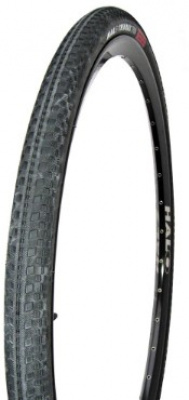
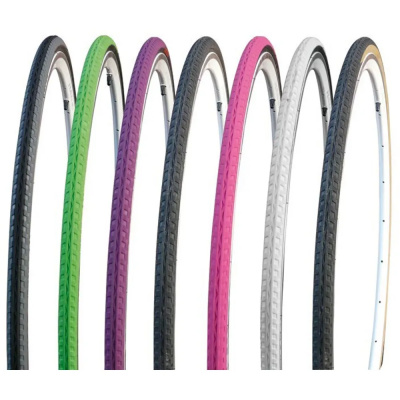
Prices and availability can change quickly. Delivery charges are not always included in listed prices.
Final price, stock status and delivery terms are set by retailer. We may receive a commission on purchases made.
Sizing, Beads, and Getting the Fit Right
Before anything else, check the ETRTO marking on the tyre's sidewall - that's the standard that actually tells you whether it'll fit your rim, not the marketing name. A 700x25c tyre is ETRTO 25-622; a 700x28c is 28-622. Both share the same bead diameter, but the width changes how the tyre profiles on your specific rim. Run a 25c on a rim with a 21mm internal width and you'll likely see a lightbulb profile - the tyre inflates rounder than it should, which hurts cornering feel and can risk roll under hard loads. Most modern road rims sit between 19mm and 23mm internal width, and Halo's 700x28c options tend to suit that range well.
On the bead side, there's a meaningful split in the range. Standard clincher beads use wire - heavier, cheaper, perfectly functional. Halo's folding bead models use aramid (Kevlar-type) fibres instead, which cuts weight noticeably and makes the tyre easier to transport as a spare. If you're fitting a Halo tubeless road tyre, you need a rim drilled and sealed for tubeless use, proper airtight rim tape, a tubeless valve, and sealant - the tyre's TR bead alone won't seal against a standard clincher rim. Worth checking the specific model's spec sheet before you buy.
Frame and calliper clearance matters too. Many older rim-brake frames top out at 25c or 28c. Disc-brake road frames are generally more generous, but always measure your actual clearance rather than trusting the stated maximum - mud and grit add effective width in winter. If you're after something wider for rougher surfaces, Halo gravel and cyclocross tyres are worth a look instead.
How the Halo Road Tyre Range Breaks Down
Halo splits its road tyre offering along a fairly logical axis: lighter, faster tyres for summer and racing use at one end, and reinforced, longer-lasting options for training and winter at the other. Knowing which camp you're in makes the choice straightforward.
At the performance end, you're getting higher TPI (threads per inch) casings - more threads per inch means a suppler, more compliant casing that rolls faster and conforms better to road texture. These models typically use dual-compound rubber, with a harder centre strip for low rolling resistance on straight-line speed and a softer shoulder compound for cornering grip on greasy, wet tarmac. That softer edge matters more than people expect when you're leaning into a damp roundabout in October. Folding aramid beads feature here too, keeping weight honest without sacrificing bead integrity.
The training and winter options trade some of that suppleness for durability. Lower TPI casings are stiffer and more resistant to sidewall cuts from the kind of road debris - flint shards, glass, thorns - that gets washed onto lanes after heavy rain. The Anti-Puncture System (APS), Halo's high-density nylon puncture protection belt, sits between the casing and the tread on these models, acting as a barrier against sharp intrusions that would slice straight through a race tyre. It adds a small amount of weight and marginally increases rolling resistance, but on a January training ride in the Peak District or the Surrey lanes, you're not really optimising for watts.
If you're comparing across brands, Continental road tyres and Michelin road tyres operate in the same space - premium race compounds at one end, robust all-season options at the other. Halo's positioning tends to favour value-conscious riders who want genuine puncture protection without paying top-tier race tyre prices. Pair the tyres with matching Halo road wheels and the whole system is optimised from the start.
Keeping Halo Tyres Rolling Through UK Conditions
UK roads are genuinely tough on tyres. Wet flint is sharp as broken glass, winter grit works into sidewall rubber and accelerates micro-cuts, and the greasy film on British tarmac after the first autumn rain is something else - Vittoria and Pirelli both cite wet-grip compound development specifically for European conditions, and Halo's dual-compound design is working the same problem.
Pressure management is one of the most practical things you can do. Drop 5 - 10 PSI from your summer pressure when roads are wet and cold - a slightly softer tyre deforms more against the surface, increases the contact patch, and gives noticeably better feel through corners. Running too much pressure on cold, greasy tarmac is the most common reason riders feel sketchy in bends. On a standard 700x28c clincher, 75 - 85 PSI is a sensible winter range for most rider weights. Tubeless setups can go lower still, which is one of the genuine practical arguments for the TR versions.
After every ride in winter, run your fingers carefully along the tread and sidewalls - gloves off, slowly. Pick out any embedded glass or flint with a sharp tool before it works its way through the casing. Small cuts in the tread that haven't punctured yet are worth noting; if they're deep enough to show the belt beneath, the tyre's protective margin is gone in that spot. Sidewall cuts are trickier - the APS belt doesn't extend to the sidewall on most designs, so inspect those edges after riding on roads with heavy grit or gravel spillage.
If you're running tubeless, check your sealant level every couple of months. Sealant dries out, and a dry tubeless tyre is effectively just a heavy clincher waiting to let you down. Top it up via the valve, give the wheel a spin to redistribute, and you're good. Pair the tyres with compatible Halo rims designed with tubeless-ready profiles and the setup process is considerably less fiddly.
Halo Road Tyres FAQs
Are Halo road tyres tubeless ready?
Some Halo road tyres are Tubeless Ready (TR), but not all - check the specific model's bead specification before buying. To run them without tubes you'll need a compatible tubeless rim, airtight rim tape, tubeless valves, and a quality sealant. A standard clincher rim won't seal, regardless of the tyre's TR rating.
What tyre pressure should I run in Halo road tyres?
It depends on your weight, tyre width, and setup. For a 700x28c Halo clincher on UK roads, 70 - 85 PSI gives a solid balance of rolling speed and grip. Drop 5 - 10 PSI in wet or cold conditions for better cornering feel. Tubeless setups can run 10 - 15 PSI lower than that, which is where they genuinely earn their keep on greasy British tarmac.
How do I fit tight Halo road tyres onto my rims?
Push both tyre beads into the deepest central channel of the rim all the way around first - that creates slack you can use on the final section. If it's still fighting you, a small amount of soapy water on the bead helps it slip over the rim edge. Use a good plastic tyre lever rather than metal to avoid scratching the rim or nipping a tube.