
Halo Gravel And Cyclocross Tyres
Halo gravel tyres are designed and developed with British riding conditions at the centre of the brief - not as an afterthought. That means flint-strewn chalk tracks, claggy winter mud, and the kind of mixed-surface riding where you're on tarmac one minute and skidding through wet roots the next. Halo builds these tyres around tubeless-ready casings and dual-compound rubber, so you're not constantly patching up or swapping kit mid-season.
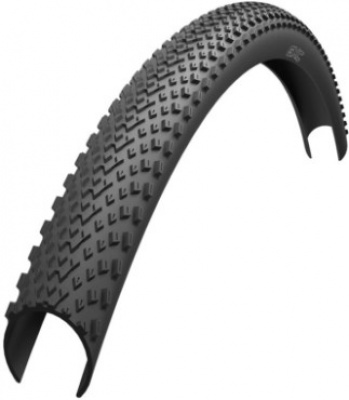
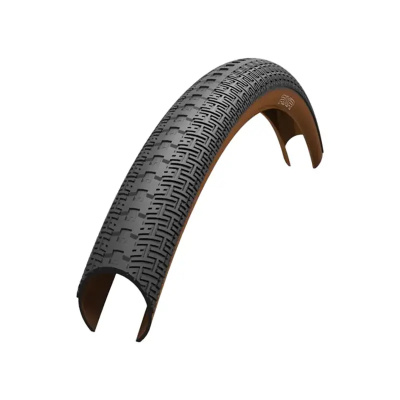
The range splits broadly into two characters. The GXC is the muddy, aggressive option - wide-spaced knobs that fling clay clear and side lugs that bite when you tip into a corner. The RXR leans toward all-road use, with a smooth centre tread that rolls efficiently on tarmac and micro-knobs at the shoulders for when the track turns to hardpack gravel. Both come in 700c and 650b options, and both support tubeless setup, which is increasingly the sensible choice for UK winter riding.
Whether you're racing cyclocross in the North or grinding long gravel miles through the Chilterns, there's a Halo tyre in the range that fits the brief. Check rim compatibility before you commit, and make sure your tape and valves are sorted before fitting tubeless - more on that below.
Prices and availability can change quickly. Delivery charges are not always included in listed prices.
Final price, stock status and delivery terms are set by retailer. We may receive a commission on purchases made.
Sizing, Rim Compatibility and Getting the Fit Right
Halo gravel tyres are available in both 700c and 650b diameters, covering the two dominant wheel standards in gravel and cyclocross. Width options range from around 38c through to 47c depending on the model, so matching tyre width to your internal rim width matters. As a rough guide, a 38c tyre suits an internal rim width of 19 - 23mm, while wider 47c options work best with rims measuring 25mm internally or broader. Running a wide tyre on a narrow rim pushes the profile tall and rounded, which hurts cornering feel; too wide a rim on a narrow tyre and you risk the casing stretching beyond its design limits.
For guaranteed compatibility, Halo gravel wheels are the obvious starting point - you know the tyre and rim are specced to work together. If you're fitting Halo tyres to a third-party wheelset, double-check whether the rims are hookless. Hookless rims require tyres that are explicitly rated for hookless use, and not all Halo models carry that rating. Get that wrong and a tubeless blowout becomes a real possibility. With hooked rims, you have more flexibility. Either way, seat the tubeless ready casing carefully, make sure your rim tape has zero air gaps, and use the correct valve length for your rim depth - rushed tubeless setups are where most of the headaches begin.
GXC vs RXR: Picking the Right Tread for the Job
The Halo GXC vs RXR question comes down to where most of your riding actually happens. The GXC - Gravel Cross Country - runs pronounced, widely-spaced knobs across the centre with aggressive side lugs. That spacing is deliberate: thick, claggy clay mud needs room to clear, and the GXC does that well. Side knobs grip when you lean the bike over in loose dirt or on slick off-camber sections, the kind of thing you encounter regularly in UK cyclocross racing or on bridleways after a week of rain. If most of your winter riding involves leaving a muddy bike in the back of the car, the GXC is probably your tyre.
The RXR - Road Cross Road - is a different proposition. A near-continuous centre ridge rolls quickly on tarmac and packed gravel, keeping rolling resistance low on the road sections that make up a big chunk of most gravel routes. Subtle shoulder knobs give you cornering purchase when the surface loosens up. It's not a mud tyre; don't expect it to behave like one. But if your routes mix lanes with gravel tracks and you're not regularly knee-deep in mud, the RXR is noticeably faster underway. Alternatives worth comparing include Panaracer gravel tyres and WTB gravel tyres, both of which offer similar tread-pattern splits across their ranges.
Then there's the casing choice: 120 TPI versus 60 TPI. The 120 TPI option uses a finer, more supple weave that conforms to the ground better, damps small vibrations, and shaves a meaningful amount of weight - it's the one to pick for racing or fast-paced riding where every watt counts. The 60 TPI casing is thicker and stiffer, which makes it noticeably more resistant to cuts and abrasion. For bikepacking or long-distance riding with loaded bags, that durability trade-off is worth accepting. Both casings are available with a folding bead, which makes transport and storage straightforward if you're carrying a spare.
Surviving UK Conditions: Maintenance and Durability
British riding extracts a particular toll on tyres. South Downs chalk tracks are littered with sharp flint edges that slice sidewalls almost surgically. Wet roots demand rubber that grips without being so sticky it tears. The dual compound construction Halo uses addresses both ends of that problem: a harder centre compound keeps rolling resistance low and resists wear on abrasive surfaces, while softer shoulder rubber grips when you lean the bike into corners on wet hardpack or slick tarmac transition sections. It's a sound approach, and one you'll find across the better Maxxis gravel tyres and Vittoria gravel tyres too.
The puncture protection layers built into Halo's TR casings add meaningful resistance to pinch flats and debris penetration, but they're not invincible against sustained flint exposure. Inspect your sidewalls after heavy winter rides - run a finger lightly along the casing and you'll feel any small cuts before they become irreparable. If you find a clean flint nick that hasn't punched through, a small amount of tyre boot inside the casing will buy you plenty more life.
Tubeless sealant is the other variable that most riders neglect. Topping up every three to six months is the sensible rhythm for UK all-year riding; sealant dries out faster in summer heat and can congeal in cold, damp winters. When you unseat a tyre for any reason, check the inside of the casing for dried sealant build-up - too much residue and the casing loses some of its natural suppleness. Fresh sealant and a clean casing make a noticeable difference to how the tyre rides. For setting up tubeless from scratch, make sure your valves are the right length and fully compatible with your rim's valve hole diameter - Halo rims pair neatly with the brand's own valve spec if you want to keep things simple.
If you're running Halo tyres on a bike that also does road miles, it's worth checking the Halo road tyre range for dedicated tarmac use - switching between a gravel-specific casing and a road tyre when conditions change keeps wear rates sensible on both.
Halo Gravel And Cyclocross Tyres FAQs
Are Halo gravel tyres tubeless ready?
Most current Halo gravel and cyclocross tyres - including the GXC and RXR - use Tubeless Ready (TR) casings with anti-puncture layers. To run them tubeless you'll need compatible rims, properly seated rim tape, tubeless valves, and a good-quality sealant. Don't skip the tape prep; that's where most failed setups start.
What is the difference between Halo GXC and RXR tyres?
The GXC runs pronounced, widely spaced knobs designed to clear mud and grip loose dirt - it's the tyre for winter cyclocross or wet bridleways. The RXR uses a smooth centre tread for efficient rolling on tarmac and hardpack, with low-profile shoulder knobs for cornering grip. One is a mud tyre; the other is an all-road tyre. They're not interchangeable.
What tyre pressure should I run for UK cyclocross and gravel?
For muddy UK cyclocross conditions on a tubeless setup, 20 - 30 PSI maximises ground contact and grip. For mixed-surface gravel riding, 35 - 45 PSI balances rolling speed on tarmac with enough compliance on rough tracks. Rider weight, rim width, and surface conditions all shift that range, so treat these as starting points rather than fixed rules.