
Halo Road Wheels
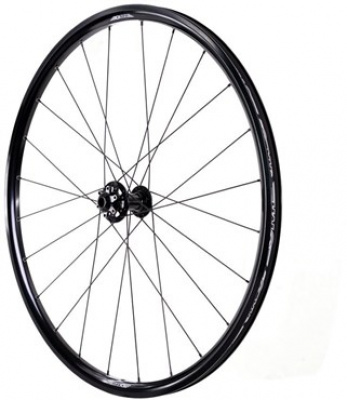
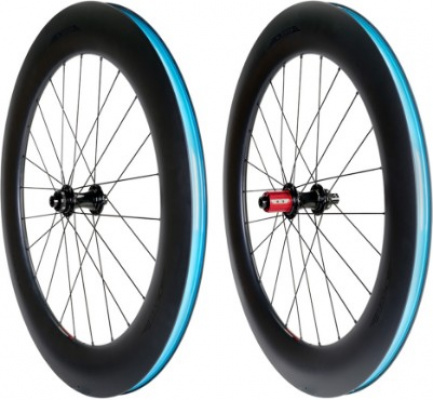
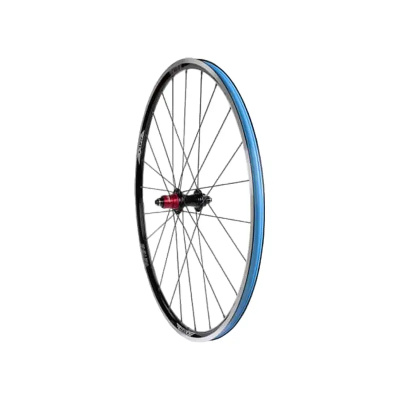
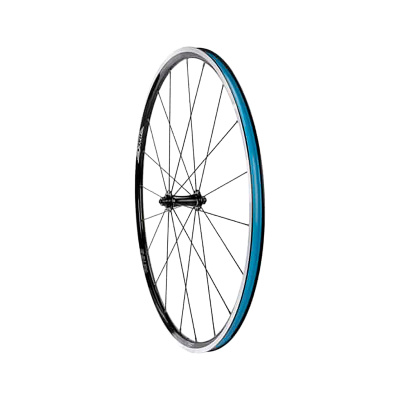
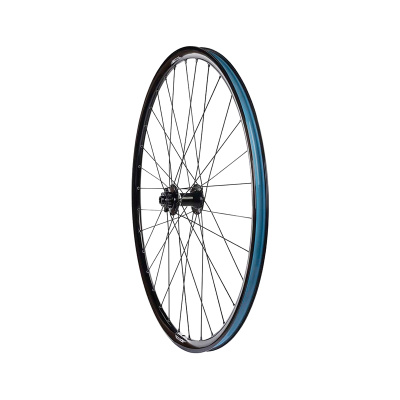
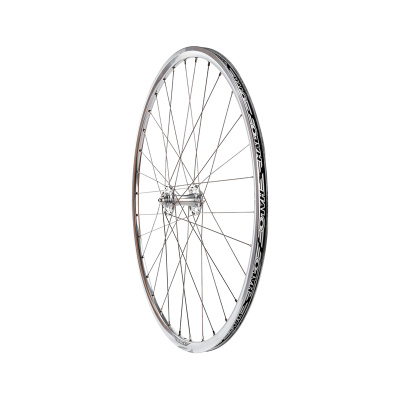
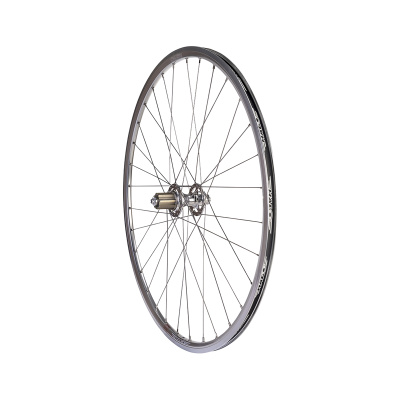
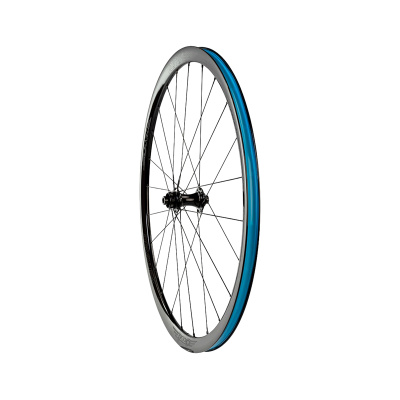
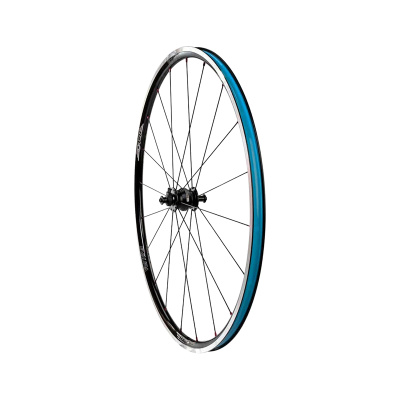
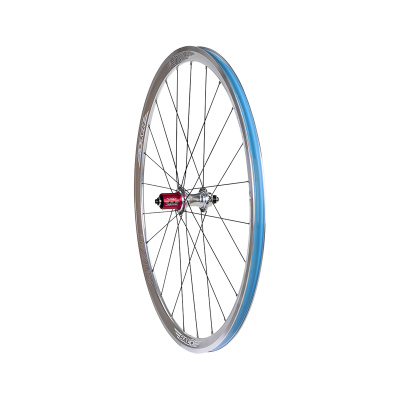
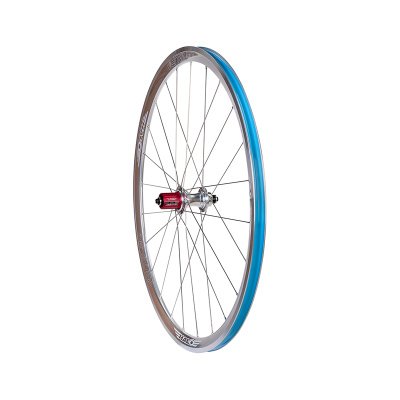
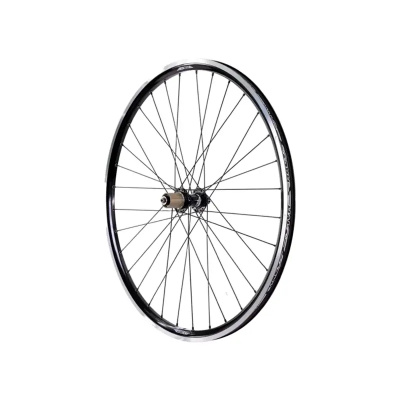
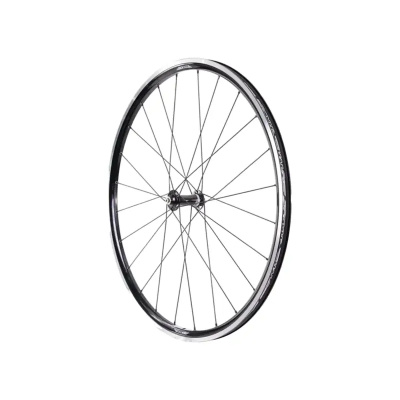
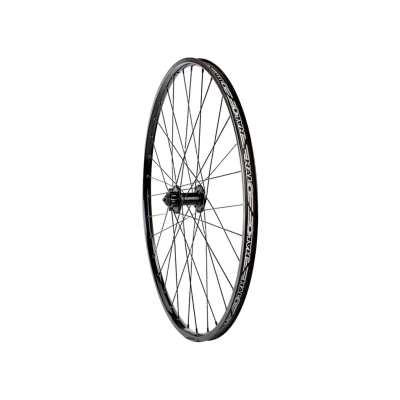
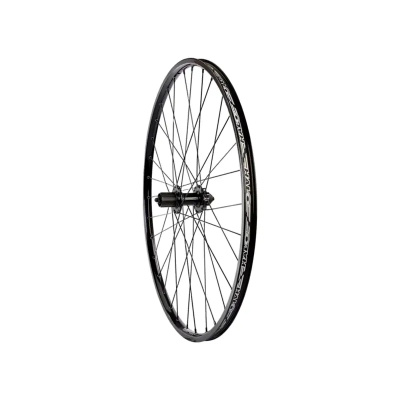
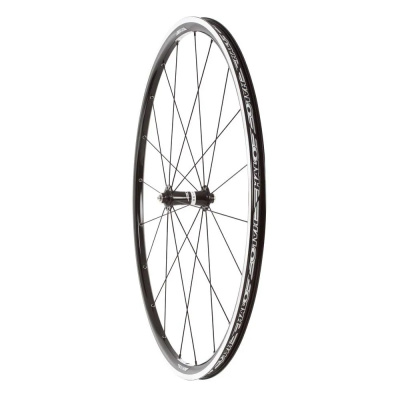
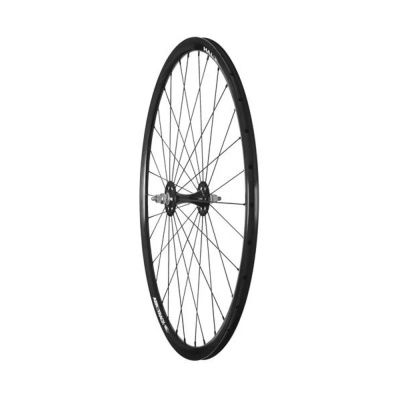
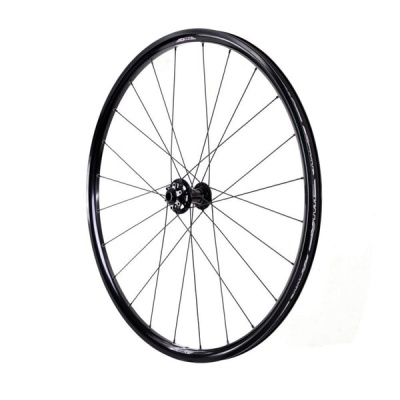
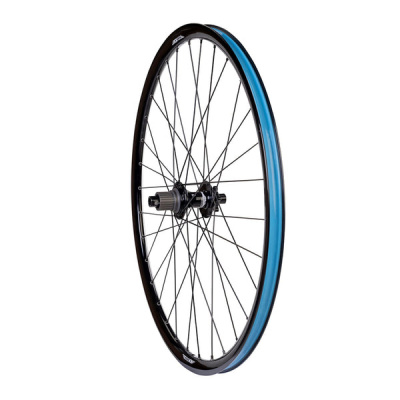
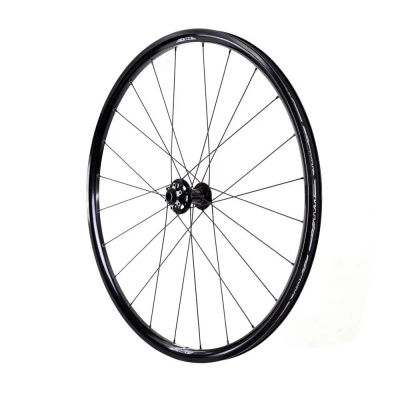
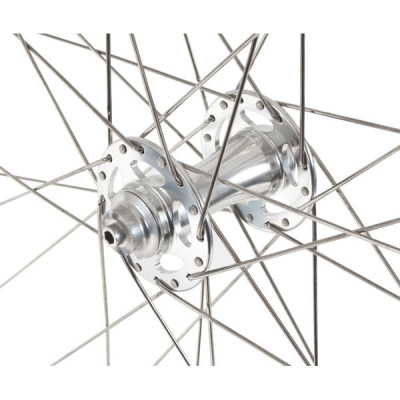
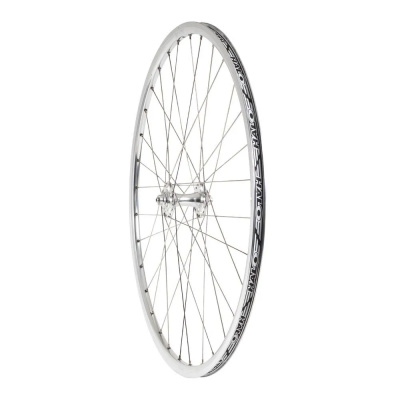
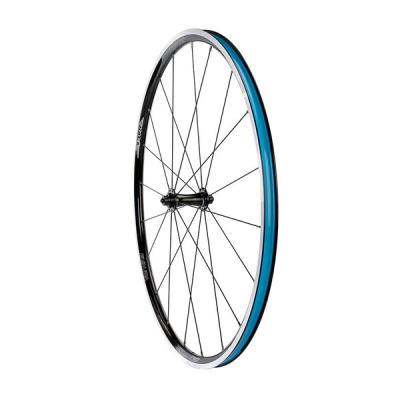
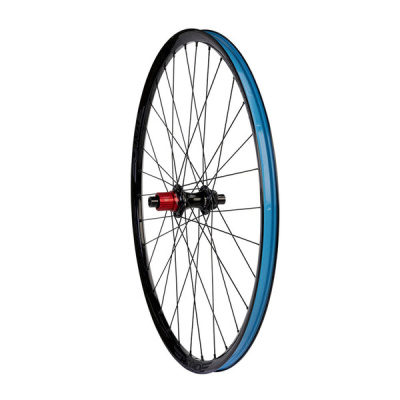
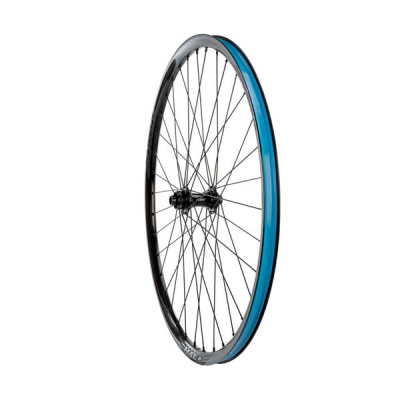
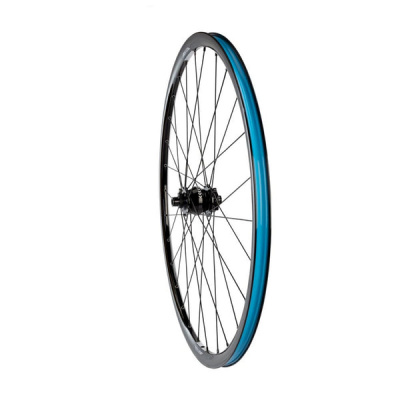
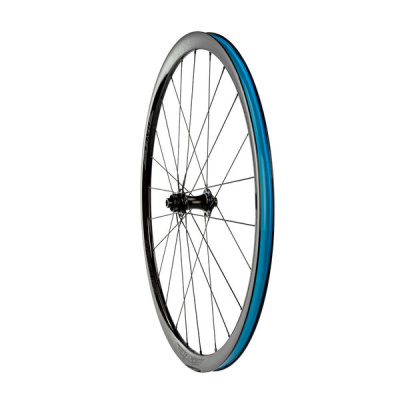
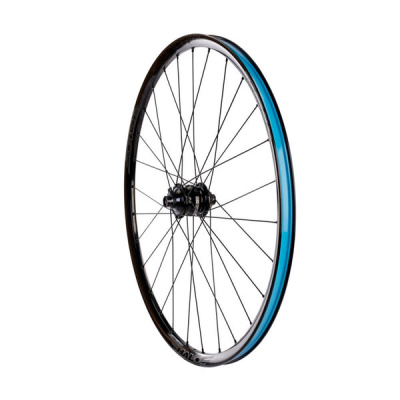
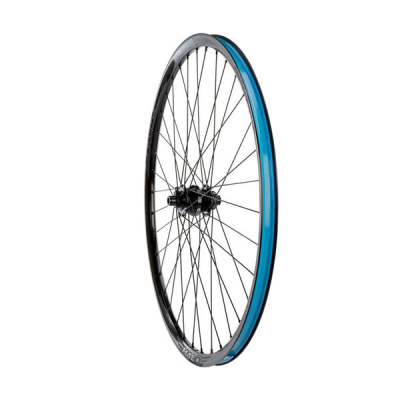
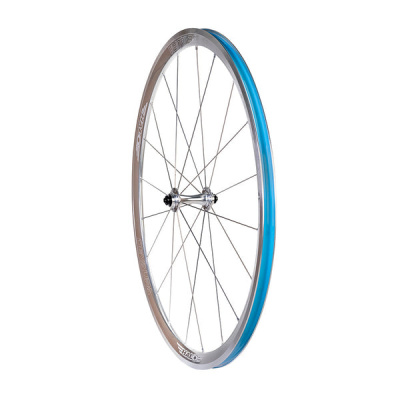
Halo road wheels are built with a clear understanding of what UK roads actually throw at you - because Halo is a British brand, and that matters when your typical Tuesday evening ride involves more potholes than tarmac. From the aero-focused carbon Carbaura series to the wide-profile alloy Evaura line designed to soak up rough B-roads and run high-volume tubeless tyres, there's a wheelset here for riders chasing race speed and riders who just need something that won't give up by January. The proprietary Supadrive hub sits at the heart of the range - a 120-point micro-engagement system that delivers near-instant power transfer every time you put the hammer down. Pair that with TCI (Tubeless Compatible Interface) rim beds across much of the lineup and sealed cartridge bearings built to handle grit and rain, and you've got wheels that work as hard as you do. Before you browse, check your axle standard, brake type, and drivetrain - compatibility matters and we've covered it all below. Compare the best UK prices on Halo road wheelsets and find the right option for your build.
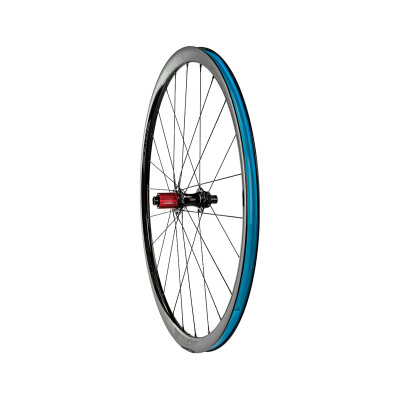
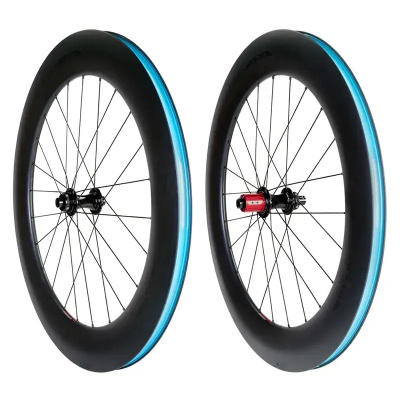
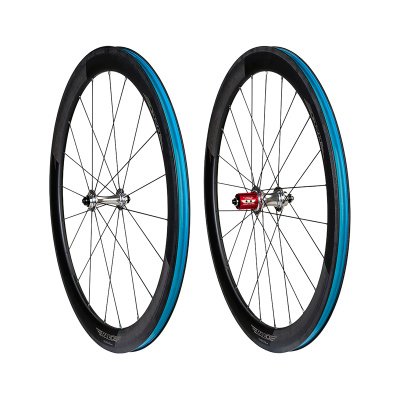
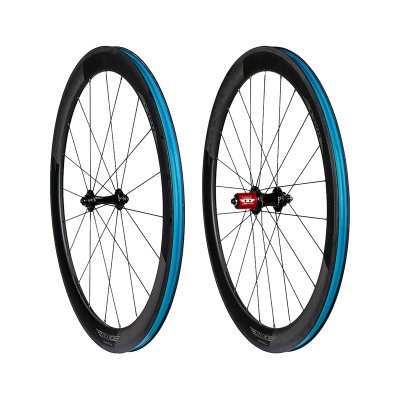
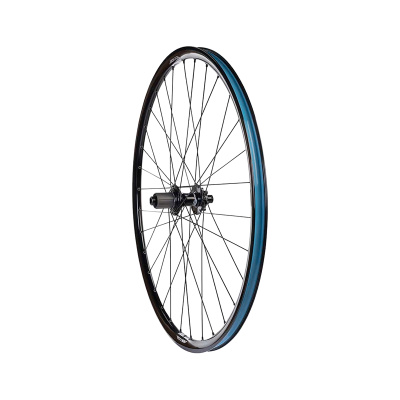
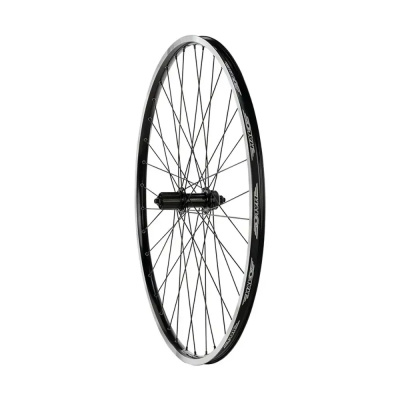
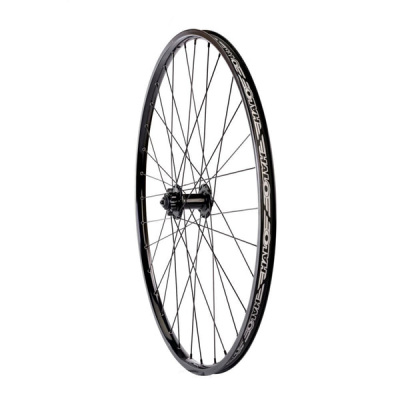
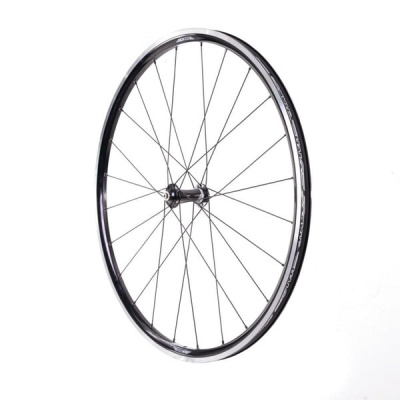
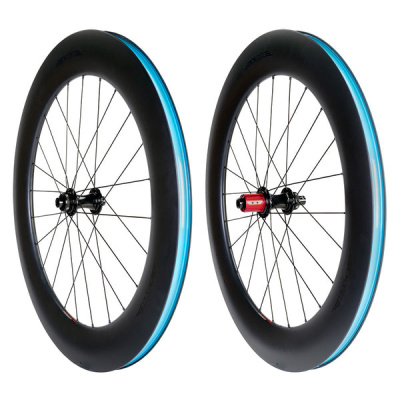
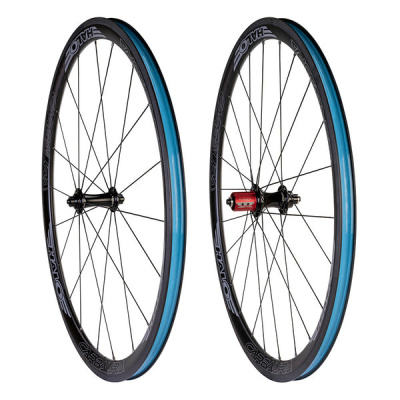
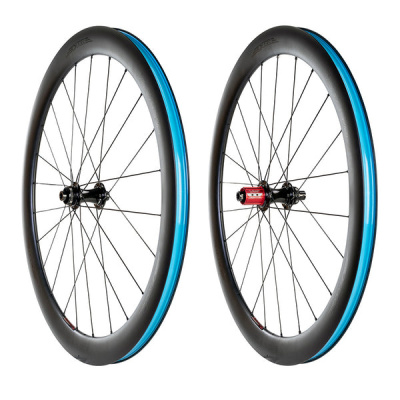
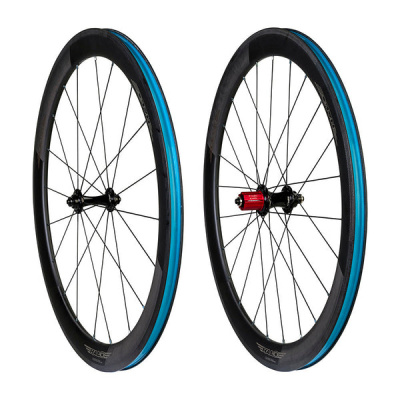
Prices and availability can change quickly. Delivery charges are not always included in listed prices.
Final price, stock status and delivery terms are set by retailer. We may receive a commission on purchases made.
Fitting Your Halo Wheels: Axle, Brake, and Drivetrain Compatibility
Get the compatibility right before anything else - fitting the wrong freehub or axle standard is the kind of mistake that costs you a return postage label. Most current Halo road wheels are built around modern thru-axle standards: 12x100mm at the front and 12x142mm at the rear. If your frame still runs a traditional quick-release skewer, check the product spec carefully - some Halo models do offer QR-compatible hubs, but they're increasingly the exception rather than the rule.
On the brake side, Halo's disc-specific road wheels come in both Centerlock and 6-bolt rotor fitments. Centerlock uses a splined interface and lockring - quick to swap and very secure - while 6-bolt is the more common standard if you're already running rotors with a traditional bolt pattern. Neither is technically superior; it's just about matching what you've already got on your bike. Rim brake versions exist within the lineup too, though disc is clearly where Halo has focused its development energy.
Freehub body choice is equally important. Halo road wheels are available with Shimano HG bodies to suit the vast majority of 8-to-11-speed cassettes, or SRAM XDR bodies for 12-speed SRAM Eagle and road groupsets. If you're running Campagnolo, check individual product listings - availability varies by model. Getting this wrong means your cassette simply won't fit, so double-check your drivetrain manufacturer before you buy. If you're unsure which Halo hub configuration you need, the product pages break it down clearly by compatibility.
One thing worth flagging: if you're planning a mixed-surface or off-road build, Halo's road-specific rims won't give you the clearance or impact resistance that kind of riding demands. Take a look at our dedicated Halo Gravel Wheels page instead - a much better starting point for anything that ventures off the beaten track.
Carbaura vs Evaura: Picking the Right Halo for Your Riding
Halo's road wheel range splits into two clear lines, and the choice between them comes down to what you're actually trying to do on the bike.
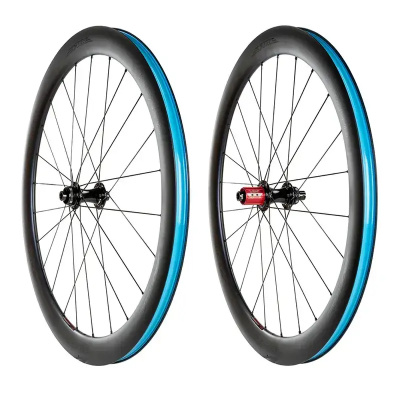
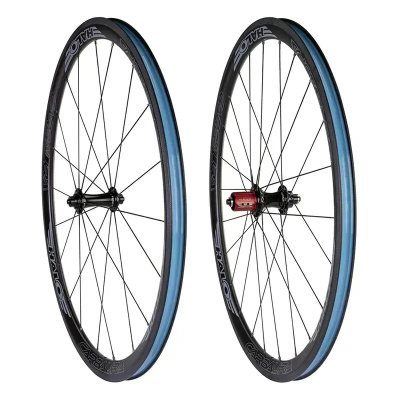
The Carbaura is Halo's carbon aero offering. The rim profiles are shaped to cut through air efficiently, which counts when you're pushing hard on open roads or looking to carry speed through a fast sportive. Carbon construction keeps weight low, and the aerodynamic cross-section is a genuine advantage at speed rather than a marketing footnote. If you're chasing podiums at club races or shaving seconds off your Sunday best times, the Carbaura is where to look. For context, it sits in similar territory to options from DT Swiss or Mavic at the performance end of the road wheel market.
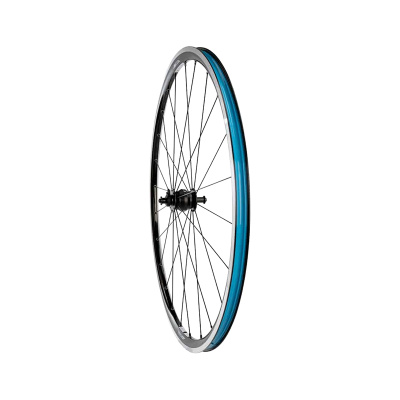
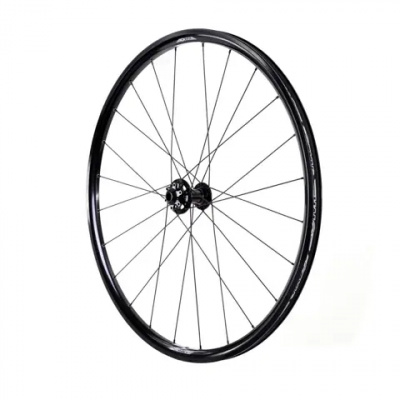
The Evaura takes a different approach entirely. Wide-profile alloy rims - optimised for modern road tyres in the 28mm-to-32mm range - give you more tyre volume, better compliance over rough surfaces, and a rim bed that's genuinely well-suited to tubeless setup. Think of it as the wheelset that makes sense for British riding: the kind of riding where you're navigating cracked tarmac in November, the light's failing, and you want confidence rather than gram counts. Wider rims also let your tyre spread properly, improving contact patch shape and grip, particularly in the wet.
Compared to something like Hope road wheels at a similar price point, the Evaura trades a little of that hand-built British workshop feel for a slightly more accessible price - depending on where you compare. Both reward regular maintenance and are genuinely serviceable rather than disposable. If you're building a dedicated training wheelset to keep your good wheels clean through winter, the Evaura is the sensible answer. Pair them with a set of Halo road tyres and you've got a practical, coherent setup from a single brand that understands the same conditions you're riding in.
Keeping Halo Wheels Running Through a UK Winter
Sealed cartridge bearings in the Supadrive hubs are a genuine plus for anyone riding year-round in Britain. Unlike cup-and-cone systems that need frequent stripping and repacking when grit gets in, cartridge bearings are self-contained. They'll still wear eventually - particularly if you're racking up wet miles between October and March - but you're typically looking at a season or two of regular riding before replacement becomes necessary, and swapping them out is a straightforward workshop job.
The Supadrive hub mechanism itself benefits from a specific maintenance approach. Clean the drive ring and pawls with a light degreaser, then apply a thin, low-viscosity oil rather than grease. Heavy grease can actually cause the 120-point micro-engagement system to drag or stick in cold weather, which defeats the point of having near-instant pick-up. A quick lube every few months - or after any truly filthy ride - keeps it snapping cleanly. It's a five-minute job once you've done it once.
Setting up the TCI (Tubeless Compatible Interface) rims tubeless is straightforward compared to some older systems. The bead seat is machined to a tighter tolerance, which means the tyre clicks into place more positively and you're less likely to spend twenty minutes fighting a stubborn bead. Use quality rim tape, a proper tubeless valve, and a good sealant - 30 - 40ml is usually enough for a 700c road tyre - and the setup should hold without drama. If you're starting from scratch, Halo's own rim range is worth a look for replacement or build projects too. For a broader view of what's available at this end of the market, Fulcrum road wheels offer an interesting comparison point on tubeless rim execution.
Halo Road Wheels FAQs
Are Halo road wheels tubeless ready?
Most current Halo road wheels - including the Evaura and Carbaura ranges - use TCI (Tubeless Compatible Interface) rim beds, so yes, they're set up for tubeless. You'll need to add compatible rim tape, tubeless valves, and sealant to complete the conversion. The TCI bead seat makes the setup more reliable than older systems.
What freehub body do I need for Halo road wheels?
Halo road wheels come with Shimano HG, SRAM XDR, or Campagnolo freehub options depending on the model. HG covers most 8-to-11-speed Shimano and compatible cassettes; XDR is what you need for 12-speed SRAM groupsets. Check your drivetrain manufacturer and speed count before ordering - getting this wrong means your cassette won't fit.
How loud is the Halo Supadrive hub?
Loud enough to turn heads in a cafe. The Supadrive's 120-point micro-engagement system produces a distinct, assertive buzz when you're freewheeling - noticeably louder than a standard pawl hub. That noise is the trade-off for near-instant engagement, which you'll feel clearly when you're sprinting or accelerating out of a corner.