
DT Swiss Road Wheels
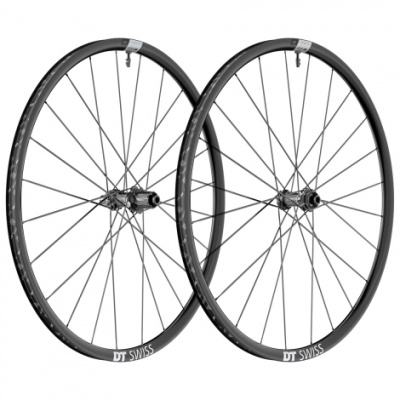
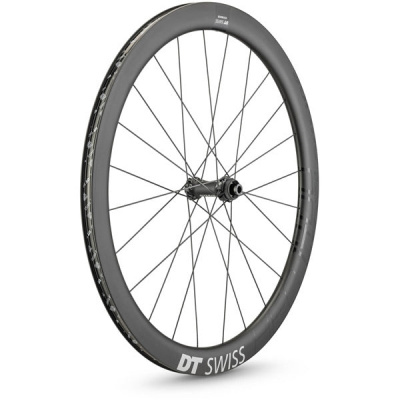
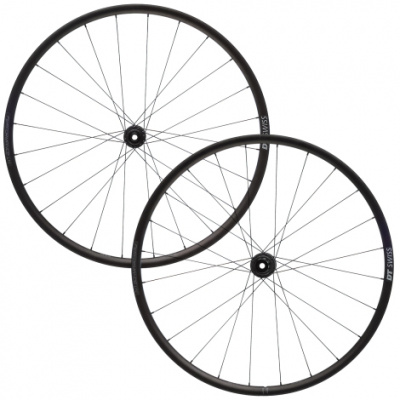
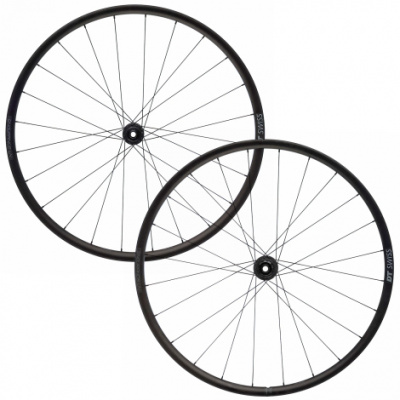
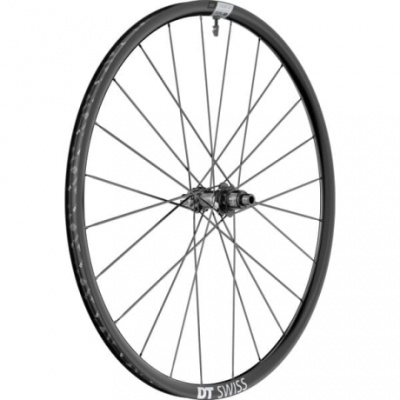
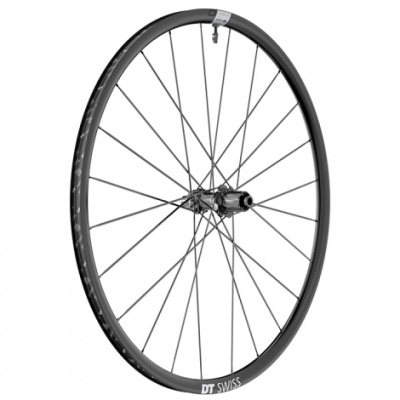
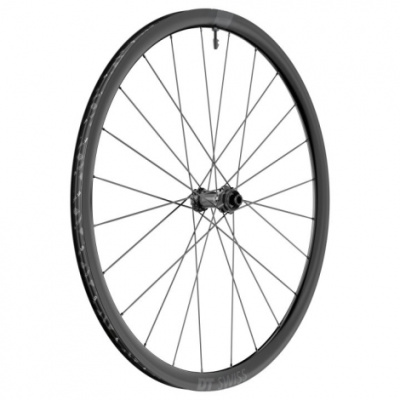
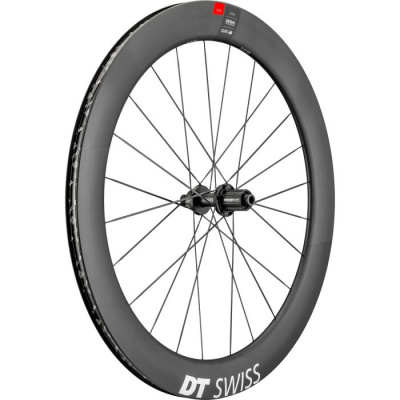
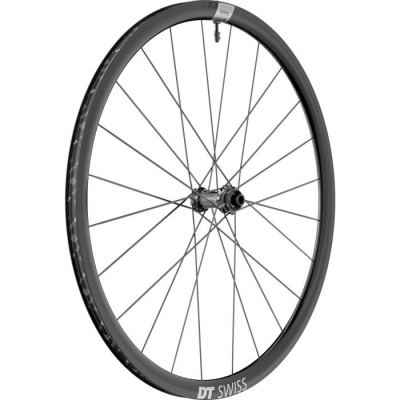
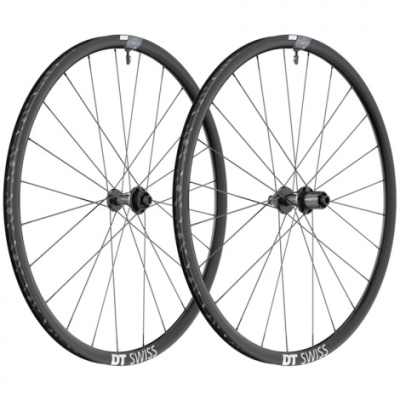
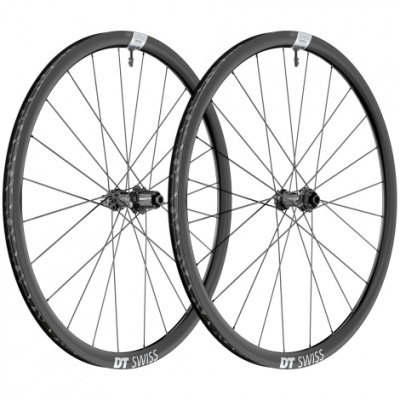
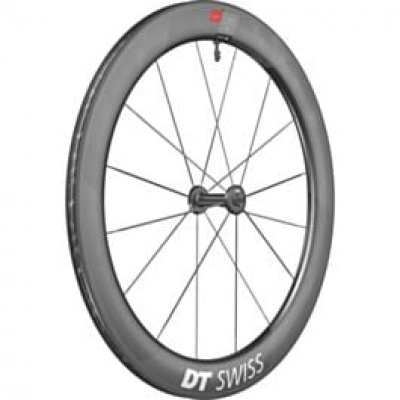
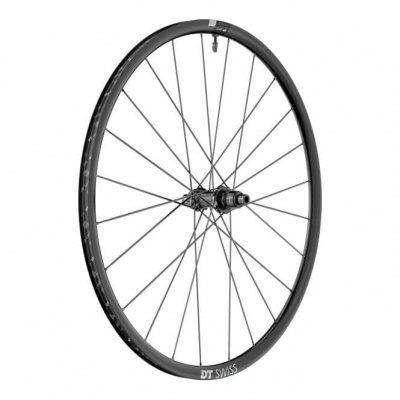
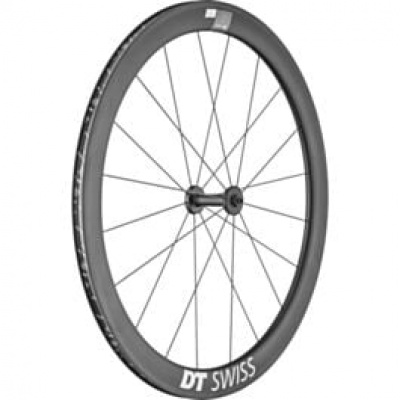
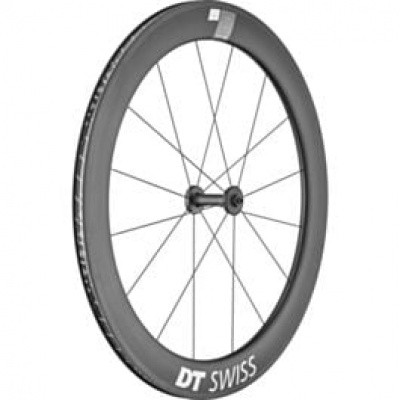
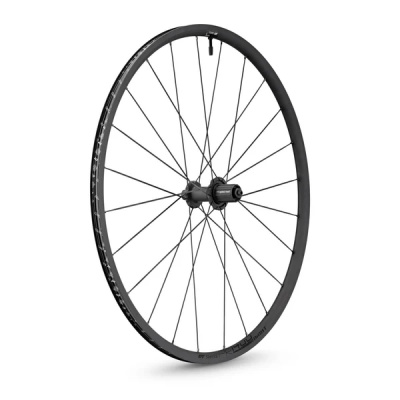
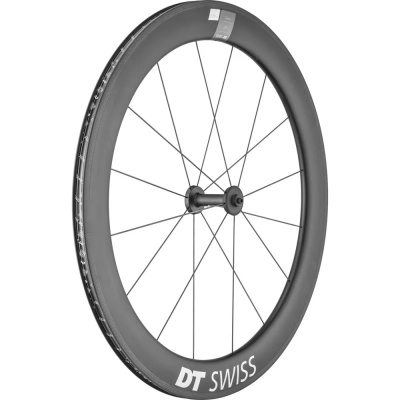
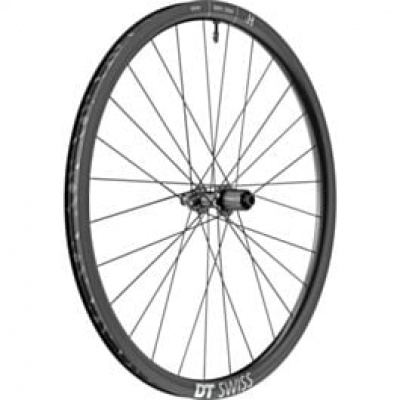
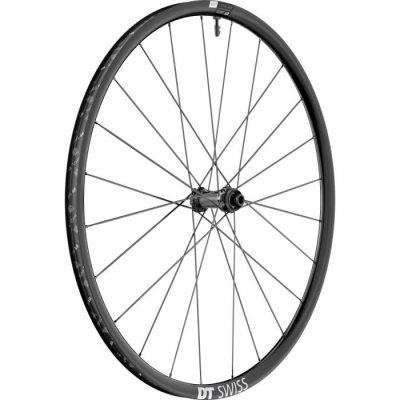
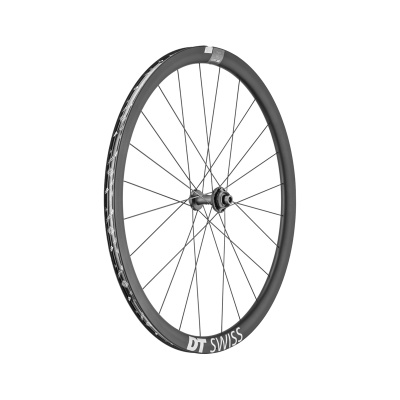
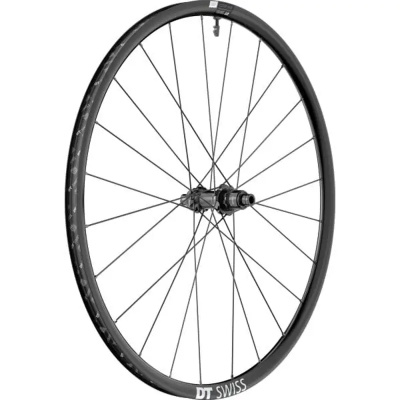
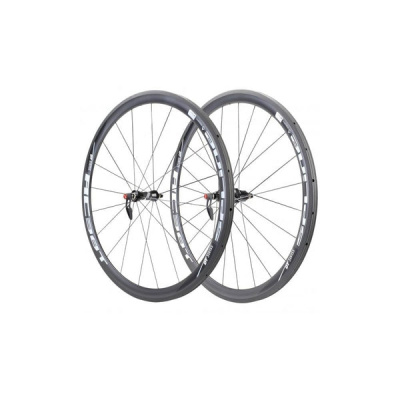
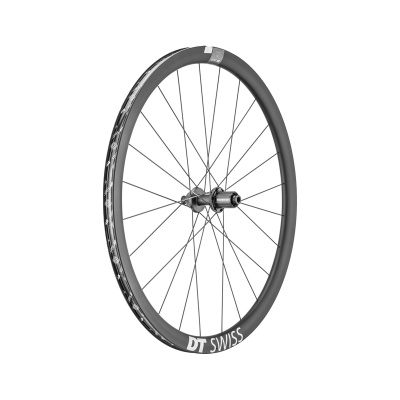
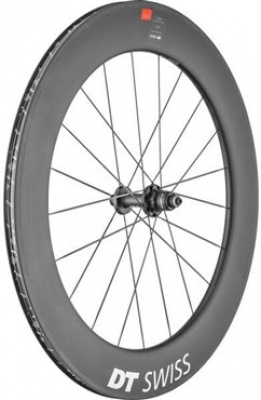
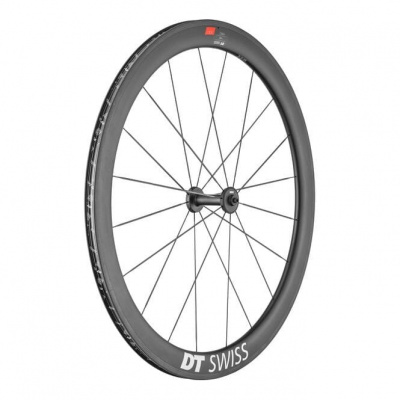
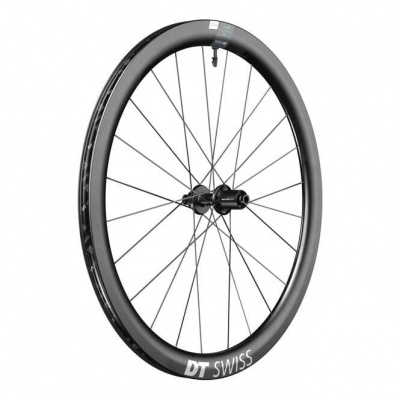
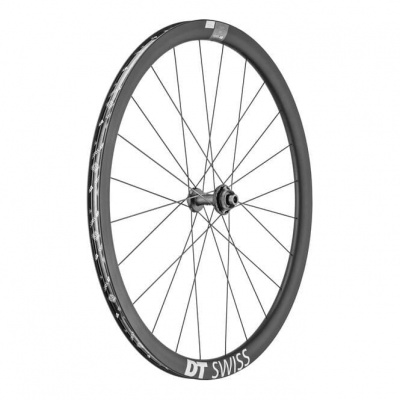
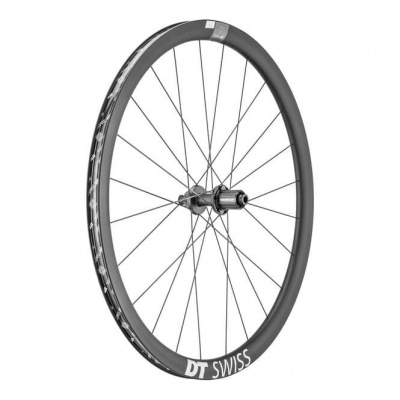
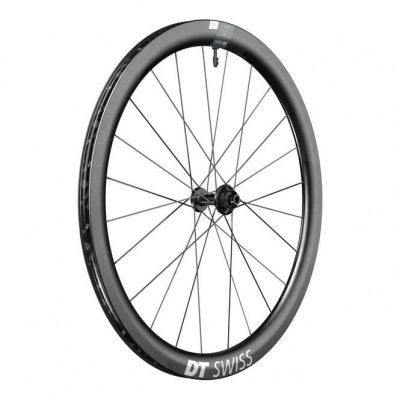
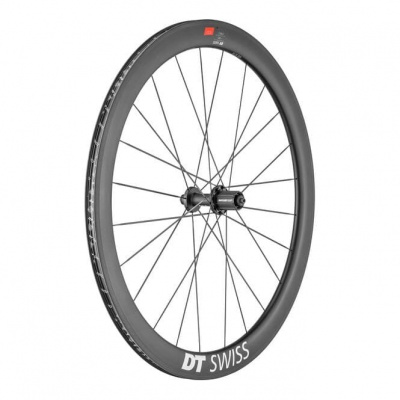
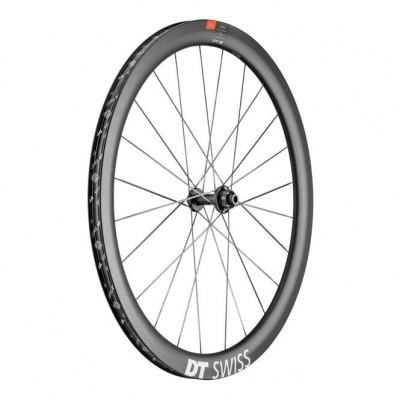
DT Swiss road wheels have spent decades earning a reputation that goes well beyond marketing copy - these are the wheelsets that mechanics trust, racers choose, and club riders refuse to swap out. Whether you're after a set of robust alloy hoops to take a hammering through winter grit and potholed B-roads, or a pair of deep-section AERO+ carbon rims developed alongside Swiss Side for serious race days, DT Swiss covers the full spectrum without compromise. The hub technology is where things get genuinely interesting. The Ratchet and Ratchet EXP systems offer tool-free access, fast engagement, and a design simple enough to service in your kitchen - which matters more than you'd think when British weather has been at the bearings all winter. Every modern wheelset in the range is tubeless ready, disc brake compatible, and built around thru-axle standards that match current road geometry. Filter below by brake type, rim depth, and performance tier. Whether you're hunting DT Swiss carbon road wheels for the sportive season or a reliable training set that won't let you down mid-February, you'll find the right option here.
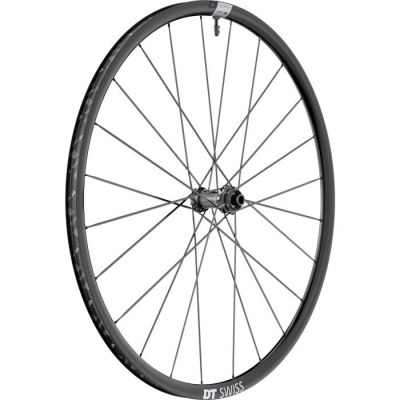
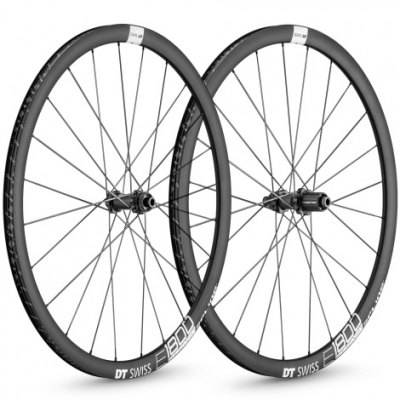
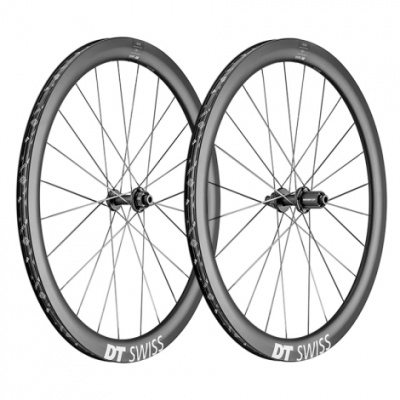
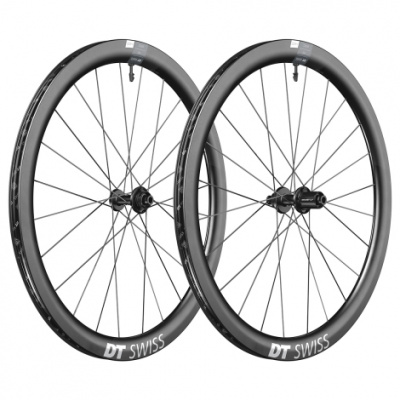
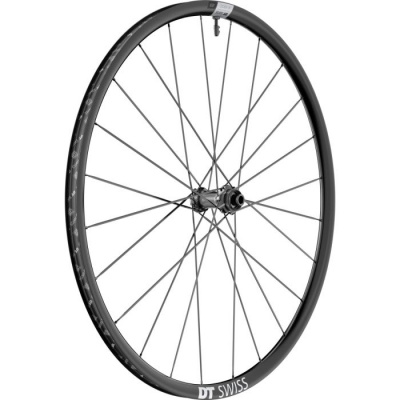
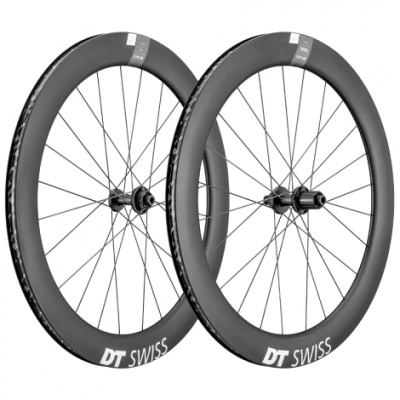
Prices and availability can change quickly. Delivery charges are not always included in listed prices.
Final price, stock status and delivery terms are set by retailer. We may receive a commission on purchases made.
Axle Standards, Rotor Mounts, and Freehub Options
Getting the fitment right before you buy saves a lot of faff. Modern DT Swiss road wheels are built around thru-axle standards - 12x100mm at the front and 12x142mm at the rear - which is what the vast majority of disc brake road bikes produced in the last five years use. If you're running an older frame with quick-release dropouts, you'll need to check compatibility carefully, as most current DT Swiss disc road wheels don't offer QR variants in their higher tiers.
Rotor mounting is almost exclusively Centerlock across the DT Swiss road range. That's the splined interface standard rather than the six-bolt pattern you'll find on some other brands. Centerlock is generally quicker to swap rotors and keeps things tidier at the hub, but you'll need a Centerlock lockring tool if you don't already have one. An adapter lets you run six-bolt rotors if needed, though most riders just go native.
Freehub body compatibility covers the three main drivetrain families: Shimano HG (including 11-speed), SRAM XDR for 12-speed SRAM groupsets, and Campagnolo's N3W standard for their 12-speed systems. Bodies are interchangeable, which is one of the practical strengths of the DT Swiss platform - you're not locked into one drivetrain forever. For replacement freehub bodies and spares, head to the dedicated category rather than trying to cross-reference here; the options vary by hub generation and it's worth getting the exact match.
Making Sense of the Model Range
DT Swiss uses a naming system that's logical once you know the key. Three letters tell you the wheel's character; four numbers tell you where it sits in the hierarchy.
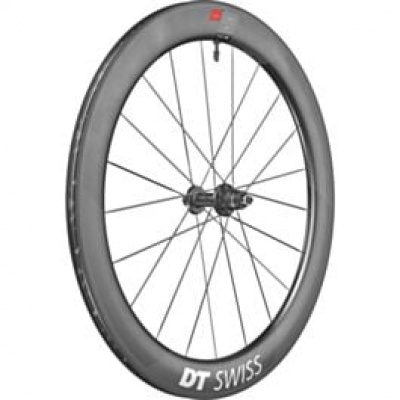
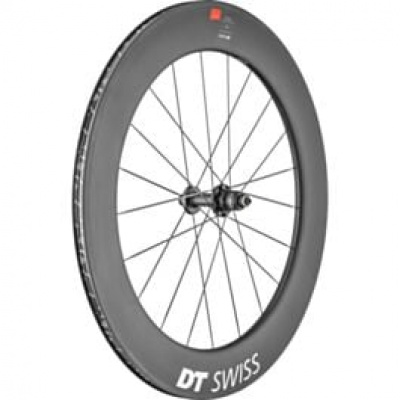
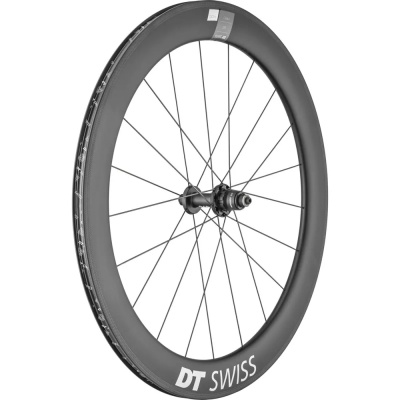
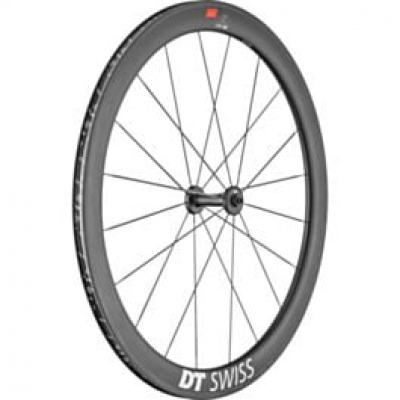
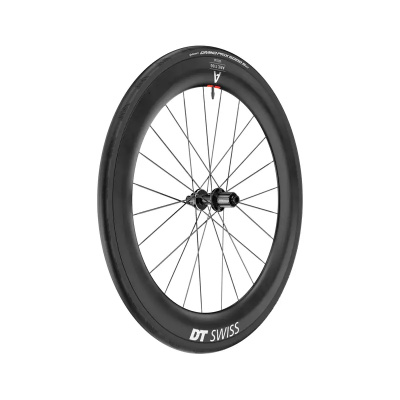
The letter codes break down like this: ARC is Aero Road Carbon - deep-section rims optimised for speed, where AERO+ technology (developed in partnership with Swiss Side) shapes the rim profile using computational fluid dynamics rather than gut instinct. PRC is Performance Road Carbon - lighter, shallower, aimed at climbing and mixed-terrain riding where you want less weight and more crosswind stability. ERC is Endurance Road Carbon - wider internal widths, designed to run 28c to 32c tyres at lower pressures, which is exactly what broken-up British B-roads call for. Comparing DT Swiss ERC vs PRC wheelsets really comes down to your typical ride: if your routes are punchy and hilly, PRC makes sense; if they're long, rough, and variable, ERC is the more honest choice.
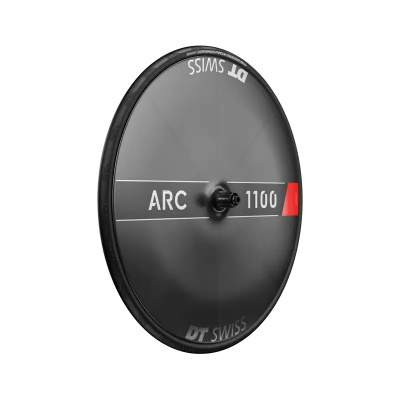
The numerical tiers work top to bottom. 1100 DICUT sits at the peak - these hubs use SINC ceramic bearings and the full Ratchet EXP freehub system, which reduces the component count versus the standard Ratchet while improving reliability and engagement speed. If you're comparing against something like ENVE road wheels, the 1100 series is where DT Swiss plays at that level. The 1400 tier steps down to steel bearings but retains 240-series hubs - genuinely excellent, and where most serious club riders land. The 1600 uses 350-series hubs, still running the Ratchet system, and represents strong value at the mid-range. The 1800 brings in alloy rims and 370-series hubs - these are the winter trainers and daily workhorses, and they're built to take punishment rather than impress on paper.
DICUT and SPLINE describe the hub and spoke interface, not just aesthetics. DICUT hubs are aerodynamically optimised with a diamond-cut finish and use proprietary nail-head spokes that reduce drag at the hub flange. SPLINE hubs use straight-pull spokes - easier to source, straightforward to replace, and offering an excellent balance of stiffness and weight without chasing marginal aero gains. For most non-racing use, SPLINE is the practical pick. Brands like Fulcrum road wheels and Mavic road wheels compete in this space, but neither matches the depth of DT Swiss's hub serviceability story.
Keeping Them Running Through a UK Winter
British riding is not kind to wheel bearings. Grit, standing water, salt, and mud find their way into everything, and a sealed system that can't be easily accessed just quietly deteriorates. DT Swiss thought about this. The Ratchet and Ratchet EXP freehub designs are tool-free - you pull the freehub body off by hand, clean the star ratchets, apply fresh grease, and reassemble. Ten minutes, no special equipment, no excuses for neglect.
For the best DT Swiss wheels for UK winter riding, the ERC and 1800 alloy lines are the sensible starting point. Their wider internal rim widths - typically 21mm or more internally - let you run a 28c or 32c tyre at 60 - 70psi rather than pumping a skinny rim up to 100psi and hoping for the best on a cracked B-road. That wider setup absorbs more road noise, reduces the chance of pinch damage, and gives you more contact patch on wet tarmac. All current DT Swiss road wheels are tubeless ready from the factory, which pairs well with a lower-pressure, wider setup - sealant handles the small punctures you'd otherwise be standing in a hedge fixing.
For ongoing maintenance, the components you'll come back to regularly are bearings, rim tape, spokes, and tubeless valves. Rather than dig into each here, we've got dedicated pages for all of them: DT Swiss bearings, DT Swiss rim tape, DT Swiss spokes and nipples, and DT Swiss tubeless valves - all stocked and searchable by model. If you want a wheel bag to keep your race set protected between events, the DT Swiss wheel bags range is worth a look too. Hope road wheels are another strong UK-made option if you want something built specifically with our conditions in mind, though DT Swiss's parts availability is hard to argue with at any level.
DT Swiss Road Wheels FAQs
What is the difference between DT Swiss DICUT and SPLINE?
DICUT hubs are DT Swiss's aerodynamically optimised design, using proprietary nail-head spokes to reduce drag at the flange - they sit at the top of the range. SPLINE hubs use standard straight-pull spokes, which are easier to source and replace, and offer a very strong stiffness-to-weight balance. For racing, DICUT; for everything else, SPLINE is the more practical and cost-effective choice.
Are DT Swiss road wheels tubeless ready?
Yes. All current DT Swiss road wheels leave the factory tubeless ready, pre-taped with high-pressure rim tape and typically supplied with DT Swiss tubeless valves. You'll still need to add your own sealant, but the setup process is straightforward and the rim bed is engineered for a reliable tubeless bead seat.
How often should I service my DT Swiss Ratchet hub?
In UK conditions - regular wet rides, grit, and winter salt - clean and re-grease the Ratchet system every six to twelve months. Use DT Swiss's own red grease for the star ratchets. The freehub body pulls off by hand with no tools, so there's no real barrier to doing this yourself at home on a quiet Sunday.