
Pirelli Road Tyres
Pirelli road tyres sit at a genuinely interesting crossroads: motorsport rubber science translated into cycling, with a line-up that spans flat-out race performance to bombproof winter durability. The flagship P Zero Race is built for riders chasing every watt on summer crits or sportives, leaning on Pirelli's SmartEVO compound - a three-polymer blend that keeps rolling resistance low and cornering grip high. At the other end, the Cinturato Velo is your answer to British B-roads in November: flint, glass, soggy hedge clippings and all. Its SmartNET Silica compound stays pliable when temperatures drop near freezing, so you're not suddenly riding on something that feels like a hockey puck. Both clincher and tubeless-ready (TLR) options are available across the range, covering most modern rim standards. Whether you're speccing a race wheelset or armour-plating a winter training bike, there's a Pirelli that fits the brief. Browse the latest UK deals below and use the guide underneath to work out which tyre actually suits how and where you ride.
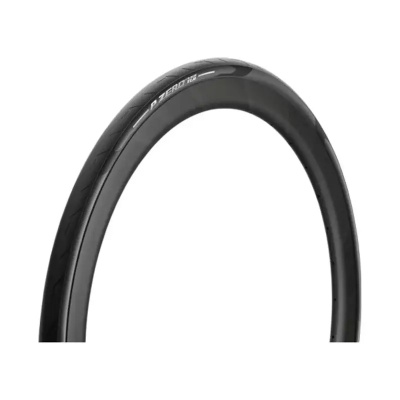
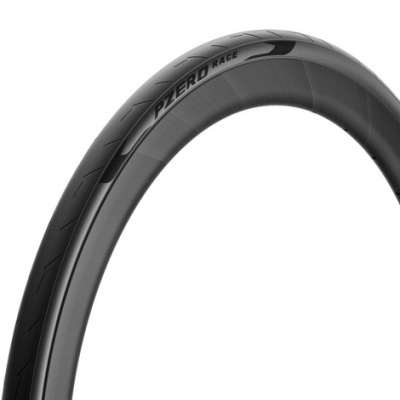
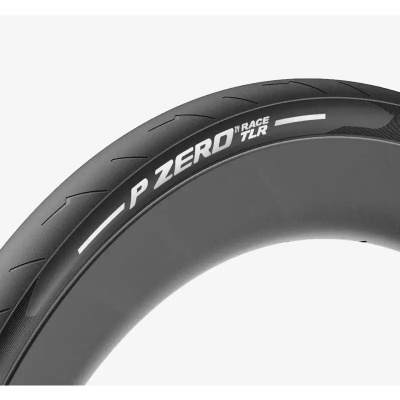
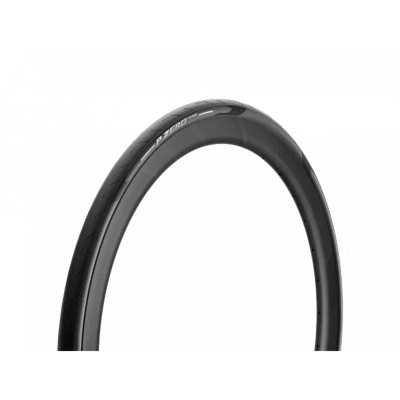
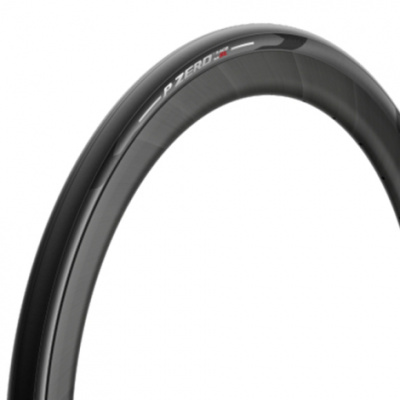
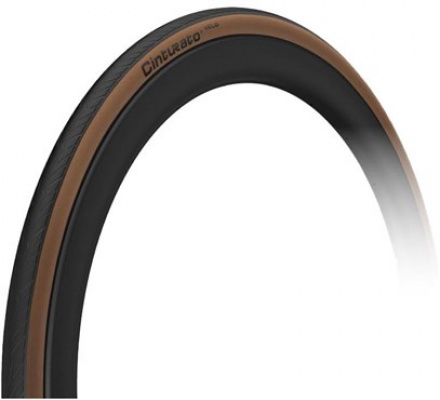
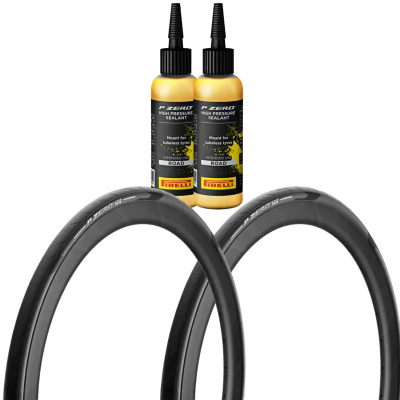
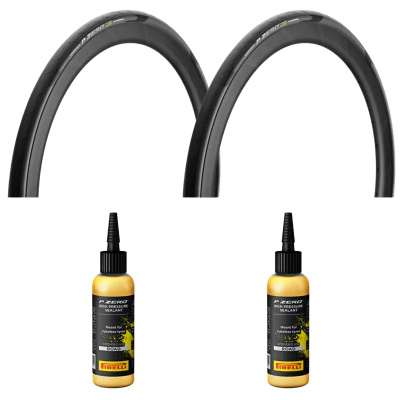
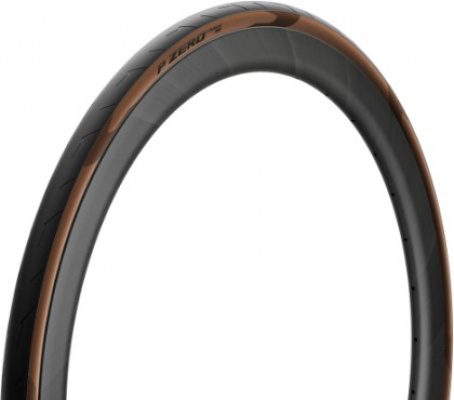
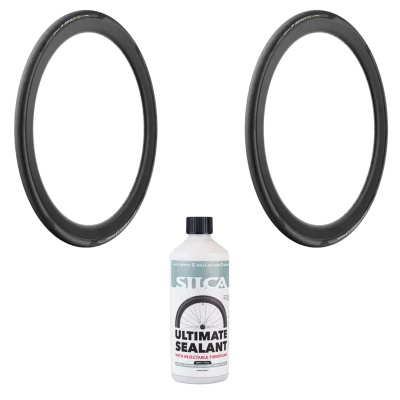
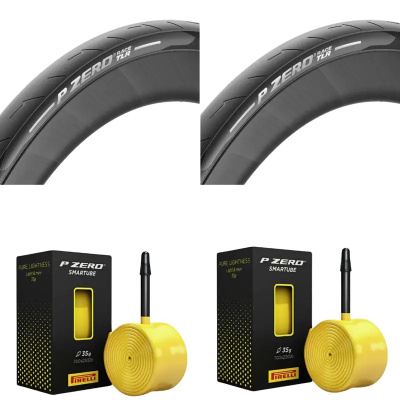
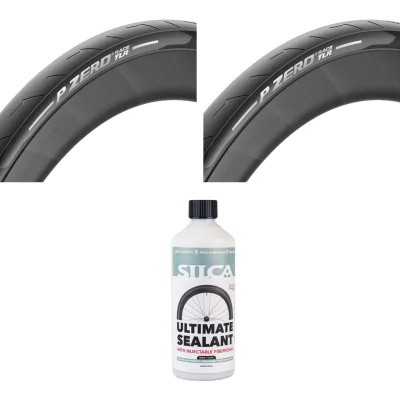
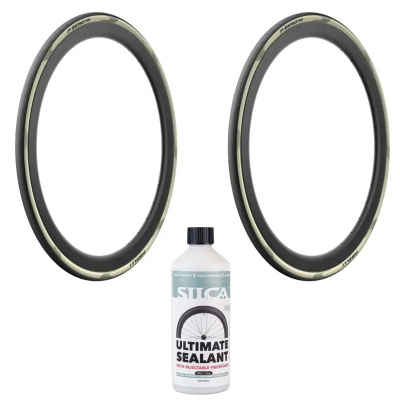
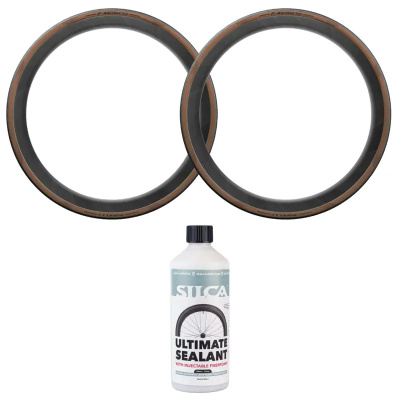
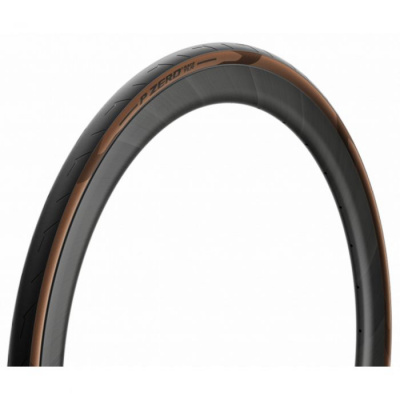
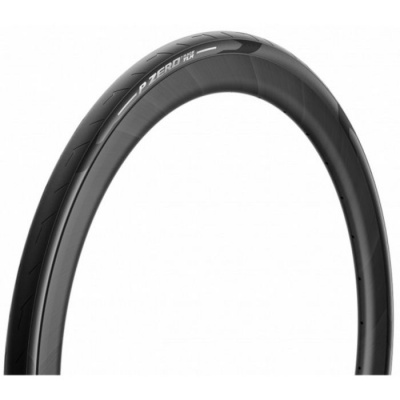
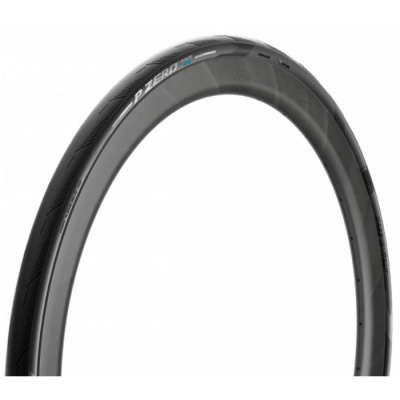
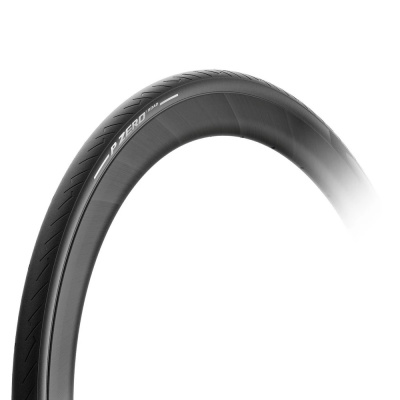
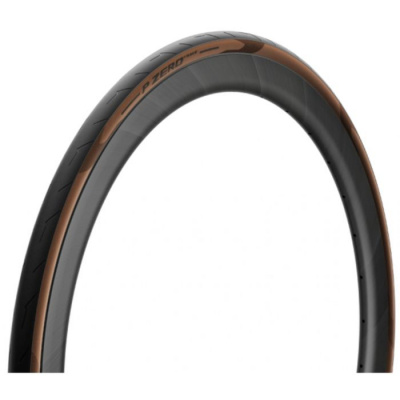
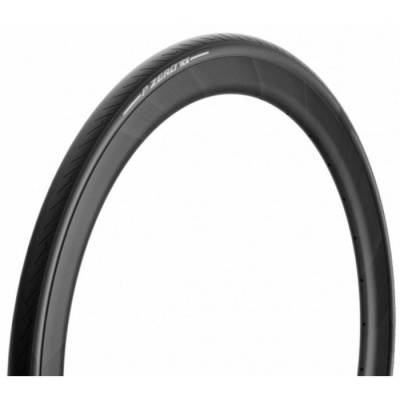
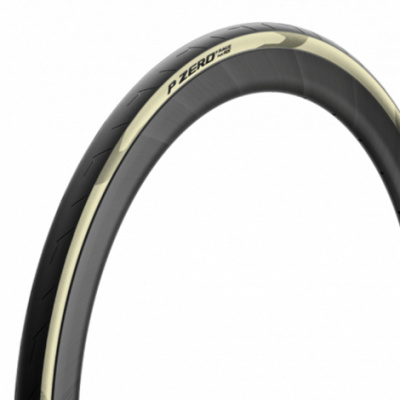
Prices and availability can change quickly. Delivery charges are not always included in listed prices.
Final price, stock status and delivery terms are set by retailer. We may receive a commission on purchases made.
Fitting Pirelli Tyres: ETRTO Standards and Hookless Rims
Modern rim design has moved fast, and it pays to know where your wheels sit before you order. Pirelli follows ETRTO standards across its road range, which means stated tyre widths are measured on a specific internal rim width - typically 17c or 19c. Mount a 28c tyre on a rim with a 21mm internal width and it'll measure closer to 30 - 31mm. That matters for frame clearance, particularly on older bikes with tight fork crowns or chainstay bridges. Worth measuring before you commit to a wider size.
On hookless compatibility: most Pirelli TLR tyres in 28c and above are approved for hookless rims, in line with ETRTO guidelines. The non-negotiable here is pressure. Hookless rims carry a strict maximum of 73psi (5 bar) - go beyond that and you risk a catastrophic bead failure. Pirelli's own hookless-compatible models carry this rating clearly, but double-check the sidewall marking on your specific tyre before inflating. If you're unsure whether your rim is hooked or hookless, look at the inner bead shelf: hooked rims have a small ridge; hookless rims are a straight wall. Your wheel manufacturer's spec sheet will confirm it definitively.
Riding a classic or pro-level tubular wheelset? Head over to our dedicated Pirelli Tubulars page for glue-on race rubber - the guidance here covers clincher and TLR only.
The Pirelli Road Range: Matching the Tyre to the Ride
Pirelli's road line-up is a proper hierarchy, not just badge-shuffling. Each tier makes clear engineering trade-offs, and understanding them saves you from buying a race tyre for a winter commute - or vice versa.
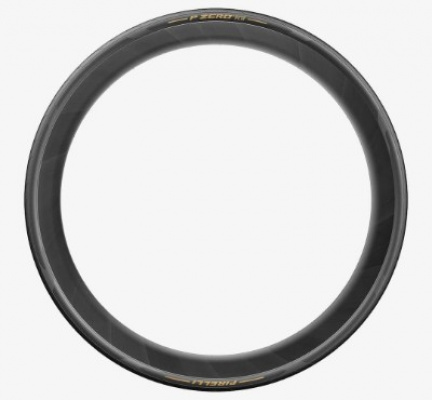
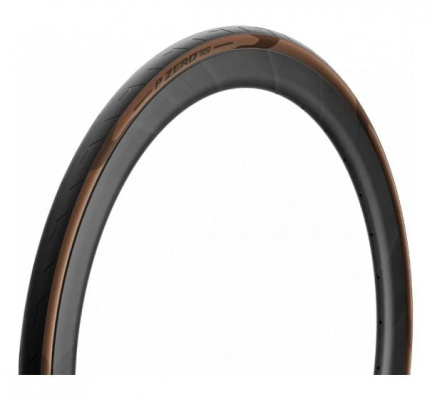
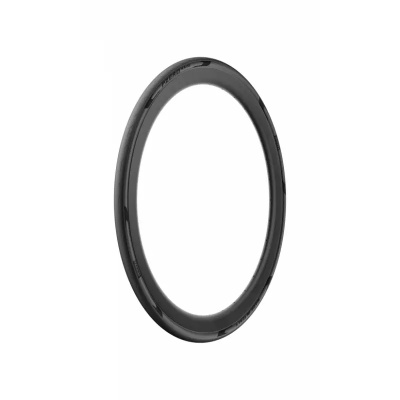
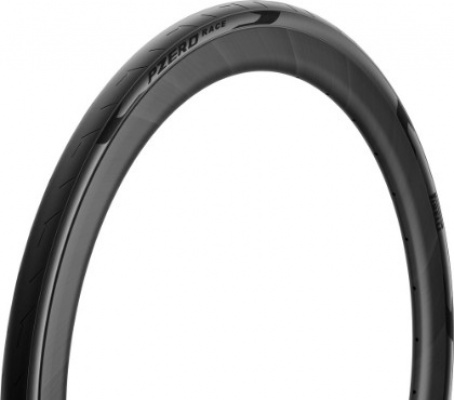
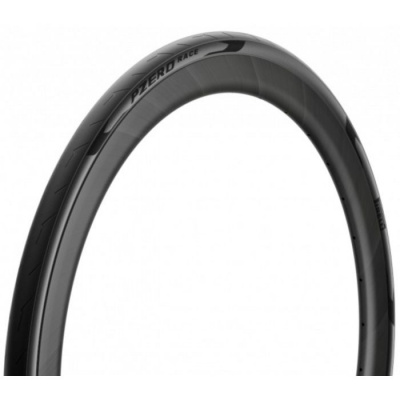
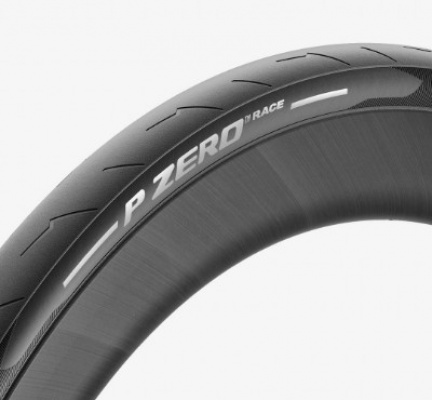
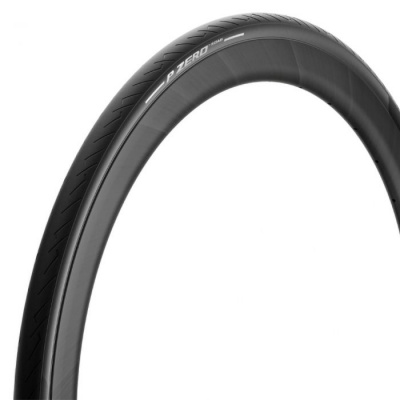
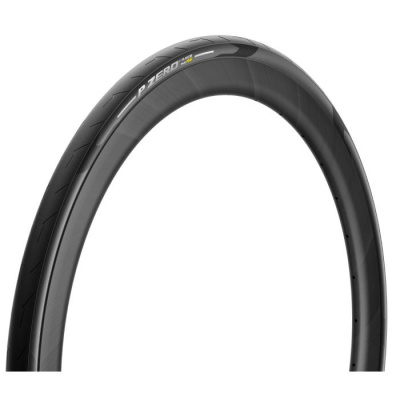
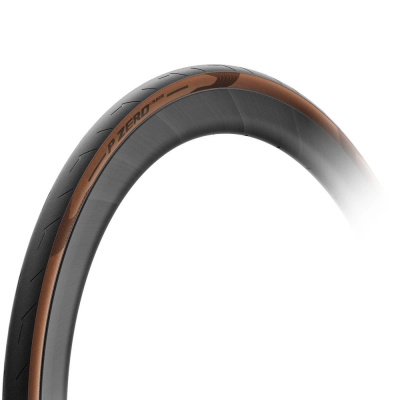
The P Zero Race is the top of the stack. It runs a 120 TPI casing - that's a very fine, supple weave that conforms to road texture and rolls with minimal energy loss. The SmartEVO compound layers three different polymers across the tread and sidewall, optimising grip at the contact patch while reducing hysteresis (the energy lost as heat in the rubber). The result is a tyre that feels fast and lively underfoot, with the kind of cornering confidence you'd expect from something developed with Pirelli's motorsport division in the background. It's a tyre for good days: summer sportives, club races, dry training rides where you want to feel every bit of the road. If you're comparing options, Continental road tyres like the GP5000 sit in the same bracket - the choice often comes down to compound feel and what your wallet says on the day.
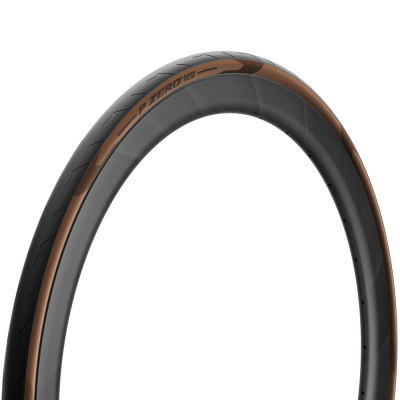
Step down to the P Zero Road and you get a slightly thicker tread layer and a more forgiving compound. Rolling resistance ticks up marginally, but longevity improves noticeably. This is the all-rounder: good enough for a fast club run, durable enough for regular training miles through spring and autumn. Think of it as the tyre you leave on the bike rather than swapping out for race day.
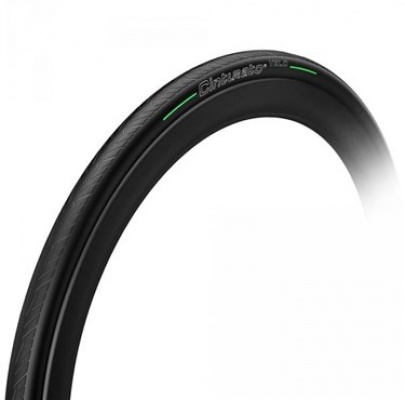
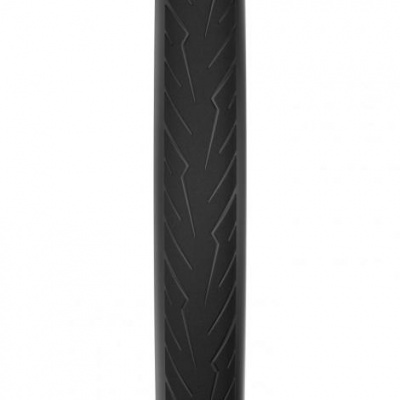
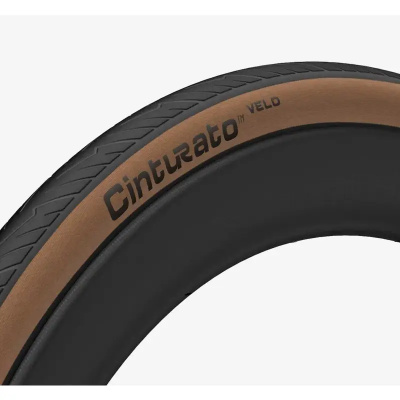
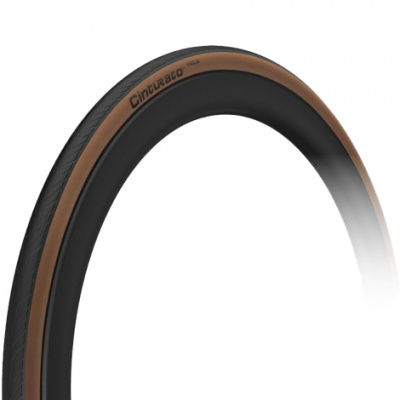
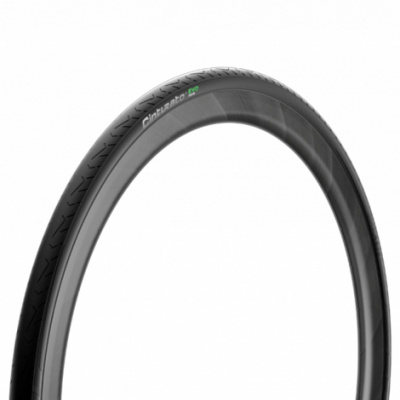
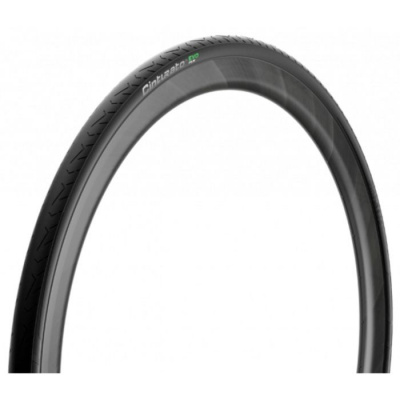
The Cinturato Velo is built for a different brief entirely. It uses Pirelli's TechWALL+ casing architecture - an additional protective layer woven into the sidewall and beneath the tread - to resist the kind of sharp debris that's endemic to wet UK lanes. SmartNET Silica is the compound here, and it's specifically engineered to stay mechanically grippy when the temperature drops. Cold, greasy tarmac is where standard silica compounds start to harden and lose bite; SmartNET resists that. For anyone riding through a British winter - think Somerset lanes after overnight frost, or the gritty back roads around the Peak District in January - it's a meaningfully better choice than a summer-spec tyre pressed into service out of stubbornness. Vittoria road tyres and Michelin road tyres both offer comparable all-weather options worth comparing if you're weighing up the Cinturato Velo against the broader market.
Getting Through a UK Winter: Durability and Tubeless Setup
The Cinturato Velo's Armour Tech construction genuinely earns its keep on British roads. Flint is the particular menace - it fractures into razor edges and sits on wet tarmac like it's waiting for you. The reinforced casing disperses that impact load across a wider area rather than concentrating it at one point in the tread. It won't stop everything, but it dramatically reduces the frequency of cuts that propagate into actual punctures. Hedge trimming season (autumn into early winter, if your local council is prompt about it) adds another layer of debris to manage. The Cinturato's thicker construction handles this better than a lightweight race tyre would; the trade-off is a small weight penalty and a slightly firmer ride feel, which most riders find entirely acceptable when the alternative is fixing a puncture in the dark.
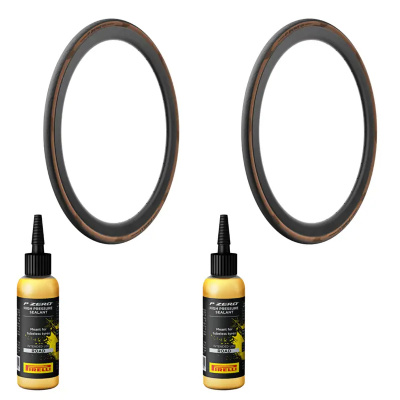
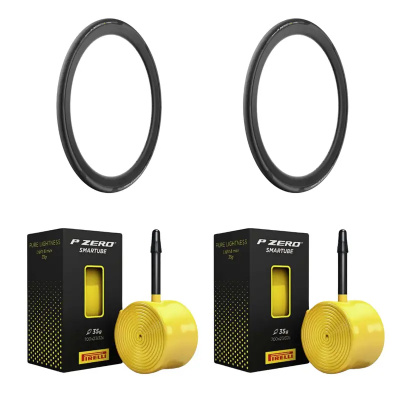
For tubeless setups, Pirelli TLR tyres seat reliably, but they do benefit from a high-volume track pump or a compressor. A standard floor pump can work - pump the tyre to about 40psi first without sealant to seat the bead, then deflate, add sealant, and re-inflate properly. Using Pirelli's own sealant is worth doing: it's formulated to work with their specific rubber compounds, and chemical compatibility matters for long-term bead sealing. Check sealant levels every three to four months - UK temperature swings from summer to winter accelerate evaporation, and dried-out sealant in a TLR tyre is just a puncture waiting to happen. You'll also want the right valve hardware; Pirelli tubeless valves are designed to the correct length for most road rim depths and include a removable core for easy sealant top-ups. If you're running clinchers rather than going tubeless, Pirelli inner tubes are made to the same dimensional tolerances as the tyres, which helps avoid fitment issues with tighter-casing models like the P Zero Race.
Pirelli Road Tyres FAQs
Are Pirelli P Zero road tyres hookless compatible?
Most Pirelli P Zero Race TLR tyres in 28c and above are hookless compatible, built to ETRTO standards. The firm rule is a maximum of 73psi (5 bar) on hookless rims - no exceptions. Check the sidewall marking on your specific tyre and confirm your rim's maximum pressure rating before inflating.
How many miles do Pirelli road tyres last?
The P Zero Race typically covers 2,500 to 3,000 miles before the tread wears through, though rider weight, road surface, and tyre pressure all shift that figure. The Cinturato Velo's heavier construction pushes durability well past 4,000 miles, making it the more sensible pick for high-mileage winter training.
Which Pirelli tyre is best for UK winter riding?
The Cinturato Velo. Its TechWALL+ casing resists the flint and grit that characterise British winter B-roads, while the SmartNET Silica compound stays grippy on cold, wet tarmac rather than hardening off. It's a straightforward call for anyone riding regularly between October and March.