
Goodyear MTB Tyres
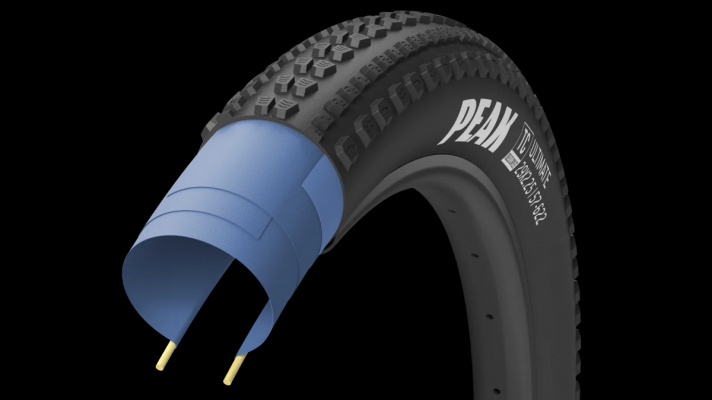
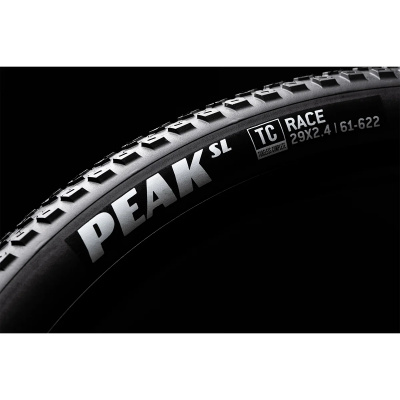
Goodyear MTB tyres have come back swinging - and the gravity-focused lineup they've built is genuinely worth your attention. Gone are the days of Goodyear being a car tyre brand with a side hustle in cycling. The current mountain bike range is built around Tubeless Complete technology, a proprietary bead and casing design that seats securely and holds air better than most standard tubeless-ready options. Less messing about with a floor pump in the cold. More riding.
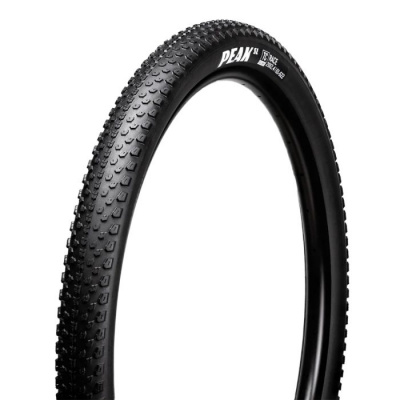
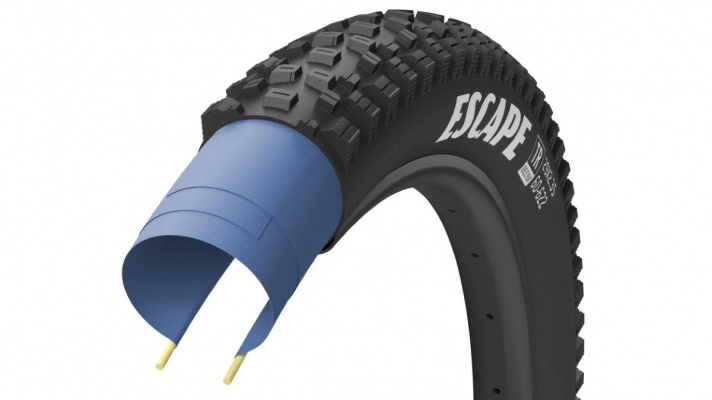
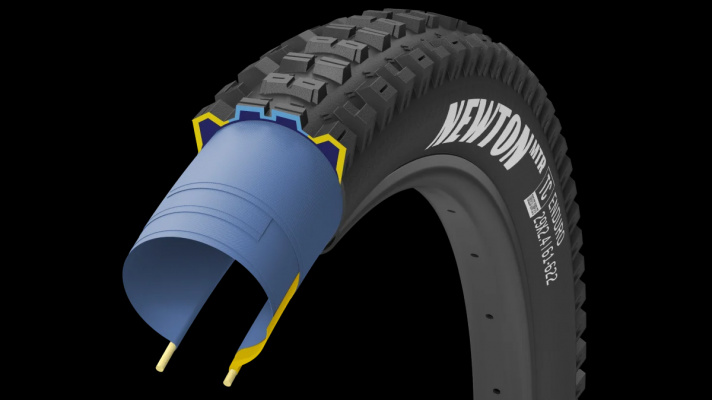
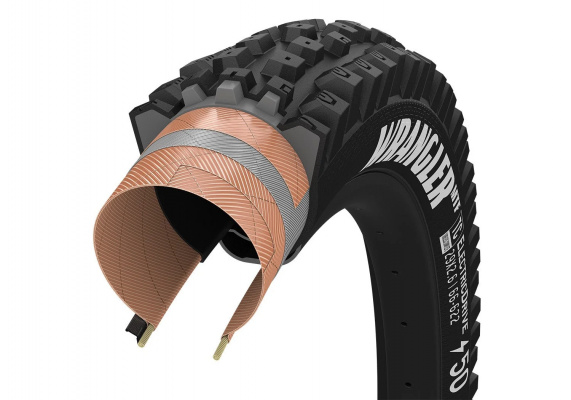
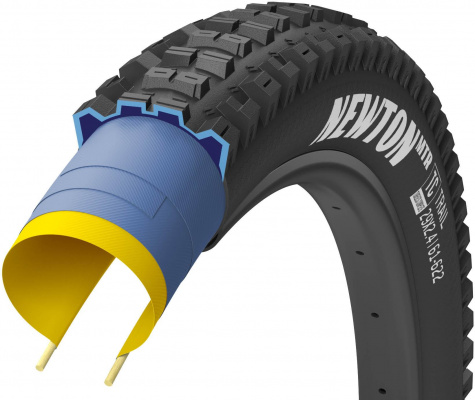
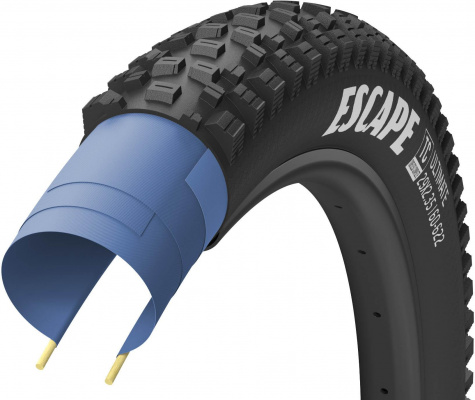
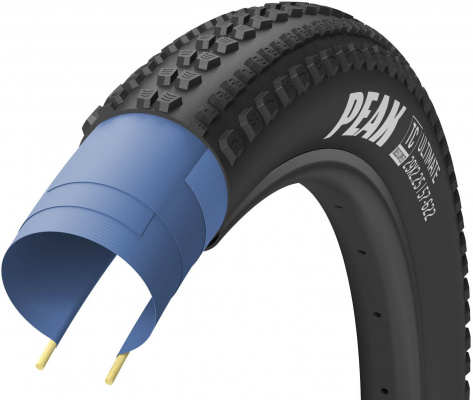
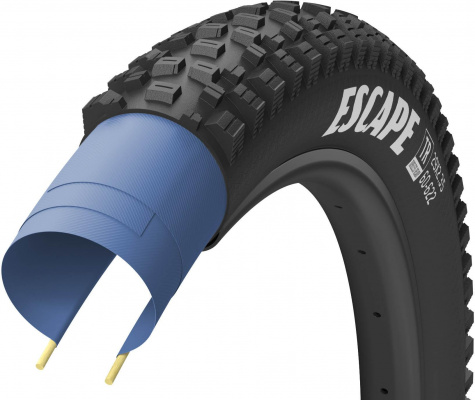
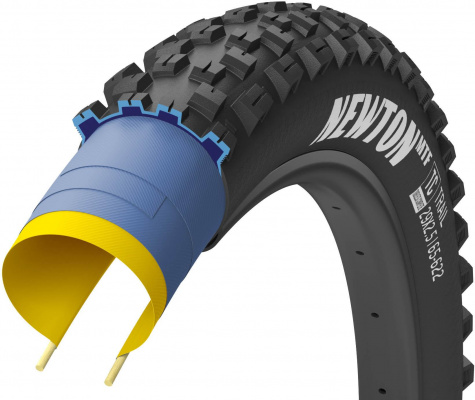
What makes the range particularly well-suited to UK conditions is the tiered casing system. M:Wall keeps things light for trail use, EN:Wall steps up the sidewall protection for enduro and rougher riding, and DH:Wall is there when you're regularly tangling with sharp slate or loose rock - think the Brecon Beacons or the Peak District's gritstone edges. Pair that with the choice between Dynamic:Grip2 and Dynamic:Grip3S compounds, and you've got a system that lets you match tyre to conditions rather than just grabbing whatever fits. Browse the Newton series and the Escape below and compare UK prices across the full range.
Prices and availability can change quickly. Delivery charges are not always included in listed prices.
Final price, stock status and delivery terms are set by retailer. We may receive a commission on purchases made.
Rim Compatibility and Getting That Bead to Pop
Goodyear's current MTB tyres are optimised for rims with an internal width of around 30mm - the modern standard that most trail and enduro wheelsets have settled on. Running them on older, narrower rims (say, 25mm internal) isn't catastrophic, but you'll lose some of the tread's intended profile and the cornering knobs won't load quite as cleanly. Worth checking before you buy.
The Tubeless Complete system uses a dual-angle bead design that grips the rim shelf firmly once seated - which is excellent news for air retention mid-ride, but means the initial setup can require a bit of force. A track pump alone sometimes won't shift it. A high-volume blast from a floor pump with a large chamber, or a quick shot from a CO2 inflator, is usually what gets the bead to pop onto the rim shoulder. Keep a decent pair of tyre levers handy for the first fit; this bead isn't the kind that slides on by hand. Once it's seated and sealant is sloshed around, it stays put. That's the trade-off, and most riders find it a fair one.
If you're running Maxxis MTB tyres currently, you'll notice the Goodyear bead behaves a little differently - more positive engagement, less wriggle room during fitting. Factor in five extra minutes for your first tubeless setup.
Newton vs Escape: Which Tyre for Which Ride
The Newton range is Goodyear's gravity-focused workhorse, and it's split into front and rear-specific designs for good reason. The Newton MTF (Mountain Front) runs a rounded profile with elongated, angled knobs - the shape prioritises steering precision and cornering grip, giving you confidence on off-camber lines where the front wheel has to commit. The Newton MTR (Mountain Rear) is a different beast: squarer profile, blockier centre knobs, designed to dig in under braking and transfer power efficiently when you're driving out of corners. Running an MTF on the back or an MTR on the front defeats the point. Front-rear pairing is the move.
Compound choice sits on top of that. Dynamic:Grip2 is the dual-compound option - faster rolling, longer lasting, and well-suited to mixed-condition trail riding where you're not always in full gravity mode. Dynamic:Grip3S is a downhill-specific ultra-soft triple compound; it damps vibration noticeably, grips wet roots like it means it, and feels planted on off-camber loam. On a cold, greasy winter ride in the Forest of Dean or on the steeper descents at Glentress, the Grip3S is the compound you want. It does wear faster on abrasive hardpack, so if your local trails are more dusty summer singletrack than winter slop, Grip2 is the more sensible daily driver.
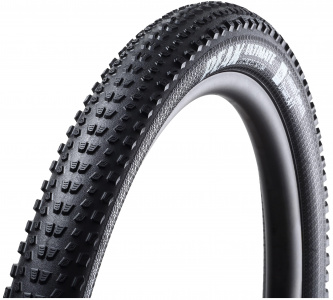
The Escape sits at the other end of the range - lighter, faster rolling, and aimed at trail and downcountry riding where you're pedalling as much as you're descending. If you're comparing options at this end of the spectrum, Continental MTB tyres like the Race King or CrossKing occupy similar ground and are worth stacking up against the Escape on rolling resistance figures. The Escape won't have the braking bite of the Newton MTR, but it'll reward you over longer, pedally days.
Goodyear also produce gravel and cyclocross tyres that share some of the same compound thinking, so if you're running a mullet setup or a dedicated gravel bike alongside your mountain bike, there's a coherent family logic to the range.
How Goodyear's Compounds Hold Up in UK Conditions
British riding is hard on tyres. Wet grit, compacted clay, flint edges, and the kind of rocky choke points that appear out of nowhere on a South Wales descent - it all adds up. The M:Wall casing is the lightest option and fine for smoother trail centre riding, but if you're heading somewhere with genuine consequence - sharp quartzite in Snowdonia, for example - you'll want to step up. EN:Wall is dual-ply at 120 TPI, which gives you a noticeably more robust sidewall without the dead, sluggish feel of a full DH tyre. Most UK enduro riders will find EN:Wall the most versatile choice. DH:Wall is there for race days, bike park laps, or anywhere that pinch flats are a genuine threat on almost every run.
On compound longevity: the Grip3S compound on the Newton MTF will start showing wear on the centre knobs if you're riding it regularly on trail centre hardpack or dry summer loam. It's not designed for that use - it's a wet-weather, high-grip compound, and treating it as your year-round front tyre will have you replacing it sooner than you'd like. Rotate to Grip2 for the summer months and keep Grip3S for when the trails are properly filthy. That's a reasonable way to manage the cost across a season.
Tubeless sealant management is slightly different with the Tubeless Complete casing. Because the casing material is less porous than some standard tubeless-ready options, it absorbs less sealant initially - which means you don't need to over-fill on first setup, but you should still check levels every six to eight weeks. UK autumn and winter riding, with all the thorn hedges and grit, will stress-test any sealant. Topping up before a big trip is just good practice. If you're also running Michelin MTB tyres on another bike, you'll notice similar sealant behaviour with their tubeless-ready casings - the Goodyear isn't dramatically different in maintenance terms, just slightly more efficient at holding what you put in.
For riders who want to see how Goodyear's thinking translates off the mountain, their road tyres use related compound philosophy - useful context if you're curious about the brand's broader range.
Goodyear MTB Tyres FAQs
Are Goodyear MTB tyres tubeless ready?
Yes. Most of the mountain bike range uses Goodyear's Tubeless Complete technology - a dual-angle bead with a multi-compound casing designed for a secure rim seat and strong air retention. It holds sealant efficiently and, once set up, is reliable under hard riding. The trade-off is that the initial bead seating can need a high-volume air blast to pop onto the rim properly.
What is the difference between Goodyear Newton MTF and MTR?
The MTF (Mountain Front) has a rounded profile with elongated knobs tuned for steering control and cornering bite - it's the front-specific tyre. The MTR (Mountain Rear) runs a squarer profile with blockier centre knobs built for braking traction and drive. They're designed to work as a pair; mixing them on the wrong ends loses most of the benefit.
Which Goodyear casing is best for UK enduro riding?
EN:Wall is the practical choice for most UK enduro riding - dual-ply at 120 TPI, it handles sharp flint and slate edges without the weight penalty of the full DH:Wall casing. If you're regularly riding exceptionally rocky ground, like the Lake District or Fort William, DH:Wall is worth the extra weight for the added peace of mind on long descents.