
Giro Jackets
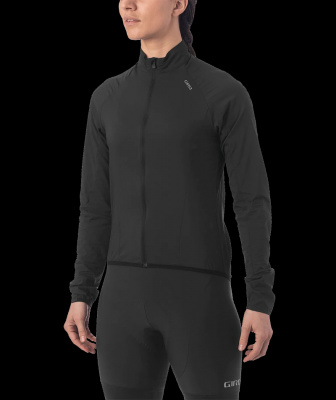
Giro Cycling Jackets split into two distinct camps, and knowing which one you need saves a lot of faff. The Chrono line is built for road riders chasing speed - close-fitting, aerodynamic cuts designed to work in the drops with jersey pockets and race-day layering. The Havoc and Stow families, meanwhile, are trail-ready shells with articulated fit and room for baggy shorts and pads underneath. Both ranges lean hard on the Renew Series, Giro's commitment to recycled nylon and polyester that doesn't compromise on windproofing or breathability. You'll find Pertex Quantum wind shells that pack down into a jersey pocket, Polartec Alpha insulation for deep winter rides, and DWR coatings that shed drizzle without turning into a sweat lodge. Whether you're commuting through Edinburgh's November squalls or threading singletrack in the Quantocks, Giro's jacket lineup offers packable wind protection and active insulation without the weight penalty. It's technical kit that works across disciplines, as long as you pick the right silhouette for your riding position.
Prices and availability can change quickly. Delivery charges are not always included in listed prices.
Final price, stock status and delivery terms are set by retailer. We may receive a commission on purchases made.
Engineering the Elements: Fabric Technology
Giro leans on partnerships with Polartec and Pertex to deliver fabrics that handle British weather without cooking you from the inside. Pertex Quantum is the go-to for packable wind shells - it's a tightly woven nylon that blocks gusts while remaining breathable enough to vent moisture when you're climbing out of the saddle. Think of it as a second skin that stops windchill dead. The DWR coating (Durable Water Repellent) sits on the fabric surface, beading light rain and road spray before it can soak through. It's not a hardshell with taped seams, so sustained downpours will eventually find a way in, but for the typical stop-start drizzle you get on a Lake District loop, it's spot on.
Polartec Alpha insulation is where things get interesting for colder months. Unlike traditional synthetic fill that traps heat indiscriminately, Alpha uses a lofted core structure that self-regulates - dump heat when you're working hard, retain warmth when you ease off. It's designed for high-output activity, so you can wear it through a winter climb without unzipping every five minutes. The moisture vapor transmission rate stays high, meaning sweat escapes rather than condensing against your base layer. Pair that with a hydrostatic head rating that handles wet roads and you've got a jacket that works from November through March without feeling like a compromise.
Road vs. Trail: Chrono vs. Havoc
The Chrono System is Giro's road-specific layering philosophy, and it shows in the cut. These jackets are tailored for an aggressive riding position - longer in the back, snug through the torso, sleeves pre-curved to match your reach to the hoods. If you're used to Castelli jackets or the race fit of Assos, you'll recognise the silhouette. The Chrono line works brilliantly with Giro jerseys and bibs, sitting flush against your kit without flapping or riding up when you're on the drops. It's a European fit, so if you prefer a bit more room or plan to layer a thick merino base underneath, consider sizing up.
Havoc and Stow jackets, by contrast, are built for trail riders who need freedom of movement and compatibility with body armour. The fit is relaxed through the shoulders and chest, with articulated elbows that don't bind when you're weighting the front wheel through a rock garden. These shells are designed to sit over baggy shorts and knee pads without looking like a parachute, and the slightly longer hem keeps spray off your lower back when you're seated. If you're splitting time between the road and gravel, the Stow models offer a middle ground - packable enough to stuff into a frame bag, roomy enough to layer over a long-sleeve jersey. Think of Chrono as your crit-race shell, Havoc as your trail centre workhorse.
Layering Logic: A Seasonal Guide
Knowing when to reach for a wind jacket versus a thermal softshell makes the difference between a comfortable ride and a miserable slog. In the 10°C to 15°C range - typical for a spring morning in the Chilterns or an autumn evening on the Downs - a packable wind shell like the Giro Stow H2O pairs well with a long-sleeve merino base and a lightweight jersey. The DWR coating handles light drizzle, and when the sun breaks through, you can roll it into a jersey pocket without thinking twice. Add Giro gloves and you're sorted.
Drop below 10°C and you'll want Polartec Alpha insulation in the mix. A thermal softshell with active insulation works from 5°C down to freezing, especially if you're riding steady tempo rather than smashing intervals. Layer it over a thermal base and under a gilet if the wind picks up. For deep winter commutes through Scottish sleet or Peak District grit, double up: thermal base, insulated jacket, and a windproof outer if you're static at traffic lights. The key is managing moisture - if you're sweating into a non-breathable shell, you'll chill the moment you stop pedalling. Giro's moisture vapor transmission rate keeps that balance in check, but you still need to adjust vents and zips as effort levels shift.
Are Giro cycling jackets true to size? The Chrono road line follows a European fit - form-fitting and aerodynamic - so if you prefer a looser cut or plan to layer heavily, sizing up is worth considering. The MTB-focused Havoc and Stow lines offer a more relaxed silhouette to accommodate pads and baggies.
The Renew Series: Sustainable Performance
Giro's Renew Series uses recycled nylon and polyester across its jacket range, cutting down on virgin materials without sacrificing windproofing or durability. The fabrics are bluesign® approved, meaning the dyeing and finishing processes meet strict environmental and safety standards. It's not greenwashing - you're getting the same Pertex Quantum wind resistance and DWR performance, just with a lower carbon footprint. The stow-away pocket designs are integrated into the shell itself, so there's no separate stuff sack to lose, and the jackets pack down small enough to fit in a jersey pocket or hip pack.
Recycled materials have come a long way in the last few years. The hand feel and abrasion resistance match virgin nylon, and the environmental payoff is tangible. If you're comparing Giro to brands like Endura or 7mesh, the Renew Series holds its own on technical performance while offering a clearer sustainability story. It's a smart move for riders who want packable wind protection without the guilt.
How do I wash a Giro wind jacket? Use a cool, gentle cycle with a technical detergent designed for sportswear - avoid fabric softeners, which clog breathable membranes. Tumble dry on low heat to reactivate the DWR coating, or hang dry and apply a spray-on DWR treatment if beading starts to fade.
Is the Giro Stow jacket waterproof? The Stow is a windproof barrier with a DWR coating that sheds light rain and road spray. It's highly water-resistant and breathable, but it's not a fully taped-seam hardshell for sustained downpours. Pair it with Giro headwear for extra coverage in changeable conditions.