
Giant Pannier Racks
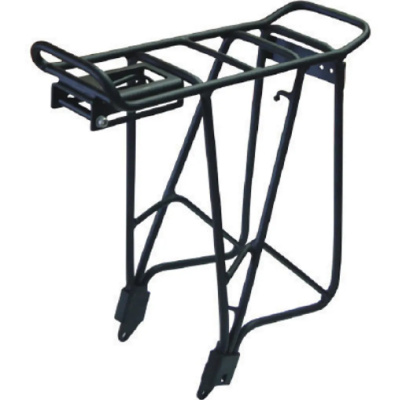
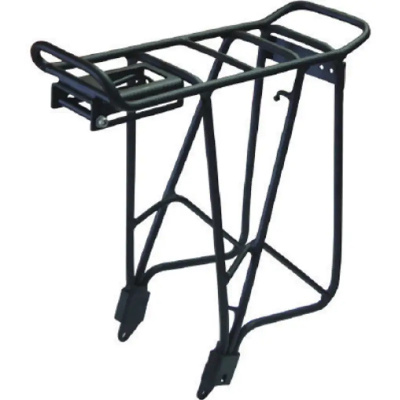
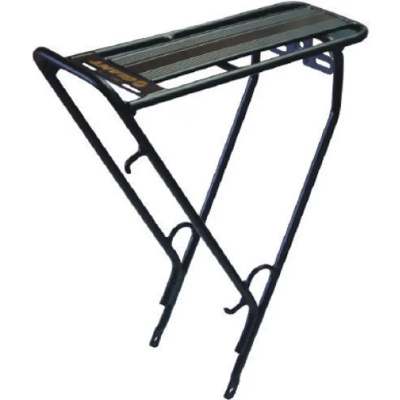
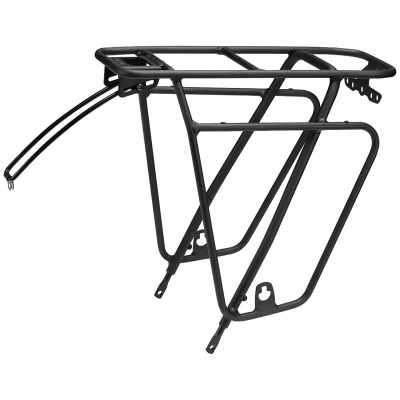
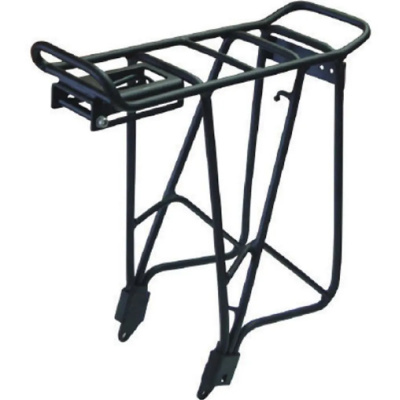
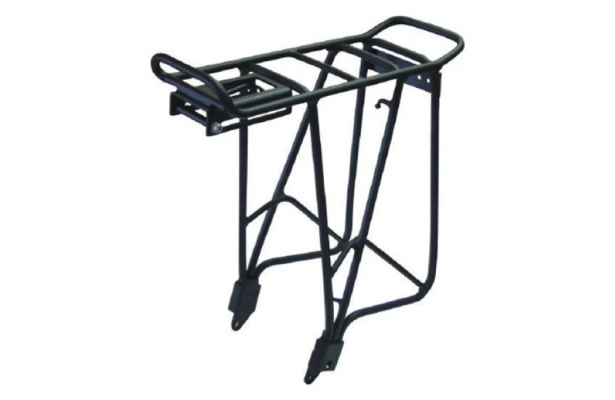
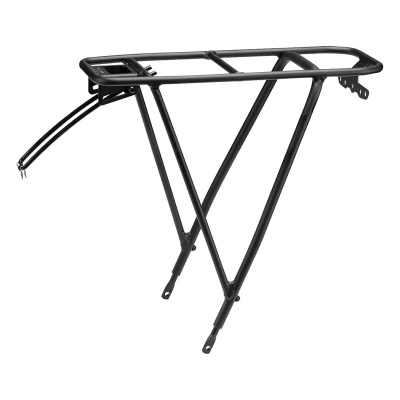
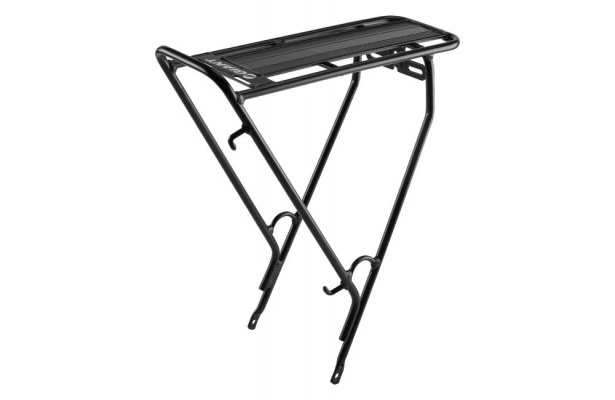
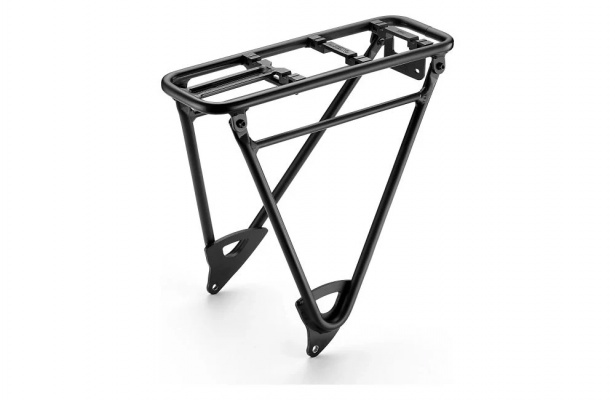
Giant pannier racks are designed to work with Giant and Liv frames from the ground up, which sounds obvious until you've spent an afternoon wrestling an aftermarket rack onto a bike it was never meant to fit. Getting the geometry right, clearing the disc caliper, finding the mounting eyelets - it all just works when you go genuine. Built from alloy tubular construction with welded joints that can take what British roads throw at them, these racks cover everything from a quick city hop to a fully loaded weekend tourer. The MIK (Mounting is Key) deck system is fitted across most of the range, letting compatible Giant pannier bags and baskets click on and off cleanly, with no rattling, no fussing about with straps mid-commute. Disc brake frames are catered for with offset legs that clear calipers properly, and Giant's Smart Mount system handles bikes - like the Defy or Revolt - that lack traditional mounting eyelets. Whether you're loading up for a daily run or heading out loaded for a few days away, compare prices below to find the right rack for your setup.
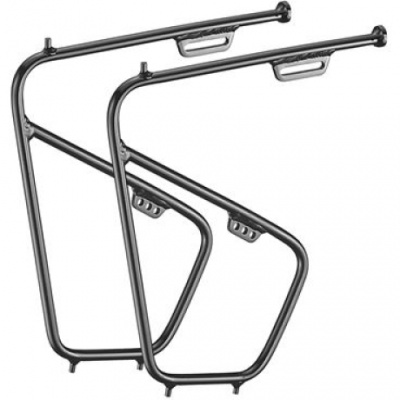
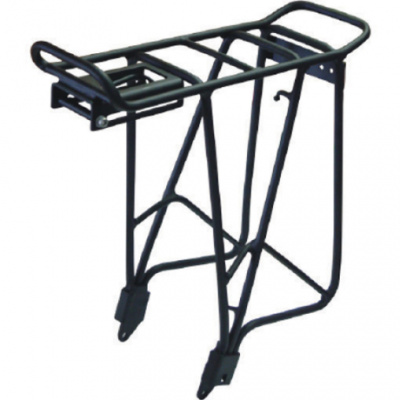
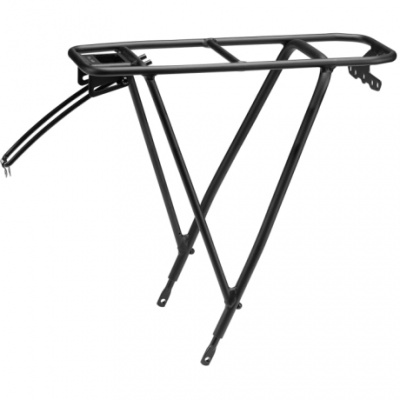
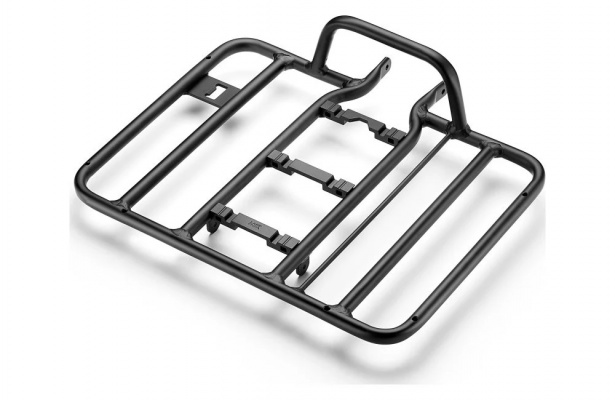
Prices and availability can change quickly. Delivery charges are not always included in listed prices.
Final price, stock status and delivery terms are set by retailer. We may receive a commission on purchases made.
Fitting Your Giant Rack: Compatibility, Eyelets, and Disc Clearance
The first question to sort before buying any rack is whether your frame has the mounting eyelets to accept one. Most Giant commuter and hybrid frames - the Escape, Fastroad, and similar - come with standard rear dropout and seatstay eyelets, so fitting is straightforward. Disc brake frames need a rack with offset legs, designed specifically to route around the caliper body without fouling. Giant's own disc-compatible racks, like the Rack-It Metro Disc, include that offset geometry as standard, so you're not improvising with spacers or hoping for the best.
Road bikes and gravel bikes without traditional eyelets are a different conversation. Giant's Smart Mount system is the answer here - it uses the frame's existing bolt points and specific mounting hardware to give you a stable rack platform on bikes like the Defy or Revolt that weren't originally designed to carry luggage. It's a tidy solution, though it's worth checking your specific frame generation before ordering. If you need replacement struts, bolts, or mounting hardware for an existing setup, head to our pannier rack spares category rather than hunting through full rack listings - you'll find the right bits far quicker there.
If you're weighing up brands before committing, Cube pannier racks and Blackburn pannier racks cover similar ground and are worth a look if your frame isn't Giant-specific.
Rack-It Metro vs. Rack-It Tour: Choosing the Right Load Carrier
Giant's rack range splits into two clear tiers, and picking the wrong one is the kind of mistake that only becomes obvious when you're halfway up a hill with a badly balanced load. The Rack-It Metro is the commuter option - it's built for urban riding, reasonably light, and comes with the MIK deck as standard. Bags and baskets that carry the MIK logo click into the deck plate and lock with a key, giving you a solid, rattle-free connection that doesn't shift about over potholes. For most riders doing a regular commute with a laptop bag and a change of kit, it's plenty.
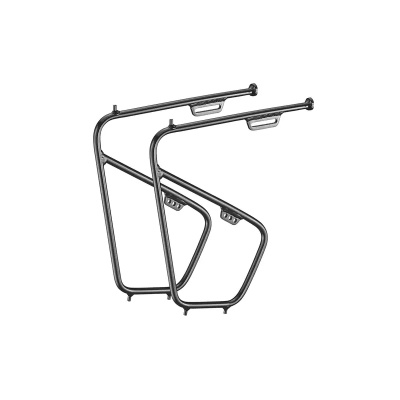
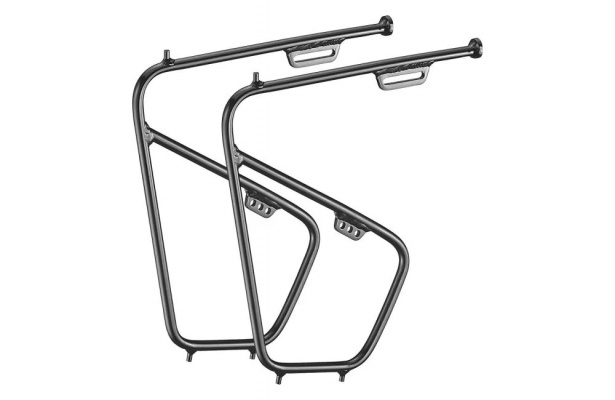
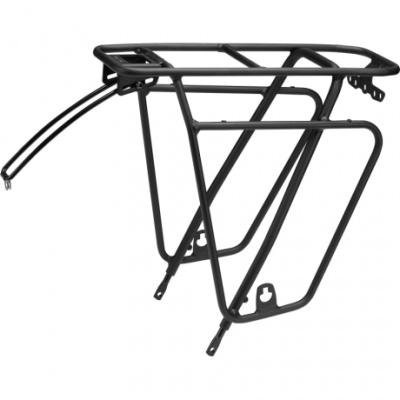
The Rack-It Tour is a different proposition. It adds lower pannier rails that sit the bags further down the bike's sides and closer to the wheel axle. That lower centre of gravity makes a real difference when you're carrying serious weight - loaded panniers up high make a bike handle like a shopping trolley; lower rails keep things composed. Payload capacity steps up too, typically handling more than the Metro spec, which matters when you're carrying camping kit or a week's groceries. Worth knowing: Giant also produces e-bike specific racks sized for the slightly different geometry of their E+ and Trance X E+ platforms, with mounting points that account for motor and battery housing. If you're running an e-bike, check you're buying the right variant - a standard rack may not sit flush.
Pair whichever rack you choose with a set of Giant mudguards and you've got a genuinely capable commuter setup that'll cope with most of what a UK winter produces.
Keeping Your Rack Solid Through a UK Winter
A rack that's been through one British winter without any attention will start to show it. Road salt and grit get into every joint, pannier hooks chew through powder coating where they clip on, and vibration from poor road surfaces loosens mounting bolts gradually. None of this is dramatic, but ignoring it means a creaking rack and, eventually, a seized bolt you can't shift without a tap and die set.
Start with the bolt threads. Before you fit any rack, put a thin smear of anti-seize compound or waterproof grease on the mounting bolts. It takes thirty seconds and means you can still remove them in two years without destroying the thread in your frame. Torque them to around 4 - 5Nm - enough to stop vibration working them loose, not so much that you're stressing the alloy. Check them every few weeks through winter; British potholes are remarkably efficient at undoing careful workshop work.
Where pannier hooks contact the rack rails, the coating gets abraded quickly. A strip of electrical tape or a piece of clear frame protection film on those contact points costs almost nothing and stops bare metal appearing. Once the coating's gone, corrosion follows. It's the kind of thing you only bother with once you've had to replace a rack that looked fine until it suddenly wasn't.
For comparison, Ortlieb pannier racks take a similar approach to corrosion resistance, so it's not a Giant-specific concern - it's just the reality of riding year-round in the UK. Sorting out Giant commuter tyres at the same time makes sense if you're building a bike up for all-weather use. A kickstand is also worth considering if you're regularly loading and unloading panniers without a wall to lean on.
Giant Pannier Racks FAQs
Are Giant pannier racks compatible with disc brakes?
Yes. Disc-specific Giant racks like the Rack-It Metro Disc use offset legs to clear the caliper body without fouling. Before buying, check your frame's mounting eyelets and rear axle spacing match the rack spec - details vary between frame generations.
What is the Giant MIK system?
MIK stands for Mounting is Key. It's an integrated deck plate built into many Giant racks that lets compatible bags and baskets click firmly into place and lock with a small key. The connection is stable and rattle-free, and releases quickly when you need to take the bag off.
How much weight can a Giant rear rack hold?
Most standard Giant rear racks are rated to a 25kg payload capacity, which covers heavy commuting loads and loaded touring. Spread the weight evenly across both panniers - lopsided loading affects handling noticeably, particularly at lower speeds.