
Giant Pannier Bags
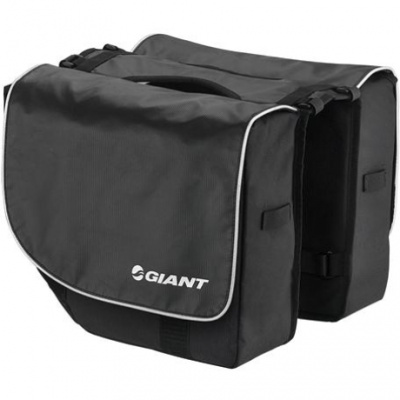
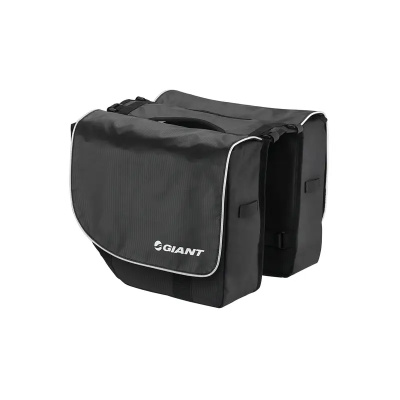
Giant pannier bags cover the full spectrum of commuter and touring needs - from a quick dry run to the station to a soaking February slog through rush-hour traffic. Giant's luggage range is designed around their own bikes first, so if you're rolling on a Giant Escape, FastRoad, or one of their E-bikes, the fit and integration are as clean as it gets. That said, most models work perfectly well on third-party racks too, which we'll come to shortly.
What sets these panniers apart in a crowded market is the combination of ProTextura™ fabric, proper quick-release mounting hardware, and - on the H2O series - genuine roll-top waterproofing with welded seams rather than the usual zip-and-hope approach. UK winters don't care about your laptop; Giant's H2O bags largely do.
You've also got MIK (Mounting is Key) integration on select models, Giant's click-in system that pairs directly with MIK-compatible rack decks for a rattle-free, tool-free connection. It's a genuinely useful standard if your bike supports it.
For other on-bike storage options, browse our pages for Giant bar bags, frame bags, and saddle bags. Or scroll down to compare the full Giant pannier range below.
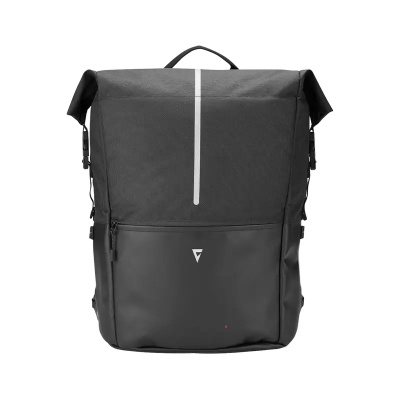
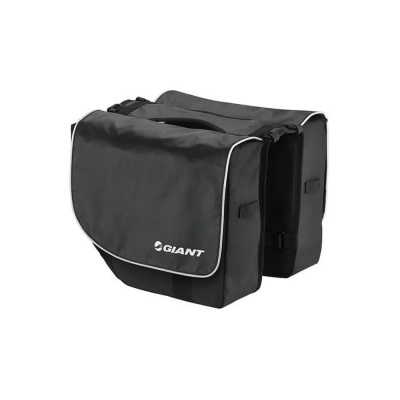
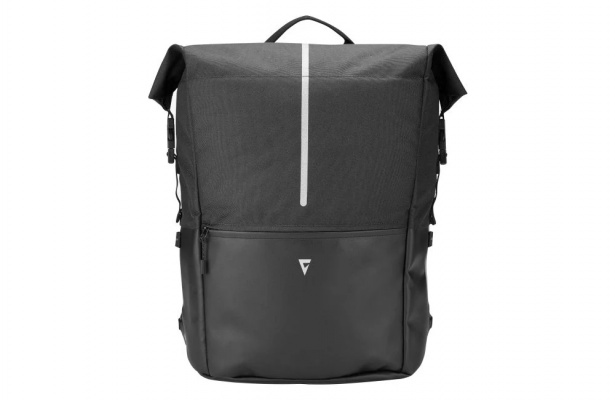
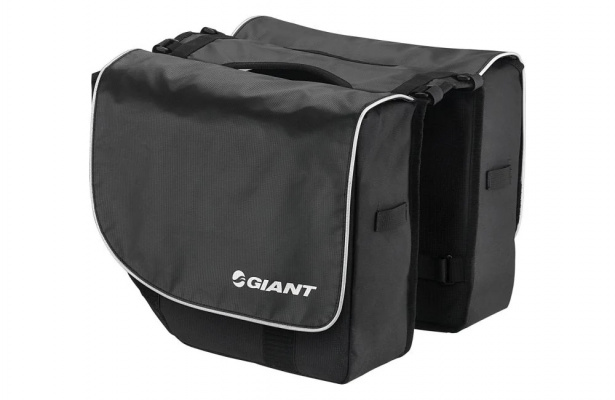

Prices and availability can change quickly. Delivery charges are not always included in listed prices.
Final price, stock status and delivery terms are set by retailer. We may receive a commission on purchases made.
Fitting Giant Panniers: Mounting Systems and What to Check First
Most Giant pannier bags use adjustable quick-release hooks that clamp onto standard tubular rack rails - typically anywhere between 8mm and 16mm in diameter. That covers the vast majority of racks on the market, including most Racktime and own-brand options, so compatibility is rarely a problem. The hooks themselves have adjustable rail sliders, which means you can dial in the position to stop the bag fouling your heel on the pedal stroke - worth spending two minutes on before your first commute, not after.
MIK-specific models work differently. Rather than hooking onto a rail, they click onto a dedicated MIK-compatible rack deck using a keyed interface on the base of the bag. It's fast, secure, and genuinely wobble-free once engaged - but it only works if your rack has the MIK deck built in or you've fitted an aftermarket adapter plate. Check this before you buy. Giant sell MIK-ready racks directly, so if you're starting from scratch, pairing a Giant pannier rack with a MIK-compatible bag is the tidiest route.
A couple of things worth flagging: always verify your rack's stated weight limit against what you're planning to carry - E-bikes with battery-integrated rear racks sometimes have lower load ratings than they look. And on smaller frame sizes, heel clearance with a fully loaded bag can get tight. Give it a quick check before committing to the bag's position on the rail.
H2O, Shadow, and City: Picking the Right Series
Giant structure their pannier range across a few distinct tiers, and the differences matter more than the names suggest.
The H2O series is the one to go for if you commute year-round in the UK. These bags use fully welded seams and a roll-top closure - the kind of construction that keeps water out even when you're riding through standing water spray on a dual carriageway. There's no zip to degrade or seam tape to peel. The waterproofing here is structural, not cosmetic. If your daily ride involves anything resembling a British winter, this is where to start.
The Shadow and City series use Giant's ProTextura™ fabric, a water-resistant (not waterproof) material with a DWR coating that handles light showers well. Standard zippers are used rather than roll-tops, which keeps access quick and the profile slimmer. Honest assessment: these are fine for most spring and autumn commuting, but in sustained heavy rain you'll want a cover. The trade-off is that they tend to be lighter and easier to get in and out of quickly - useful if you're stopping repeatedly during the day.
Volume is the other variable. Smaller City-style bags typically sit around 15 litres per side, which is enough for a change of clothes and lunch. The larger H2O options push toward 25 litres, bringing room for a laptop sleeve (check individual model specs here - not all include one) and full touring loads. If carrying a laptop is non-negotiable, filter specifically for models with a padded internal sleeve rather than assuming it's included.
For waterproofing done even more obsessively, Ortlieb panniers remain the benchmark - their roller-top construction is hard to argue with in Scottish west-coast rain. Altura and Basil offer strong alternatives at various price points if Giant's range doesn't quite fit your spec. But for riders already in the Giant ecosystem, the system integration is a genuine advantage.
One practical note on reflective details: Giant build reflective elements into most models across the range, which matters more than people give credit for during low-light winter commutes. It's not a substitute for dedicated lights, but it adds passive visibility without you having to think about it.
Keeping Panniers Working Through a UK Winter
Road salt is the enemy of mounting hardware, full stop. The spring-loaded quick-release hooks on Giant panniers - and most others - collect grit from puddle spray and gradually stiffen up if you ignore them. A monthly rinse with clean water and a couple of drops of silicone spray on the moving plastic parts keeps everything releasing cleanly. Don't use WD-40 here; it attracts more grit than it repels and degrades the plastic over time.
ProTextura fabric is reasonably robust but doesn't respond well to machine washing. The heat and agitation strip the DWR coating faster than anything else - once that's gone, the fabric wets out quickly and the bag feels heavy and cold to the touch. Warm soapy water and a soft sponge is all you need after a muddy ride. Rinse thoroughly, let it air dry away from direct heat, and the coating will last a good while longer.
The welded seams on H2O models are low-maintenance by design - there's nothing to re-seal - but it's worth inspecting the roll-top closure periodically for any debris caught in the fold. A build-up of grit there can create small stress points in the material over repeated rolling and unrolling. Thirty seconds with a damp cloth sorts it. Pair your panniers with Giant mudguards and you'll significantly reduce how much road muck reaches the bags and mounting hardware in the first place - less cleaning, longer life.
Giant Pannier Bags FAQs
Are Giant pannier bags fully waterproof?
It depends on the series. The H2O range uses welded seams and a roll-top closure, making it genuinely waterproof for heavy UK rain. Shadow and City models use water-resistant ProTextura fabric with standard zippers - solid in light showers, but you'll want a rain cover if you're riding through sustained downpours.
Do Giant panniers fit non-Giant racks?
Most do, yes. Standard Giant panniers use adjustable quick-release hooks compatible with rack tubing from 8mm to 16mm in diameter, which covers the majority of racks on the market. MIK-specific models are the exception - these require a MIK-compatible rack deck or a separate adapter plate to click in properly.
How does the MIK system work on Giant bikes?
MIK (Mounting is Key) is a click-in interface built into the base of compatible bags and the deck of MIK-ready racks. You align the bag, press down, and it locks securely without tools or fiddling with hooks. To release, press the latch and lift. It needs a MIK rack deck to function - standard rails won't work with MIK-only bags.
How do I clean my Giant pannier bags?
Use warm soapy water and a soft sponge - that's genuinely all you need. Avoid machine washing; the heat and agitation will strip the DWR coating from ProTextura fabric. Pay particular attention to the mounting hooks when cleaning, as road grit builds up there and stiffens the spring mechanism over time. A drop of silicone spray on the moving parts afterwards helps.