
Giant Frame Bags
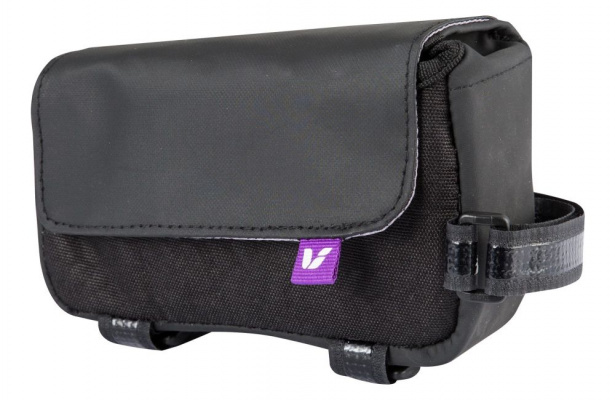
Giant frame bags are one of the tidiest ways to carry serious kit without turning your bike into a wobbly chandelier. Sitting inside the front triangle, they keep weight low and central - exactly where you want it when you're picking a line down a loose Welsh descent or grinding out a loaded road tour through the Cairngorms.
Giant's range covers everything from stripped-back everyday bags to the fully waterproof H2Pro series, which uses proprietary H2Tex fabric and high-frequency welded seams to keep your gear genuinely dry - not just damp-resistant, actually dry. That distinction matters a lot when UK weather does what it does.
Mounting is straightforward, but fit is everything. Get the sizing wrong and you'll either be fighting your water bottle or carrying a bag that shifts under load. Measure your front triangle carefully before you buy, check clearance around your bottle cages, and factor in tyre clearance on smaller frames. Do that groundwork and a Giant frame bag slots into your setup with minimal faff. The rest of this page walks you through how to choose the right one.
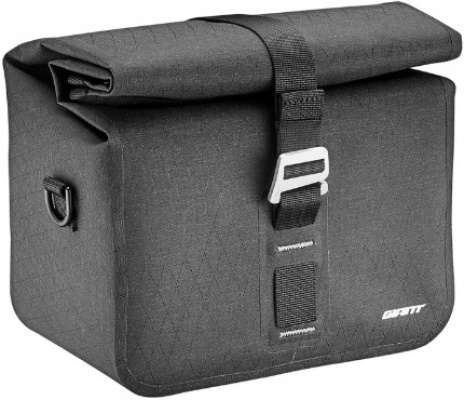
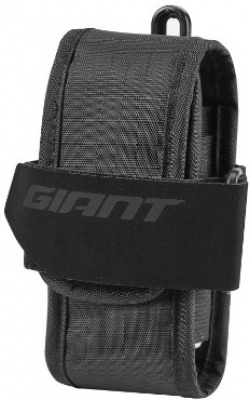
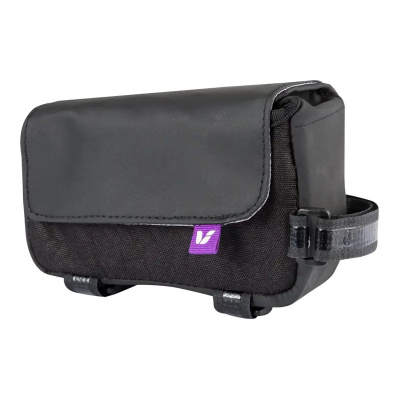
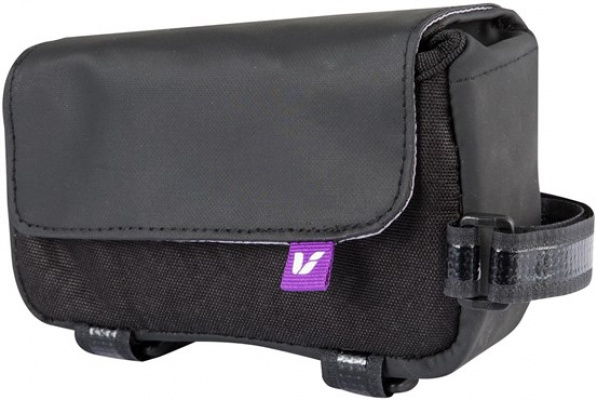
Prices and availability can change quickly. Delivery charges are not always included in listed prices.
Final price, stock status and delivery terms are set by retailer. We may receive a commission on purchases made.
Getting the Fit Right: Sizing and Compatibility
Measuring your front triangle properly is the unglamorous bit that saves you a lot of hassle later. You need three dimensions: the length of your top tube, the height of your seat tube, and the width of the frame at its widest internal point. Compare those against Giant's sizing guide - the bags are designed to fill as much of the triangle as possible without pressing hard against the tubes, so a snug fit is correct, a tight fit is a problem.
The water bottle question comes up on almost every forum thread about bikepacking bags, and for good reason. A full-size frame bag will block your standard down tube cage entirely on most road and gravel bikes. The practical fix is switching to side-entry bottle cages, which access the bottle horizontally and clear the bag with room to spare. It's a small investment that opens up your carrying options considerably. On larger MTB frames with slacker geometry you may retain cage access without adapting, but check before you commit.
Clearance matters in other directions too. On full-suspension bikes, check that the bag won't contact the rear shock or linkage through its travel - Giant's own fitment notes flag this for specific models. On bikes with internal cable routing or dropper post hoses exiting the frame mid-tube, plan your strap positioning to avoid pinching anything.
Looking to expand your bikepacking setup beyond the front triangle? Check out our dedicated collections for Giant Bar Bags, Giant Saddle Bags, and Giant Pannier Bags to complete your rig.
H2Pro vs. the Standard Range: What You're Actually Paying For
Giant splits its frame bag line into two clear camps, and the differences are mechanical, not cosmetic. The H2Pro series is built around three-layer H2Tex fabric - a laminated construction that blocks water from the outside while managing any internal moisture. More importantly, the seams are high-frequency welded rather than stitched. Stitching leaves needle holes; welding doesn't. On a four-hour ride in persistent Peak District drizzle, that's the difference between dry kit and a damp sleeping bag liner.
The standard Scout and Shadow bags use coated fabrics with stitched seams. They'll handle light showers without drama, but in sustained rain or when you're pushing through wet bracken on a moorland track, you'd want a dry bag liner inside for anything you genuinely can't afford to soak. That's extra faff and extra cost, which narrows the price gap with the H2Pro more than the sticker prices suggest.
The other feature worth calling out on the H2Pro line is the hidden cable ports. These discreet pass-throughs let you route dynamo hub wires, GPS charging cables, or e-bike battery leads through the bag without compromising the waterproof integrity. Niche for most riders, but if you're running a dynamo lighting system on a long-distance tour, it's the kind of detail that stops a faff-fest at 10pm in a layby outside Kendal.
If your riding is mostly dry-season gravel or occasional touring, the standard range does the job cleanly. If you're planning a coast-to-coast in October or commuting loaded through a Scottish winter, the H2Pro is the one to pick. Alternatives like Apidura frame bags and Ortlieb frame bags occupy a similar premium waterproof space and are worth comparing if you want to broaden your shortlist - Altura frame bags sit closer to the standard-range price point for budget-conscious builds.
Protecting Your Frame from the Bag Itself
This is the bit most people skip and then regret. Velcro straps on any frame bag - Giant's included - will trap grit. UK mud, particularly the silica-rich stuff you pick up on chalk downs or gritstone trails, is abrasive. Once it's caught between the strap and your frame, every small movement of the bag during riding works it against the paint like fine sandpaper. On a carbon frame, you're grinding through clearcoat. On alloy, same story. It's slow damage, but it's cumulative and it's irreversible.
The fix is simple and cheap: apply clear helicopter tape (paint protection film) to the top tube, down tube, and seat tube contact points before you fit the bag. Cut it to cover the full strap contact area, not just the obvious rub spots. A quality film like 3M or similar will take the abrasion entirely and peel off cleanly when you want to change setup. Think of it as a sacrificial layer - far easier to replace a strip of film than a respray.
While you're prepping, give the frame a thorough clean first. Fitting a bag over existing grit defeats the purpose. And if you're removing the bag between rides rather than leaving it fitted permanently, make it a habit to brush out the straps before refitting. Takes ten seconds and saves paint. If you're the type who leaves the bag on all season, check under the straps every few weeks. You might be surprised what accumulates. Grab a Giant mini pump while you're sorting your setup - it's the one thing that never fits in the bag when you actually need it.
Giant Frame Bags FAQs
Do frame bags scratch your bike?
They can, yes. Grit trapped under the mounting straps acts like sandpaper against your paint as the bag moves during riding. Apply clear frame protection tape to your top tube and down tube before fitting any frame bag - it's cheap insurance and takes five minutes.
How do I choose the right size Giant frame bag?
Measure the internal front triangle: top tube length, seat tube height, and the widest internal width. Match those to Giant's sizing chart and aim for a snug rather than tight fit. Also check whether your water bottle cages will still be accessible - side-entry cages are the standard workaround if access is blocked.
Are Giant H2Pro frame bags completely waterproof?
Yes. The H2Pro series uses Giant's three-layer H2Tex fabric with high-frequency welded seams, which eliminates the needle holes left by stitching. Your gear stays dry in sustained rain - a genuine step up from standard bags with coated, stitched construction, which benefit from a dry bag liner in serious downpours.
Can you fit water bottles with a frame bag?
A full-size frame bag will typically block a standard down tube cage. Switching to side-entry bottle cages is the practical solution - they access the bottle horizontally and clear most frame bags without issue. On larger frames you may retain cage access anyway, but it's worth checking before you buy.