
Giant Mini Pumps
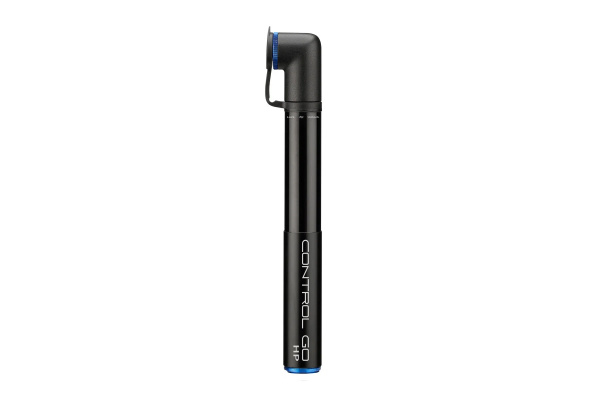
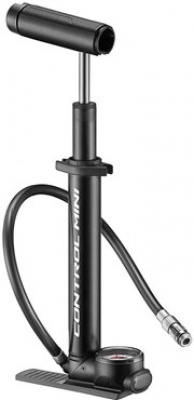
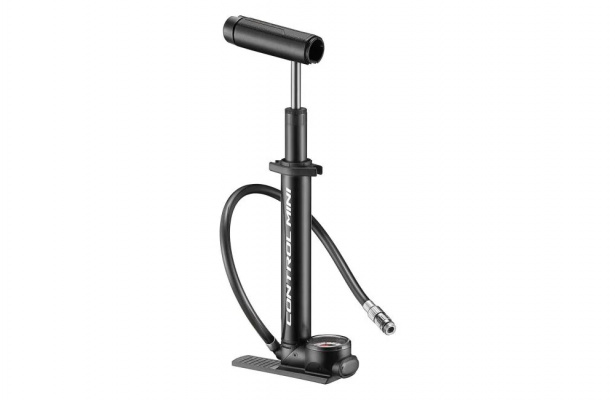
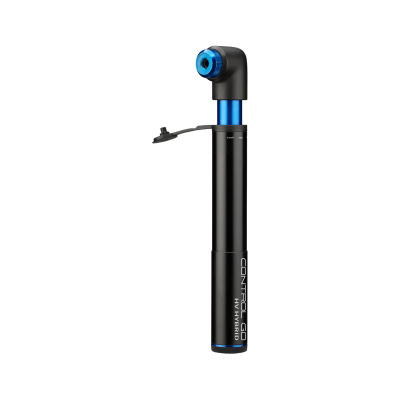
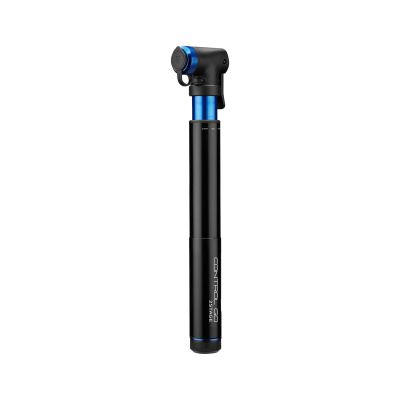
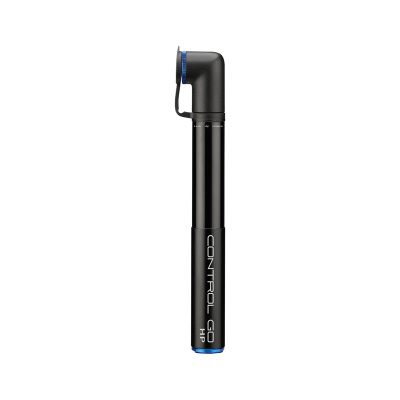
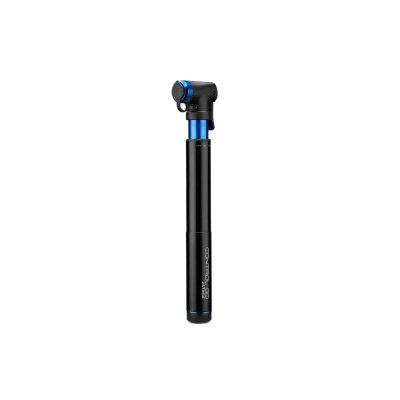
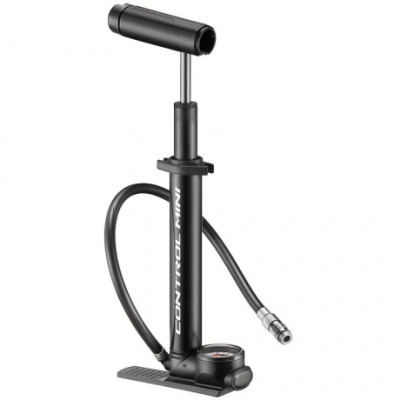
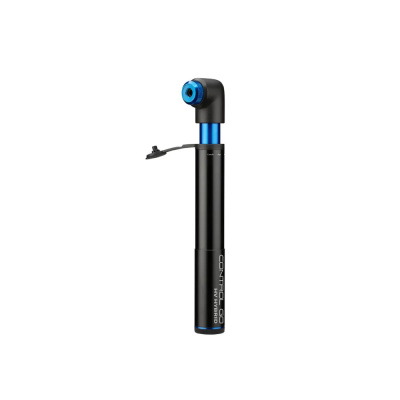
Giant mini pumps are the kind of kit you only truly appreciate when you're three miles from the nearest town with a soft tyre and no signal. The Control Mini range is built around CNC-machined aluminium barrels and ergonomic handles that actually work when your fingers are numb and your gloves are soaked through - which, let's be honest, is most of the year in the UK. Whether you're on a road bike that needs 100 PSI to roll properly, or a gravel or MTB setup that just needs a decent slug of air to get you home, Giant has a pump sized to the job. The High Pressure models are calibrated for road and cx tyres, pushing past 120 PSI without needing arms like a blacksmith. The High Volume variants move more air per stroke, so you're not standing there pumping for five minutes to get a 2.4-inch tyre back to a rideable pressure. Both lines carry reversible Presta and Schrader heads, and most come with a mounting bracket that tucks under a bottle cage bolt. Compact, capable, and properly thought through.





Prices and availability can change quickly. Delivery charges are not always included in listed prices.
Final price, stock status and delivery terms are set by retailer. We may receive a commission on purchases made.
HP or HV - Picking the Right Barrel for Your Tyres
The single most important choice in the Giant mini pump range isn't colour or price - it's whether you need a High Pressure or High Volume barrel. Get this wrong and you'll either be standing at the roadside pumping forever, or watching the gauge stall well short of where you need it.
The High Pressure (HP) models are designed for road and cyclocross tyres. They're narrow-bore pumps, which means each stroke moves less air but builds pressure quickly. Most HP models in the Control Mini line reach 120 PSI - enough to get a 25c or 28c road tyre back to a firm, confident feel without the barrel turning into a gym workout. If you're running tubeless on road or cx, that pressure ceiling gives you genuine wiggle room.
The High Volume (HV) models work the opposite way. A wider bore shifts more air per stroke at lower pressures, which makes them the sensible choice for anything from a 40c gravel tyre to a 2.6-inch trail tyre. You're typically looking at a max of around 60 PSI - which sounds low until you remember that a 2.4-inch MTB tyre runs at 20 - 30 PSI. The HV gets you there fast, which matters when you're mid-ride on the Peak District moorland and the light's fading.
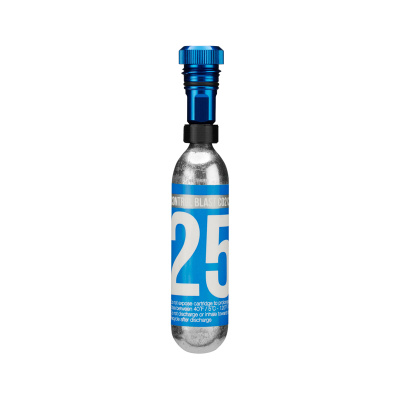
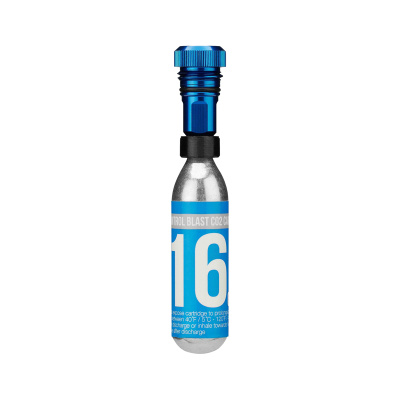
Valve compatibility isn't something you need to overthink with Giant. The reversible Presta/Schrader internal grommet system means you unscrew the pump head, flip the rubber grommet and plastic spacer to whichever side matches your valve, and reassemble. It takes about 20 seconds once you've done it once. Keep the unused spacer in your Giant saddle bag rather than leaving it at home - swapping bikes mid-season is when people get caught out. Looking for rapid race inflation or suspension tuning? Check out our Giant CO2 Inflators and Cannisters pages.
The Control Mini Range - What You Actually Get at Each Level
Giant's mini pump line runs from straightforward composite-bodied models up to the alloy Control Mini Pro and the road- and MTB-specific Control Mini variants. The jump between them is more meaningful than it looks on a spec sheet.
Entry-level composite models are light, functional, and honest about what they are. They'll get you home. The barrel is narrower, the stroke is shorter, and over 60 or 70 pumps to reseat a tyre you'll feel the difference in your forearm. Fine for a road bike emergency; a bit tedious on wider rubber.
Step up to the Control Mini Pro and the CNC machined aluminum barrel becomes noticeably more rigid under pressure. There's less flex in the pump body when you're bearing down hard, which translates directly into more air going where it should rather than being absorbed by chassis movement. The telescopic barrel design is the headline feature here - it extends the stroke length significantly, doubling the air volume per pump compared to a fixed single-stage barrel. That's not a marginal gain; on a fat gravel tyre you'll feel it immediately.
The Roller System valve head is another detail worth knowing about. Rather than a simple push-and-lock mechanism, it uses a rotating collar to create a positive seal against the valve. That matters most when you're pumping aggressively - a poorly sealed head will burp air back out of the valve, and on a Presta valve that can actually unscrew the core and make your situation considerably worse. The integrated flexible hose on higher-spec models also prevents the lateral force of pumping from stressing the valve stem - a real issue on deep-section carbon rims where the valve is already under some angular tension.
If you're choosing between the road and MTB-specific versions, it largely comes down to tyre volume and target pressure. The road model skews toward higher PSI with a narrower bore; the MTB variant prioritises stroke volume. Neither is a compromise product - Giant has genuinely specced them to suit the discipline rather than just stickering the same pump twice.
For comparison, Lezyne mini pumps occupy a similar premium tier with comparable CNC alloy construction, and Topeak mini pumps offer a wide range of composite and alloy options at various price points - both are worth browsing if you want to weigh up the field before committing.
Keeping Your Pump Working Through a British Winter
A frame-mounted mini pump takes real punishment in UK conditions. Front-wheel spray, road grit, and mud all find their way into any gap they can, and a seized pump shaft is a brilliant way to discover that your backup plan has become completely useless.
Start by choosing a model with an integrated rubber dust cap over the pump head. It sounds minor, but it's the difference between a valve interface that works first time and one that's been gummed up with silty road spray since October. If your current pump doesn't have one, a small piece of electrical tape over the head costs nothing and works well enough.
For pumps you've had for a season or more, it's worth periodically unscrewing the main barrel collar to clean the shaft. Road grit works into the gap between the inner and outer barrel on telescopic models in particular. Wipe the shaft down with a clean cloth, then apply a light smear of silicone grease to the main O-ring before reassembling. Don't use standard chain lube - it attracts grit and makes things worse over time. This takes five minutes and will stop the barrel from seizing up on a cold January morning when you actually need it.
The mounting bracket that comes with most Control Mini models fits under a bottle cage bolt and keeps the pump snug against the frame. Check it periodically - vibration on rough roads can gradually loosen the bracket and the pump will start to rattle or shift. Pair it with a Giant frame bag if you want to carry the pump internally instead, which also keeps it cleaner through winter. Make sure you've got a Giant inner tube or two stashed alongside it - a pump without a tube is only half the solution. SKS mini pumps are also worth a look if durability in foul weather is your main criteria - they have a solid reputation for surviving British winters in particular.
Giant Mini Pumps FAQs
How do you use a Giant mini pump on a Presta valve?
Unscrew the pump head cap, pull out the internal rubber grommet and plastic spacer, flip them to the narrower Presta orientation, then reassemble. The valve head will now seal correctly onto a Presta valve. Unscrew the valve core a half-turn before attaching the head, and lock on using the Roller System collar before you start pumping.
What is the difference between Giant HV and HP mini pumps?
HP (High Pressure) pumps use a narrow bore to build pressure quickly - ideal for road tyres that need 90 - 120 PSI. HV (High Volume) pumps have a wider bore and shift more air per stroke at lower pressures, making them the right choice for MTB and gravel tyres where you need volume fast rather than high pressure.
Do Giant mini pumps come with frame mounts?
Most of the Control Mini range includes a plastic mounting bracket that bolts under your bottle cage. It holds the pump flush against the frame and doesn't interfere with a standard water bottle. Worth checking the specific model listing to confirm, as a small number of compact pocket models are sold without a bracket.