
Giant Aero TT Helmets
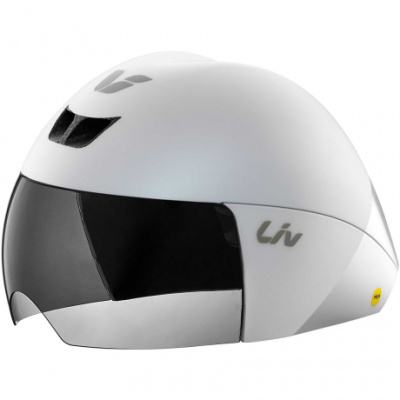
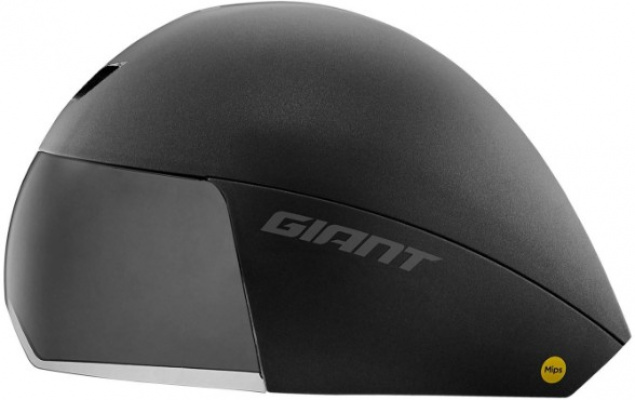
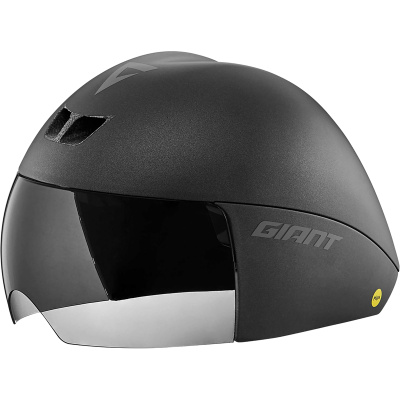
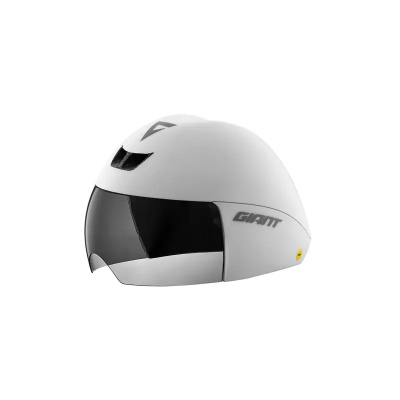
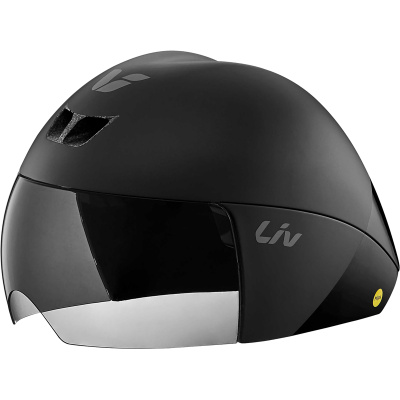
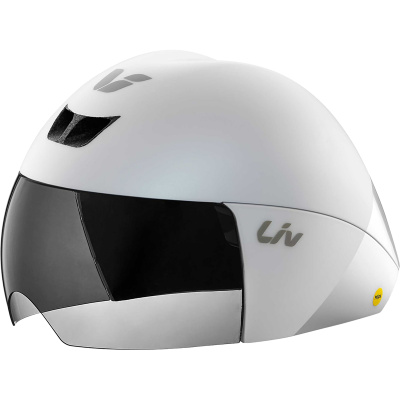
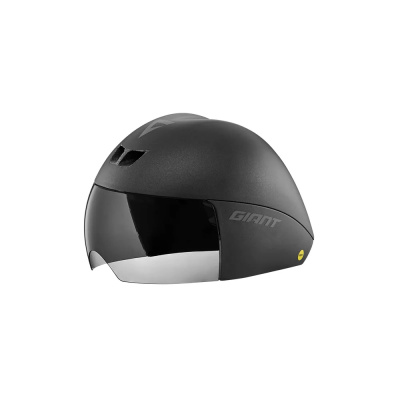
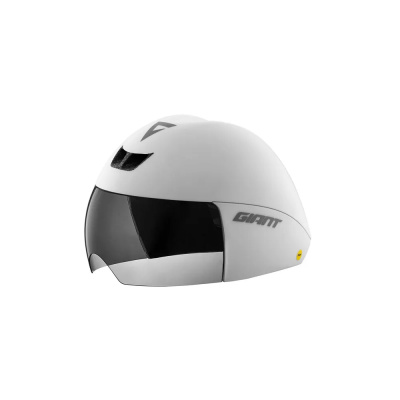
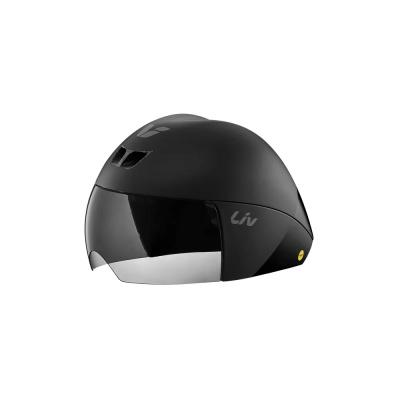
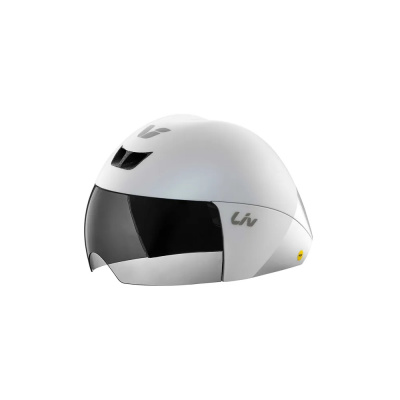
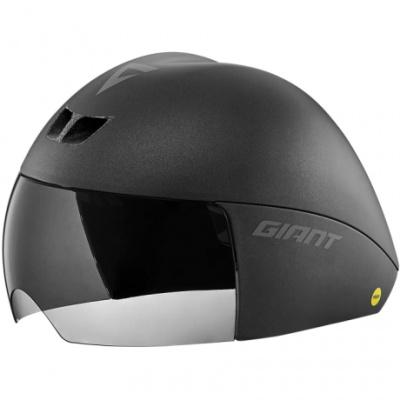
When you're racing the clock, Giant Aero TT Helmets are engineered to be one of the most effective weapons in your kit bag - aerodynamic drag being the single biggest thing standing between you and a faster time. Built using computational fluid dynamics and refined through extensive wind-tunnel testing, Giant's TT lids are shaped to cut drag whether you're locked into a textbook aero tuck or gradually losing position during the back end of a hard 25-miler. That matters more than most riders realise.
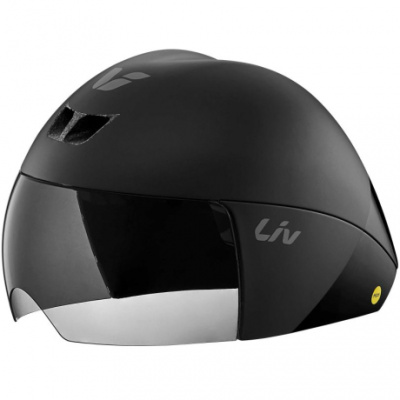
The core of the range is Giant's AeroSystem Shaping Technology, which optimises the shell profile for real-world rider positions rather than just a static mannequin in a tunnel. Add a magnetic removable visor that keeps spray and wind out of your eyes on a damp British morning, plus MIPS protection for rotational impact safety, and you've got a helmet that doesn't ask you to trade speed for practicality. Sizing runs across the range with Giant's Cinch Pro fit system keeping things secure without hot spots through the tape. If you're after an everyday road or climbing lid rather than a dedicated race helmet, our broader Giant road range is worth a look - but for TT and triathlon racing, this is where Giant focuses its engineering.
Prices and availability can change quickly. Delivery charges are not always included in listed prices.
Final price, stock status and delivery terms are set by retailer. We may receive a commission on purchases made.
How Giant Cuts Drag - and Keeps You Sighted in UK Conditions
Giant's AeroSystem Shaping Technology isn't just a label - it's the result of computational fluid dynamics modelling that refines every curve of the shell to reduce the drag coefficient at the speeds you're actually racing. The shape is optimised for the head-down TT position, so air separates cleanly off the tail rather than creating turbulent wake that bleeds speed. Wind-tunnel tested against rider-representative positions, it's a more honest approach than designing purely for an upright dummy.
Ventilation channels are placed with care - enough exhaust to prevent you overheating on a sustained 10-mile effort, not so many that they punch holes in the aero profile. It's a genuine trade-off, and Giant lands on the right side of it for race distances. Too many vents and you're wearing a fast-looking road helmet; too few and you're cooking through the last five miles. The balance here suits the intensity of UK club time trials rather than long-distance touring efforts.
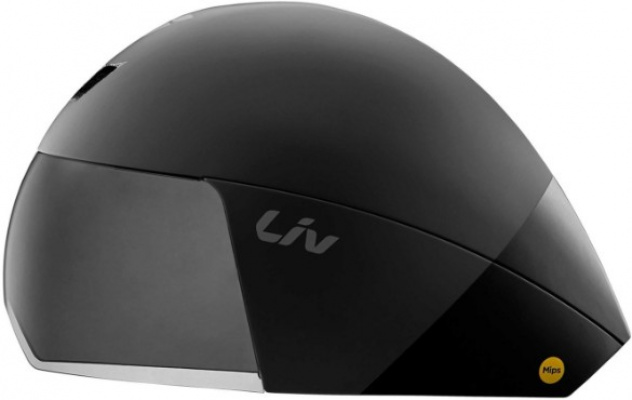
The magnetic visor is one of the more practical bits of kit on the helmet. It clicks on and off cleanly - no fiddling with screws or clips at 5:30am in a layby - and seals well enough to keep spray off your eyes on the kind of damp, murky morning that the British summer specialises in. Strategic airflow channels behind the visor also help prevent fogging when humidity is high and you're working hard. It won't fully replicate a clear, cold day, but it handles the soggy realities of UK racing far better than an open-face lid in the wet. Compared with alternatives like Kask Aero TT helmets or Giro's TT range, the magnetic attachment system is a genuine convenience advantage.
Fit, Tail Length, and Who the Giant Range Suits
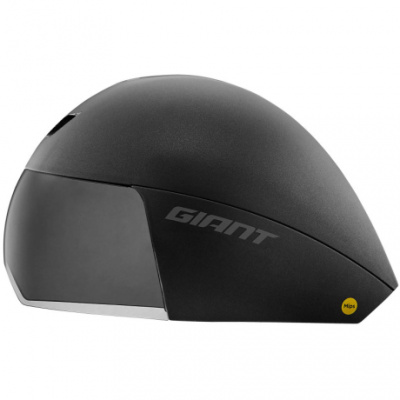
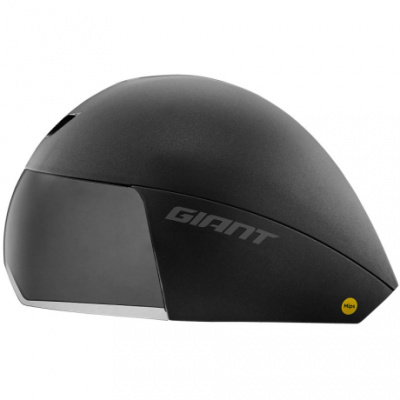
The Giant Rivet TT helmet is the headline model, and its short-tail design is worth understanding before you buy. Traditional long-tail aero helmets deliver maximum drag reduction - but only when your head is perfectly stationary and in full tuck. Move your head to check for junctions, glance at your computer, or simply fatigue towards the end of a hard effort, and a long tail can catch the airflow and actually increase drag. Not ideal.
The Rivet TT's shorter tail is a practical solution for riders who can't hold a robotically static head position - which is most of us. You lose a marginal amount of drag reduction compared to a full long-tail design, but you gain crosswind stability, which on exposed UK dual carriageways or open fenland courses is worth having. A long tail catching a gust mid-corner is an uncomfortable experience. The short tail largely sidesteps that.
Fit is handled by Giant's Cinch Pro system - a dial-adjust retention system that lets you dial in a snug hold without creating pressure points across a long effort. The helmet should sit low on the forehead, roughly a finger's width above the eyebrows, with the chin strap firm but not restrictive. In your aero tuck, the tail of the helmet should sit flush against your back or neck rather than pointing skyward - if it's sticking up, the helmet is either too large or your position needs adjusting. Get a proper bike fit before committing to a TT helmet if you're unsure of your position; the helmet can only do its job if your body is consistently in the right place. Sizing across the Giant TT range covers most adult heads, and the fit pads are adjustable to fine-tune internal volume. Narrower heads may find some sizing gaps between S and M, so always check Giant's head circumference guidelines before ordering.
If you're comparing fit profiles with competitors, MET Aero TT helmets and Specialized's TT lids offer slightly different internal shapes - worth trying on if you find Giant's fit runs long or short for your head shape.
Race-Day Prep and Keeping Your Lid in Good Shape
A few practical things that make a difference on race morning. If you're racing in damp conditions - and in the UK, assume you are - give the visor a light application of anti-fog spray the evening before. The ventilation channels help, but pre-treating the lens is cheap insurance against a fogged-out view through the first few miles while your body warms up.
The TransTextura Plus™ padding inside the helmet is anti-microbial and removable. After a sweaty turbo session or a humid August race, pull the pads out and hand wash them in cool water with a mild detergent. Let them air dry fully before refitting - stuffing them back in damp encourages the kind of smell that makes car journeys unpleasant. The padding wicks moisture efficiently during use, but it does absorb a lot over repeated efforts, so washing after every two or three hard sessions is a reasonable habit.
Store the helmet in a bag or on a dedicated hook rather than loose in a kit bag - the aero shell is smooth and hard, but repeated scratching from gear knocking against it can dull the surface over time. More importantly, protect it from accidental drops; even a fall from a shelf can compromise the foam liner without any visible external damage. If your helmet takes a significant knock, replace it. That applies regardless of brand.
For race-day setup, pair the helmet with a Giant computer mount positioned to minimise your need to lift your head - keeping your neck angle consistent helps the helmet do its aero job. And if you're running Giant CO2 inflators in your back pocket, make sure they're tucked flat rather than sticking up where they'll disturb airflow behind your position. Small details, but seconds add up.
Giant Aero TT Helmets FAQs
Are aero helmets worth it for time trials?
Genuinely, yes - a good aero helmet is one of the most cost-effective speed gains you can make. Wind-tunnel data consistently shows savings of 10 to 15 watts at typical TT race speeds compared to a standard vented road helmet. That's a meaningful chunk of free speed before you've touched your bike or position.
How should a time trial helmet fit?
Snug, low on the forehead, with no pressure points. The critical check is in your aero tuck - the tail of the helmet should sit flush against your back or shoulders, not pointing upward. If it's cocked up, you're either in the wrong size or your riding position needs attention. Sort the fit before race day, not on the start ramp.
Do Giant aero helmets come with MIPS?
Yes. The Giant Rivet TT helmet includes MIPS - Multi-directional Impact Protection System - which adds a low-friction layer inside the shell designed to redirect rotational forces away from the brain during an angled impact. It adds minimal weight and no aerodynamic penalty, so there's no real argument against having it.