
Kask Aero TT Helmets
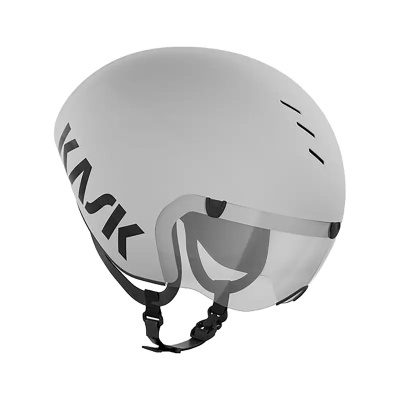
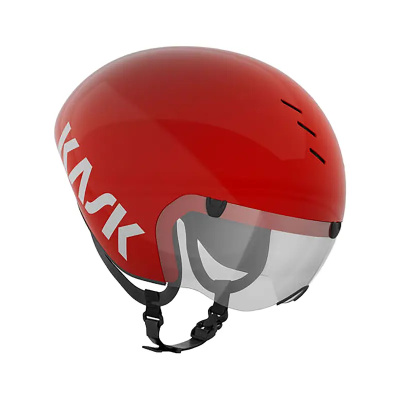
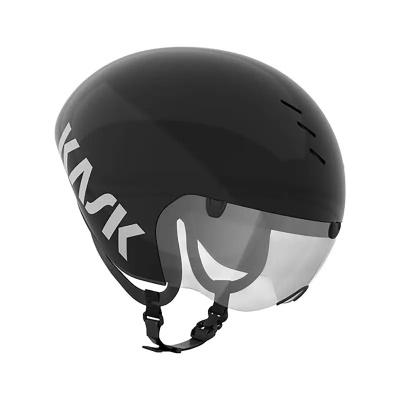
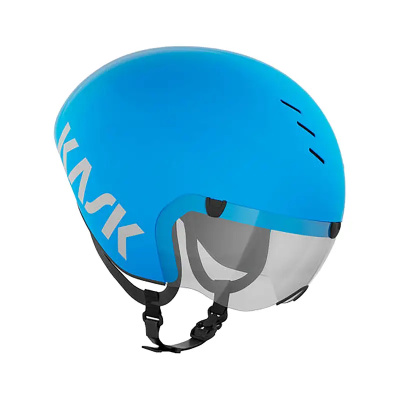
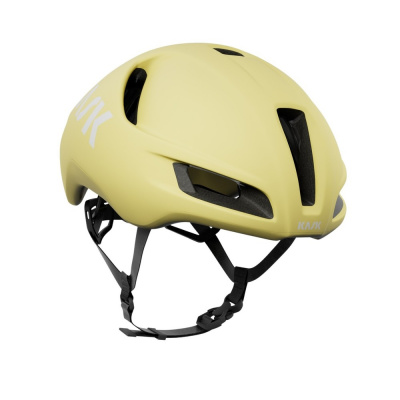
Kask Aero TT Helmets are built around a single obsession: drag reduction. Every curve, every vent placement, every millimetre of tail length has been shaped in the wind tunnel, and the results show up where it counts - on the clock. Whether you're chasing a personal best on a blustery dual carriageway or grinding through the bike leg of a full-distance triathlon, there's a Kask time trial helmet engineered for exactly that scenario.
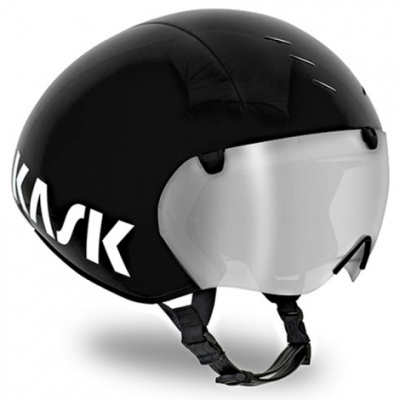
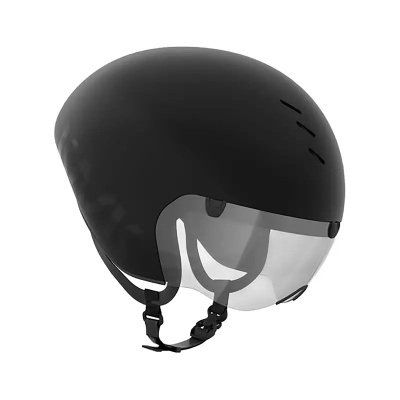
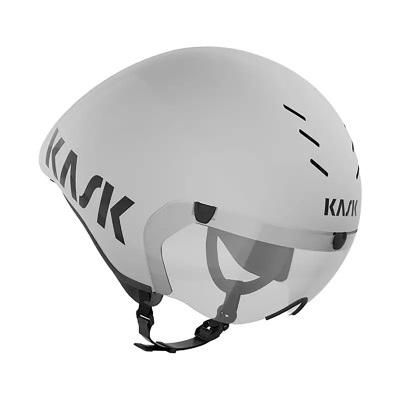
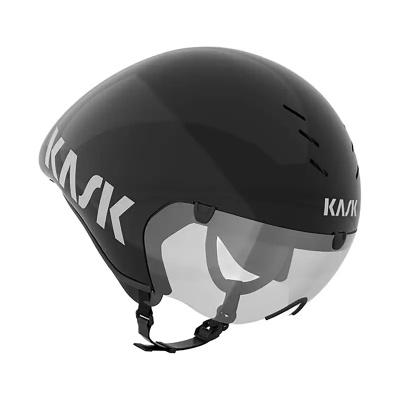
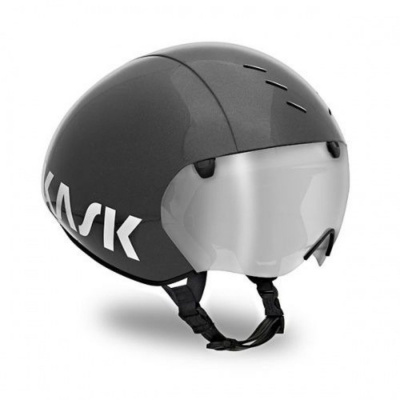
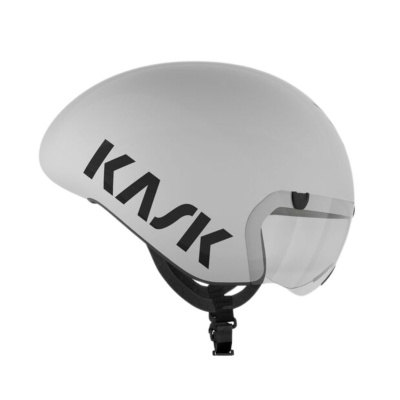
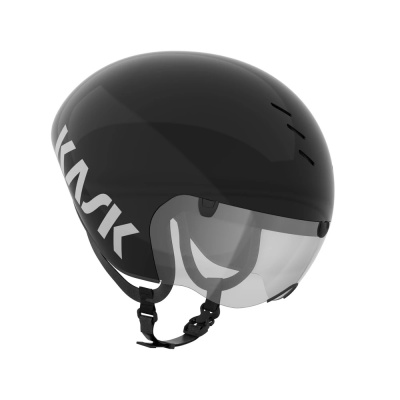
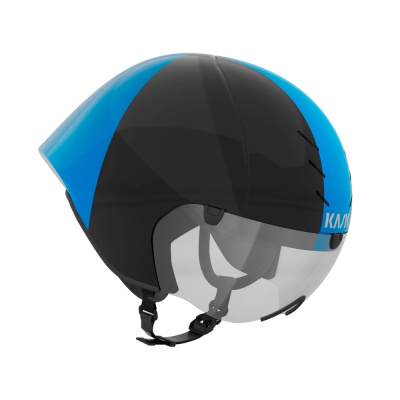
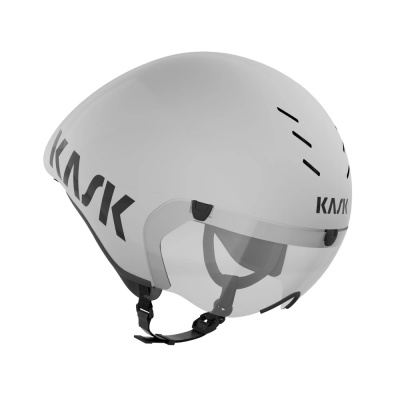
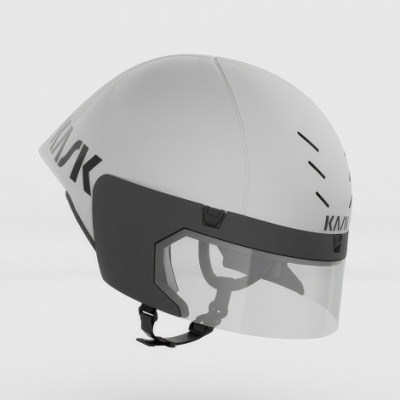
The range splits broadly into two characters. The Bambino Pro runs a short-tail shell that stays aerodynamically honest even when your head moves - useful over a long, fatiguing effort. The Mistral takes a longer tail line, designed to sit flush against your back when you can lock into a strict, static position. Both helmets carry Kask's Aero Control wind-tunnel engineering, 3D Dry tri-dimensional padding for comfort against your head on long efforts, and a magnetic visor system that snaps in and out in seconds.
Safety isn't treated as an afterthought either. Kask's WG11 rotational impact testing goes beyond standard certifications, addressing the angled impacts that real crashes actually produce. Fast and safe. That's the brief, and these helmets meet it.
Prices and availability can change quickly. Delivery charges are not always included in listed prices.
Final price, stock status and delivery terms are set by retailer. We may receive a commission on purchases made.
The Aero Control Advantage: How Kask Manages Speed and Heat Together
Most aero helmets ask you to choose: go fast or stay cool. Kask's Aero Control technology is the engineering answer to that trade-off. The shells are modelled through exhaustive wind tunnel sessions to minimise drag across a range of realistic head angles - not just the idealised position you hold for about thirty seconds in a race. That matters on exposed UK courses where concentration drifts and posture shifts.
Internally, Kask uses channelled airflow paths that draw heat away from the scalp and exhaust it out at the rear of the shell. This isn't just a comfort feature. On humid early-morning races - the kind you get at a club 10 on the North Circular or a regional championship on a misty Welsh dual carriageway - it's what stops your visor fogging mid-effort. A fogged visor at 30mph is a genuine problem, not a minor inconvenience, so the exhaust vent positioning is worth understanding before race day. The smooth outer shell surface works in tandem with this system; turbulence that builds on a textured or vented exterior gets traded away here for cleaner airflow management.
The result is a helmet that stays aerodynamically efficient even when conditions aren't playing along. If you're comparing to something like a Giro aero TT helmet, the Kask shells tend to run slightly smoother at off-axis angles, which translates to more consistent drag numbers when crosswinds arrive on exposed sections.
Bambino Pro or Mistral: Picking the Right Kask for Your Position
This is the question that comes up most often, and it's a genuinely important one. Get it wrong and you're leaving free speed on the road - or worse, wearing a helmet that fights your natural head position all race.
The Bambino Pro uses a short-tail design. When your head lifts - looking ahead on a technical section, checking a power number, or simply tiring over the final kilometres of a triathlon bike leg - the tail doesn't separate from your back and catch air. That forgiveness is why the Bambino Pro has become the default choice for triathletes, where the bike leg can last anywhere from two to six hours and positional discipline understandably fades. It's also a sensible pick for riders who race frequently on courses with corners, roundabouts, or variable road surfaces that demand more visual scanning.
The Mistral commits harder to the longer tail. When that tail sits flush against your back in a true TT position, it creates a cleaner transition from helmet to body - less aerodynamic interruption, marginally better drag figures in optimal conditions. This is the helmet for a dedicated time triallist who has drilled their position on the turbo, knows their head sits still, and races primarily on straight, predictable courses. Think national-standard riders or serious club members targeting RTTC competition rather than multi-discipline athletes.
Neither model is objectively better. They suit different riders and different events. If you're unsure which position you actually hold, video yourself on the turbo - it's often more humbling and more informative than you'd expect. For the broader Kask helmets range, including road and endurance options, we've got those covered separately.
It's also worth noting that both helmets pass Kask's WG11 rotational impact testing, which uses oblique impact protocols to assess how a helmet performs in the angled falls that account for a significant proportion of real cycling crashes. It's a more demanding standard than basic linear impact tests, and it's something Kask applies consistently across this range rather than selectively.
Visors, Conditions, and Keeping Your Lenses Right for UK Racing
UK race-day weather has a way of being two things at once - overcast at the start, suddenly bright by the return leg, damp everywhere. The magnetic visor system on Kask's aerodynamic cycling helmets is the practical answer to that. Lenses click in and out without tools, without fiddling, and without the kind of wrestling match you sometimes get with older clip-in systems. You can swap between clear, orange-tinted, and mirrored options depending on what the morning looks like when you're getting changed.
Clear lenses are the sensible default for overcast British conditions. Orange lenses sharpen contrast on flat-light days - genuinely useful on dawn starts when road surface definition is soft. Mirrored lenses handle bright summer days, though on UK courses those are rarer than the weather apps suggest. Having two lenses in your bag costs very little effort and removes one variable from race-day decision-making. Replacement lenses and 3D Dry padding are available through Kask helmet spares if you need to refresh worn pads or replace a scratched visor after a season's use.
Crosswind stability is worth a mention here too. Exposed dual carriageway courses - the kind used for RTTC-affiliated events across the Midlands, East Anglia, and parts of Yorkshire - can throw significant lateral wind at you without warning. The Aero Control shells are shaped to reduce the sail effect that longer, flatter aero helmets can create, so handling feels less nervous when a gust hits mid-effort. That's not a marginal gain in those conditions; it's a real stability benefit.
If you want to dig into complementary race-day headwear options, Kask headwear covers skullcaps and under-helmet options worth considering for cold-morning starts. For a broader look at the aero TT helmet market, brands like MET and POC offer alternatives worth comparing, particularly if fit shape or budget is a deciding factor.
Kask Aero TT Helmets FAQs
Are Kask aero helmets good for triathlons?
Very much so. The Bambino Pro is particularly well-suited to triathlon because its short-tail design stays aerodynamically effective even when you shift position or lift your head during a long bike leg. You don't need to hold a perfect, static TT position to get the benefit - which is exactly what you want over a fatiguing multi-hour effort.
How do I choose between the Kask Bambino Pro and Mistral?
It comes down to how disciplined your head position is. The Bambino Pro's shorter tail is forgiving when your head moves - ideal for triathletes and riders on technical or varied courses. The Mistral's longer tail delivers cleaner aerodynamics only when it sits flush against your back, so it rewards riders who can hold a strict, practised TT position throughout a race.
Do Kask TT helmets come with visors?
Yes. Both the Bambino Pro and Mistral include a magnetic visor that integrates cleanly into the shell. The magnetic attachment means swapping lenses takes seconds - useful when you're deciding between clear and tinted options depending on the morning's conditions. Replacement lenses are available separately through Kask's spares range.