
Giant Road Tyres
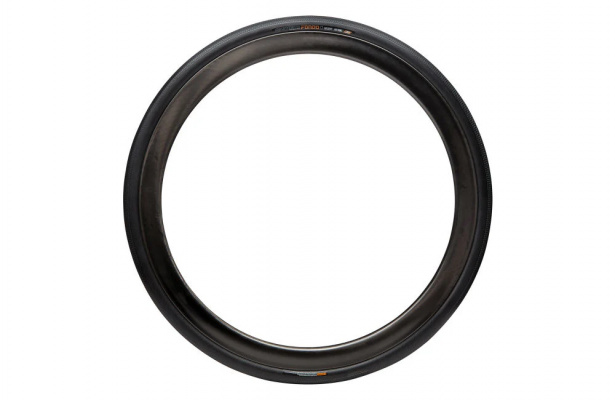
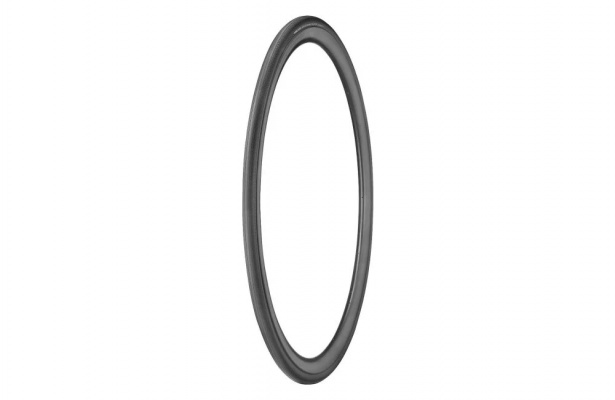
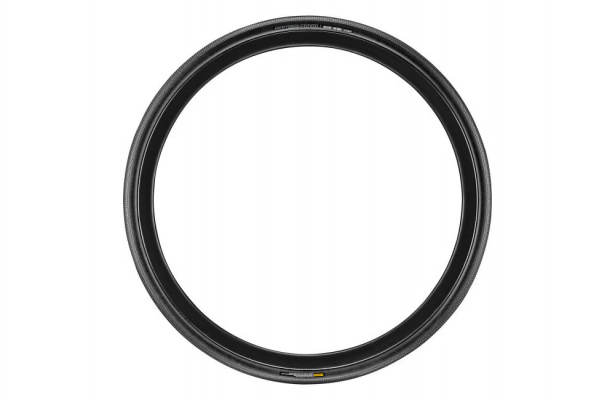
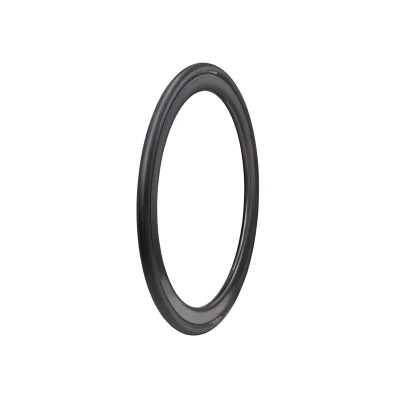
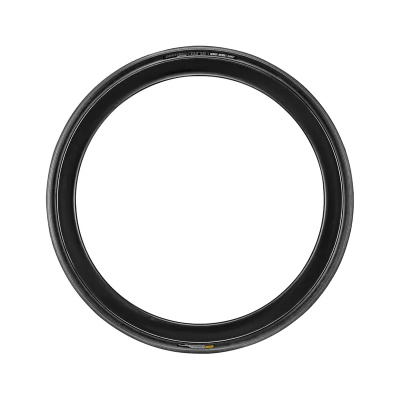
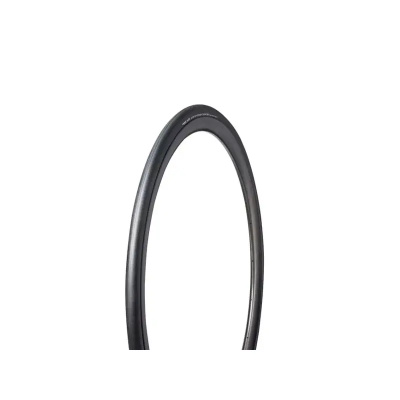
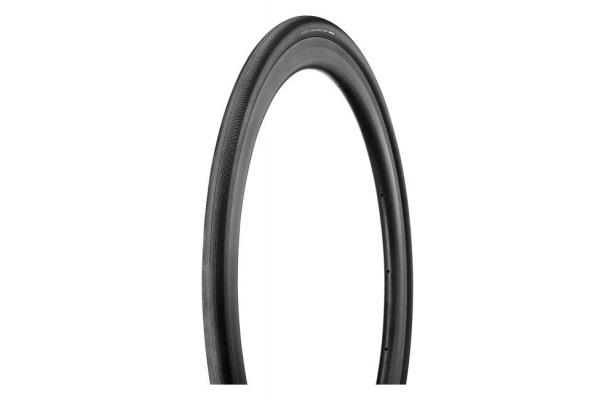
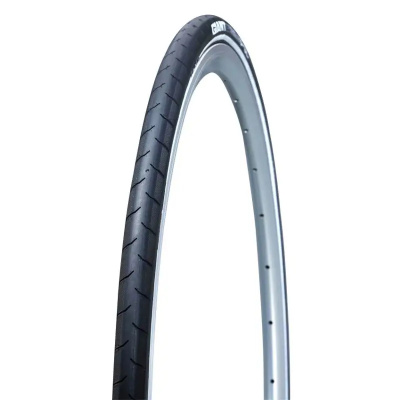
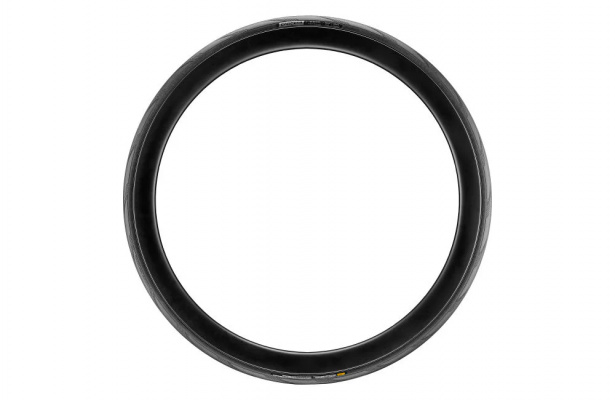
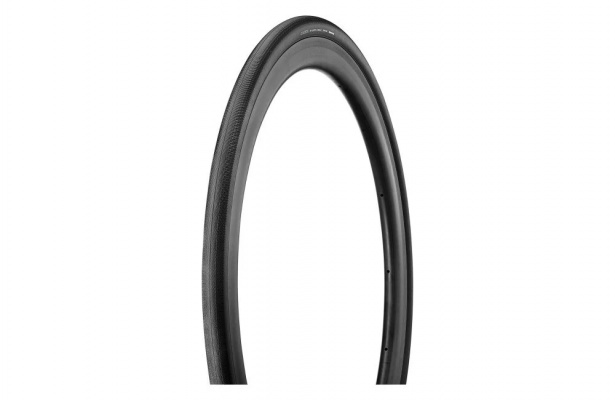
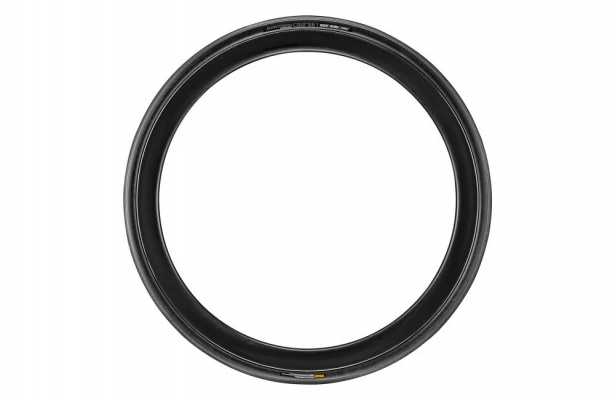
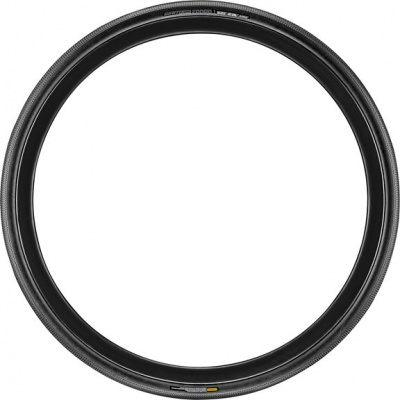
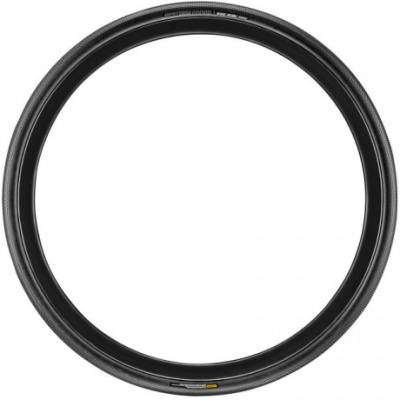
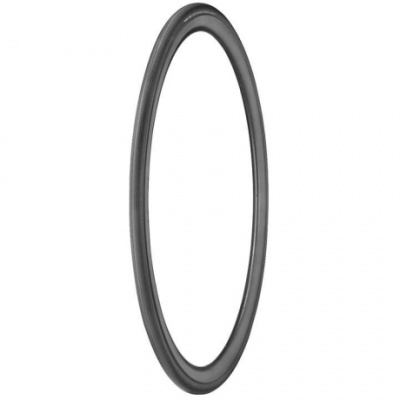
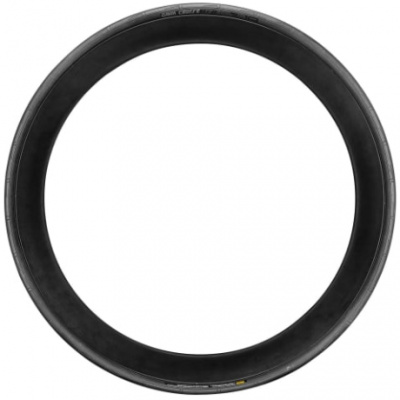
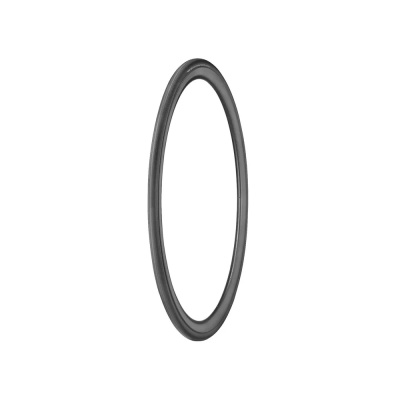
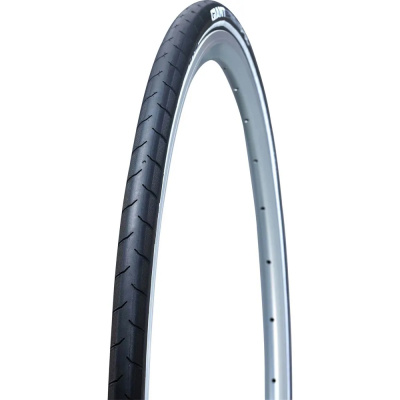
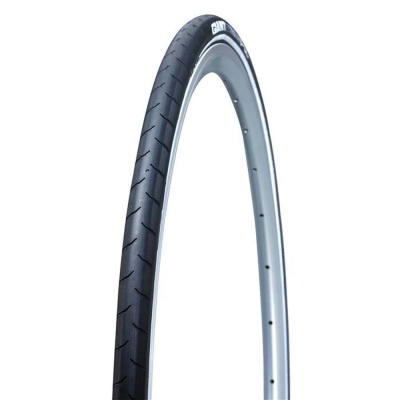
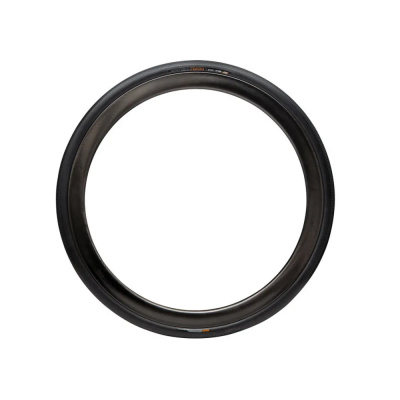
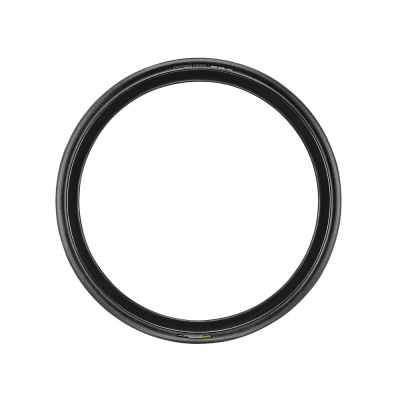
Giant road bike tyres sit at the sharp end of the tubeless and hookless road revolution, and the Gavia range is the clearest proof of that. Engineered to work in lockstep with Giant's own SLR and Cadex wide-rim wheelsets, these tyres are built around proprietary bead profiles, silica-heavy compounds, and a puncture protection system that takes UK roads seriously. Whether you're chasing a fast club run on dry summer tarmac or grinding out winter base miles through flint-scattered lanes, the range covers you without asking you to compromise in areas that actually matter.
The line-up splits cleanly between race-day speed and endurance durability. Giant's RR-S compound runs through both ends of the range, balancing low rolling resistance with mechanical grip on cold, wet surfaces - exactly what cold-morning riding in Britain demands. The Deflect puncture protection belt adds a Kevlar and nylon layer under the tread, and it's this detail that makes the tyres more than just an OEM upsell. Add proper tubeless ready (TR) construction throughout and you've got a system that integrates tightly rather than just bolting together.
If you're riding mixed surfaces or commuting, our Giant gravel and cyclocross tyres page is the better starting point. Everything here is aimed squarely at road use.
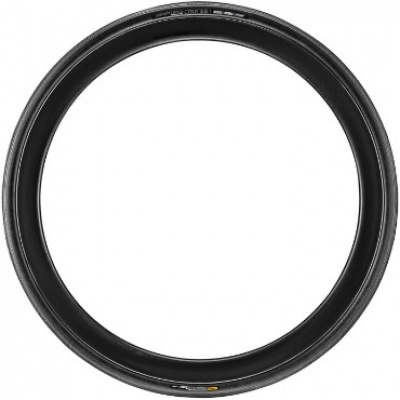
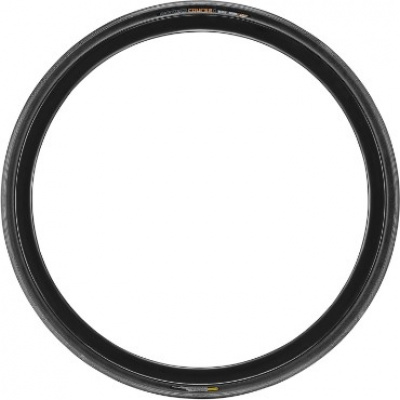
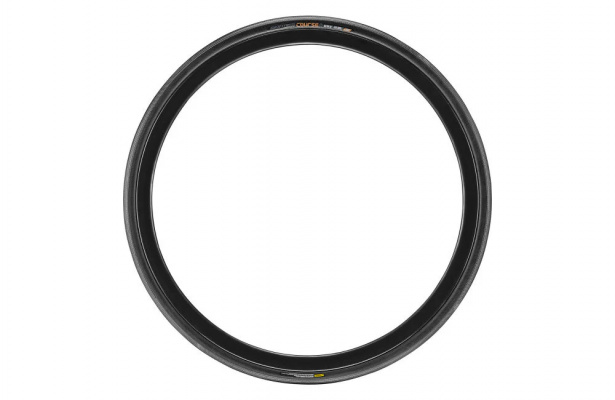
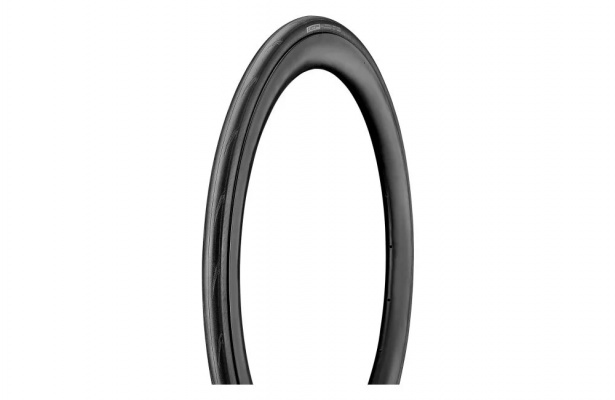

Prices and availability can change quickly. Delivery charges are not always included in listed prices.
Final price, stock status and delivery terms are set by retailer. We may receive a commission on purchases made.
Hookless Rims, ETRTO Standards, and Clearance: What You Need to Know
Giant road tyres compatible with hookless rims isn't just a marketing claim - it's a design-level decision baked into the bead construction. The stiff carbon and Kevlar bead on current Gavia tyres is specifically profiled to seat securely on Giant's hookless SLR and Cadex rims, where a floppy or inconsistent bead would be a genuine safety concern. Hookless rims require that the tyre itself does the containment work, so bead stiffness isn't optional.
The pressure limit is non-negotiable. ETRTO standards cap hookless-compatible road tyres at 72.5 psi (5 bar). Running higher than that on a hookless rim risks sudden bead ejection - not a puncture, a blowout. If you're coming from a hooked-rim setup and you're used to pumping to 90 - 100 psi, reset your habits now. Most riders find the difference in ride feel negligible, and the tyre's casing compliance does the comfort work instead.
Sizing is where things get less obvious. Mounting a 700x28c or 700x32c tyre on a modern wide internal-width rim (25mm ID or above) will balloon that tyre noticeably wider than its marked width - sometimes 2 - 4mm more. That matters for frame and fork clearance. Measure your clearance before you commit to a wider tyre, particularly if you're running a frame with tight tolerances around the chainstays. A tyre that fits on the bench can still rub under load. If in doubt, go up a frame size in clearance mentally and check the manufacturer's stated maximum width.
Compared to something like Continental road tyres, which publish detailed hookless compatibility lists, Giant's system is more integrated - it's designed first for Giant's own rims. That's a strength if you're running Cadex or SLR wheels, but worth noting if you're fitting these to a third-party hookless wheelset. Check compatibility explicitly before purchasing.
Gavia Course vs. Gavia Fondo: Picking the Right Tool
Giant splits the road tyre range into two clear disciplines, and the difference between them is real rather than cosmetic. The Gavia Course is the race-focused option: a thinner tread profile, a supple high-TPI (threads per inch) casing, and a geometry that prioritises low rolling resistance over longevity. The Gavia Fondo trades some of that suppleness for a thicker tread layer and a more robust application of the Deflect puncture protection belt - better suited to long-distance riding, sportives, and winter training where you're more likely to encounter debris and less concerned with shaving watts.
Within each model, there's a tiering system worth understanding before you spend. The '0' suffix - Gavia Course 0, Gavia Fondo 0 - indicates the premium build: a 170 TPI casing that's lighter, more compliant, and faster-rolling. You pay more, but what you're getting is a casing that conforms to road texture rather than skipping over it. The '1' suffix drops to a 60 TPI construction - heavier, more rigid, more resistant to cuts, and noticeably cheaper. For daily training or wet-weather miles, the '1' tier is a sensible call. Saving the '0' for race day and key events is exactly how many riders structure their tyre budget.
Both variants use the RR-S compound - Giant's silica-based compound that gives grip on cold, wet tarmac without the rolling resistance penalty you'd normally pay for a soft compound. Vittoria road tyres use graphene doping to achieve similar aims; Giant's approach leans more heavily on silica concentration. Neither is categorically better - they're different engineering routes to the same goal. In practice, RR-S behaves predictably in the kind of damp-but-not-soaked conditions that describe most British riding from September through April.
Size-wise, the Gavia range covers 700x25c, 700x28c, and 700x32c, with the wider options suiting endurance builds and riders who've moved to higher-volume setups. The 28c is increasingly the default for good reason - it rolls nearly as fast as a 25c at lower pressures on imperfect surfaces, which describes most UK 'A' roads.
Riding UK Winters on Giant Tubeless: Maintenance That Actually Matters
Cold, wet British tarmac is a proper stress test for any road tyre. The silica loading in the RR-S compound is specifically relevant here - silica maintains mechanical grip at lower temperatures in a way that carbon-black compounds don't. You won't get the same confidence from a summer race tyre on a January morning in the Peaks, but the Gavia line was clearly developed with year-round use in mind rather than just warm-weather press launches.
Flint is the real enemy on UK winter roads, particularly across Kent, the South Downs, and Chilterns chalk belt. The Deflect belt - that Kevlar and nylon reinforcement layer beneath the tread - won't stop every shard, but it changes the odds meaningfully. Micro-punctures that would cause a clincher to go flat overnight often seal instantly in a properly set-up tubeless system. Which brings us to sealant.
Giant's own tubeless sealant is formulated for the Giant Tubeless System, and the bead geometry on Gavia tyres is optimised specifically for Giant's hookless rims. Topping up every three to four months is the practical minimum - road tyres run at higher pressures than MTB, and that accelerates sealant drying. After a gritty winter ride, it's worth cracking the valve core and checking the sealant is still fluid. If it's clumped or dried, replace it. Thirty to forty millilitres per wheel is the right fill level for 25c or 28c fitments.
Check the bead area periodically for sealant weeping, particularly on the first few rides after a fresh install. A small amount of seeping is normal as the sealant finds any micro-gaps; persistent weeping from the same spot usually means a bead that hasn't seated cleanly. Deflate, reseat with a track pump, and reinflate. Keep a CO2 inflator in your pocket for roadside emergencies and a mini pump for top-ups - CO2 gets you moving but vents faster than air, so follow up at home. If you're not confident going tubeless yet, Giant inner tubes are sized to match and take the guesswork out of fitment. For comparison, Pirelli road tyres use a similar approach to sealant-friendly bead profiles on their P Zero range - the principle translates across systems, though sealant volumes vary by manufacturer recommendation.
Giant Road Tyres FAQs
Are Giant road tyres compatible with hookless rims?
Current Giant tubeless road tyres use a stiff carbon and Kevlar bead engineered to lock onto hookless rims securely. They're designed with Giant's own SLR and Cadex hookless systems as the primary reference. That said, they should work on ETRTO-compliant third-party hookless rims too - just verify compatibility first. The hard limit is 72.5 psi (5 bar); don't exceed it on any hookless rim setup.
How much sealant do I need for Giant tubeless road tyres?
Thirty to forty millilitres per wheel covers a standard 700x25c or 700x28c fitment. Road tyres dry sealant out faster than MTB because of higher operating pressures, so plan to top up every three to four months rather than waiting for a slow puncture to tell you it's time. Check the sealant is still fluid after a rough or gritty ride - clumped sealant won't seal anything.
What is the difference between Giant Gavia Course and Fondo tyres?
The Gavia Course is built for speed: a supple, high-TPI casing and thinner tread that keeps rolling resistance low. The Gavia Fondo adds a thicker tread layer and a more substantial Deflect puncture protection belt, making it the better call for long days, winter training, and roads where debris is part of the deal. Both use the RR-S compound - the difference is durability and casing compliance, not compound quality.