
Specialized Aero TT Helmets
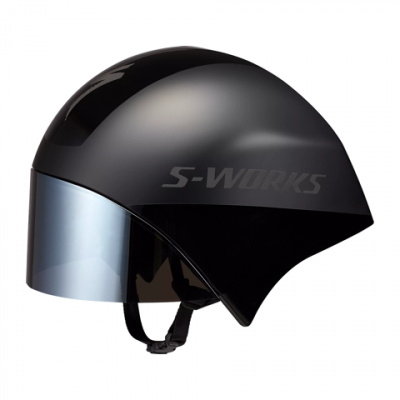
When you're racing the clock, Specialized Aero TT Helmets are among the most effective weapons you can strap to your head. Aerodynamic drag is your biggest opponent in any time trial or triathlon, and a helmet accounts for a significant chunk of the resistance you're fighting at threshold pace. Specialized attack that problem through their bespoke Win Tunnel facility, refining every curve and gill to cut drag without turning your head into an oven.
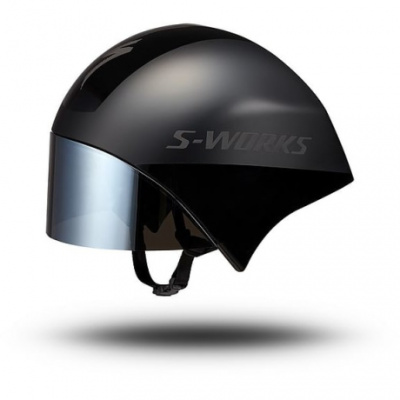
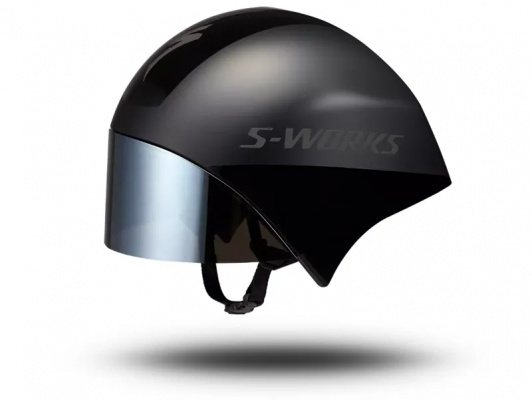
The S-Works pedigree runs through the range - expect aggressive aerodynamic shaping, MIPS SL safety integration, and magnetic visors that swap in seconds rather than minutes. These aren't helmets bolted together from off-the-shelf assumptions; they're shaped around actual TT positions, tested at realistic head angles, and refined for the kind of crosswind exposure you get on a dual carriageway course or an open-roads club 10.
Whether you're chasing a personal best on a local evening 10-miler or pacing yourself through a full-distance triathlon, a Specialized time trial helmet delivers what the sport calls free speed - gains that require no extra effort from your legs. That's a compelling argument, and the tech behind it is worth understanding before you buy.
Prices and availability can change quickly. Delivery charges are not always included in listed prices.
Final price, stock status and delivery terms are set by retailer. We may receive a commission on purchases made.
Win Tunnel Engineering and How Ventilation Fits In
Specialized's Win Tunnel isn't a marketing badge - it's a full-scale wind tunnel facility used to test helmets, bikes, and rider positions together. That matters because drag doesn't exist in isolation; the way air flows off your helmet interacts with your shoulders, your jersey, even your number. Testing in isolation gives you numbers that don't hold up on the road. Testing the complete system gives you a helmet shaped to work with how you actually ride.
The aerodynamic shaping on Specialized TT helmets prioritises a smooth, truncated tail profile that manages airflow cleanly at the back of the head. Internal channelling pulls air through the structure, drawing heat away during sustained threshold efforts. It's a meaningful detail. Sit at 400 watts for an hour on a humid July evening and ventilation stops being a luxury - it's a performance variable. The ventilation gills are placed to feed air to the parts of the scalp that heat fastest, without punching holes in the aero profile where they'd cost you drag reduction.
Crosswind stability is shaped in too. Exposed UK dual carriageway courses - think the V718 or any number of club-run 10s on open A-roads - throw crosswinds at you constantly. A poorly shaped tail can catch those gusts and pull your head offline, wasting energy and concentration. Specialized's Win Tunnel testing includes yaw angle testing precisely because real riding isn't a straight headwind. The result is a helmet that holds its line when the wind doesn't play fair.
Getting the Fit Right for Your TT Position
Fit on a TT helmet is more demanding than on a road lid, and getting it wrong costs you the aero benefit entirely. The tail of the helmet has to sit flush against your back when you're in your aero tuck. If it's riding up - pointing skyward - it acts as a brake, catching air and negating everything the shape was designed to do. Check this in your actual position, not standing upright in front of a mirror.
Specialized use micro-adjust dial retention systems that let you dial in a precise, pressure-free fit. During a long triathlon, even mild pressure becomes a distraction you don't need at kilometre 80 of the bike leg. The dial system lets you snug the helmet down without any hot spots, and the internal padding is designed to work with a race-legal cycling cap or bare skin. It's worth spending a few minutes getting the fit dialled before race day - not in transition.
Head shape matters here too. Specialized TT helmets are shaped around a relatively oval profile; if you have a notably round head, check fit carefully before committing. An aero helmet fit guide check - measuring your head circumference and comparing against the size chart - is the minimum. Better still, try it on in your tuck if you can. The sizing increments are meaningful, so don't size up hoping for comfort if the shell shape doesn't suit you. Pair your helmet with a well-fitted Specialized saddle to ensure your tuck position is consistent - your saddle height and setback directly affect the angle your head sits at, which changes how the helmet tail aligns.
Visor Management for UK Racing Conditions
The magnetic visor system on Specialized TT helmets is genuinely useful. Swapping visors on older designs required tools, patience, and usually a few choice words. The magnetic integration snaps the shield in and out cleanly, which means swapping between a tinted visor for bright morning starts and a clear visor for overcast or evening conditions is a job you can do in transition or the car park without faff.
For UK racing, visor versatility is less of a nice-to-have and more of a necessity. A bright start can turn grey and drizzly before you're halfway round, or vice versa - a dull warm-up becomes a squinting slog into low autumn sun. Carrying both a tinted and a clear visor to every event is sound practice. The S-Works TT helmet visor options include anti-fog coatings that hold up well in the damp, but clean them with a soft microfibre cloth only - paper towels scratch the coating and degrade it over time. Rinse mud off with clean water first rather than rubbing it across the surface.
Crosswind stability and visor fit are linked. A visor that flexes or rattles in a crosswind is both distracting and a sign it's not seated properly in the magnetic mounts. Check it's fully clicked home before you roll. If you're weighing up alternatives, Kask aero TT helmets and MET aero TT helmets both offer comparable visor systems worth a look, while Giro's TT range takes a slightly different approach to shield integration.
Beyond the visor itself, ANGi crash sensor compatibility is built into Specialized helmets - a small but meaningful addition for solo training rides where you're out on open roads at speed without the safety net of a group around you. It's not a race-day feature, but it's worth knowing it's there. To round out your setup, Specialized computer mounts keep your head unit in the right position for the tuck, and matching Specialized road tyres are worth considering if you're optimising across the whole package - rolling resistance is the other side of the speed equation that a fast helmet alone can't fix.
Specialized Aero TT Helmets FAQs
Are aero helmets worth it for time trials?
Yes - switching from a standard vented road helmet to a Specialized time trial helmet is one of the most effective drag-reduction upgrades you can make, and it costs you nothing in fitness. The watt savings and time gains are measurable across a range of speeds, making it a logical starting point if you're serious about your numbers.
How should a Specialized TT helmet fit?
It should sit snugly with no pressure points, and - critically - the tail must lie flush against your back when you're in your aero tuck. If the tail is pointing upward, it's catching air like a small parachute and you've lost the aero benefit. Check the fit in your actual riding position, not standing upright.
Can you wear an aero TT helmet for road racing?
Technically yes, but it's not a great idea. Pure TT helmets have limited ventilation and aren't designed for the varied pace, climbing, and bunch dynamics of road racing. Something like the Specialized Evade gives you aero gains with enough airflow to stay comfortable through a full road race.