
Ergon Rucksacks
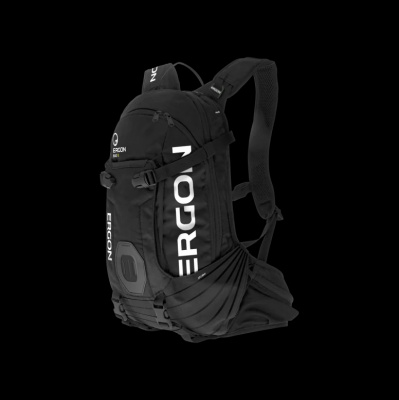
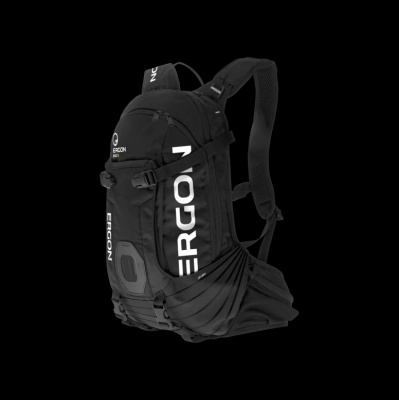
Ergon rucksacks tackle the problem that most cycling packs quietly ignore: the load shifting, spine-grinding discomfort that kicks in around hour two of a big day out. Whether you're linking singletrack above Llandegla or grinding into the office through morning traffic, the wrong pack becomes a liability fast.
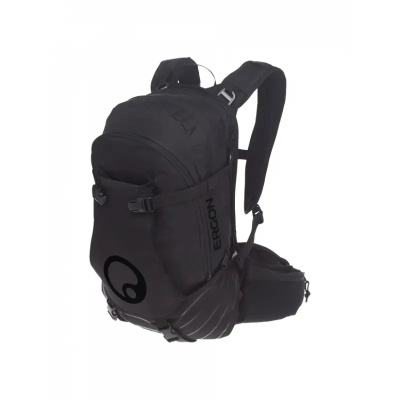
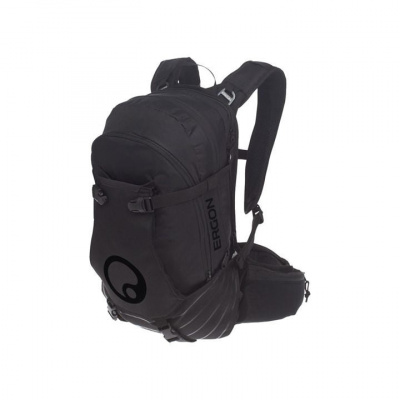
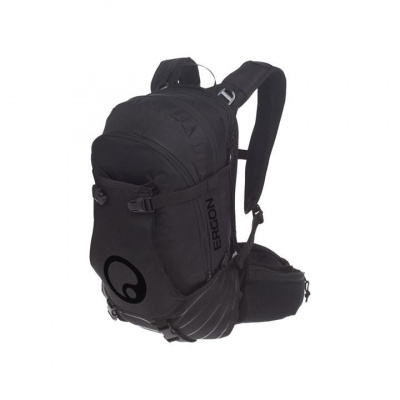
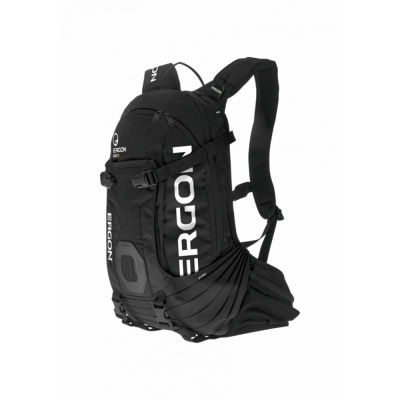
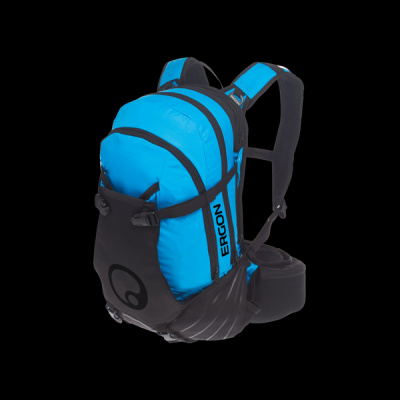
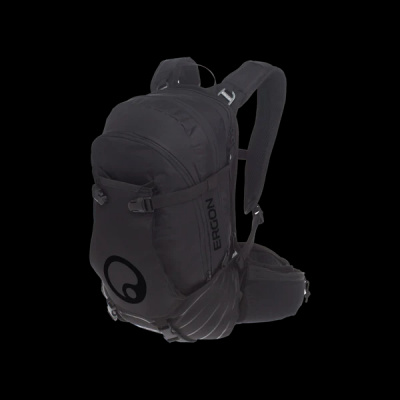
Ergon's engineering centres on the Adaptive Carrier System, which compresses cargo closer to your centre of gravity rather than letting it swing loose behind you. Pair that with the Flink® ball joint on the shoulder harness and the pack pivots with your upper body rather than fighting it - a meaningful difference when you're hammering through rooty, technical riding. The shell material is ripstop nylon with a PU coating, and the YKK zippers are built to handle grit, not just the showroom floor.
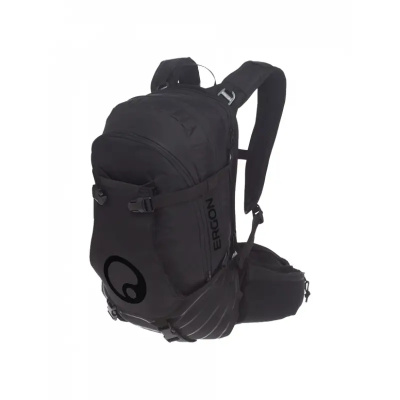
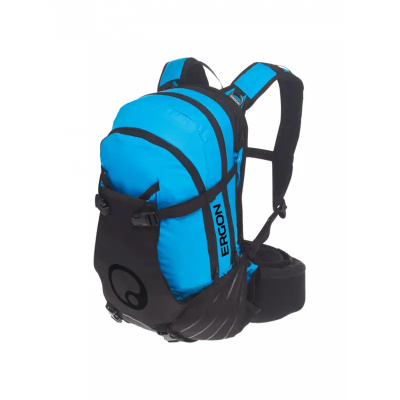
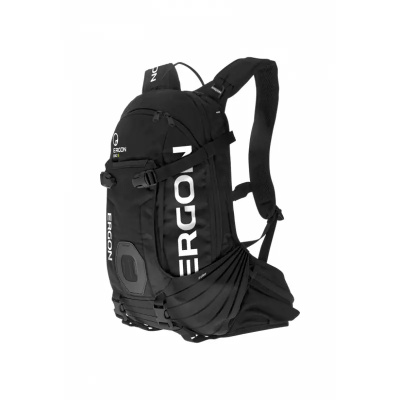
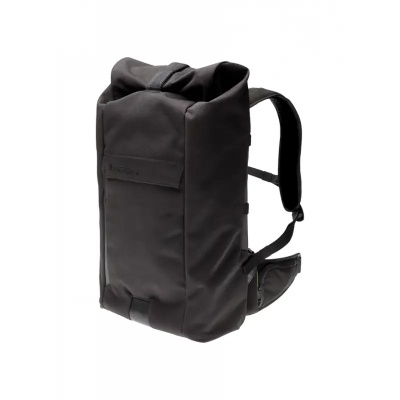
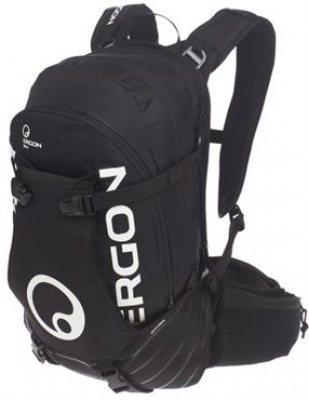
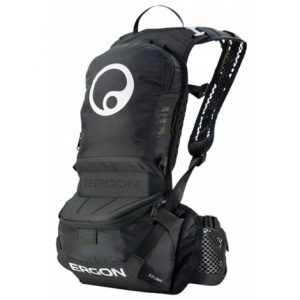
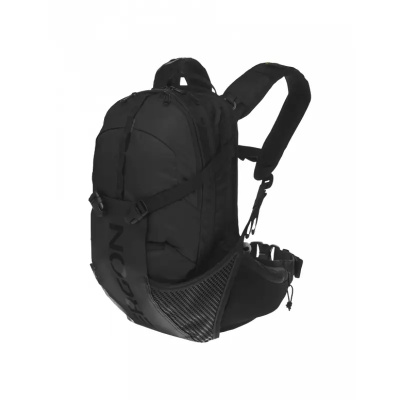
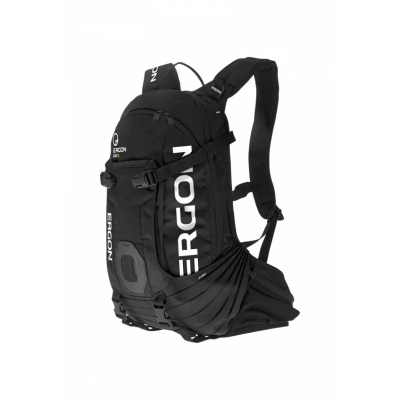
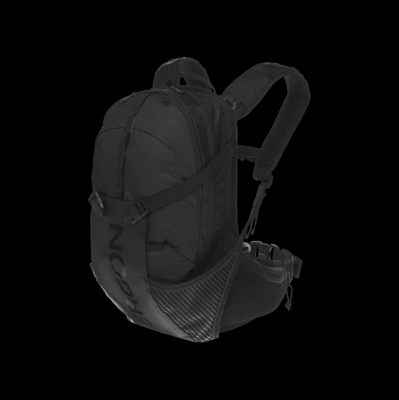
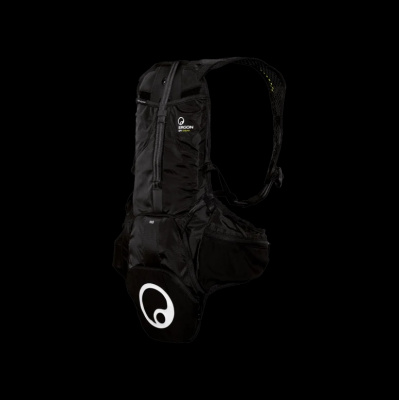
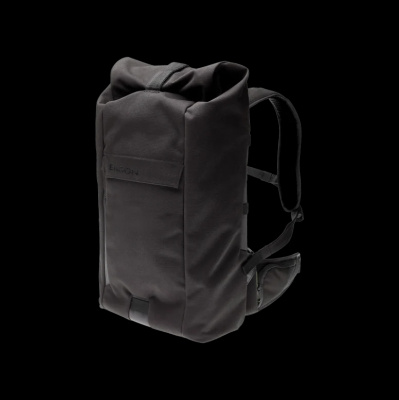
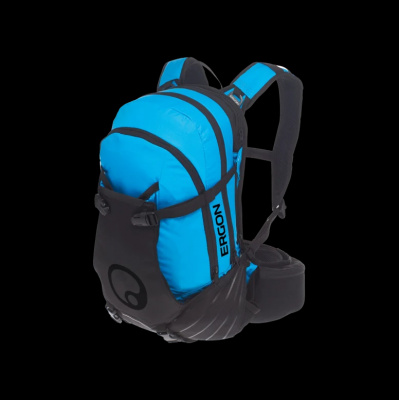
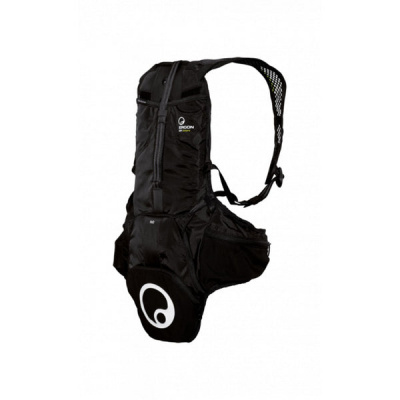
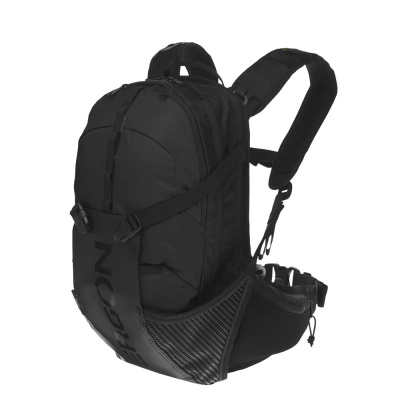
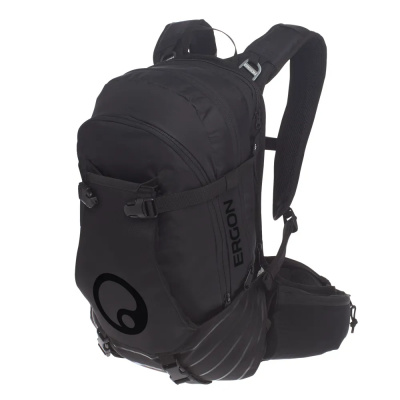
The range splits into three clear series - BA for enduro and gravity work, BX for cross-country and marathon, and BC for commuting and touring - so there's a specific answer to your specific riding, not just a one-size-fits-all sack. If you're after waist-only carry or purely liquid-focused solutions, our Ergon Hip Packs page is worth a look instead.
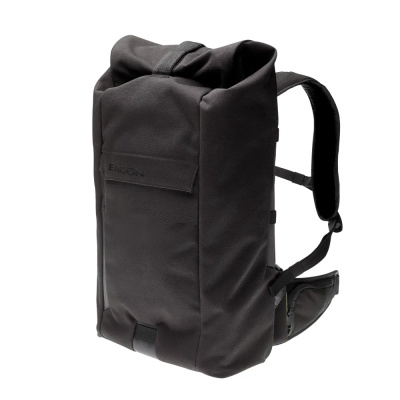
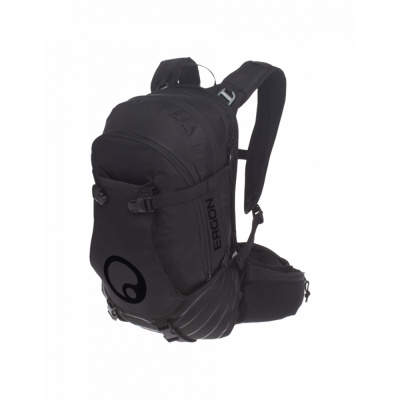
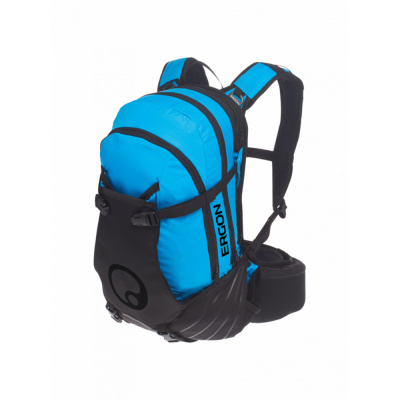
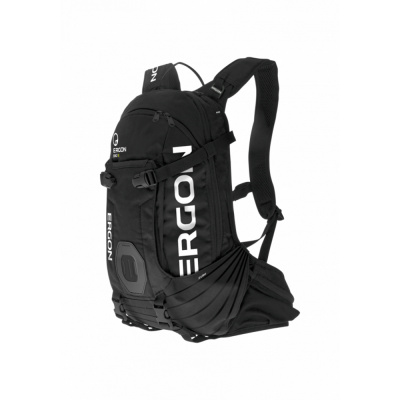
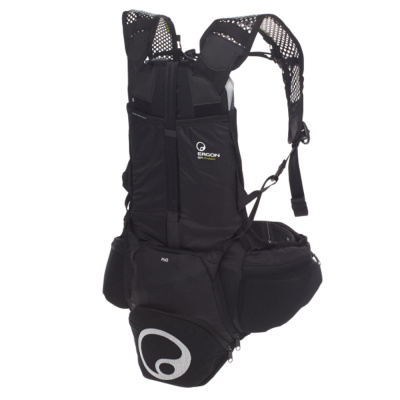
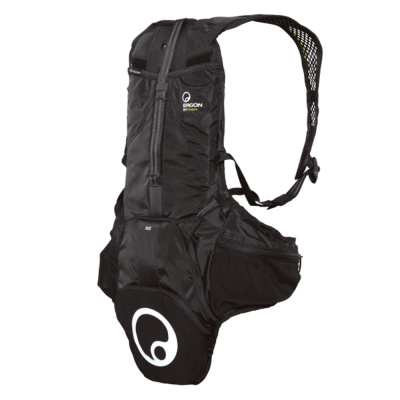
Prices and availability can change quickly. Delivery charges are not always included in listed prices.
Final price, stock status and delivery terms are set by retailer. We may receive a commission on purchases made.
Fit, Sizing and Harness Technology
A good pack adjusted badly is just a bad pack. Ergon's 4-step back length adjustment system sits behind the rear panel - detach the Velcro harness, line it up against your measured torso length (the four positions cover S through XL), and resecure. That's it. Done properly, the hipbelt takes the majority of the load and your shoulders handle guidance rather than weight. Done wrong, you're effectively carrying a pendulum.
To measure your torso length, stand upright, locate the bony prominence at the base of your neck (C7 vertebra) and measure down to the top of your hip bones. Most adults fall between 40cm and 52cm, which maps neatly onto Ergon's sizing positions. Worth doing before you ride, not in the car park five minutes before the group sets off.
The Flink® ball joint is where Ergon genuinely separates itself from packs that simply bolt the shoulder straps rigid to the back panel. The ball joint lets the straps pivot laterally as your torso twists - when you're out of the saddle, powering over a climb or throwing the bike through a corner, the harness follows your movement rather than pinching or chafing. Over a long day, that distinction is very noticeable. Strap chafing on the collarbone is a properly miserable experience; the Flink system largely eliminates it.
One thing worth flagging: if you use Ergon body armour underneath, account for the extra shoulder bulk when routing the straps. A touch more slack than you'd normally use tends to work well.
Ergon Rucksack Hierarchy: BA vs BX vs BC
Three series, three different riding realities. Getting this choice right matters more than most spec decisions.
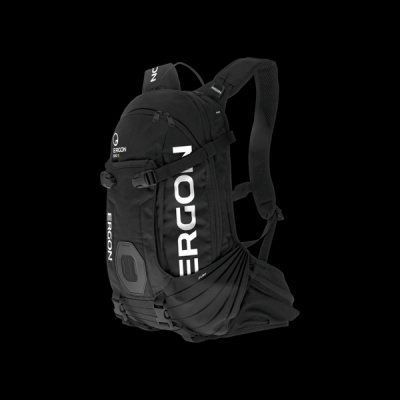
The BA (Bicycle All-Mountain) series is Ergon's answer to enduro and gravity riding. These packs are built around BP100 Back Protector compatibility - there's a dedicated sleeve behind the back panel that accepts the BP100 insert (sold separately) to bring the pack up to CE Level 1 protection without adding a separate protector vest. BA models also carry action camera mounts on the shoulder strap and are sized for bigger loads: tools, layers, spare tube, nutrition for a full day in the hills. If you're regularly riding the kind of Scottish or Welsh descents where a fall is genuinely possible, the BA series deserves serious consideration over a bare-bones pack. EVOC rucksacks occupy a similar space if you want alternatives to weigh up.
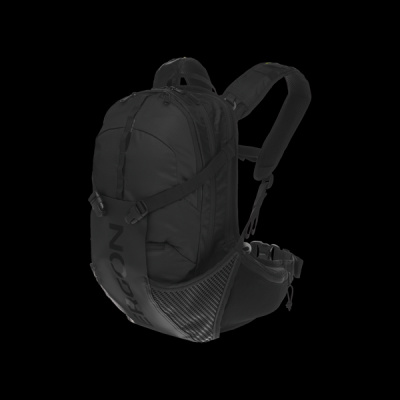
The BX (Bicycle Cross) series strips the weight back for XC and marathon riding, where every gram matters and back protector compatibility takes a back seat to packability. The harness system is the same - Adaptive Carrier System, Flink ball joint, 4-step adjustment - but the overall volume is lower and the construction is optimised for efficiency over armour integration. If your weekends are Afan trail centre laps or club sportive prep rather than gravity days, BX is the more sensible fit. CamelBak rucksacks and Deuter rucksacks are the packs you'll most often see lined up against BX models in this discipline - worth comparing harness adjustability directly.
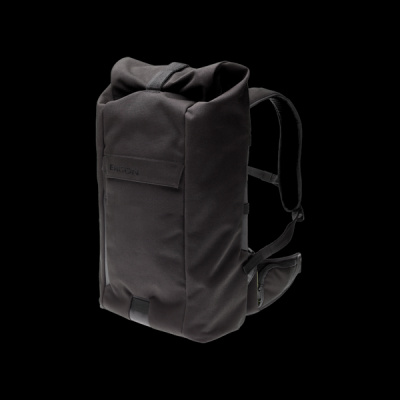
The BC (Bicycle Commute/Touring) series is the volume play. Larger main compartments, laptop sleeves, integrated rain covers designed for prolonged use, and features oriented around daily utility rather than trail performance. The ergonomic harness architecture carries across from the trail packs, which is the real reason to choose a BC over a generic commuter bag - load distribution on a 45-minute commute through city traffic adds up across a working week. Pairing a BC pack with Ergon saddles gives you a joined-up ergonomic setup that addresses contact points from both ends.
UK Weather Resistance and Pack Maintenance
British riding conditions are hard on gear in specific ways. Heavy rain is obvious, but fine grit - the kind that coats everything after a wet Peak District or South Downs ride - is quietly more destructive over time.
The ripstop nylon shell with PU coating handles light showers and wheel spray without drama. For proper UK downpours, deploy the integrated rain cover. It lives in a small stuff pocket at the base of the pack and on most BA and BC models it's high-visibility, which matters on unlit roads or late-afternoon descents. Don't skip it because you think it's a light shower - UK weather has a habit of escalating quickly.
On maintenance: do not put an Ergon pack in a washing machine. The PU coating that makes the fabric water-resistant degrades with detergent and agitation, and the EVA foam in the back panel and hipbelt can deform permanently with heat. Instead, brush off dried mud with a soft-bristled brush when it's fully dry, then wipe down with a damp cloth and mild soapy water. Rinse thoroughly and air dry away from direct heat.
The YKK zippers are robust, but grit packed into the teeth is what kills them early. After muddy rides, run a damp cloth along the zip line before the mud dries solid. A very light application of zip lubricant a couple of times a season keeps them running smoothly. It's a two-minute job that extends the pack's life significantly. Worth doing before you bother comparing a Fox rucksack or anything else - zipper failure is usually preventable rather than inevitable.
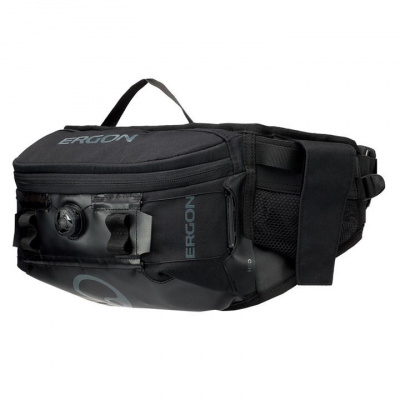
If you want additional carry without loading up the main pack on long days, Ergon hip packs stack well with the BA and BX series and keep snacks or a tool roll accessible without pulling the main pack off. And for organising the tools you're carrying in the first place, the Ergon tools range is worth a look.
Ergon Rucksacks FAQs
Are Ergon backpacks waterproof?
Ergon rucksacks are highly water-resistant - the PU-coated ripstop nylon handles light rain and mud spray comfortably. For sustained heavy downpours, most models include a deployable high-visibility rain cover stowed in the base pocket. Water-resistant and fully waterproof aren't the same thing, so use the cover when conditions are properly grim.
How do you adjust the fit on an Ergon backpack?
Ergon packs use a 4-step back length adjustment behind the rear panel. Detach the Velcro harness, align it to your measured torso length - measure from your C7 vertebra at the base of your neck down to the top of your hip bones - then secure it in the correct position. Getting this right before you ride is what unlocks all the ergonomic benefit.
Can you put a hydration bladder in an Ergon rucksack?
Yes. Most BA and BX series packs have a dedicated hydration compartment with internal hose routing. They're optimised for Ergon's own BH150 and BH300 bladders but will accept most standard 1.5L to 3L reservoirs from other brands without issue. The routing port keeps the hose clear of the shoulder strap Flink joints.