
Camelbak Rucksacks
Camelbak rucksacks have moved well beyond their hydration-pack roots - today's range covers serious commuter bags and capable trail packs with the kind of organisation and load management that actually makes a difference on a wet Tuesday or a chunky Peak District loop. The foundation is high-denier ripstop nylon construction, and the proprietary Air Support™ back panel uses body-mapping geometry to spread weight evenly and pull heat away from your back. That matters more than you'd think when you're grinding up a long climb in a waterproof jacket. Across the range, DWR-coated fabrics resist British drizzle with reasonable conviction, and several models include integrated rain covers for when the skies properly open. The Command Center™ harness keeps load locked to your torso with minimal sway, which is the difference between comfortable and miserable on a long commute or a technical descent. If you're after a bladder-integrated race or trail hydration vest, our dedicated Camelbak Hydration Packs page covers those in full. Here, we're focused on cargo-capable rucksacks - the bags you'd actually chuck your laptop, tools, or trail layers into.
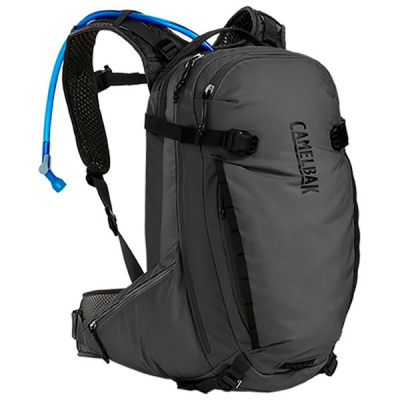
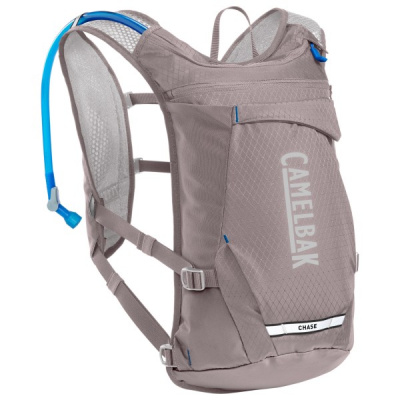
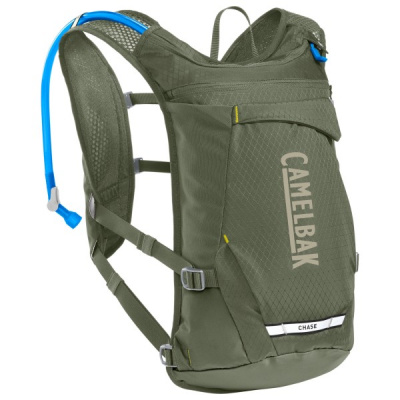
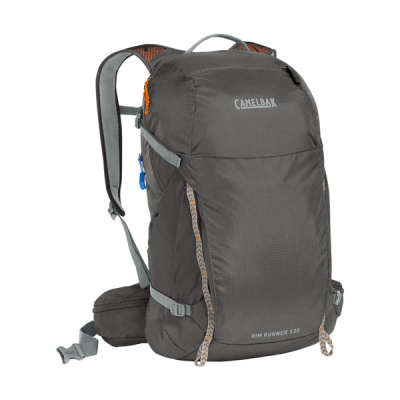
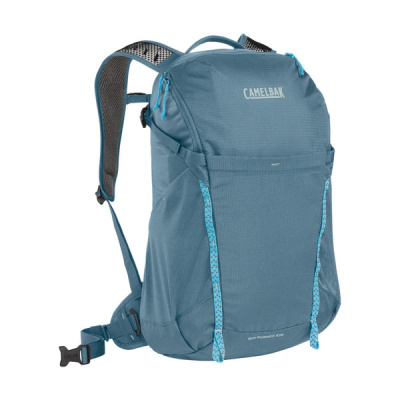
Prices and availability can change quickly. Delivery charges are not always included in listed prices.
Final price, stock status and delivery terms are set by retailer. We may receive a commission on purchases made.
Fit, Capacity and Harness Technology
Getting the fit right on a cycling rucksack is more involved than picking a size off a shelf. Camelbak sizes their rucksacks by torso length as well as volume, and it's worth measuring from your C7 vertebra (the bony bump at the base of your neck) to the top of your hip shelf before you buy. A bag that fits your back properly sits the weight over your hips, not hanging off your shoulders - you'll feel that difference after an hour on the road.
The Command Center™ harness is the system that keeps everything locked in place. Quick-access zip pockets on the shoulder straps mean you're not wrestling the bag off every time you want a gel or your phone - genuinely useful on a long commute or a multi-hour trail ride. Sternum straps with a whistle buckle keep the shoulder straps from migrating outward under load, and the whole setup is stiff enough to resist sway without feeling like a straitjacket.
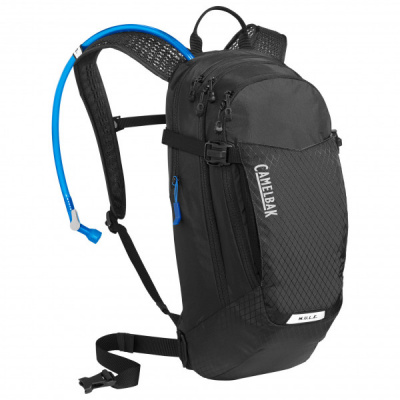
On capacity, commuter-oriented models typically run from around 20 to 30 litres - enough for a laptop sleeve, a change of clothes, and a lock. Trail-focused options like the M.U.L.E. series sit closer to 10 - 15 litres, prioritising a low centre of gravity and abrasion resistance over raw storage. Many models include helmet carry loops or a bungee system on the front panel, which is handy if you're heading to a trail centre and want to clip your lid to the outside for the walk to the shuttle. Light loops are a small touch, but they're there on the commuter packs if you want to run a rear flasher without velcroing it to your jacket.
Most Camelbak rucksacks include a dedicated hydration sleeve and tube routing port for Crux reservoir compatibility, even in commuter-spec models. Check individual specs, though - a small number of laptop-forward designs prioritise that sleeve for documents rather than a bladder.
Camelbak Rucksack Hierarchy: Commute vs. Trail
The commuter series is built for daily riders who need their bag to cope with a range of conditions without asking much of them. PU-coated fabrics, weatherproof zip sliders, reflective detailing for low-light visibility, and padded laptop compartments are the defining features. These bags are designed to go from the bike to the office without looking like you've just completed a cyclocross lap - functional, relatively streamlined, and easy to live with.
The trail-oriented packs - think M.U.L.E. and H.A.W.G. formats - prioritise different things. Abrasion-resistant panels at contact points, integrated tool rolls or tool wraps, and the capacity to carry body armour or spare layers make these the bags for a day at Afan Argoed or a longer bikepacking leg. The 3D Vent Mesh on the back panel keeps multi-directional airflow moving even when you're pushing hard uphill, and the load management is designed for rougher movement rather than smooth tarmac. If you're comparing, EVOC rucksacks offer a similarly technical approach to trail carry with protector integration, while Deuter rucksacks are worth a look if you want a slightly more traditional fit with excellent ergonomic adjustment.
One thing to be clear on: if what you actually need is a bladder-integrated hydration vest for race day or fastpacking, that's a different product category. Head to our Camelbak Hydration Packs page for bladder-specific setups - the products there are built around fluid carry first and cargo second.
Camelbak's Repurpose® Sustainability programme runs across much of the range - recycled materials and safer chemical processes in the manufacturing chain. It's not a headline feature, but it's worth knowing if provenance matters to you.
Surviving UK Weather: Durability and Maintenance
British conditions are harder on kit than most people give them credit for. It's not just the rain - it's the grit thrown up from wet roads, the muddy trail crossings, and months of high humidity that get into zips and back panels and quietly do damage.
The DWR coating on Camelbak fabrics handles light rain and persistent drizzle well, beading water off the ripstop nylon surface. What DWR doesn't do is replace fully taped seams - water will eventually find its way in at zip entry points during a sustained downpour. That's not a flaw specific to Camelbak; it's the trade-off with breathable, flexible pack construction versus a rigid dry bag. For serious rain, deploy the integrated rain cover if your model includes one. If yours doesn't, a universal cover that sits over the bag is a sensible addition to your commuter kit.
Zips deserve more attention than they usually get. Road grit and trail mud collect in the zip teeth and eventually make sliders stiff and prone to skipping. A stiff brush (an old toothbrush does the job) to clear the teeth after muddy rides, followed by a light application of silicone-based lubricant, keeps them moving freely. Avoid WD-40 on zip coils - it strips the surrounding fabric treatment over time.
Washing a technical rucksack is straightforward if you don't machine wash it. Detergents and agitation destroy both the DWR coating and the foam back panel structure. Hand wash in a tub with warm water and a small amount of mild soap, work the zip tracks with a soft brush, and air dry completely out of direct sunlight. UV exposure degrades the outer fabric over repeated cycles. Camelbak's own cleaning kits are formulated to protect coatings - worth keeping one at home if the bag sees regular use. For worn-out buckles, bite valves, or harness webbing, Camelbak spare parts cover most components rather than forcing a full bag replacement.
If you're cross-shopping on durability specifically, Altura rucksacks take a slightly more waterproof-first approach with fully seam-taped designs - a reasonable alternative if you're predominantly commuting in heavy rain rather than trail riding.
Camelbak Rucksacks FAQs
Can you put a hydration bladder in any Camelbak rucksack?
Most Camelbak rucksacks include a dedicated hydration sleeve and tube routing port designed for Crux reservoir compatibility, even in commuter-spec models. That said, some laptop-priority bags repurpose that sleeve for documents, so it's worth checking the individual model's spec sheet before assuming bladder carry is built in.
Are Camelbak rucksacks fully waterproof?
No - and it's worth being clear on that. The commuter-series fabrics use PU coatings and weatherproof zip sliders that handle drizzle and light rain confidently, but they're not submersible dry bags with taped seams throughout. In a proper UK downpour, use a model with an integrated deployable rain cover or add a universal cover for reliable protection.
How do you wash a Camelbak cycling backpack?
Hand wash only. Machine washing strips the DWR coating and breaks down the foam back panel over time. Use warm water and mild soap in a tub, scrub the zip teeth with a soft brush to clear grit, then air dry fully in the shade. Direct sunlight degrades the outer fabric coating faster than most people expect.