
Deuter Rucksacks
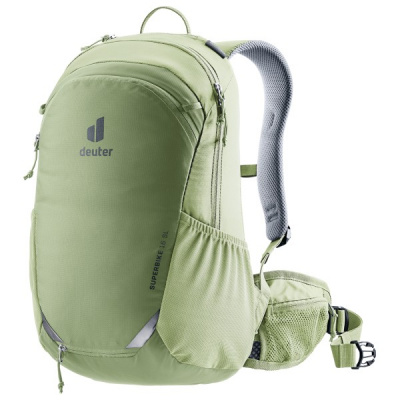
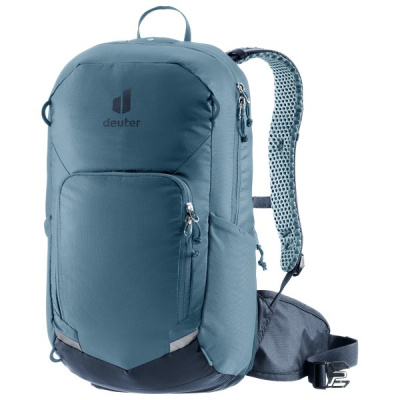
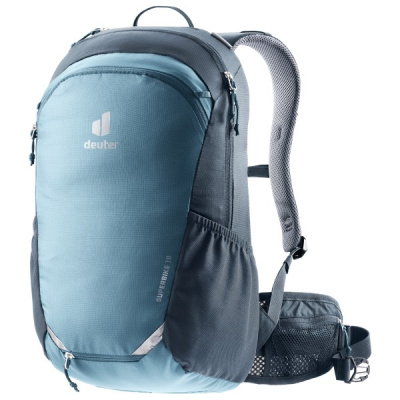
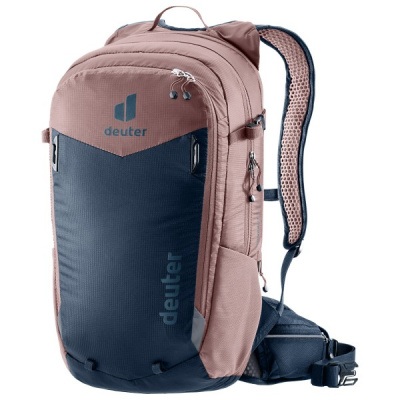
Deuter cycling rucksacks have earned their reputation the hard way - through decades of carrying real loads on real riders' backs, from Alpine traverses to sodden British commutes. The engineering is serious: Deuter's Airstripes system reduces contact between pack and back to just 20% of the panel area, which means actual airflow rather than a sweaty rectangle pressed against your spine when you're grinding up a climb.
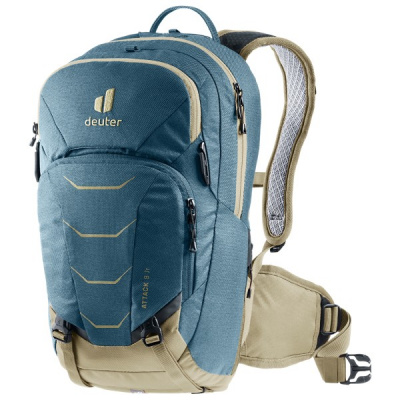
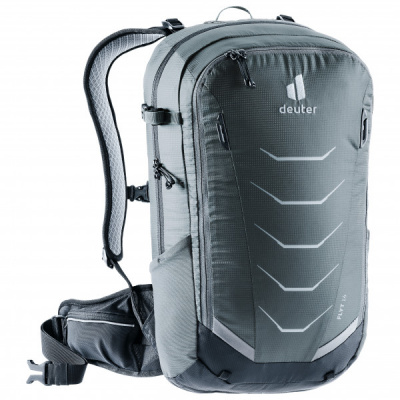
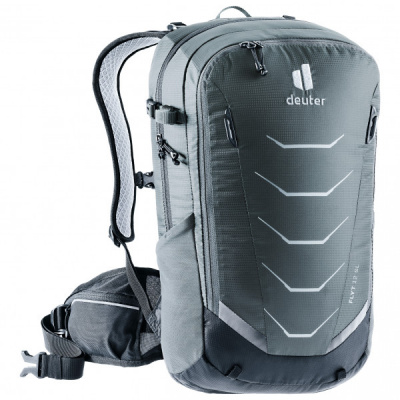
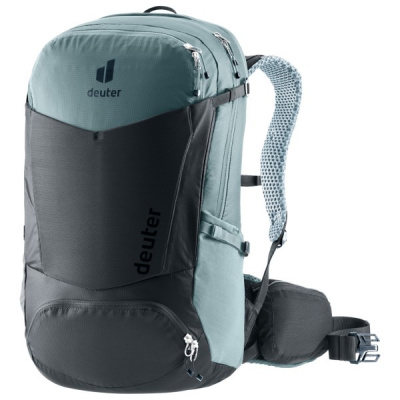
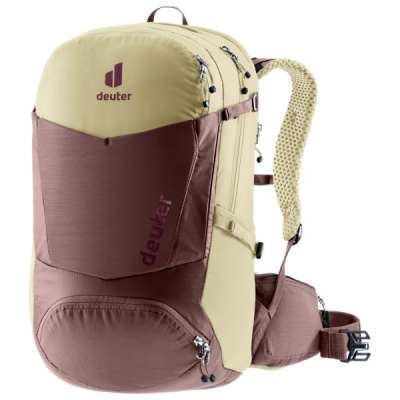
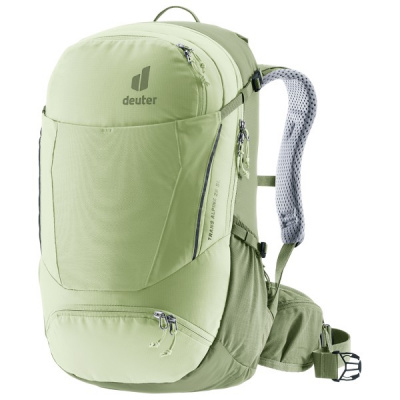
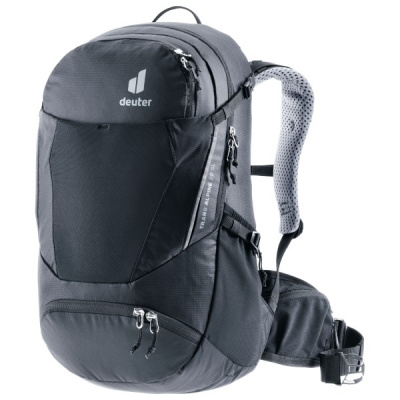
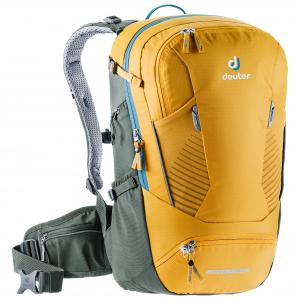
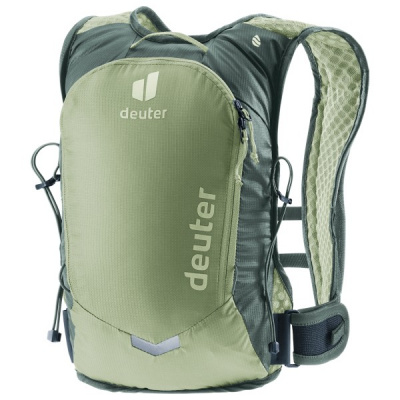
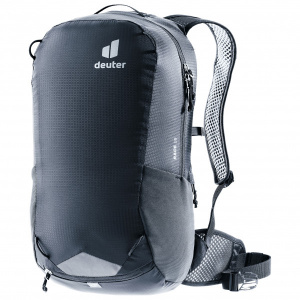
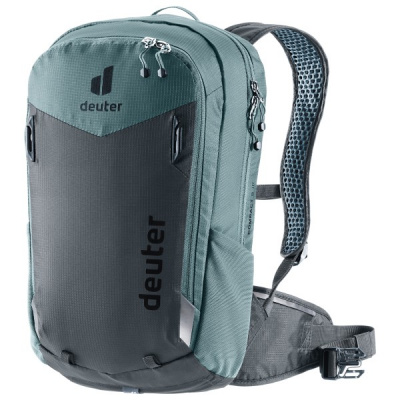
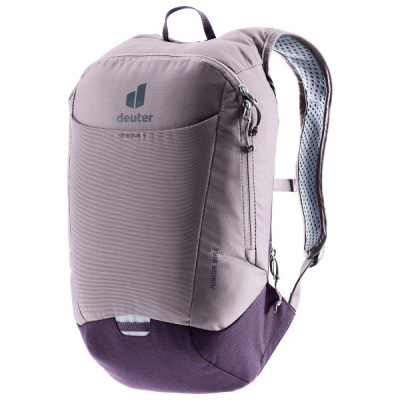
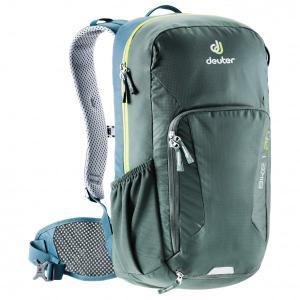
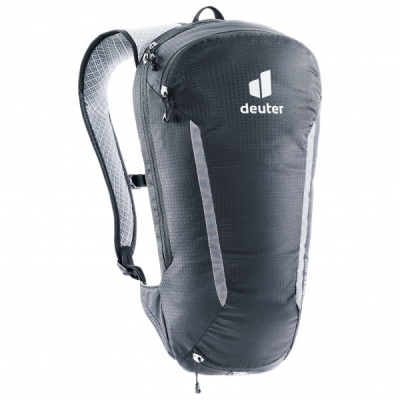
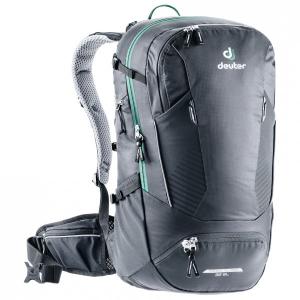
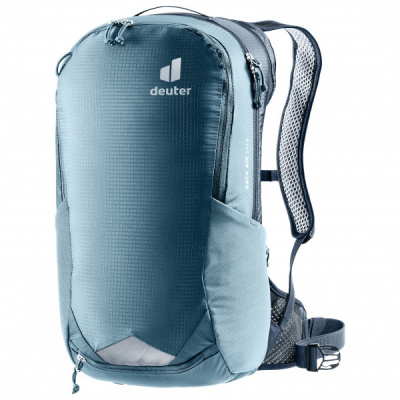
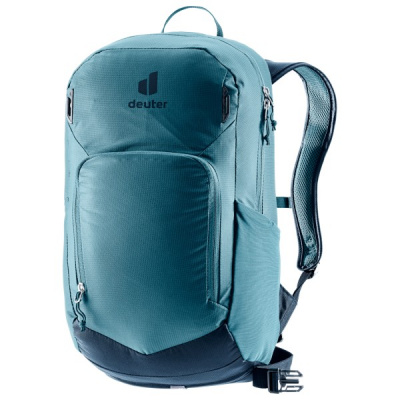
The range covers a wide spread of riding styles. There's the load-hauling Trans Alpine for touring and commuting, the stripped-back Race series for XC and road days, and the Attack series for enduro riders who want a back protector built in from the factory. All packs use ripstop nylon construction and most carry integrated rain covers - useful when you're fifteen miles from home and a Yorkshire sky decides it's had enough.
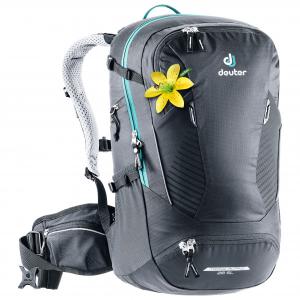
Fit matters here more than most brands acknowledge. Deuter offers standard, SL fit (shorter torso, women's-specific geometry), and EL sizing for taller riders, so you're not fighting a harness that was designed for someone else's proportions.
If you're after lightweight hydration carriage rather than cargo capacity, our dedicated Deuter hydration packs page is the better starting point.
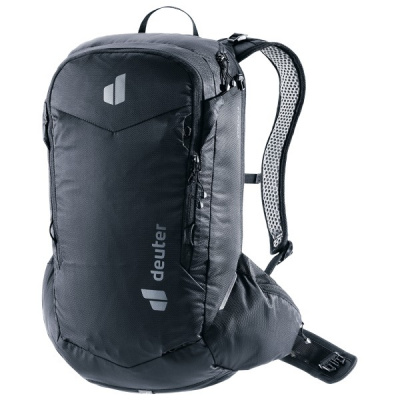
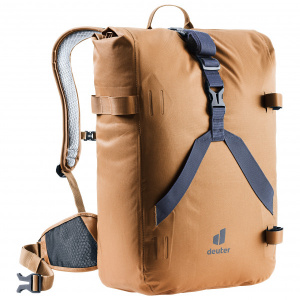
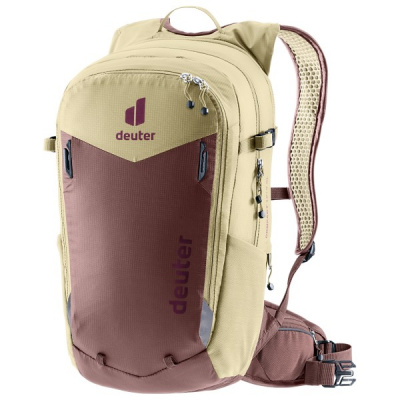
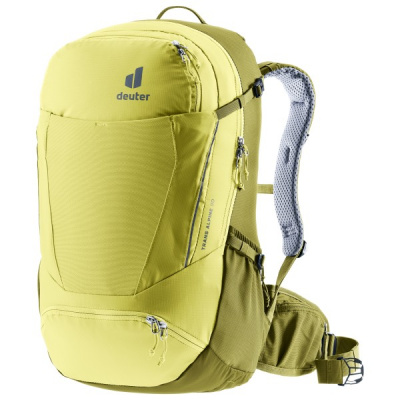
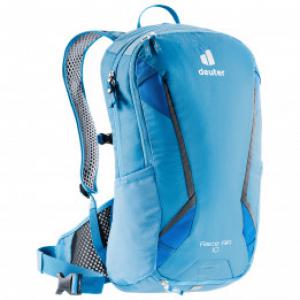
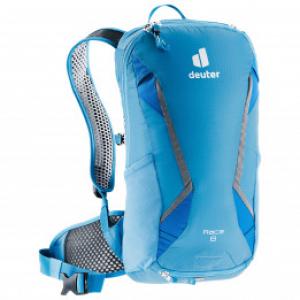
Prices and availability can change quickly. Delivery charges are not always included in listed prices.
Final price, stock status and delivery terms are set by retailer. We may receive a commission on purchases made.
Fit, Capacity and Carrying Standards
Getting the fit right on a cycling pack is the difference between a comfortable three-hour ride and a stiff neck by lunchtime. Deuter's sizing runs across three torso lengths: standard, SL (Short Length) for riders with a shorter torso or women who find most packs sit too low on the hips, and EL (Extra Long) for tall riders who've spent years with waist belts floating somewhere near their ribs. Check your torso measurement before you buy - it takes two minutes and saves a lot of frustration.
ActiveFit shoulder straps use auto-adjusting pivot points that follow arm movement rather than fighting it. On longer rides, that freedom of movement reduces the shoulder fatigue you'd normally get from a stiffer harness. The sternum strap sits on a vertical slider, so you can position it clear of your chest and breathe without restriction - particularly useful if you're running a heart rate monitor or just don't want anything compressing your lungs on a steep climb.
External carry options vary by model, but helmet clips and armour straps appear across the Attack and Trans Alpine lines. Helmet clips let you stow a lid on the outside while you're hiking a section or locking up in town. If you're running knee or elbow pads on longer descents, the armour carry system means you're not stuffing foam and plastic inside the main compartment and crushing everything else. Capacity litres across the range run from around 12 litres for race-day minimalists up to 32 litres for multi-day or heavy commuting use - think carefully about what you actually carry day-to-day before jumping to the largest option.
Deuter Rucksack Hierarchy: Trans Alpine, Race and Attack
Three distinct lines, three different jobs. Understanding which one fits your riding stops you spending money on features you'll never use - or missing the ones you actually need.
The Trans Alpine is the workhorse. It's built for riders who carry a lot: laptop or A4 documents, full waterproofs, tools, food, and possibly a change of clothes. Organisation is extensive, with dedicated laptop sleeves, internal dividers, and enough pockets to keep a commuter sane. It handles gravel riding and light touring equally well. If your rides regularly involve a lock, a u-lock, and a lock for the u-lock, this is where you start looking. Dakine rucksacks cover similar ground at the commuter end, but Deuter's harness adjustability tends to suit a broader range of body shapes.
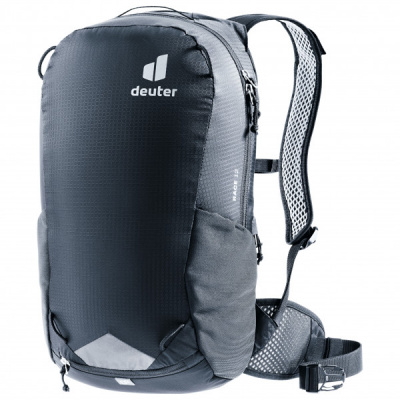
The Race series strips things back sharply. Less structure, lower weight, minimal pockets - it's aimed at XC riders and road cyclists who want water and a spare tube on board without noticing the pack is there. The Airstripes back panel still does its job, but the overall volume is smaller and the feature list deliberately lean. If you're comparing at this end of the market, CamelBak rucksacks are the natural comparison - lighter options exist in their range, but Deuter's harness construction is generally more considered for riders who spend longer in the saddle.
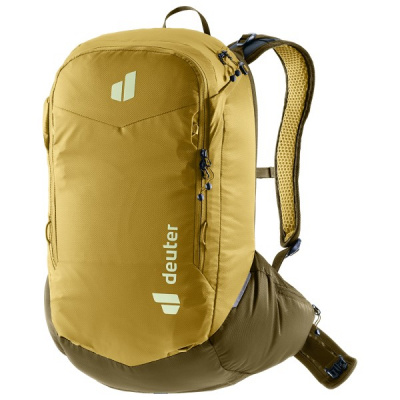
The Attack series is where Deuter gets serious about enduro and trail riding. The defining feature is the Shield System - a TÜV/GS certified SAS-TEC back protector built into the pack itself, rated to absorb impact without a separate spine protector. That's meaningful protection for riders hitting chunkier trails in the Tweed Valley or the North York Moors without wanting to layer up in full body armour. The Attack also carries helmet clips and sits close to the back to reduce movement when you're descending fast. EVOC rucksacks are the main rival here - their Hip Pack Pro and Trail Pro lines are strong - but Deuter's fit system gives the Attack a genuine advantage for longer days where harness comfort matters as much as protection.
UK Weather Resistance and Fabric Care
British riding conditions don't ask permission. A dry start on a Peak District loop can turn into a full soaking by the second climb, and winter grit has a habit of working into every seam it can find. Deuter addresses both with PFAS-free DWR coatings across the outer fabrics - these shed light spray and brief showers without the environmental baggage of older fluorinated treatments. Worth knowing: DWR performance degrades over time, particularly if you store the pack damp or run it through a hot wash. Reactivating it with a low-heat tumble dry (pack inside a pillowcase, no spin) brings the beading back without damaging the fabric.
For heavier UK downpours - the kind that arrive sideways off the Brecon Beacons with no warning - the integrated rain cover is the reliable answer. On most Deuter cycling packs it stows in its own base pocket and deploys in seconds. Many covers are brightly coloured or high-visibility, which doubles as a useful safety feature on unlit lanes in winter.
The ripstop nylon construction handles trail abuse well, but dried mud is the enemy of the waterproof backing if you scrub at it aggressively. Shake or brush off mud once it's dried - a soft brush works better than anything abrasive. For a deeper clean, wipe down with a damp cloth and mild soap, rinse thoroughly, and air dry away from direct heat. Machine washing, even on a gentle cycle, risks delaminating the DWR layer and compressing the Airstripes foam over time. Avoid it if you want the pack to perform the same way in three years as it does now. A Deuter cycling rucksack looked after properly will outlast multiple sets of components on the bike it's travelling with.
Deuter Rucksacks FAQs
Are Deuter cycling rucksacks fully waterproof?
Most Deuter cycling packs use a PFAS-free DWR coating that handles light spray and brief showers well. For sustained heavy rain - which any UK rider knows can arrive without warning - the stowable integrated rain cover provides full waterproof protection. It's worth deploying it early rather than waiting until you're already soaked.
What is the Deuter Airstripes system?
Airstripes is Deuter's back panel design: two contoured foam rails with air channels running between them. Contact between pack and back is reduced to around 20% of the panel area, so air moves freely across your back while you ride. It makes a noticeable difference on longer efforts where a flat foam panel would leave you with a damp back within the first hour.
Can I fit a hydration bladder in a standard Deuter rucksack?
Yes - virtually all Deuter cycling rucksacks include an internal hydration sleeve compatible with bladders up to 3 litres, plus a tube routing port to keep the hose tidy. If you want a pack built specifically around the bladder rather than treating it as an add-on, take a look at our <a href="https://bikesy.co.uk/b/deuter/hydration+packs/">Deuter hydration packs</a> range instead.