
Ere Research Road Wheels
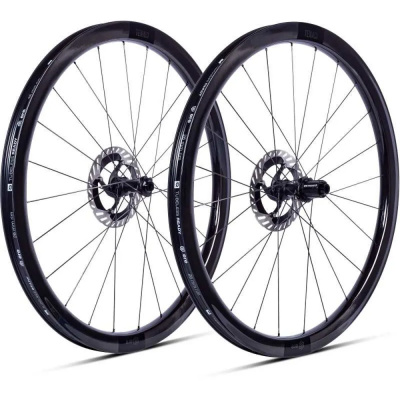
Ere Research road wheels come out of the Netherlands with a clear brief: pro-level aerodynamics, no compromises on stiffness, and hubs that actually hold up when the roads turn nasty. That combination makes them a serious upgrade whether you're chasing personal bests on a Saturday morning chain gang or grinding through a late-autumn sportive in the Peak District.
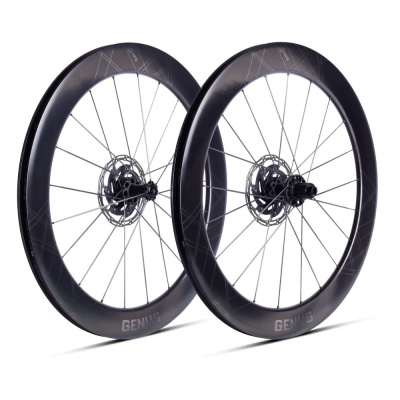
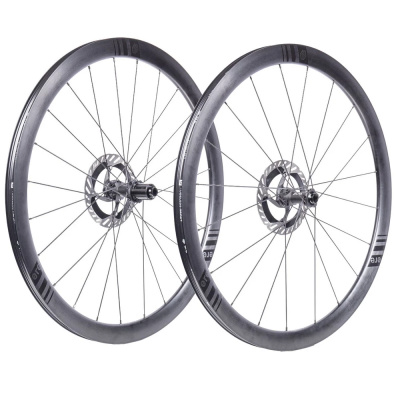
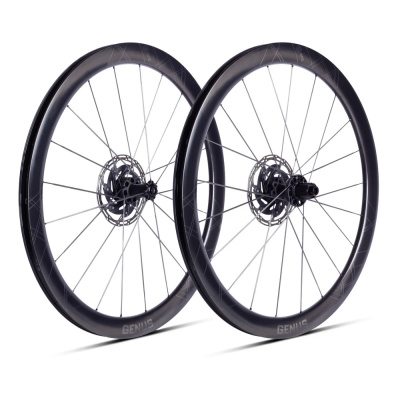
The range runs from the lightweight, race-focused Genus to the more accessible Omnia - both built around carbon fibre layups optimised for aerodynamic rim profiles, with SKF premium sealed cartridge bearings that don't rattle white flags at the first sign of winter grit. Rapid-engagement hubs mean your power goes down cleanly, whether you're sprinting out of a bend or grinding back up to speed after a roundabout.
For UK riders specifically, the wider internal rim widths across the range let you run 28c to 32c tyres at sensible pressures - which matters more than ever on British tarmac that's had another hard winter. Tubeless ready out of the box, too. Compare the best prices on Ere Research road wheels below.
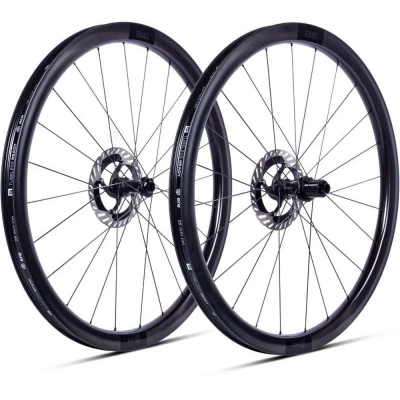
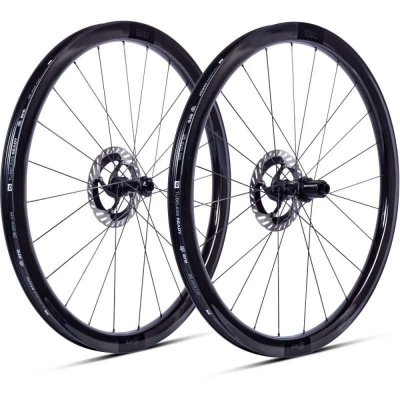
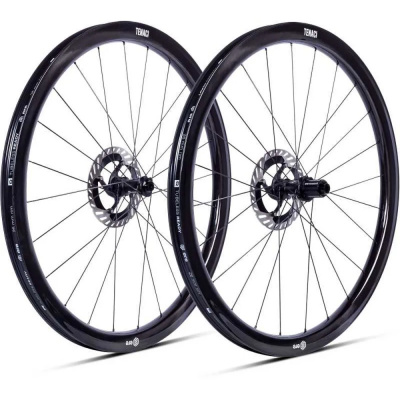
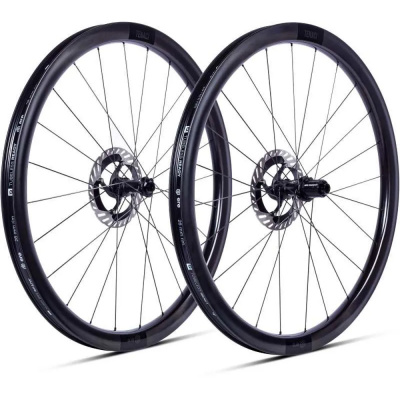
Prices and availability can change quickly. Delivery charges are not always included in listed prices.
Final price, stock status and delivery terms are set by retailer. We may receive a commission on purchases made.
Fitting Ere Research Wheels to Your Bike
Getting the fitment right before you buy saves a lot of faff. All current Ere Research disc brake road wheels use 12mm thru-axle standards - 12x100mm up front, 12x142mm at the rear - which covers the vast majority of modern road and endurance frames. If you're still running a quick-release setup on an older frame, these aren't the wheels for you.
Rotor mounting is Centerlock disc across the range. That's the cleaner, more precise standard, but it does mean you'll need a Centerlock-compatible rotor or an adapter if your current rotors use a six-bolt pattern. Worth checking before you order.
Freehub body options cover the two main camps: Shimano HG for 11- and 12-speed Shimano and compatible groupsets, and SRAM XDR for 12-speed SRAM AXS setups. Campagnolo riders will want to confirm compatibility directly before committing. The freehub body is user-swappable on most Ere hubs, which is a genuinely useful detail if you ever switch drivetrain.
Internal rim width typically sits at 21mm or wider across the disc road range. That's the right shape for pairing with 28c to 32c tyres - the kind of rubber that actually makes sense on UK roads - and keeps tyre profile rounded for predictable cornering rather than the pinched, balloon-on-a-pencil look you get from older, narrower rims. If you're running 25c tyres on a race-only build, these wheels still work, but you're not getting the full benefit of the rim geometry.
Genus vs Omnia: Which Line Suits You?
Ere Research organises their road wheel range into two distinct lines, and the difference isn't just marketing language - it reflects a genuine choice between racing ambition and everyday versatility.
The Genus sits at the top. It uses a more aggressive carbon fibre layup for maximum stiffness-to-weight, and it's laced to Iridium hubs - Ere's flagship hub system with rapid engagement and the kind of smooth, precise rotation you'd expect from a wheel that's been spec'd on professional race programmes. If you're a competitive club rider or a time-trialler who wants the lightest, stiffest option in the range, the Genus is where to look. The trade-off is that the premium construction pushes the price up, and the stiffer layup will transmit more road buzz over a four-hour ride than an endurance-focused build.
The Omnia takes a different approach. The carbon construction is still genuinely good - these aren't entry-level hoops with a carbon label slapped on - but the layup prioritises compliance and durability over chasing the last few grams. The hub spec is slightly heavier, but the aerodynamic rim profiles (including AE45 and AE65 depth options, designed and refined in the Netherlands) mean you're still getting real aero gains over a typical alloy wheelset. For sportive riders, enthusiastic club cyclists, or anyone who wants carbon performance without treating the wheels like museum pieces, the Omnia makes a strong case. It also handles the odd harsh impact with a bit more composure - relevant if your regular routes include the kind of repaired-then-forgotten B-roads that seem to make up a third of the British road network.
Both lines use the same SKF bearing specification, which is a meaningful equaliser. You're not getting a cut-price bearing in the Omnia to hit a lower price point.
Compared to similarly priced options from DT Swiss or FFWD, the Ere range holds up well on build quality and hub engineering. Mavic and Campagnolo offer their own takes on the aero carbon segment, but Ere's Dutch-developed rim profiles give them a distinct aerodynamic identity rather than a generic depth-chart approach.
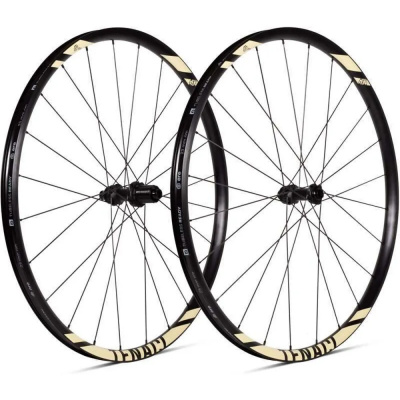
Taking your drop-bar bike off-road? Skip the aero road profiles and explore our dedicated Ere Research Gravel Wheels for wider internal rims and reinforced layups.
Surviving British Roads: Bearings, Tubeless, and Winter Miles
UK riding throws a lot at a wheelset. Not just rain - though there's plenty of that - but the combination of grit, road salt, standing water, and the kind of surface degradation that makes some county council roads feel more like a gravel track than tarmac. Bearing quality isn't a nice-to-have here; it's the difference between wheels that feel crisp after two winters and wheels that develop that slightly grinding, slightly vague rotation that tells you money's been wasted.
Ere Research uses SKF premium sealed cartridge bearings throughout the hub range. SKF are an industrial bearing manufacturer with a serious reputation - these aren't generic cartridges sourced to a price. The sealing is the key detail for wet-weather riding: it keeps moisture and particulate contamination out of the bearing race far more effectively than basic contact seals. You'll still want to keep up with servicing intervals - every winter season of heavy mileage, check the bearings for play and repack or replace as needed - but you're starting from a much better base than most.
All current Ere Research carbon road wheels are tubeless ready straight from the box. Running tubeless is the single most practical upgrade you can make for UK riding conditions. Hedge-clipping thorns, flint fragments, and the general debris that accumulates on rural lanes will cause far fewer ride-ending punctures when there's no inner tube to pinch-flat or slice. Set up with a good quality sealant - 30 - 40ml per tyre is a reasonable starting point - and check sealant levels every couple of months, as it dries out faster in warm conditions. The hooked rim design on Ere wheels seats tubeless tyres securely; you shouldn't need to fight them on.
On exposed crosswind sections - think open fenland roads or the high moorland lanes above Hebden Bridge - the AE45 rim depth gives you meaningful aero gains without the handling nervousness that deeper 60mm-plus profiles can introduce in gusty conditions. The AE65 is faster in a straight line but demands a bit more attention when a lorry overtakes you on a windy A-road. Worth factoring in if your regular routes include a lot of exposed riding. Riders wanting the sharpest aero performance regardless might also want to look at ENVE for comparison, though at a notably different price point.
On freehub servicing: the Iridium and Torque hub systems both feature rapid-engagement mechanisms that respond quickly when you accelerate out of a corner or sprint from a standstill. Rapid engagement designs can accumulate grit in the mechanism if they're not flushed out periodically, so after a particularly grim winter block it's worth pulling the freehub body, cleaning the internals, and re-greasing. It takes twenty minutes and the hubs will feel noticeably crisper afterwards.
Ere Research Road Wheels FAQs
Are Ere Research wheels good for UK roads?
Very much so. The SKF sealed cartridge bearings deal with British rain and road grit better than most, and the wider internal rim widths let you run higher-volume tyres at lower pressures - which takes the edge off rough tarmac and potholes. They're not delicate race-only wheels; they're built to be used properly.
What is the difference between Ere Genus and Omnia wheels?
The Genus is the flagship - lighter carbon layup, stiffer construction, and top-tier Iridium hubs for maximum power transfer. The Omnia prioritises compliance and durability alongside strong aerodynamics, with a slight weight penalty. Both use SKF bearings. If you race regularly and want the sharpest performance, go Genus. If you want carbon aero for all-season riding, the Omnia is the more sensible fit.
Are Ere Research road wheels tubeless compatible?
Yes, all current Ere Research carbon road wheels are tubeless ready out of the box. The hooked rim design locks tubeless tyres in securely, letting you run lower pressures for better grip and puncture resistance. Add 30 - 40ml of sealant per tyre, seat the tyre with a track pump or compressor, and you're set.