
ENVE Road Wheels
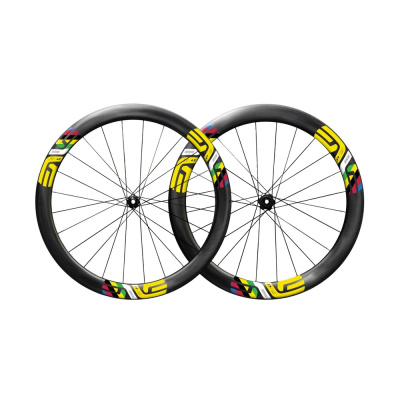
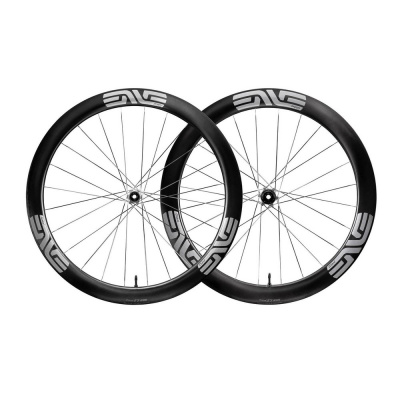
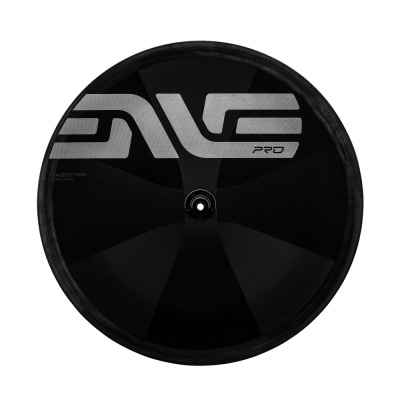
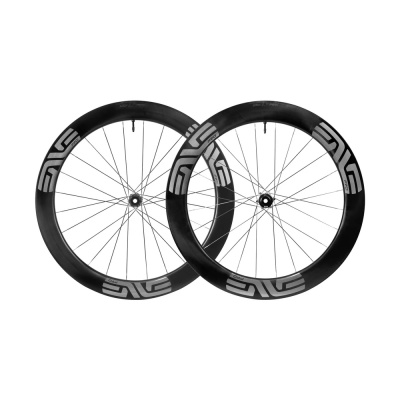
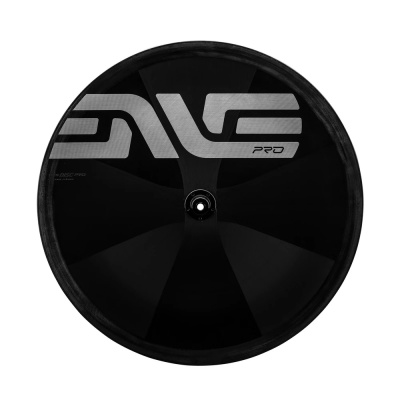
Enve road wheels sit at the sharp end of carbon wheelset engineering - genuinely hard to argue with if you're chasing real speed gains on UK roads. Built in Ogden, Utah, Enve's approach centres on their Smart Enve System (SES), which uses front and rear specific rim shapes to cut aero drag while keeping you planted when a gust catches you broadside on an exposed coastal road or open moorland. That's not a small thing in this country.
The Wide Hookless Bead design lets you run tubeless at lower pressures - more grip, less jarring on broken tarmac, and better protection for the carbon rim when a pothole catches you out. Pair that with Innerdrive Premium Hubs featuring oversized steel ratchets, and you've got fast engagement every time you wind it back up after a corner. Two main lines to know: the flagship SES range for riders who want every aerodynamic advantage available, and the Foundation wheelsets for those who want Enve's core carbon quality without the top-tier outlay. Both use tubeless-compatible hookless rims, both are disc-brake specific. Find the right fit for your riding below.
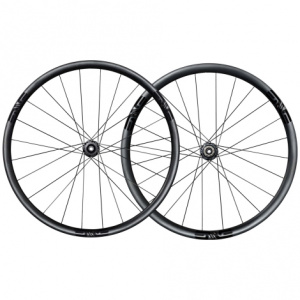
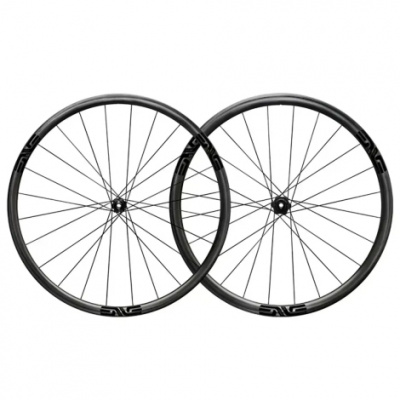
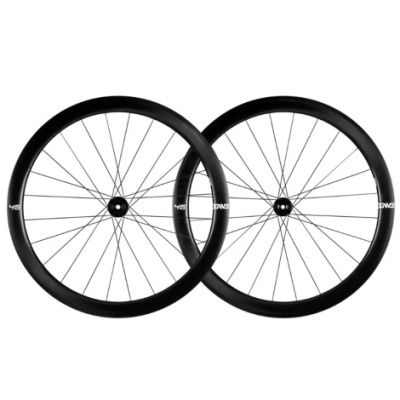
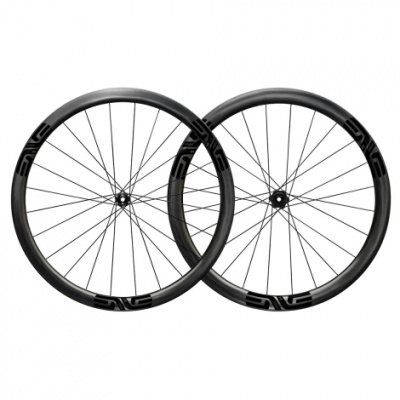
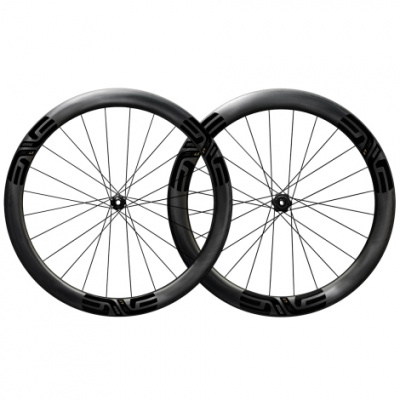
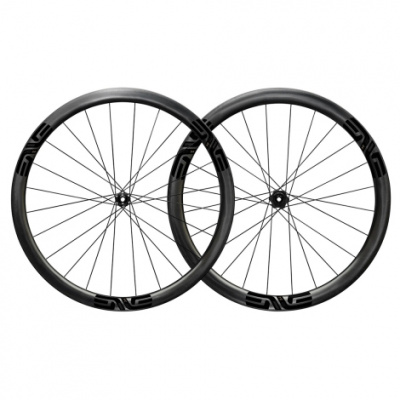
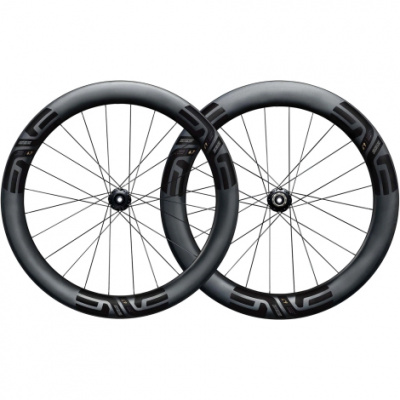
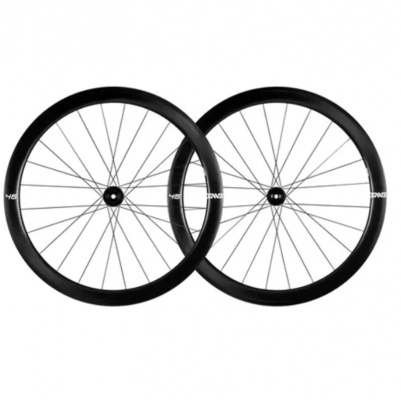
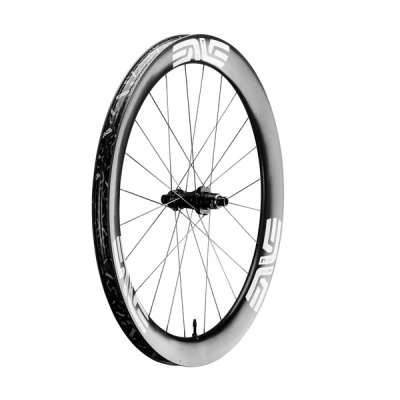
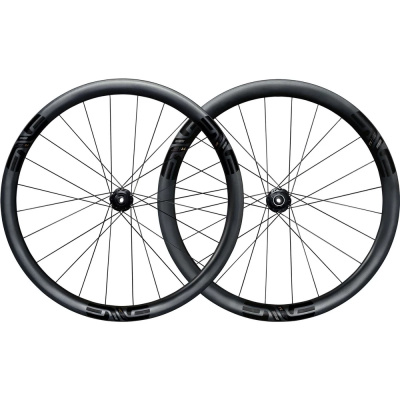
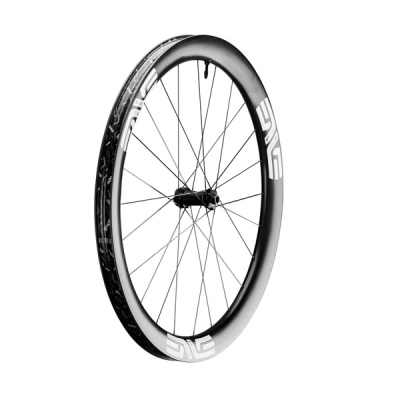
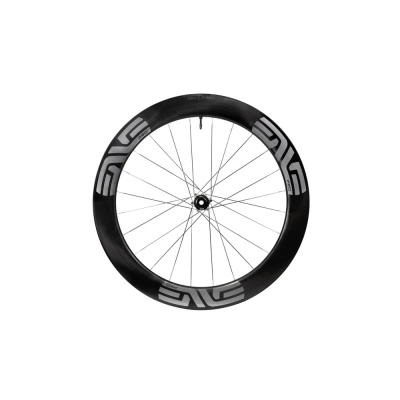
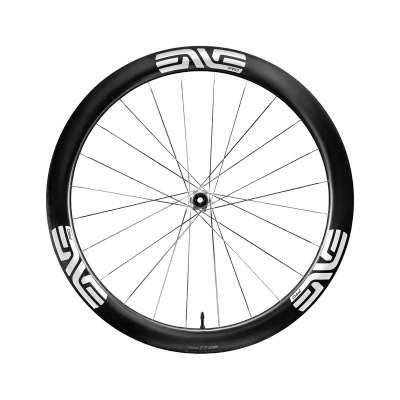
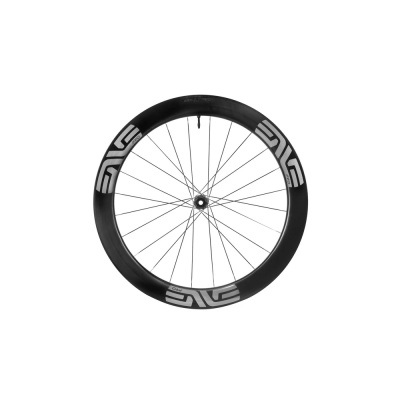
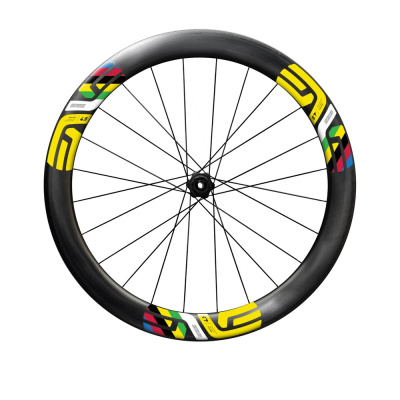
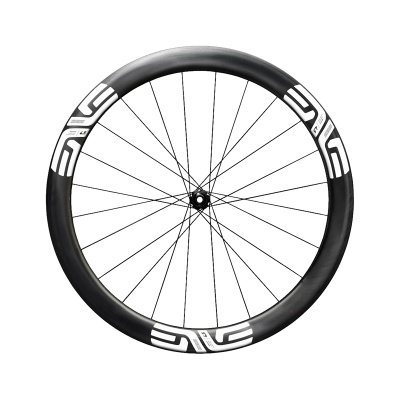
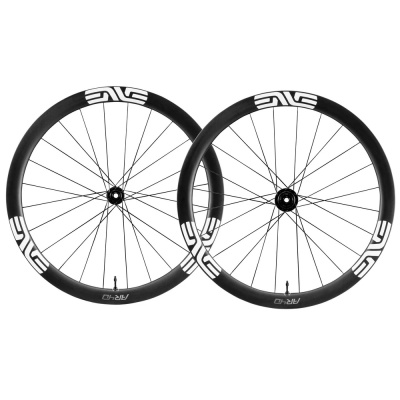
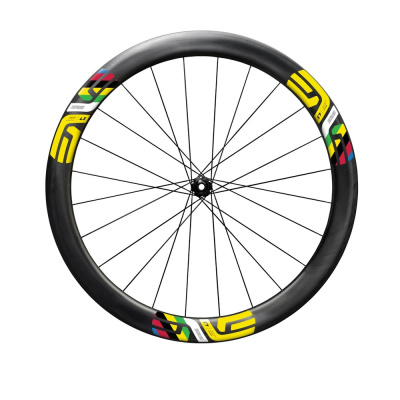
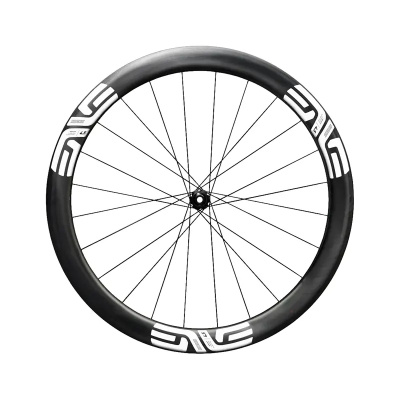
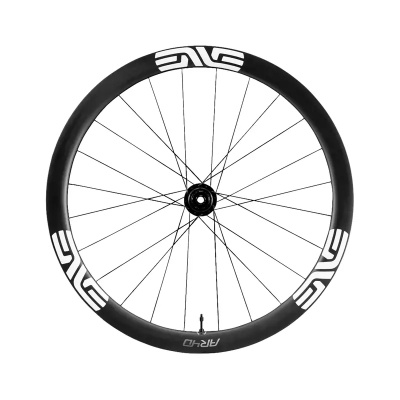
Prices and availability can change quickly. Delivery charges are not always included in listed prices.
Final price, stock status and delivery terms are set by retailer. We may receive a commission on purchases made.
Fitment, Standards and What Goes Where
Every current Enve road wheel is disc-brake only - there are no rim-brake options in the active lineup. Mounting uses Centerlock disc rotors front and rear, and both axle standards are 12mm thru-axle: 12x100mm up front, 12x142mm at the rear. Check your frame and fork specs before you buy; most modern disc road bikes are covered, but older or budget frames occasionally still run quick-release.
Freehub body options cover the main groupset families - Shimano HG (including 11-speed road), SRAM XDR for 12-speed Eagle and AXS, and Campagnolo N3W for the Bora crowd moving to newer gearing. Worth confirming which you need at point of purchase rather than discovering the mismatch in the car park on a Sunday morning.
The hookless rim question comes up constantly. Yes, all current Enve road wheels use a hookless bead - and that means you must use a tubeless-ready tyre from Enve's approved tyre list, full stop. Running a non-approved tyre, even set up with an inner tube, carries a real risk of bead failure at pressure. This isn't overcaution; it's how hookless geometry works. Max tyre pressure on hookless Enve rims is typically 72.5 psi - fine for most road riding, especially tubeless where you'd run lower anyway, but worth knowing if you're accustomed to pumping hard.
Inner rim widths across the range run 21 - 25mm depending on model, which suits 25 - 32mm tyres comfortably. If you're pairing with Enve tubeless kits and Enve rim tape, the system is designed to work together - no guesswork on tape width or valve compatibility.
SES vs Foundation: Which Line Makes Sense for You
The SES (Smart Enve System) range is where the aerodynamic engineering gets serious. Front and rear rims are shaped differently - the front rim prioritises crosswind stability and steering precision, while the rear is optimised for drag reduction in the wake behind the rider. In practice, this means the wheels behave more predictably in gusty conditions than a matched-depth symmetrical set would. Depths across the SES range span from shallow climbing options up to deep 65mm+ profiles, and the Innerdrive hubs with their oversized steel ratchets deliver snappy, reliable engagement. These are competition-grade wheels that handle long Alpine passes and Tuesday night crits with equal composure.
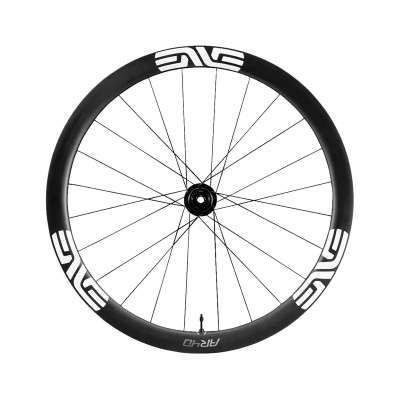
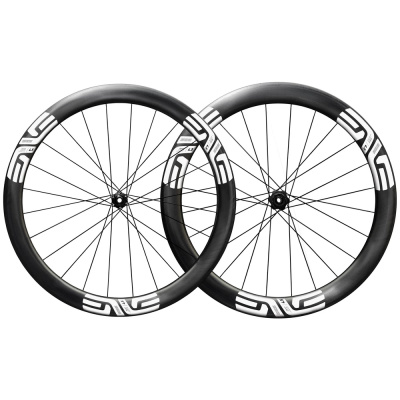
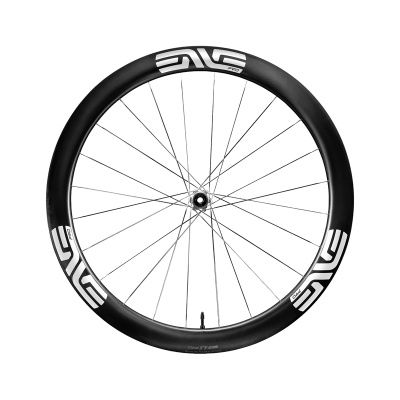
The Foundation line - the Enve 45 and Enve 65 - brings Enve's core carbon construction and tubeless-ready hookless rims into a more accessible bracket. You don't get the front/rear specific SES rim profiles, but the carbon quality and build standards are the same Utah facility. If you want the Enve durability and a meaningful aero gain over alloy without spending at the SES tier, Foundation is a sensible landing point. For most riders doing sportives, long audax-adjacent days, or club racing, the Foundation represents Enve's quality without the premium you're paying purely for the last few watts of optimisation.
Compared to alternatives like DT Swiss road wheels or Cadex road wheels, Enve sits at the premium end on price but offers a depth of proprietary carbon layup knowledge that's hard to replicate. Campagnolo road wheels compete at similar price points on the SES tier and bring their own rim-shaping heritage - worthwhile comparing if you're weighing aesthetics and brand ecosystem alongside pure aero data.
One important note: if your interest extends beyond road riding, Enve's gravel and mountain bike lines are separate products with different rim profiles and specifications. We've covered those on the Enve gravel wheels page. And if you're looking to build a custom wheelset from scratch, the Enve rims and Enve hubs pages are where to start.
Keeping Enve Wheels Running Through UK Conditions
UK roads are not kind to expensive carbon. Degraded B-roads through the Dales or the lanes of Shropshire can serve up some properly nasty pothole strikes, and this is where the Wide Hookless Bead earns its keep. The hookless bead profile distributes impact energy across a wider contact area rather than concentrating stress at the bead hook - it's not indestructible, but it's a meaningfully more robust construction than traditional hooked rims for absorbing the odd sharp-edged hit. Running tubeless at 60 - 65 psi front, 65 - 70 psi rear on a 28mm tyre gives you a cushioning margin that a rock-hard 25mm tube setup simply doesn't.
Hub maintenance matters more in winter. Wet, gritty riding pushes water and road salt into bearing races faster than you'd expect. Every few months through the winter season, spin the wheels in your hands and feel for any roughness or play in the bearings - a smooth Innerdrive hub should feel silent and frictionless. If there's any notchiness, it's worth pulling the freehub body off, cleaning the ratchet mechanism, and regreasing before a full bearing replacement becomes necessary. It's a 20-minute job that saves a much more expensive one later.
Tubeless sealant degrades. Three to six months is the sensible refresh interval - sooner if you've ridden heavily through cold weather, which dries sealant faster. Spin the wheel before pulling the valve to check whether there's still liquid sealant moving around inside; if it sounds dry or nothing moves, top it up or replace fully. Pair this with a check of your rim tape integrity - any lifting at the edges lets sealant seep under and can cause a slow, baffling pressure loss that takes ages to diagnose. Keep a tubeless kit in your spares drawer; it's one of those things you'll be glad of the first time you have a roadside situation that sealant alone won't seal.
Rider weight limits are a common question. Enve doesn't publish a strict cut-off - the carbon layup and hookless bead construction are robust enough that the wheels aren't rated out for heavier riders. The practical caveat is tyre pressure: riders on the heavier end of the range should stay within Enve's recommended pressure windows and avoid running pressures so low that the rim contacts road surface on harder hits. That's true of any carbon wheel, not just Enve.
ENVE Road Wheels FAQs
Are Enve road wheels hookless?
Yes - all current Enve road wheels, across both the SES and Foundation lines, use a hookless bead rim. You need a tubeless-ready tyre from Enve's approved tyre list for safe bead seating. Running non-approved tyres, even with an inner tube, isn't recommended given how hookless geometry handles bead retention under pressure.
What is the difference between Enve SES and Foundation wheels?
SES wheels use front and rear specific rim shapes - each profile is tuned separately for crosswind stability up front and drag reduction at the rear. Foundation wheels (the Enve 45 and Enve 65) use the same carbon construction and tubeless-ready hookless rims but with standard aero profiles and a lower price point. SES is for riders chasing every aerodynamic gain; Foundation is for those who want Enve's quality without the full top-tier cost.
Do Enve wheels have a rider weight limit?
Enve doesn't publish a hard rider weight limit. The carbon layup and Wide Hookless Bead construction are designed to be robust across a broad range of riders. Heavier riders should pay particular attention to staying within recommended tyre pressure ranges to avoid rim strikes on rough road surfaces - the same sensible practice that applies to any carbon wheelset.