
Elite Rollers
Elite Rollers sit at the sharper end of indoor training - not because they're fashionable, but because riding them actually makes you faster. Unlike a fixed turbo trainer, which locks your bike in place and lets you zone out, rollers demand something: balance, core engagement, a pedal stroke that doesn't lurch. You notice the difference the moment you get back outside.
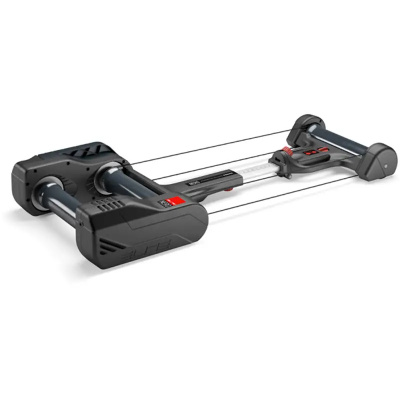
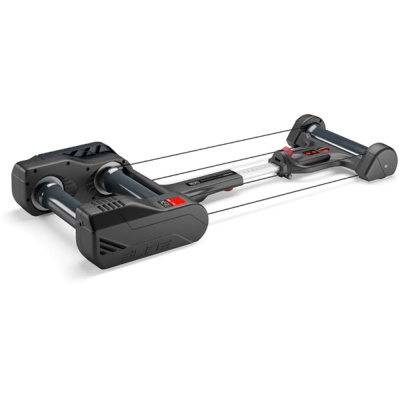
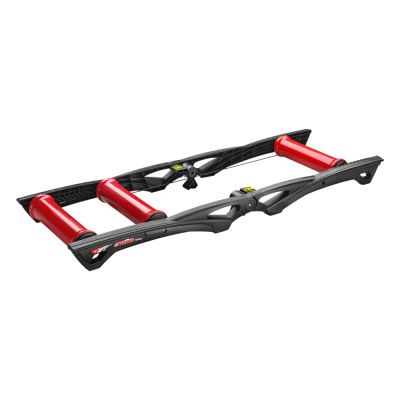
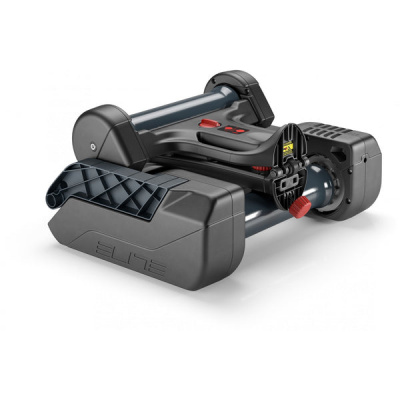
Elite's range runs from the stripped-back Arion - lightweight, honest, no frills - through to the Nero, which talks to Zwift and Rouvy via ANT+ and Bluetooth Smart and adjusts resistance automatically as virtual gradients change. In between, you've got models that add magnetic resistance and Elite's floating system, which lets the whole frame shift longitudinally so you can get out of the saddle without bouncing off the drums.
The parabolic drum shape runs across the range. The drums are wider at the ends and narrower in the middle, so if your wheel drifts, it's guided back to centre rather than off the edge. It's a small detail that makes a real difference, especially if you're new to rollers or setting up in a tight space like a UK winter garage. If you're after fixed-axle resistance training instead, our Elite Regular Turbo Trainers and Elite Smart Turbo Trainers pages are worth a look.
Prices and availability can change quickly. Delivery charges are not always included in listed prices.
Final price, stock status and delivery terms are set by retailer. We may receive a commission on purchases made.
Getting the Setup Right Before You Ride
Roller setup isn't complicated, but get it wrong and you'll be fighting the bike from the first pedal stroke. The key adjustment is wheelbase: the front roller needs to sit slightly ahead of your front axle, not directly beneath it. Too far back and the steering feels nervous; too far forward and the front wheel wanders. Most Elite rollers have a simple sliding adjustment - take a minute to get it dialled before you commit to a session.
Road and gravel bikes work well across the range, and so do track bikes with fixed wheels, provided the wheelbase falls within spec. What won't work - and this matters - is riding on knobbly tyres. Treaded rubber on rollers produces a noise somewhere between a tumble dryer full of gravel and an argument, plus it wears the tyre down fast and transmits vibrations that'll rattle the frame off your workbench. Swap to slicks. If you don't have a dedicated indoor wheel, a set of Elite Turbo Tyres is the straightforward fix - they're designed specifically for this kind of use, run quietly, and last considerably longer than road rubber under static conditions.
Noise is worth thinking about if you're in a terraced house or training early mornings. The parabolic drum shape helps keep vibration down, but pairing it with the right tyre makes a measurable difference to how much transfers through the floor.
The Model Range: What You Get at Each Step
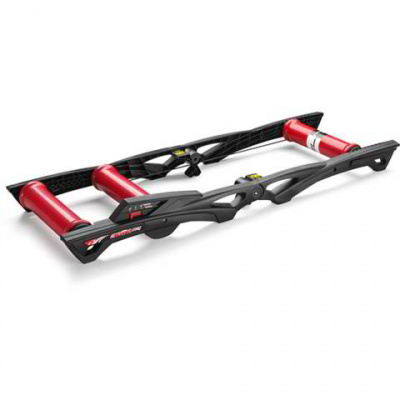
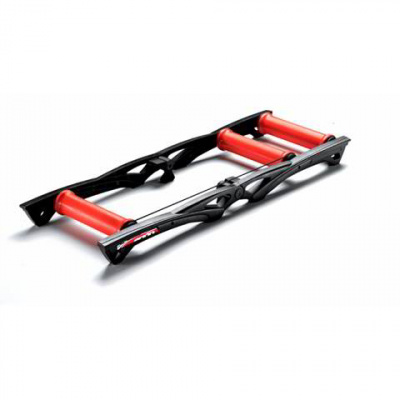
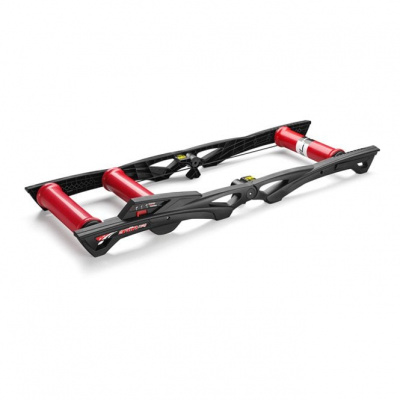
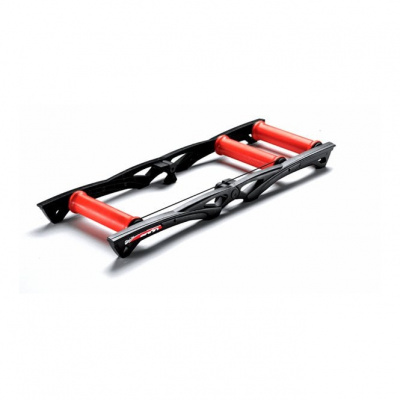
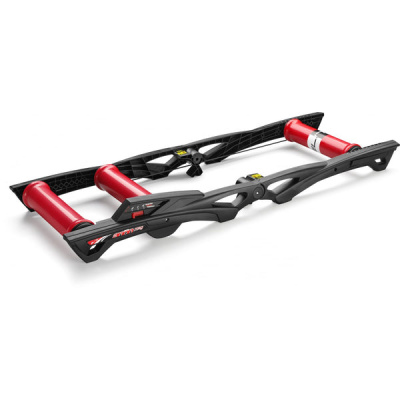
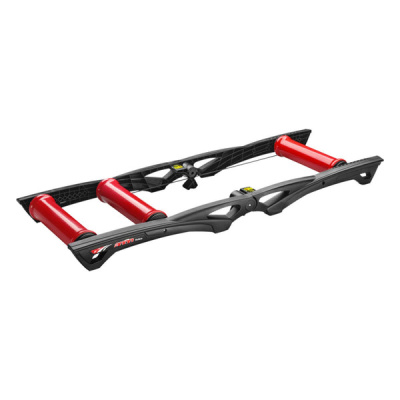
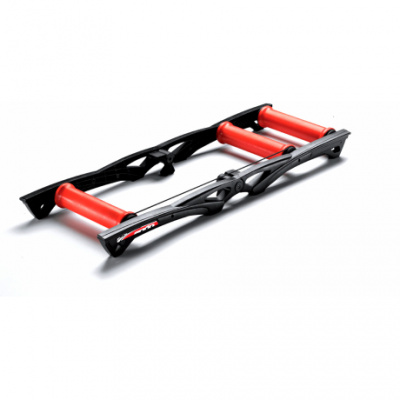
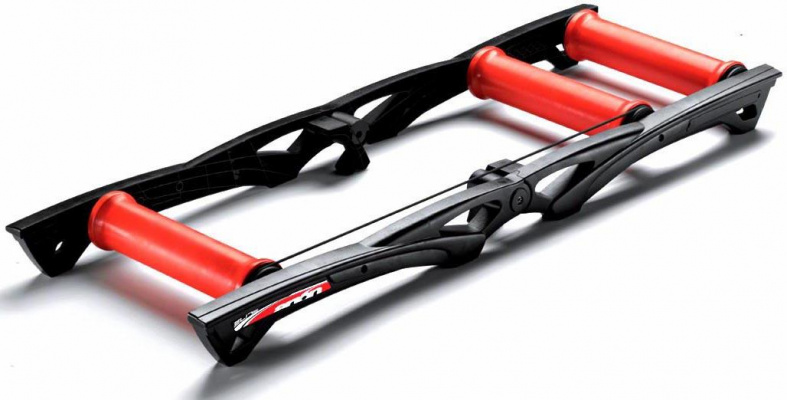
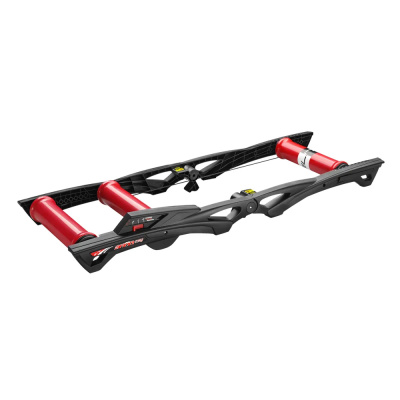
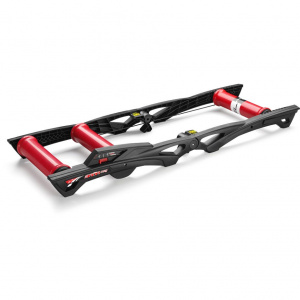
The Arion is where most people start, and there's nothing wrong with that. It's light, foldable for storage, and built around those parabolic drums. Resistance comes entirely from your gearing - wind it up, change down, adjust effort. Simple. If you're using rollers for warm-ups before a track league night or you want something to spin on between hard outdoor days, the Arion does exactly what it needs to without asking much of you in return.
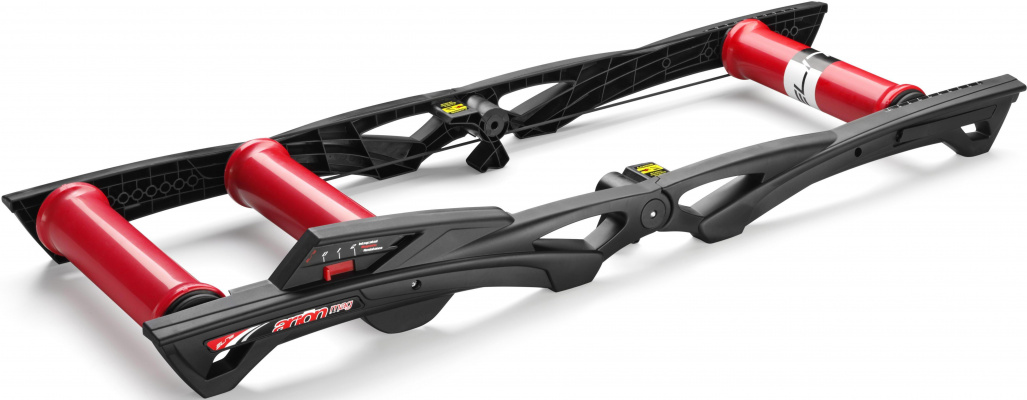
Step up to the Arion Mag and you get three levels of magnetic resistance added to the rear drum. That means you can work harder in a smaller gear, which is useful for specific efforts or if your bike's cassette doesn't give you enough range to generate real load on a flat virtual road.
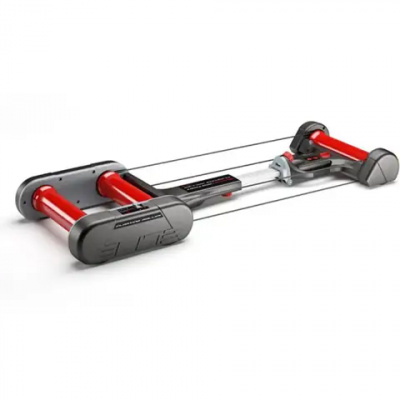
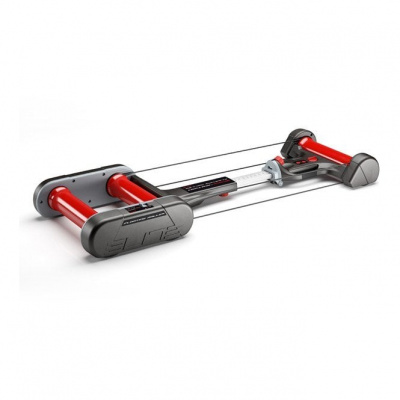
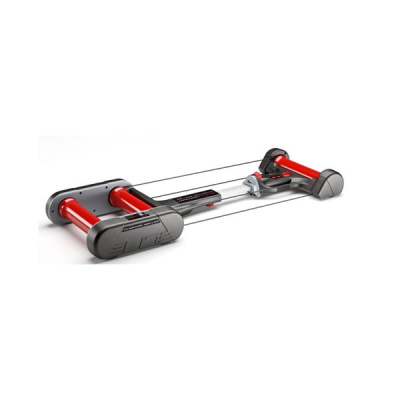
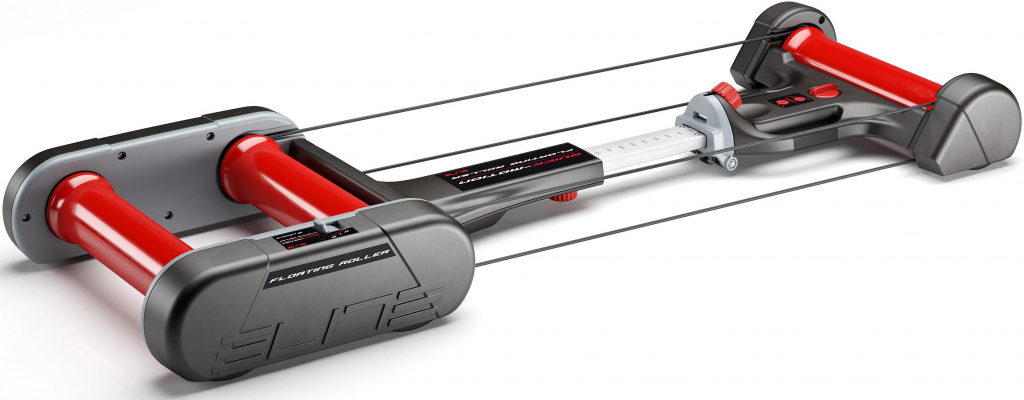
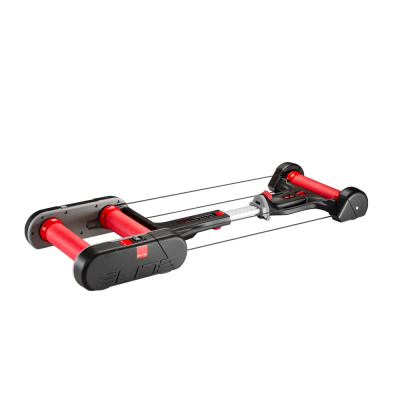
The Quick-Motion is where the range gets genuinely interesting. It adds Elite's floating system - the whole frame can travel forwards and backwards in a controlled oscillation, absorbing the kind of sudden weight shifts that happen when you sprint or get out of the saddle. On a static roller, a hard effort out of the saddle can feel like you're trying to ride off the end of the drums. The floating system takes that edge off. It also folds flat, which matters if your training space doubles as somewhere else the other 20 hours of the day. Compared to something like Tacx rollers at a similar price point, the Quick-Motion's floating frame is a tangible differentiator rather than a spec-sheet footnote.
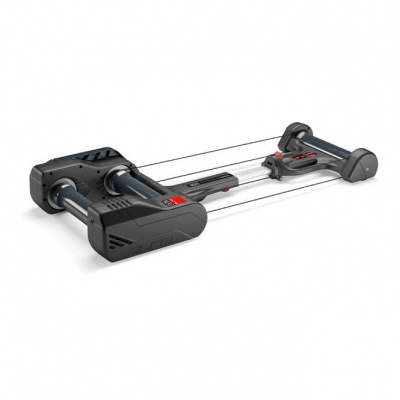
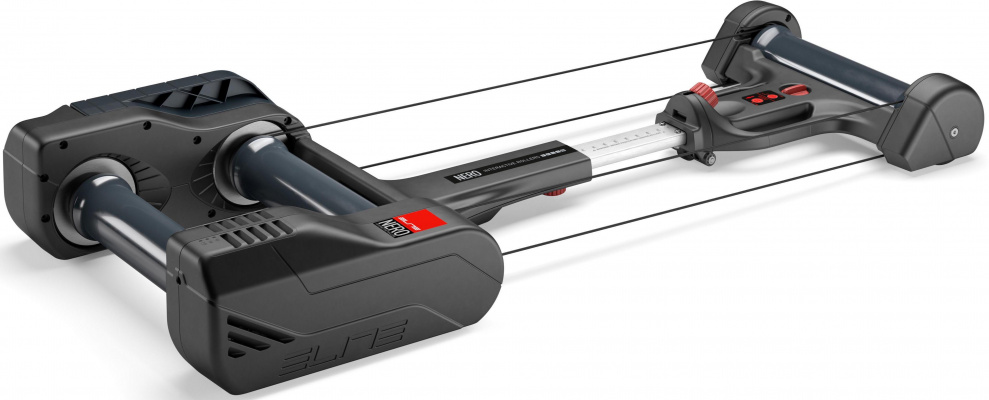
The Nero is Elite's flagship. It keeps the floating system and adds fully interactive smart resistance with dual ANT+ and Bluetooth Smart connectivity. Gradient changes in Zwift or Rouvy translate into automatic resistance adjustments through the unit - so a 6% ramp in a virtual race actually feels like a 6% ramp. It's a different kind of training to riding a static roller, closer in feedback to a direct-drive smart trainer but with the balance and skill demands that rollers uniquely provide. If you're already using a training platform seriously and want the engagement of a roller alongside it, the Nero makes that combination work. Riders who want pure smart trainer functionality without the balance element might find Wahoo's roller options worth comparing at this end of the market.
Keeping Rollers Running Through a UK Winter
A cold, damp garage is where most UK rollers spend their lives, and it's not a kind environment. The sealed bearings in Elite rollers handle humidity well, but they need the odd check - spin the drums by hand every few weeks and listen for any roughness or grinding. If you catch bearing wear early, it's a straightforward fix; if you ignore it, you're looking at replacing a drum assembly.
The polyurethane drive belt connects the drums and transfers rotation. Check tension periodically: a belt that's gone slack will slip under load and wear unevenly. Storing the rollers folded when not in use helps, because leaving them assembled with the belt under tension in a cold space can cause it to set slightly and shorten its working life. It's a small habit that costs nothing.
Sweat is the other factor. Stationary riding means no airflow, and sweat drips straight onto the frame, the drum axles, and the belt. A quick wipe-down after each session - frame, drums, any exposed hardware - stops the corrosive build-up that quietly works through paint and into bearing seals. Keep a rag by the rollers. Applying a little Elite Chamois Cream before longer sessions also reduces the kind of saddle discomfort that cuts indoor efforts short, which is worth mentioning while we're on the topic of surviving longer winter blocks.
If you're also considering Minoura rollers as an alternative, they're solid competition at the entry level - but Elite's proprietary drum geometry and the floating system on mid-range and flagship models give them a clear edge for riders who want to develop beyond basic spinning.
Elite Rollers FAQs
Are Elite rollers good for beginners?
They're more approachable than they look, largely because of the parabolic drum shape - it's wider at the ends and narrower in the middle, so your wheel is naturally guided back to centre if it wanders. Start with one hand on a wall or ride in a doorway for the first few sessions. Most riders find their balance within a week of regular short efforts.
Can you use a mountain bike on Elite rollers?
The adjustable wheelbase will accommodate most mountain bike frame sizes, so the fit isn't the issue. The issue is the tyres. Knobbly tread on rollers generates serious vibration and noise, and it eats through the tyre quickly. Swap to slick rubber before you ride - a dedicated turbo tyre is the cleanest solution.
What is the difference between Elite Arion and Quick-Motion rollers?
The Arion is a static unit - resistance comes from your gearing alone, and the frame doesn't move. The Quick-Motion adds an integrated magnetic resistance unit plus Elite's floating system, which allows the whole frame to shift forwards and backwards. That makes out-of-the-saddle efforts feel stable rather than sketchy, and it folds flat for storage.