
Wahoo Rollers
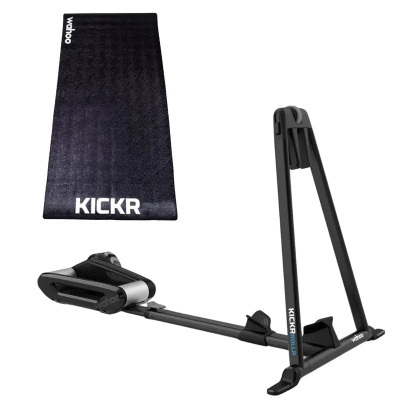
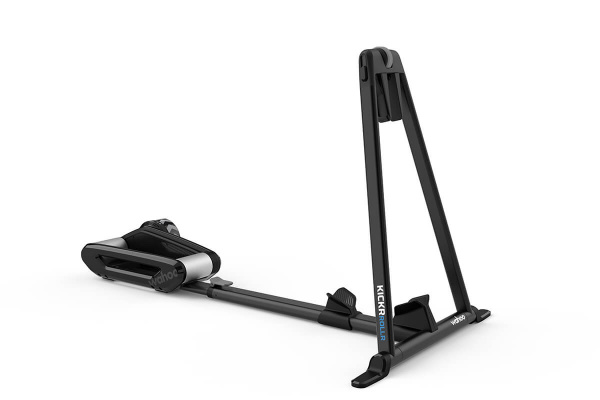
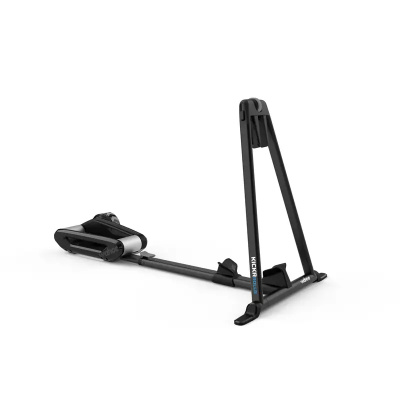
Wahoo Rollers close the gap between old-school rollers and fully locked-in smart trainers - and the KICKR ROLLR is the clearest expression of that idea yet. You get the natural, slightly-alive feel of riding on drums, with smart magnetic resistance layered on top. That's a combination that's harder to pull off than it sounds.
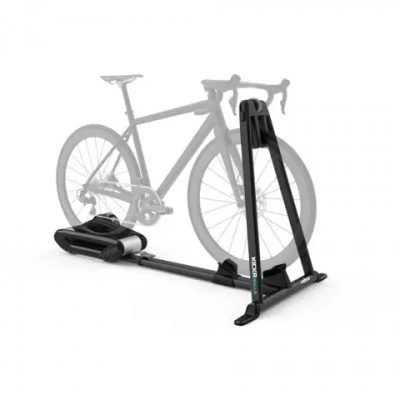
The setup is genuinely quick. Clamp your front wheel into the Safety Tire Gripper, roll your rear wheel onto the dual-roller drums, connect via ANT+ or Bluetooth to your app of choice, and you're away. No cassette swaps, no fussing with thru-axle adaptors, no scrubbing winter mud off your rear wheel before you can start. If you've ever stood in the garage at 6am trying to wrestle a direct-drive trainer onto a grit-caked wheel, you'll know exactly why that matters.
Resistance tops out at 1,500W - more than enough for structured interval work or a hard Zwift race. The dual-roller rear design uses a 10.5lb flywheel to keep momentum feeling smooth and road-like rather than artificially damped. It's not a replacement for a full direct-drive unit if you're chasing maximum sprint resistance or steep gradient simulation, but for most riders training through a UK winter, it's a seriously capable machine. Compare UK prices below and find the right deal.
Prices and availability can change quickly. Delivery charges are not always included in listed prices.
Final price, stock status and delivery terms are set by retailer. We may receive a commission on purchases made.
Will Your Bike Actually Fit? Wheelbase and Tyre Compatibility Explained
The Safety Tire Gripper - Wahoo's adjustable A-frame front wheel support - is the key to the KICKR ROLLR's quick-mount design. It accommodates tyres up to 2.1 inches (53mm) wide, so road, gravel and most hybrid rubber all slot straight in. The adjustable frame handles wheelbases between 990mm and 1100mm, which covers the vast majority of road and gravel bikes currently sold in the UK. Most modern 700c and 650b setups land comfortably within that window; check your bike's geometry sheet if you're running an unusually long or short frame.
Because the rear wheel stays on the bike throughout, axle standards aren't the headache they are with direct-drive trainers. Quick-release and thru-axle bikes both work without any adaptors - your wheel just sits on the roller drums as it would on the road. That's one less box of adaptors rattling around the shed.
There's one thing worth being clear about before you buy: the KICKR ROLLR does not broadcast power data natively. It controls resistance smartly, but it can't measure your watts. If you want ERG mode, structured wattage targets, or to race accurately on Zwift, you need an external power meter paired alongside it. Wahoo's own POWRLINK ZERO pedals integrate seamlessly - the Seamless POWRLINK ZERO integration means power data flows straight through to your training app without any manual bridging. It's a clean solution, but it's an added cost to factor in.
KICKR ROLLR vs Wahoo's Direct-Drive Trainers: Choosing the Right Tool
The KICKR ROLLR and Wahoo's direct-drive units are solving slightly different problems. The ROLLR prioritises convenience and a natural, laterally-mobile ride feel - your bike moves subtly beneath you the way it does outdoors, which keeps your balance and handling skills sharp through the winter months. That's genuinely useful if you're training for sportives or road racing where smooth, reactive positioning matters.
Direct-drive trainers lock your rear wheel out entirely and replace it with a cassette mounted to the trainer's body. You lose that lateral movement, but you gain higher maximum resistance - typically 2,200W and above - plus more precise gradient simulation and a rock-solid sprint platform. If you're doing dedicated FTP testing, serious threshold blocks, or anything where absolute stability and maximum wattage ceiling matter, a direct-drive unit edges ahead. Take a look at Wahoo's smart turbo trainer range if that's the direction you're heading.
For riders who swap between multiple bikes, train on a mix of road and gravel bikes, or simply don't want the friction of pulling wheels in and out every session, the ROLLR's wheel-on design is the more practical choice. It's also worth comparing against alternatives from Elite and Tacx if you're open to the wider roller market - both offer competitive options at varying price points.
Keeping the KICKR ROLLR Running: Maintenance in a UK Shed
Sweat is the enemy of indoor equipment, full stop. In a typical unventilated UK garage or shed - damp in November, stuffy in July - sweat gets into bearings and onto metal surfaces faster than you'd expect. After every session, wipe down the roller drums and the Safety Tire Gripper frame with a dry cloth. A light wipe with a slightly damp cloth removes salt residue before it gets a chance to sit. Don't skip this; corrosion on the drum surfaces affects both roller longevity and tyre wear.
Check the roller bearings periodically by spinning each drum by hand. Smooth and near-silent is what you're after. Any roughness, grittiness or wobble means the bearings are picking up contamination - road grit transferred from your tyres being the most common culprit in winter. Keeping the drums free of tyre rubber build-up matters too; a thin black film of deposited rubber is normal over time, but a heavy build-up creates uneven contact and accelerates tyre wear on both sides.
If you're using the ROLLR with a bike that's done recent wet-weather miles, give the rear tyre a quick wipe before mounting it. Mud and grit embedded in the tread will transfer directly onto the drums. It takes ten seconds and saves you cleaning time later - and it's kinder to the drums in the long run. Pair it with a Wahoo HRM strap for session data and you've got a tidy, self-contained training setup that's easy to manage between rides.
For broader context on what else is out there, Minoura make solid, no-fuss rollers that are worth a look if you're weighing up the market before committing. The KICKR ROLLR sits at the smarter, more connected end of the spectrum - magnetic resistance control via smart apps and full Zwift compatibility are genuine differentiators - but knowing the full picture helps you spend your money in the right place.
Related searches:
Wahoo Rollers FAQs
Do Wahoo rollers need a power meter?
Yes, if you want to track wattage or use ERG mode on training apps. The KICKR ROLLR adjusts resistance smartly but doesn't measure power itself. You'll need an external power meter - Wahoo's POWRLINK ZERO pedals integrate neatly - to feed wattage data into Zwift or your training platform.
Can you use Wahoo Kickr Rollr with Zwift?
Yes. Pair an external power meter with the KICKR ROLLR, connect via ANT+ or Bluetooth, and Zwift will receive both your power data and control the roller's magnetic resistance to match virtual gradients automatically. It's a clean integration once the power meter piece is in place.
What bikes are compatible with Wahoo Kickr Rollr?
Most road, gravel and hybrid bikes fit without issue. The Safety Tire Gripper handles tyres up to 2.1 inches (53mm) wide, and the adjustable frame covers wheelbases from 990mm to 1100mm. Quick-release and thru-axle setups both work - no adaptors needed since the rear wheel stays on the bike.