
DMR MTB Tyres
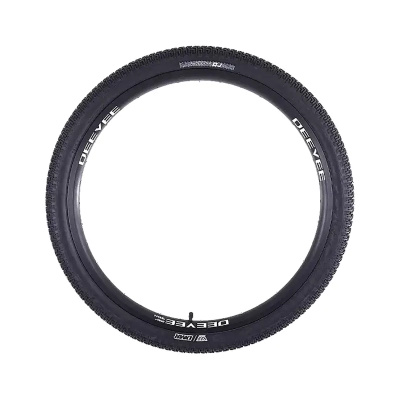
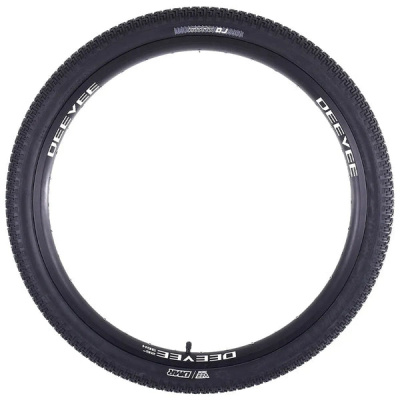
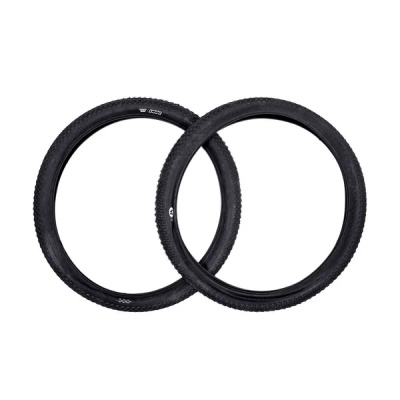
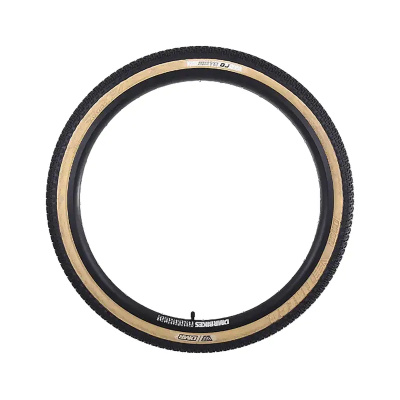
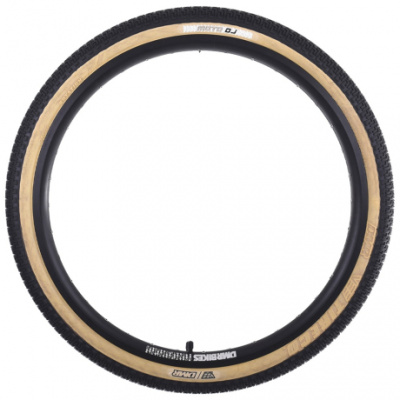
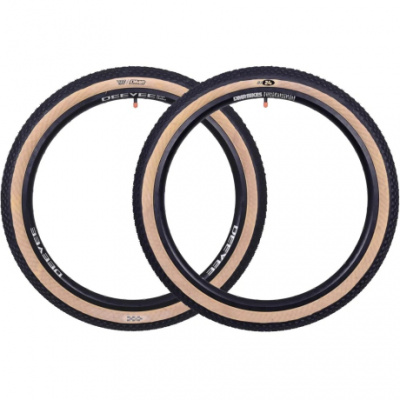
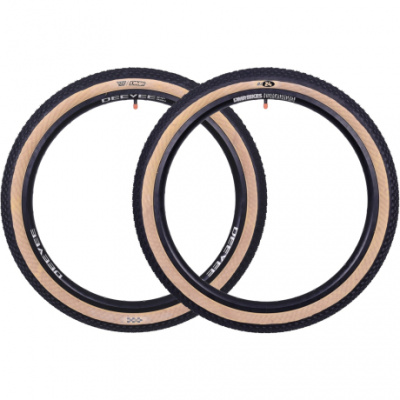
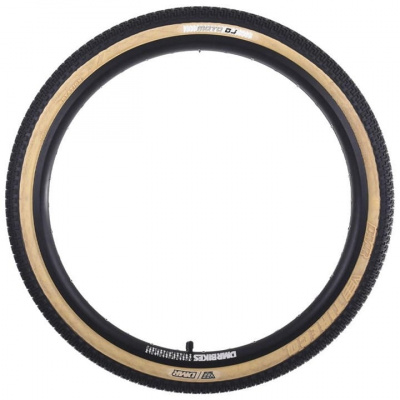
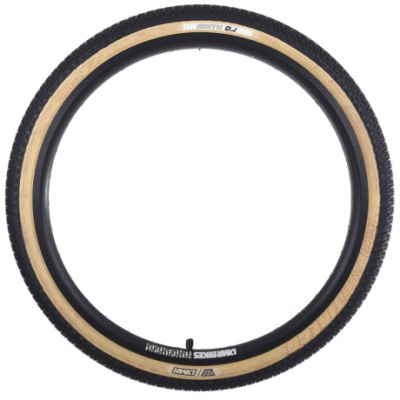
DMR MTB tyres have been a fixture in UK dirt jump and freeride culture long enough to earn genuine respect on the trails, not just in the catalogues. Built around the demands of hardpack landings, damp pump tracks, and abrasive street spots, DMR's range centres on one core idea: fast-rolling rubber that doesn't fall apart when things get scrappy. The Moto DJ is the headline act - a micro-tread design that keeps rolling resistance low on hardpack and tarmac while still biting on the edge when you're leaning into a berm. You get high-volume lightweight casings that absorb the kind of heavy, off-axis landings that would crack a narrower tyre's confidence, and directional tread patterns optimised so the front and rear are each doing the right job. Available in both wire bead and folding bead versions, there's an entry point for every budget. Whether you're running a dedicated dirt jump hardtail or a slopestyle rig, getting the rubber right matters more than most riders give it credit for. Compare prices below and find the tyre that suits your riding.
Prices and availability can change quickly. Delivery charges are not always included in listed prices.
Final price, stock status and delivery terms are set by retailer. We may receive a commission on purchases made.
Compatibility and Fitment: Getting DMR Tyres on Your Wheels
DMR's MTB tyre range is built predominantly around 26-inch wheel sizes, which remain the standard for dirt jump bikes and a large chunk of the UK's pump track scene. If you're running an older hardtail or a dedicated DJ rig, you're almost certainly in the right territory already. Some models also span 24-inch and 27.5-inch options, so it's worth checking the specific listing if your bike sits outside the classic DJ spec.
Bead type matters more than people think. The wire bead version is heavier but stays planted on the rim under hard lateral loads - relevant when you're pulling a big manual or landing sideways on a skatepark ledge. Wire bead also tends to cost less, which makes it a sensible choice if you're buying a spare to keep in the back of the van. The folding bead strips out rotational mass and packs flat, genuinely useful if you're travelling to a trails weekend and space is tight. The weight difference isn't dramatic, but over the course of a long pump track session you'll feel less fatigue in the legs.
Internal rim width is where a lot of riders go wrong. Pair a DMR tyre with a rim that's too narrow and the casing crowns excessively, turning a predictable edge into a vague roll. Too wide and the tread squares off. For most DMR DJ tyres, an internal rim width of 25mm to 30mm is the window you want - which lines up neatly with DMR's own rim range. Matching brand rims and tyres isn't mandatory, but the engineers clearly had each other in mind.
The DMR Tyre Range: Moto DJ First, Everything Else Second
The Moto DJ is where most riders should start their search, and for good reason. Its micro-tread pattern is designed specifically for hardpack and tarmac - think dry dirt jump lips, concrete skateparks, and the kind of sun-baked pump track that rewards low rolling resistance more than aggressive knobs. On that type of surface, a traditional knobbly MTB tyre is working against you, adding drag and unpredictable edge behaviour. The Moto DJ keeps things smooth and quick in a straight line, then delivers enough cornering bite on the tread edge to stay composed through a tight berm.
The directional tread design is deliberate: front and rear tyres are optimised for different jobs. The rear prioritises hardpack grip and straight-line drive efficiency, while the front is shaped for cornering predictability and braking stability. Running them the wrong way around isn't catastrophic, but you'll notice the difference in feel. Worth five seconds to check the rotation arrow before you seat the bead.
Step up from the wire bead Moto DJ to the folding bead version and you're mostly buying rotational weight savings and a slightly more supple casing TPI. The higher thread count allows the casing to flex more naturally over small surface irregularities, which translates to slightly better feedback through the bars - not a game-changer, but noticeable on a rough concrete skatepark. If Maxxis MTB tyres are your current benchmark, DMR's approach is narrower in scope but more focused on the DJ and pump track use case specifically.
The high-volume lightweight casings across the range are worth calling out separately. Landing heavy - particularly on a missed case - puts enormous stress through the tyre sidewall and rim. A casing with enough volume to absorb that impact prevents the kind of pinch flat that ends a session, and it's one of the reasons experienced DJ riders tend to prioritise casing quality over tread pattern when buying. For comparison, Kenda MTB tyres offer similar volume profiles at competitive price points, though DMR's tread geometry is more specifically dialled for dirt jump geometry. Pair new tyres with DMR's MTB wheel range if you're building up fresh or want a known-compatible setup from the start.
Running and Looking After DMR Tyres in UK Conditions
UK pump tracks and skateparks are harder on tyres than most riders account for. Damp concrete in the morning, dry and abrasive by the afternoon - the surface doesn't give rubber an easy life. For dry skateparks and hardpack dirt jumps, run 40 to 60 PSI. That pressure range keeps the casing from rolling under load during hard landings and prevents the kind of sidewall flex that leads to a burp or a pinch flat mid-session. Drop slightly toward the lower end of that window on a damp pump track where you want a fraction more contact patch, but don't go below 35 PSI on a DJ tyre - the geometry isn't designed for the lower pressures that trail riders use on loose ground.
Abrasive UK street grit is the Moto DJ's main enemy. The micro-tread compound wears faster on rough tarmac than a knobbly trail tyre would, simply because more rubber is in contact with the surface at once. That's the trade-off for the low rolling resistance. Check the centre of the tread after every few sessions if you're riding a lot of street - once it starts to flatten noticeably, cornering grip drops off faster than you'd expect.
Sidewall inspection is something to build into your post-ride habit, particularly after a heavy case. Run your fingers around the inside of the casing and feel for soft spots or bubbling - a compromised sidewall won't always be obvious from the outside. If you find one, replace the tyre rather than patching it; a blowout on a jump landing is a different proposition to a flat on a trail. Continental MTB tyres are an alternative worth considering if you're after a slightly more puncture-resistant sidewall compound for street use, though you'll give up some of DMR's rolling efficiency in return.
Storage is simple: keep them out of direct UV and away from ozone sources (compressors, fluorescent lights). Rubber degrades faster than most riders realise if it's stored badly between seasons. And if you're fitting new DMR pedals at the same time, do the tyres first - you'll thank yourself when you're not fighting a loaded pedal wrench over a freshly mounted tyre.
DMR MTB Tyres FAQs
Are DMR Moto DJ tyres tubeless ready?
Most Moto DJ tyres - especially wire bead versions - are designed to run with an inner tube. Check the sidewall for a 'TR' marking before attempting a tubeless setup. Without it, the casing won't hold a seal reliably and risks burping off the rim under the high pressures that dirt jumping demands.
What tyre pressure should I run for dirt jumping?
Stick between 40 and 60 PSI for dirt jumps and pump tracks. That range keeps rolling resistance low and stops the casing from rolling or pinching on heavy landings. Drop slightly toward 35 - 40 PSI on a damp pump track for a touch more grip, but don't go lower than that on a DJ-specific tyre.
Do DMR tyres fit standard 26-inch mountain bike wheels?
Yes, DMR's 26-inch tyres fit standard 26" MTB rims without any adapters or workarounds. For the best tread profile and sidewall support, aim for a rim with an internal width of 25mm to 30mm - too narrow and the casing crowns; too wide and the tread squares off.