
DMR MTB Wheels
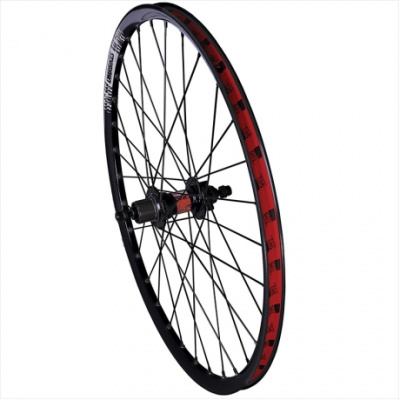
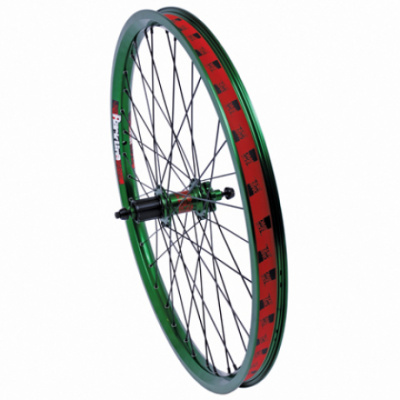
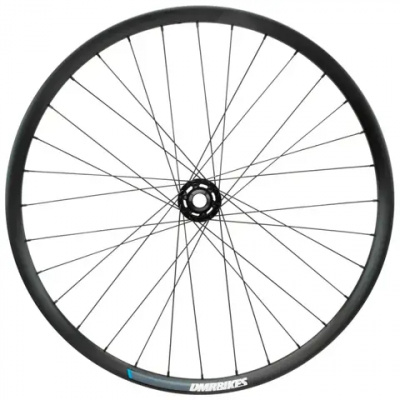
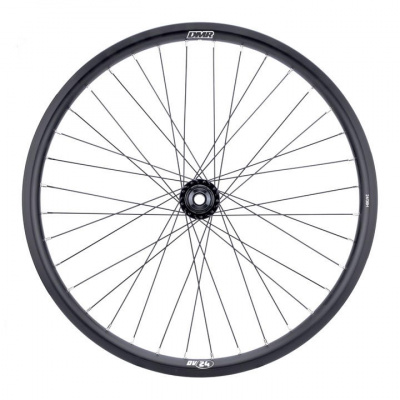
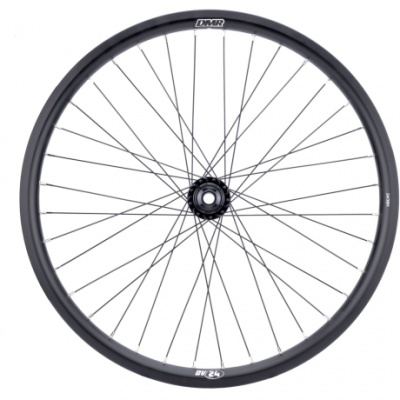
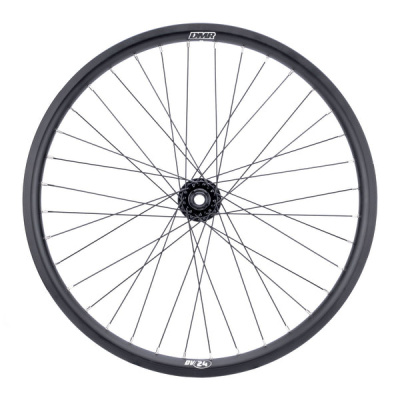
DMR MTB wheels have earned a reputation for surviving the kind of riding that writes off lesser hoops - cased jumps, rock gardens, winter mud that clings like wet concrete. Born from UK dirt jump culture and refined alongside riders like Brendan Fairclough, DMR's wheelsets are built around one core principle: don't break. That means welded rim seams, double-sealed cartridge bearings, and the brand's own Superdrive hubs - a 6-pawl, 120-point engagement system that bites the moment you push down on the pedal. No dead spots, no slip, just immediate drive.
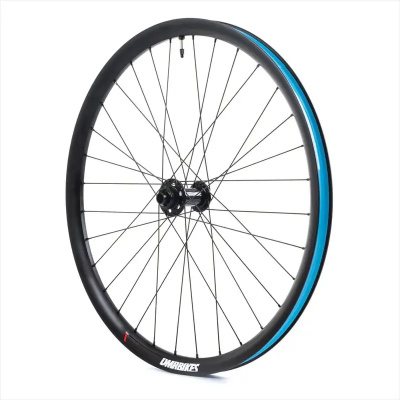
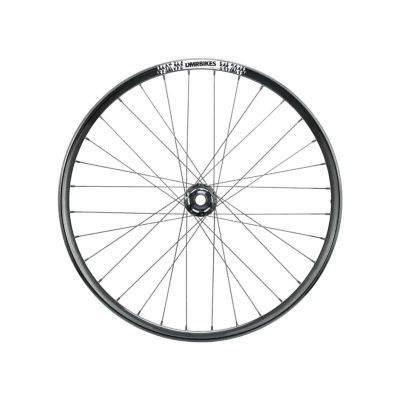
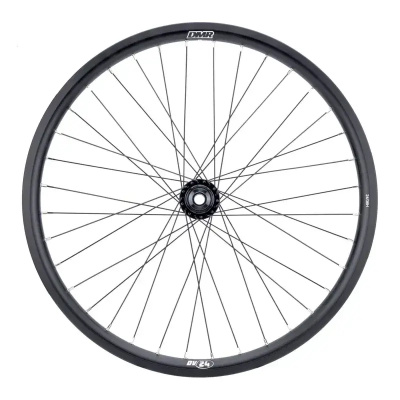
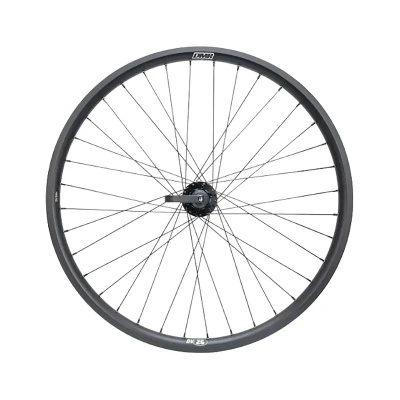
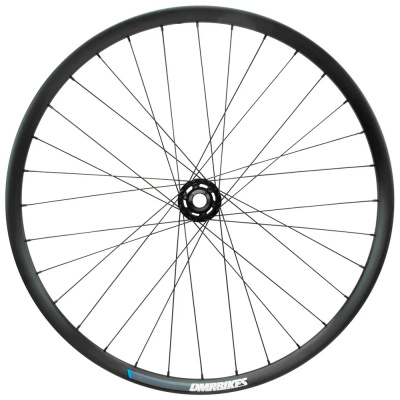
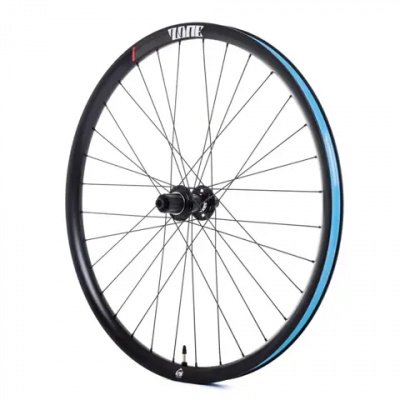
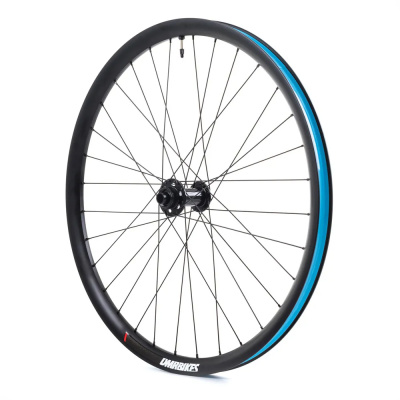
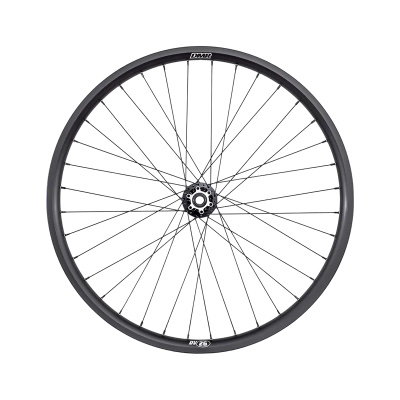
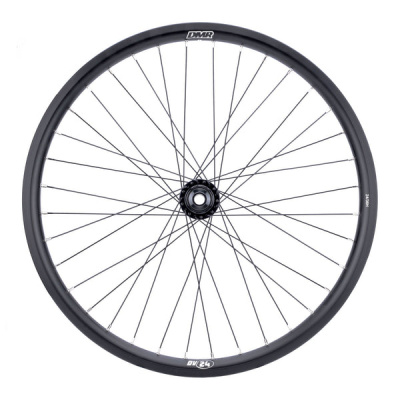
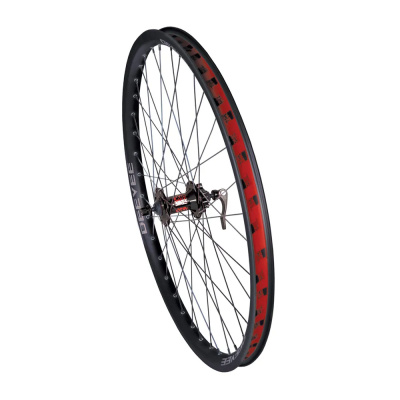
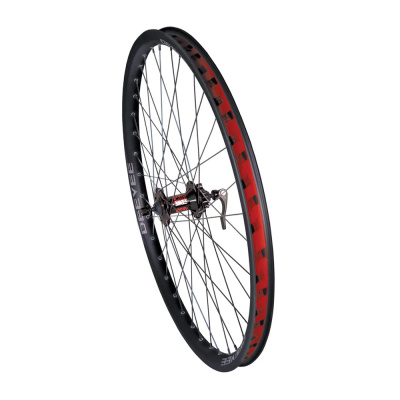
What makes DMR a sensible choice for UK riding specifically is how the spec maps onto our conditions. Gritty Peak District descents grind through hub bearings; wet, rooty climbs punish any sluggishness in hub engagement; and a Welsh trail centre on a November afternoon will find every weakness in a rim's construction. DMR's wheelsets are shaped around exactly those demands. The Zone series handles trail and enduro duties on 27.5-inch rims with tubeless-ready setups, while the Pro range is dialled for 26-inch dirt jump and pump track work where impact resistance matters above everything else. Compare the best UK prices on DMR wheelsets below.
Prices and availability can change quickly. Delivery charges are not always included in listed prices.
Final price, stock status and delivery terms are set by retailer. We may receive a commission on purchases made.
Will They Fit Your Frame? Axle Standards and Freehub Options
Fitment is the first thing to sort before anything else - get it wrong and you're back to square one in the car park. DMR wheelsets span a solid spread of modern standards. The trail and enduro-oriented Zone wheels are available in Boost spacing: 15x110mm up front and 12x148mm at the rear. That Boost flange spread gives the lacing geometry a meaningful stiffness boost over older 15x100mm and 142mm setups, so if your frame is already Boost-spec'd, you're getting the full benefit. Dirt jump-specific wheels in the Pro range typically run 20mm thru-axle fronts - worth checking against your fork's dropout before ordering - and a standard 135mm or 10mm quick-release rear to suit DJ-oriented hardtails and frames.
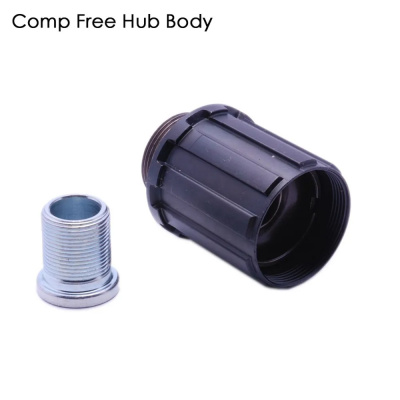
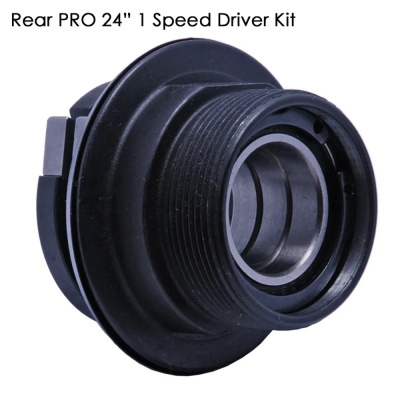
Freehub compatibility covers the main bases. Shimano HG is standard across most builds, but DMR also offers Micro Spline and SRAM XD driver options for 12-speed drivetrains. If you're running a SRAM Eagle setup or a Shimano 12-speed Linkglide groupset, check the specific wheel listing to confirm the driver body - swapping freehub bodies post-purchase is possible on the Superdrive hub platform but it's cleaner to order right first time. If you're a wheel builder after standalone components rather than a complete wheelset, our dedicated DMR Hubs and DMR Rims pages are where you want to be for lacing up your own custom hoops.
Zone vs Pro: Picking the Right Wheelset for Your Riding
DMR's wheelset range splits into two clear camps, and understanding what each is optimised for saves you buying the wrong tool. The Zone series is the trail and enduro option. Its rims measure 35mm externally and 30mm internally - wide enough to properly support modern high-volume tyres without the sidewall folding under hard cornering loads. That 30mm internal width is relevant: pair it with a 2.4-inch tyre and you get a noticeably more stable contact patch compared to an older 23mm-internal rim. The Zone wheels come tubeless ready with welded seams that eliminate the weak spot you'd find at a pinned join, and they're built around the Superdrive hub for that 120-point, 3-degree engagement.
The Pro series exists in a different world. These are 26-inch wheels built for dirt jumps and pump tracks, where the priority is surviving repeated hard landings rather than rolling efficiency or weight savings. The rim profiles are double-wall and eyeleted - the eyelets distribute spoke tension more evenly across the rim bed, which matters when you're repeatedly casing a 6-metre table. Single-speed compatibility is built in, so there's no freehub complexity if you're running a fixed DJ drivetrain. Weight is higher than a cross-country hoop, but that's a deliberate trade-off: you want mass and stiffness here, not grams saved.
If you're undecided between the two ranges, think about your primary riding. Zone wheels make sense for anything from trail centre laps to enduro days out in the Tweed Valley. Pro wheels are the right call if the local dirt jump park or pump track is your main stomping ground. Worth noting - if you're shopping for tyres to pair with either, our DMR MTB Tyres page covers the brand's rubber options. For the best DMR wheelset for UK trails, the Zone series is where most riders should look first.
How does DMR stack up against the wider market? Hope MTB Wheels offer similarly robust British-made construction with arguably more bearing serviceability for riders who prefer to do everything themselves. DT Swiss MTB Wheels bring Swiss-engineered ratchet systems and a vast spare parts network. Halo MTB Wheels are worth a look if budget is the primary driver. DMR's edge is the combination of dirt-specific engineering experience and a hub engagement system that's genuinely quick - 120 points is competitive with anything in this category.
Keeping DMR Wheels Running Through the UK Winter
A wheelset is only as good as its maintenance routine, and UK winters are unkind. Peak District grit and Scottish trail silt act like grinding paste inside hub bearings - the double-sealed cartridge bearings in the Superdrive hubs are DMR's answer to that, and they do a solid job of keeping contamination out under normal conditions. But they're not indestructible, and a bit of attention goes a long way.
Every three to four months of wet riding, pull the freehub body off and check the 6-pawl system. Clean out any old grease and grit with a light solvent, dry it, then apply a thin layer of fresh grease - light viscosity, not a thick automotive grease that'll slow pawl spring return and cause the engagement to feel sluggish or, worse, cause the pawls to stick open. This is a five-minute job once you've done it once, and it's the difference between a crisp, responsive hub at month six and one that's started to occasionally ghost. If you hear a faint clicking irregularity under load, that's usually the first sign the pawls want attention.
Spoke tension is worth checking after your first five or six rides on a new wheelset. Rims settle under load, particularly after the first few hard sessions, and a spoke that's gone slightly slack will start to affect lateral stiffness noticeably. A basic spoke key and five minutes is all it takes. The welded rim seam on Zone wheels means there's no join to watch for cracking, but keep an eye on the rim bed around spoke holes if you're running tubeless - any cracking around eyelets warrants attention before it becomes a bigger problem. Pair the wheelset with quality DMR Pedals and you've got a drivetrain platform that'll handle repeated hard use without drama. J-bend spokes, used across the range, are straightforward to source and replace if you do eventually break one - no proprietary butted ends to track down.
DMR MTB Wheels FAQs
Are DMR wheels tubeless ready?
The Zone series and other modern DMR trail wheelsets are tubeless ready straight out of the box. You'll need to apply tubeless rim tape if it isn't pre-installed, fit tubeless valves, and add your preferred sealant. The welded rim seam helps create a reliable airtight seal compared to pinned alternatives.
What is the engagement on DMR Superdrive hubs?
DMR Superdrive hubs run a 6-pawl system with 120 points of engagement, which works out to a 3-degree engagement angle. In practical terms, that means near-instant power transfer the moment you push on the pedals - particularly useful on steep, rooty climbs where a sluggish hub can cause you to lose traction before drive kicks in.
Can I convert my DMR wheels to Boost spacing?
Not straightforwardly. Standard 142mm rear hubs differ from Boost 148mm hubs in hub shell width and rotor mount positioning, so end-cap swaps alone won't achieve true Boost spacing. Aftermarket adapter kits exist but a dedicated Boost wheelset is the mechanically cleaner solution. Check the specific model's compatibility before purchasing.