
Cube Frame Bags
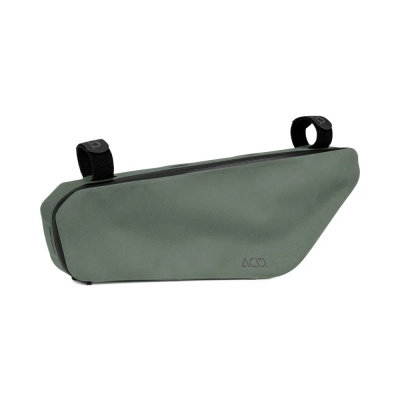
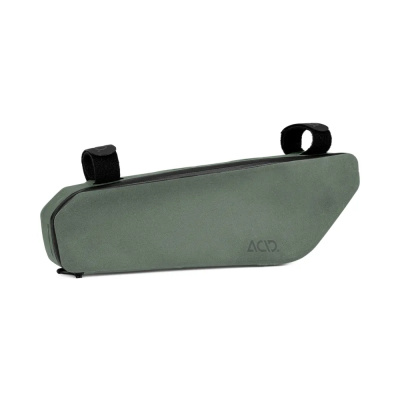
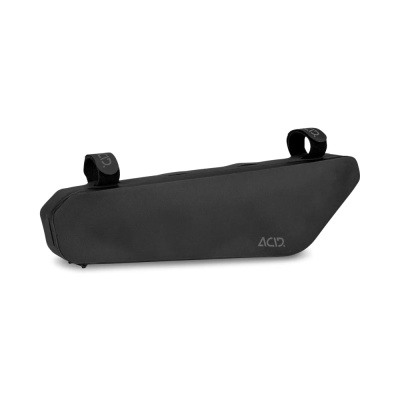
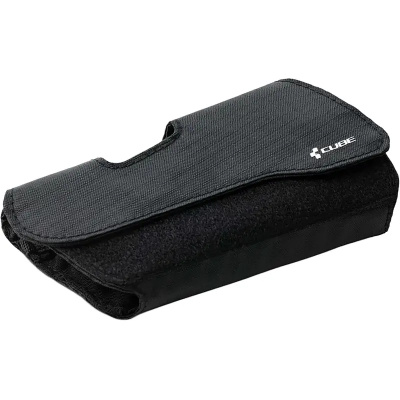
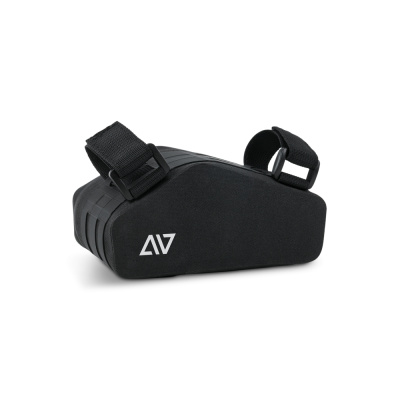
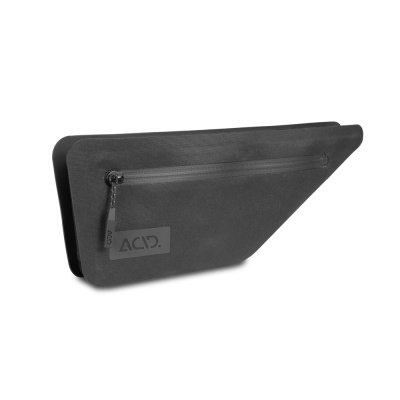
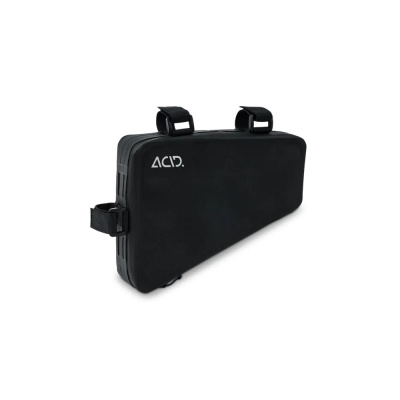
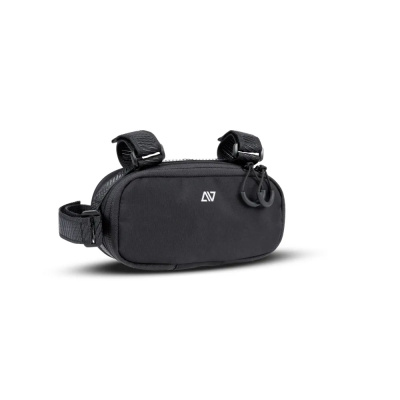
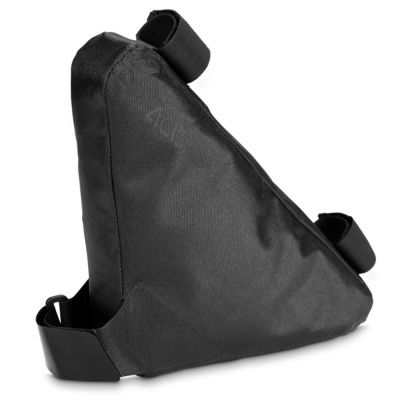
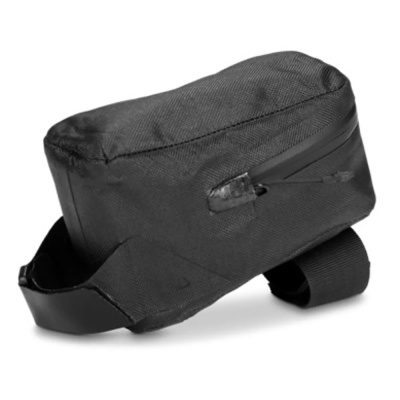
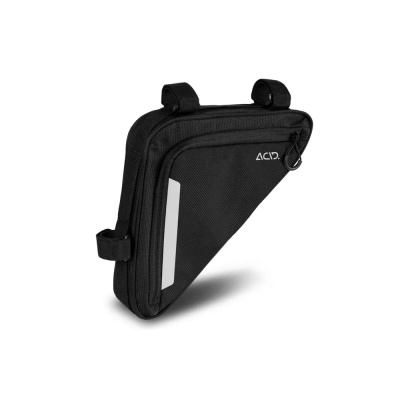
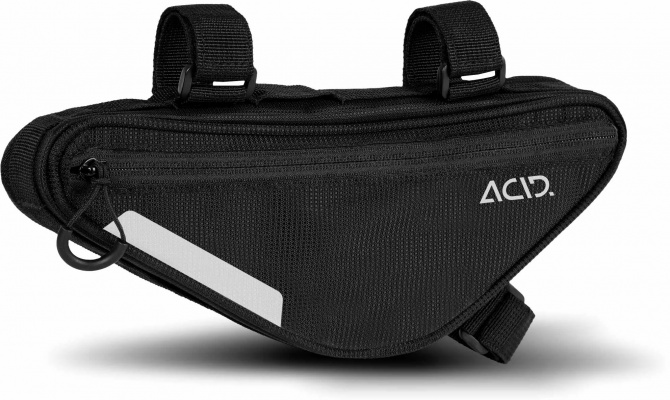
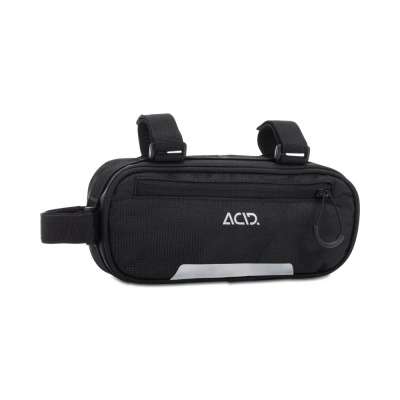
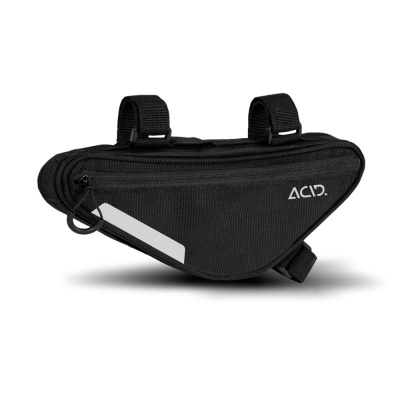
Cube frame bags sit at the practical end of bikepacking storage - keeping weight low, centred, and out of the wind where it belongs. Built under Cube's ACID accessory line, the range covers everything from compact top tube pouches for mid-ride snacks to larger half-frame options that swallow a pump, multi-tools, and a spare base layer without drama.
Construction leans on PVC-free TPU coated fabrics and, on the premium models, high-frequency welded seams that laugh in the face of a British winter. That matters here more than anywhere - UK riding means mud-splattered lanes in November and surprise deluges on what started as a sunny gravel loop. A bag that soaks through by lunchtime is just an expensive sponge.
The mounting systems use hook and loop straps that wrap the frame triangle securely, with asymmetrical waterproof zips on the higher-spec bags making one-handed access manageable even in gloves. Bottle clearance varies by frame geometry and bag size, so it's worth checking before you buy - more on that below. If you're after focused, reliable bikepacking storage that integrates neatly with a Cube bike's cable routing, this lineup is worth a close look.
Prices and availability can change quickly. Delivery charges are not always included in listed prices.
Final price, stock status and delivery terms are set by retailer. We may receive a commission on purchases made.
Sizing Your Frame Triangle Before You Buy
Getting Cube frame bag sizing right starts with a tape measure, not guesswork. You need the internal dimensions of your front triangle: the length along the top tube, the height from bottom bracket shell to top tube, and the depth at the widest point. Compare those numbers against the bag's listed dimensions - most ACID bags list maximum recommended frame size, so treat that ceiling seriously rather than assuming you'll squeeze it in.
The bigger the bag, the more likely you'll lose a standard down tube bottle cage. On many road-geometry gravel bikes with a compact frame, a full-frame bag will block both cage positions entirely. Side-entry cages are your fix there - they angle the bottle out from the side and restore access, though they add a bit of faff. On slacker MTB geometry with more frame volume, you often get better clearance, but it's never guaranteed. Worth checking the specific model page for real-world compatibility notes.
One thing that catches riders out: velcro straps and external cable stops don't mix well. If your bike runs cables externally along the down tube or has cable guides bolted to the frame, check strap placement carefully - a strap bearing down on a cable stop can affect shift quality or, worse, crack a plastic guide over time. Internally routed frames sidestep this entirely, which is one reason bikepacking bags and modern gravel bikes have become such natural partners.
Looking to expand your bikepacking setup? Check out our dedicated pages for Cube bar bags, Cube saddle bags, and Cube pannier bags to build out a full system.
Top Tube Bags vs Half-Frame Bags: Which One Do You Need?
The ACID lineup splits into two clear roles, and picking the wrong one wastes money. Top tube bags run from around 0.5L to 1L and sit on - or bolt onto - the top tube. They're for things you want without stopping: a gel, your phone, a card, a snack bar. Some use simple hook and loop strap mounting; others on higher-spec bikes can use bolt mounts if the frame has dedicated fittings. Access is fast, and the low profile means no aerodynamic penalty worth worrying about on a casual gravel loop.
Half-frame bags are a different proposition. At 2L to 4L capacity, they tuck into the lower portion of the frame triangle and suit heavier, denser items - a mini pump, a multi-tool, a packable waterproof, spare tubes. The weight sits low in the frame, which keeps handling predictable in a way a stuffed saddle bag simply doesn't. That's the practical argument for starting your bikepacking storage with a frame bag rather than loading up the back end.
Where construction really separates the models is in seam quality. Standard stitched ACID bags are water-resistant - fine for a damp morning, less ideal for hours of Welsh rain. The premium 'Waterproof' series uses high-frequency welded seams rather than stitched construction, eliminating the needle holes that let water wick through over time. Pair that with asymmetrical waterproof zips - which angle to make opening easier when you're reaching down to the bag mid-ride - and you've got a genuinely rain-resistant system rather than a hopeful one. If your riding regularly involves sustained wet weather, the premium construction is the practical choice, not an indulgence.
For riders comparing options, Apidura frame bags and Ortlieb frame bags are the closest competition at a similar price point - both excellent, though Ortlieb leans harder into roll-top waterproofing rather than welded zip construction. The ACID bags integrate more naturally with Cube gravel bikes if you're building a matched system.
Paint Protection and Zip Maintenance in UK Conditions
Here's the thing nobody mentions in the product listing: UK winter grit is savage on frame clearcoat. Mud and road debris work their way between the velcro straps and your frame, and every small vibration grinds that grit against the paint like fine sandpaper. Over a season, you can strip clearcoat patches from a carbon frame without realising it's happening. The fix is simple - apply clear helicopter tape or dedicated frame protection film to every contact point before the bag goes on. Cut strips slightly wider than the straps, press them down firmly, and you've created a sacrificial layer that costs a few quid and saves an expensive respray.
The PVC-free TPU coating on the bag fabric itself is durable and easy to wipe clean, but the zips need more attention than most riders give them. After a muddy ride, a soft brush run along the zip teeth before mud dries hard will prevent the grit from jamming the slider. A light application of silicone-based zip lubricant every few months keeps the waterproof coating on the zip teeth supple and prevents the stiffness that leads to forcing the slider - which is usually how waterproof zips fail. Wax-based lubricants work too, but avoid anything oil-based as it degrades the zip's waterproof lining over time.
If you're considering alternatives with similar weatherproofing priorities, Altura frame bags are worth a look for UK-specific wet-weather builds, though the ACID range's welded construction is genuinely competitive at the spec level.
Cube Frame Bags FAQs
How do I know if a frame bag will fit my bike?
Measure the internal dimensions of your front triangle - top tube length, frame height, and depth at the widest point - then compare directly against the bag's listed maximum dimensions. Also check that the mounting straps won't bear down on any external cable guides or stops, which can cause shifting issues or crack plastic cable guides over time.
Will a frame bag scratch my bike's paint?
It will if you skip frame protection. Grit and mud get trapped between the hook and loop straps and your frame, grinding against the clearcoat with every vibration. Apply clear helicopter tape or frame protection film to all contact points before fitting the bag - it's cheap insurance against a costly paint repair.
Are Cube Acid frame bags fully waterproof?
The premium ACID models with high-frequency welded seams and asymmetrical waterproof zips will handle sustained heavy rain reliably. Standard stitched models are water-resistant rather than waterproof - adequate for typical damp riding, but worth pairing with a dry bag for electronics or valuables on longer, wetter days out.