
Cube Mini Pumps
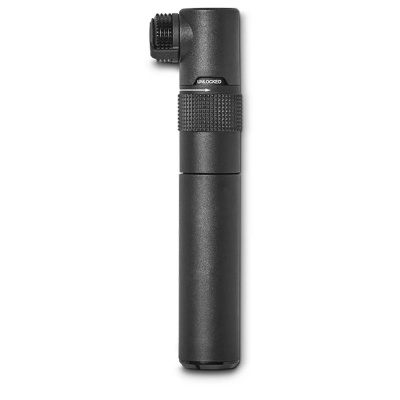
Cube mini pumps are the kind of kit you only think about when you're standing in a lay-by with a flat, so it's worth getting the choice right before that moment arrives. Sold under Cube's premium ACID accessory line, these pumps are engineered to deliver genuine inflation performance rather than just tick a box in your saddle bag.
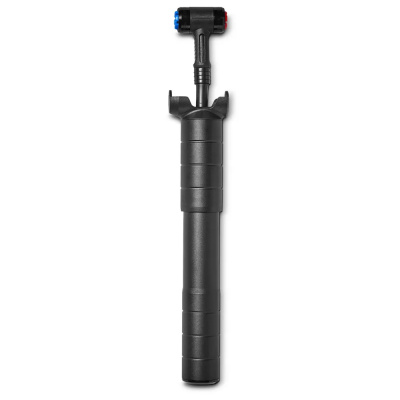
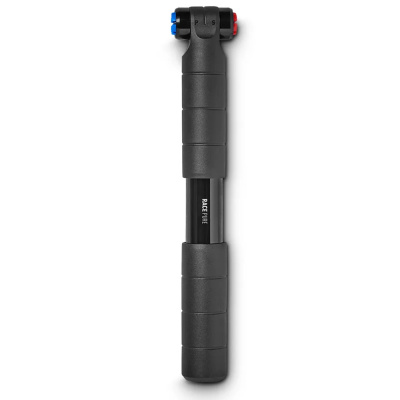
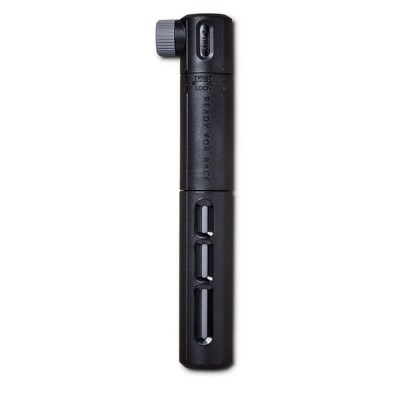
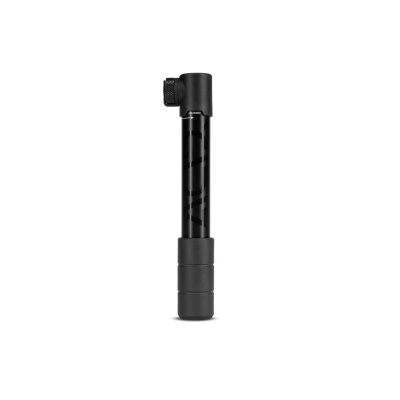
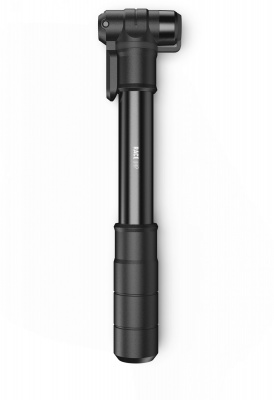
The range splits cleanly by discipline. If you're riding MTB or gravel, a High Volume (HV) model shifts more air per stroke - exactly what you need to seat a tubeless tyre at the trailhead or top up after a slow puncture on a long day out. Road riders need a High Pressure (HP) pump that can push past 80 PSI without your arms giving up first. Cube covers both, with CNC machined aluminium barrels that hold their shape under load and transfer air efficiently without that spongy, flexing feel you get from cheaper composite alternatives.
Smart valve compatibility via the EZ-Head system means no fumbling with adapters at the roadside - it handles both Presta and Schrader without fuss. Browse the range below to find the right pump for how you ride.
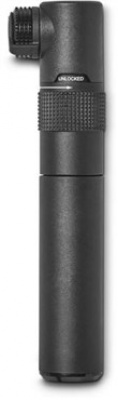
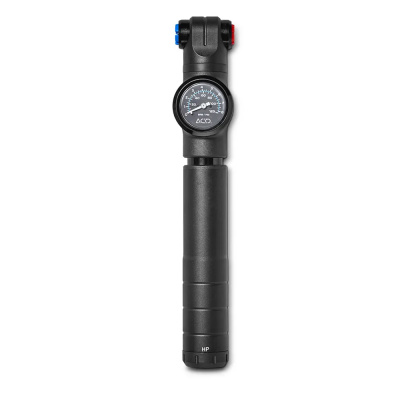
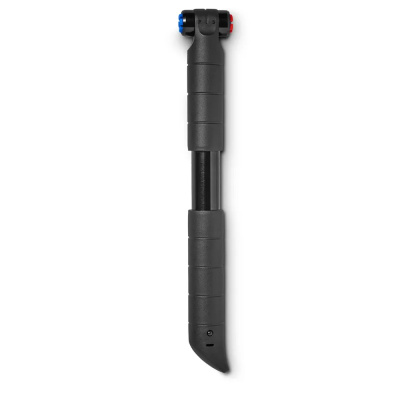
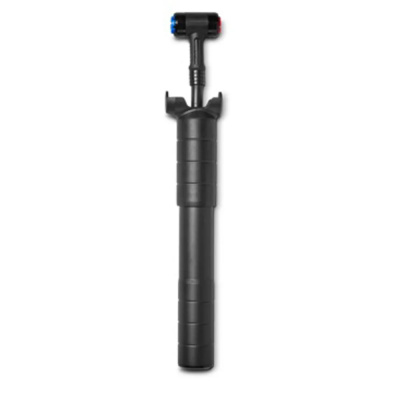

Prices and availability can change quickly. Delivery charges are not always included in listed prices.
Final price, stock status and delivery terms are set by retailer. We may receive a commission on purchases made.
HV, HP, and Valve Compatibility: Picking the Right Pump
The single biggest decision is High Volume versus High Pressure, and getting it wrong is genuinely frustrating mid-ride. A High Volume (HV) pump has a larger bore - each stroke pushes a bigger slug of air into the tyre. That's what you want for a 2.4-inch MTB tyre or a 45mm gravel tyre, where you need volume quickly and the target pressure is relatively low (typically 20 - 35 PSI). An HP model flips the equation: smaller bore, more mechanical advantage, capable of reaching 90 - 120 PSI for road or cyclocross tyres without requiring the lung capacity of a competitive rower.
Cube's ACID EZ-Head technology handles the valve question neatly. Rather than a reversible chuck you have to unscrew, flip, and reassemble with cold fingers on a January morning in the Peaks, the EZ-Head auto-selects or switches between Presta and Schrader with minimal effort. That matters more than it sounds - a poorly-fitted chuck on a Presta valve will vent air faster than you can pump it in, and it risks snapping the valve core. No spare adapters needed; it just works.
If you also need to set suspension sag or inflate tyres at home, those are different tools entirely. Check out our dedicated Cube Shock Pumps and Cube Track Pumps pages for those jobs - a mini pump is the wrong tool for either.
How the ACID Range Breaks Down
Not all Cube mini pumps are built the same, and the price difference between models reflects real engineering choices rather than badge tax. At the compact end, the race-oriented micro pumps are genuinely jersey-pocket sized - light enough that you stop noticing them, with an HP focus that suits road riders who want a backup to a CO2 canister without the single-use anxiety. The trade-off is stroke volume: you'll be pumping longer to reach pressure than you would with a larger barrel pump.
The MTB-focused models step up in barrel diameter for that HV output, and typically come with a flexible pull-out hose rather than a direct-fit head. That hose matters. Connecting a rigid pump directly to a valve while the pump is still clipped to your frame puts lateral stress on the valve stem - ask anyone who's snapped a Presta valve core trying to do exactly that on a gravel track in mid-Wales. A hose isolates the pump from the valve and makes the whole process less agricultural.
Spend more and you get CNC machined aluminium barrels instead of composite plastics. Aluminium doesn't flex under compression, so more of your effort goes into the tyre rather than into distorting the barrel walls. Some higher-spec ACID pumps also integrate a pressure gauge - a genuine convenience for tubeless setups where running a few PSI too low risks a burp on a fast corner. If you're comparing at this price point, Lezyne mini pumps and Topeak mini pumps occupy similar territory and are worth considering alongside the ACID range. The full ACID mini pump range on Bikesy shows current stock and pricing across the tiers.
Keeping Your Pump Working Through a UK Winter
A frame-mounted pump sits directly in the spray line from your front wheel. Every wet road ride, every muddy bridleway - that's grit, salt, and water being thrown straight at the pump head. Over time, that kills the internal O-rings and clogs the chuck mechanism, so that the one time you actually need it, it either won't connect or leaks badly. Choose models with an integrated rubber dust cap over the pump head. It's a small detail that dramatically extends working life.
The bottle cage mount system on most ACID pumps clips the pump beneath your cage using the same frame bosses. It's tidy and keeps the pump accessible without rattling around in a bag. If you're using the provided mounting bracket, use the longer bolts supplied - they need to pass through the bracket and into the frame boss with enough thread engagement to stay secure over rough ground. A pump that ejects itself on a descent and then gets run over is even less useful than no pump at all.
Once or twice a season, unthread the barrel and apply a light smear of silicone grease to the main plunger seal. In cold weather, rubber seals harden and lose their efficiency - you'll feel the difference as increased pumping effort with reduced air output. Silicone grease keeps the seal pliable without attacking the rubber. Don't use petroleum-based lubricants; they degrade the seal over time. It takes two minutes and means the pump actually works when you're standing in the cold at the side of a lane in November. Pair your pump with a Cube saddle bag if you prefer carrying it off the frame, and keep a set of Cube tools in your kit for broader roadside repair capability.
Cube Mini Pumps FAQs
Are Cube mini pumps compatible with Presta and Schrader valves?
Yes. Most Cube and ACID mini pumps use the EZ-Head system or a reversible internal chuck that handles both Presta and Schrader valves without any additional adapters. It's a practical feature that removes one potential source of roadside frustration, particularly when your hands are cold and your patience is short.
Should I choose a High Volume (HV) or High Pressure (HP) Cube pump?
Go High Volume for MTB and gravel - more air per stroke means you seat wider tyres faster and reach usable pressure without exhausting yourself. Choose High Pressure for road bikes, where you need to hit 80 PSI or above and the smaller bore gives you the mechanical advantage to get there. Using an HV pump on a road bike is genuinely hard work.
How do I mount a Cube mini pump to my bike frame?
Cube mini pumps include a composite mounting bracket that fits under your bottle cage, sharing the same frame bosses. Use the longer bolts provided in the box - these pass through the bracket and into the boss with enough thread to hold securely on rough ground. Check the bolts are tight before each ride; vibration works them loose over time.