
Cube Track Pumps
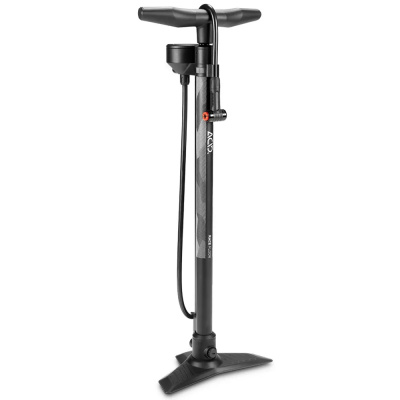
Cube track pumps sit at the serious end of the home workshop shelf - not flashy, just sorted. Built under Cube's ACID component line, they're engineered to handle both the brute-force volume needed to pop a stubborn tubeless bead and the fine pressure control road riders demand when chasing exact PSI on a cold Sunday morning. A steel barrel, an oversized PSI gauge you can actually read without squinting, and a chuck that doesn't drip air down your leg - these are the details that matter when you're trying to get out the door before the light goes.
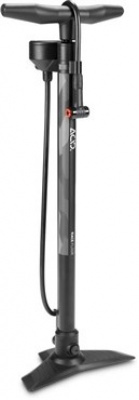
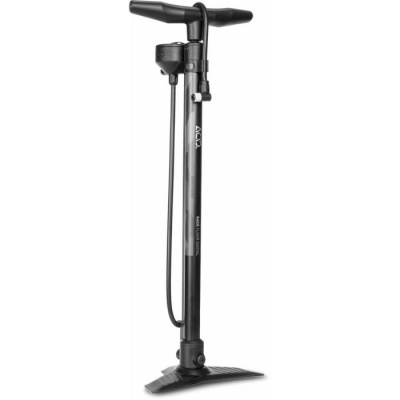
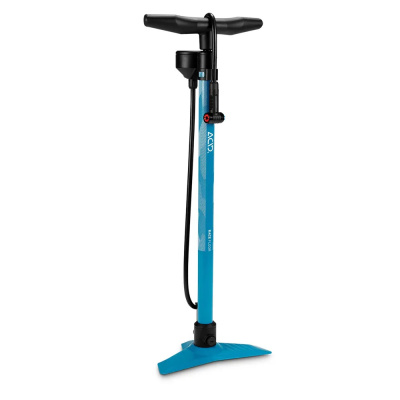
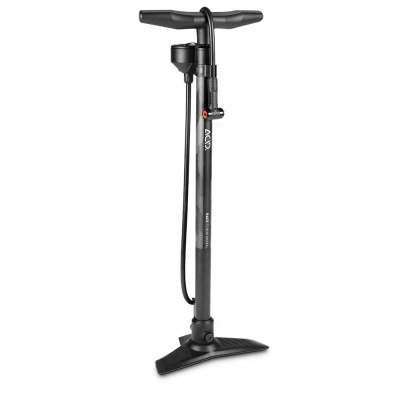
The headline feature is the ACID EZ-Head: a dual-valve chuck that automatically engages Presta or Schrader valves without dismantling anything or hunting for a rubber grommet you dropped behind the workbench six months ago. Pair that with a micro-adjust bleed valve for shaving off that last bar, and you've got a pump that covers road, gravel, MTB, and cyclocross from a single tool. Whether you're dialling in a tubeless gravel setup before a wet Peak District ride or topping up skinny road tyres for the commute, Cube's range has the right tool for the job.
Prices and availability can change quickly. Delivery charges are not always included in listed prices.
Final price, stock status and delivery terms are set by retailer. We may receive a commission on purchases made.
Valve Compatibility and How the EZ-Head Actually Works
Most pump frustrations come down to the chuck. Flipping rubber grommets in a cold garage, getting a partial seal that hisses at you, losing a tiny internal washer into a drain - it's avoidable. Cube's ACID EZ-Head system sidesteps all of that by auto-selecting between Presta and Schrader valves the moment you push the head down and lock the lever. There's no internal swap required. The chuck reads the valve geometry on contact and seals accordingly, so you can move from a mate's MTB to your own road bike without a second thought.
The O-ring seal inside the EZ-Head is what keeps things airtight under pressure. It's worth knowing that this is the component most likely to need attention after a couple of years of heavy use - more on that in the maintenance section below. For micro-adjusting pressure, the air bleed valve is genuinely useful. Rather than dumping 10 PSI in one go, a short press bleeds off exactly what you need. Particularly handy when you're nudging tubeless gravel pressures down by a psi or two for a softer, more forgiving feel on loose surfaces.
One boundary worth setting clearly: track pumps are your home inflation tool, full stop. For roadside flat repair, the Cube mini pumps page covers portable options. And if you're tuning air forks or a rear shock, that's a separate discipline entirely - head over to Cube shock pumps for the right tool.
ACID Track Pump Models: What You Get at Each Level
Cube runs their track pumps through a tiered ACID lineup, and the differences between models are worth understanding before you buy. At the entry level, the ACID Track Pump Alpha covers the basics: steel barrel, dual-valve head, base-mounted analog gauge. It's a workhorse with no frills, and for most riders who just need reliable inflation before a ride, it does the job cleanly.
Step up to the ACID Race and the gauge moves to a top-mounted position - a small change that makes a real difference when you're crouched over a tyre and don't want to peer down at the base of the pump. The analog dial is oversized, clear, and genuinely readable. The ACID Race Pure takes this further with a digital pressure display for those who want exact figures rather than needle approximations. Digital readouts matter most for road and cyclocross riders where a two-PSI error changes how the tyre feels through fast corners.
In terms of performance split: the high volume models in the range are built around MTB and tubeless use, prioritising airflow rate over maximum pressure ceiling. These are the ones to reach for when seating a 2.4-inch tyre on a wide rim. The high pressure variants push into road territory, with barrel geometry optimised for efficiency at 100 PSI and above rather than moving large amounts of air quickly. If you're running a mixed fleet - road bike plus gravel or MTB - the mid-tier Race models tend to span both uses acceptably well without committing fully to either extreme.
Compared to the broader market, Topeak track pumps and Lezyne track pumps operate in the same space at similar price points. Cube's ACID range trades on simplicity and consistency rather than premium finishing or modular head systems - a fair trade-off if you want something that works every time without configuration. Park Tool track pumps lean harder into workshop longevity and are worth considering if you're servicing multiple bikes regularly. The SKS range is another practical German alternative at the accessible end of the market.
Keeping Your Cube Pump Running Through a UK Winter
A damp British garage is not kind to pump internals. Grit from muddy bikes, condensation on metal barrels, and the general griminess of winter riding all conspire to degrade pump performance faster than the manufacturers' specs suggest. A bit of regular attention keeps things working properly and extends the pump's life considerably.
The EZ-Head chuck is the most contamination-prone part. After a particularly mucky session - think post-Yorkshire Wolds winter ride grit - it's worth removing the chuck head and rinsing it with clean water, then leaving it to dry fully before reassembly. Don't use degreaser inside the chuck; it strips the lubricant from the seal and accelerates wear. A small amount of silicone grease on the O-ring seal every few months keeps the valve engagement smooth and airtight. Petroleum-based grease will swell the rubber, so silicone only.
The main barrel plunger also benefits from occasional lubrication at the top of the stroke. Pull the handle out to its full extension and apply a thin film of silicone grease around the plunger shaft. You'll feel the difference immediately - strokes become smoother and pump efficiency improves noticeably at higher pressures. This matters most when you're tubeless seating and need sustained volume quickly.
For winter workshop use with cold hands, the ergonomic T-bar handle on the ACID pumps is worth noting. The grip diameter and surface texture are designed to stay usable with gloves on or with hands that have lost some dexterity in low temperatures. It's a small detail, but one you notice when you're prepping a bike at 7am in January. Complement your pump setup with a decent set of Cube workshop tools and you've got a functional home mechanic kit without over-investing.
Cube Track Pumps FAQs
Does a Cube track pump work with both Presta and Schrader valves?
Yes. Most Cube and ACID track pumps use the EZ-Head dual-valve chuck, which automatically adapts to Presta and Schrader valves on contact. There's no need to dismantle the head or swap internal rubber grommets - push it down, lock the lever, and you're pumping.
How do I seat tubeless tyres with a track pump?
Remove the Presta valve core first - this maximises airflow into the tyre. Attach the pump head, then pump fast and hard to build volume quickly. The bead will pop into the rim bed with an audible click. Refit the valve core, then inflate to your target riding pressure.
Why is my track pump leaking air at the valve?
Usually a worn O-ring inside the pump chuck, or a bent Presta valve core on the bike itself. Make sure the pump head is pushed fully down before locking the lever. If it's still leaking, inspect the rubber grommet inside the chuck - if it's dried out or cracked, replacement grommets are inexpensive and fix the issue immediately.