
Crank Brothers Gravel Wheels
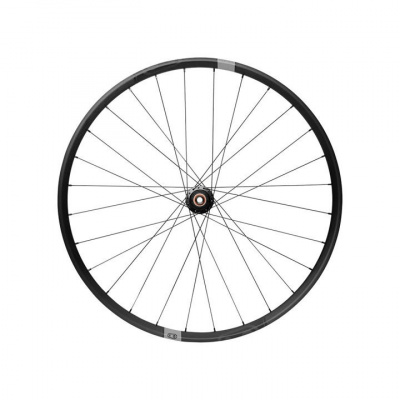
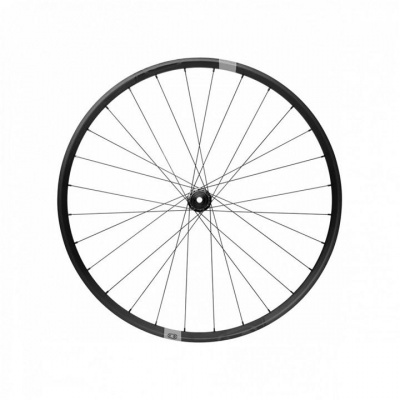
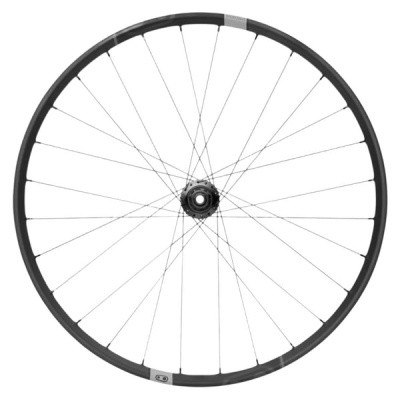
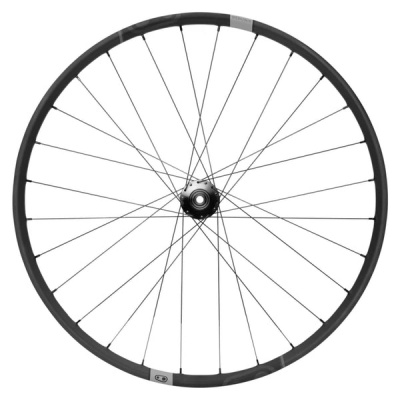
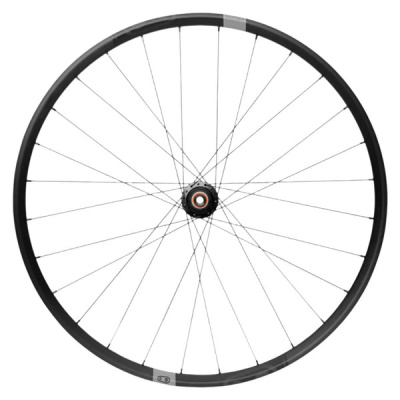
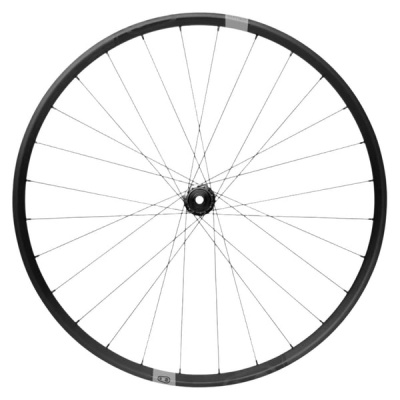
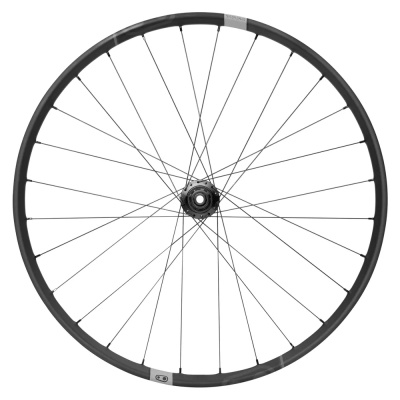
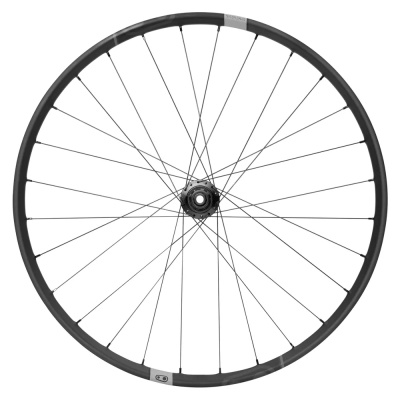
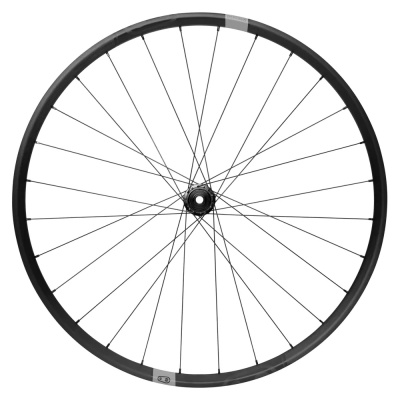
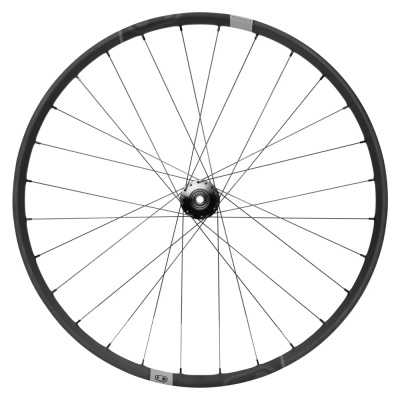
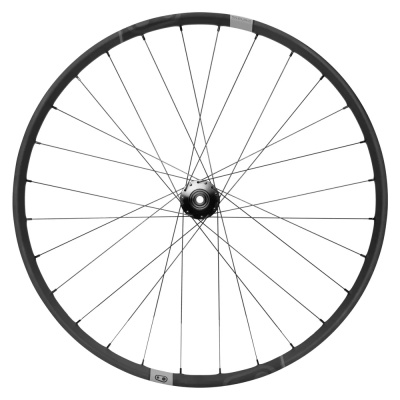
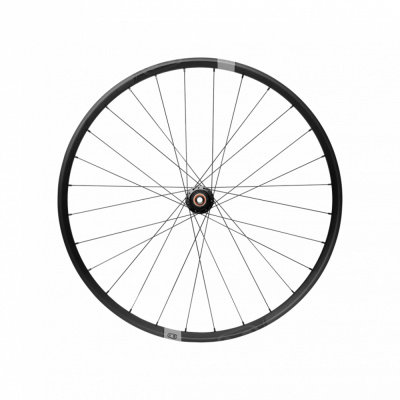
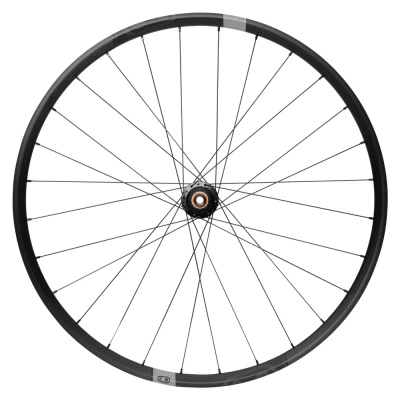
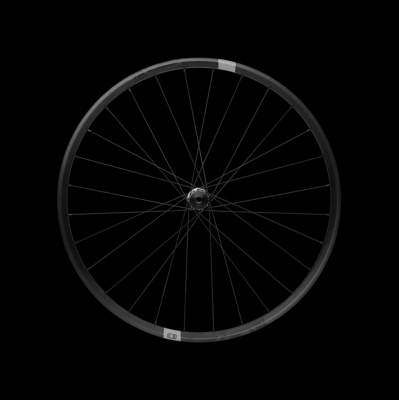
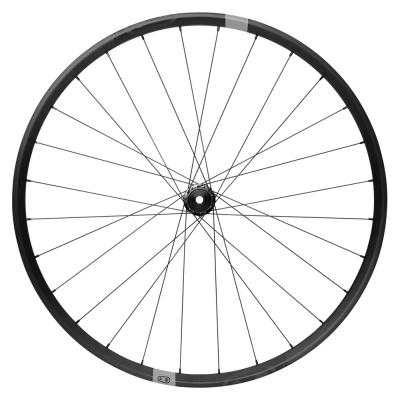
Crank Brothers gravel wheels are built around a straightforward but genuinely clever idea: the front and rear wheel on your bike do fundamentally different jobs, so why build them the same? The proprietary Synthesis Tuned Wheel System puts that logic into practice - a more compliant front wheel to keep your tyre hooked up over wet roots and loose chalk, and a stiffer rear wheel to stop watts disappearing into flex when you're driving hard out of a corner. It's a real-world performance difference you'll notice the moment a bridleway gets rough.
There are two clear tiers. The Synthesis Alloy range gives you a tough, tubeless-ready wheelset that handles winter grinding and the kind of flint-strewn South Downs descents that eat lesser rims for breakfast. Step up to Synthesis Carbon and you're getting meaningful weight savings alongside premium Industry Nine hubs - faster engagement, better bearing quality, and a wheel that feels alive under load. Both are built tubeless-ready from the box, compatible with 12mm thru-axles front and rear, and available across Centerlock rotor standards. Compare UK prices across the full range below and find the right set for your build.


Prices and availability can change quickly. Delivery charges are not always included in listed prices.
Final price, stock status and delivery terms are set by retailer. We may receive a commission on purchases made.
Fitment Standards and What Goes Where
Getting the fitment right before you buy saves a lot of faff at the workstand. Crank Brothers Synthesis gravel wheels run 12x100mm thru-axle up front and 12x142mm at the rear - both are now the gravel standard, and you'll find these dimensions on the vast majority of current gravel frames. Rotor attachment is Centerlock across the range, which suits Shimano's own disc rotors directly and works with 6-bolt adaptors if your existing rotors need it. Worth checking before you order.
Freehub compatibility is where things branch out. Depending on the model you're looking at, you can spec SRAM XDR (for SRAM's 10-12 speed road and gravel groupsets), Shimano HG (compatible with 8-11 speed Shimano cassettes), or Shimano Micro Spline (required for Shimano's 12-speed MTB and gravel drivetrains including GRX 12-speed). Match your cassette to the correct freehub body before clicking 'buy' - it's a quick check that avoids an annoying return. If you need to swap freehub standards down the line, head to our Crank Brothers Rims and Spares section for compatible components rather than attempting a conversion without the right parts.
Inner rim width on the Synthesis range sits in the 21 - 25mm internal range depending on model, which comfortably accommodates 38 - 50mm gravel tyres. That's a sensible range for UK riding, where you might want a 40mm file tread for hardpack Lincolnshire byways and something chunkier for the Peak District in November.
Alloy or Carbon: What the Money Actually Buys
The Synthesis Alloy sits at the practical end of the range. It's heavier than the carbon option - you're typically looking at a meaningful rotational weight penalty - but the rim is tough, repairable in most cases, and well-suited to the sort of riding where you're not precious about the odd rock strike. For year-round UK riding or riders who want a dedicated winter set, alloy makes a lot of sense. Build quality is solid, spoke count runs higher at the rear (typically 32h) to handle load, and 28h up front keeps the weight reasonable while providing enough compliance for comfort on rough surfaces. If a spoke does go or a rim takes serious damage, signpost yourself to our Crank Brothers wheels category for compatible build components rather than attempting a lace-up without the right specs.
The Synthesis Carbon changes the character of the wheel noticeably. Rim weight drops, the ride feel sharpens, and on the premium carbon models you get Industry Nine 1/1 hub internals - that's a 0.5-degree engagement angle, meaning virtually instantaneous power pickup when you accelerate out of a switchback or sprint from a standing start. For context, a standard Shimano freehub engages at around 15 degrees; the i9 internals engage at a fraction of that. It's not just a number - you feel it on technical gravel where micro-adjustments to power matter.
The carbon rim also handles rim-profile tuning more precisely, which is partly why the front-specific and rear-specific Synthesis design works as well as it does in this tier. Riders comparing options might also look at DT Swiss gravel wheels or Hope gravel wheels at similar price points - both offer strong build quality - but the Synthesis Tuned Wheel System's deliberate front-rear differentiation is a genuine point of difference rather than marketing copy. Mavic gravel wheels are another option worth comparing if you prioritise tyre compatibility and system integration.
Keeping Them Rolling Through a UK Winter
British gravel riding is hard on wheels. Chalk flint on the South Downs is almost surgically sharp, grinding grit gets into every bearing surface, and wet clay sticks to everything. A few practical points help you get the best out of the Synthesis range in these conditions.
The compliant front wheel construction - wider inner rim width, tuned spoke tension - isn't just about comfort. It keeps the tyre footprint more stable under lateral load, which directly reduces the chance of a pinch flat when you clip a sharp chalk edge at speed. Running tubeless, which the Synthesis range supports out of the box with pre-taped rims and valves included, adds another layer of protection. Set up with 40 - 60ml of quality sealant and you'll plug most small cuts without stopping. For anything the sealant can't handle, carry a Crank Brothers tubeless repair kit - their plug tools are compact and fast to use at the side of a muddy bridleway.
Hub bearings are the component most riders neglect until it's too late. After a winter of heavy use in gritty mud, the cartridge bearings in any hub will show wear - listen for any grinding or lateral play in the axle as an early warning. On the premium models with Industry Nine internals, bearing quality is high, but the engagement mechanism still benefits from a clean and light re-grease after sustained wet-weather use. A basic service every 20 - 30 hours of winter riding is realistic if you're pushing the bike hard. Keep the freehub body clean too - packed grit slows engagement and accelerates wear on the pawls or ratchet ring.
If you're building up a complete gravel setup, the wheels work particularly well paired with Crank Brothers pedals and gravel shoes from the same range - consistent mud-shedding design across the contact points makes a difference when you're clipping in mid-descent on a slippery Welsh bridleway.
Crank Brothers Gravel Wheels FAQs
Are Crank Brothers Synthesis wheels good for gravel?
Yes. The Synthesis range uses a tuned wheel system that deliberately differentiates front and rear construction - a more compliant front for grip and a stiffer rear for efficient power transfer. That combination works well on the rough, unpredictable surfaces you find on UK bridleways and gravel roads.
What is the difference between front and rear Crank Brothers Synthesis wheels?
The front wheel uses a wider inner rim width and lower spoke tension to absorb impacts and keep the tyre tracking on loose or rooty ground. The rear runs a narrower profile and higher spoke tension to handle drivetrain load and pedalling forces more efficiently - typically 32h versus 28h spoke counts.
Do Crank Brothers gravel wheels come tubeless ready?
Yes - all Synthesis gravel wheels arrive pre-taped and include tubeless valves in the box. You'll need to mount compatible tubeless tyres and add your preferred sealant, but there's no additional rim tape or valve hunting required before your first ride.