
Crank Brothers MTB Wheels
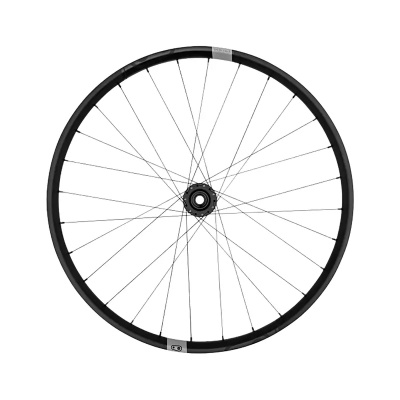
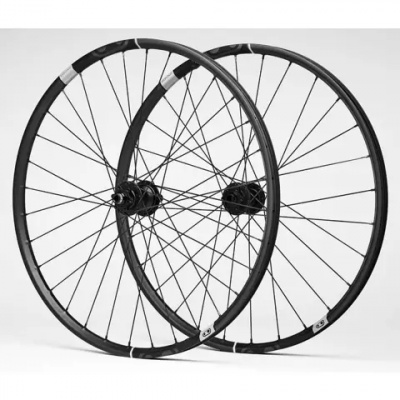
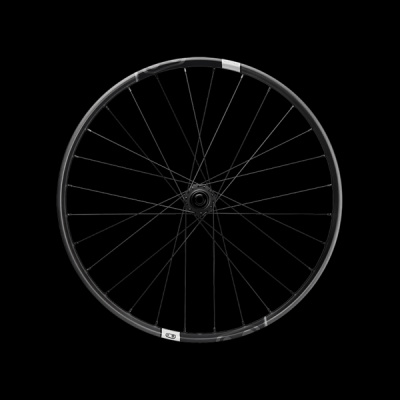
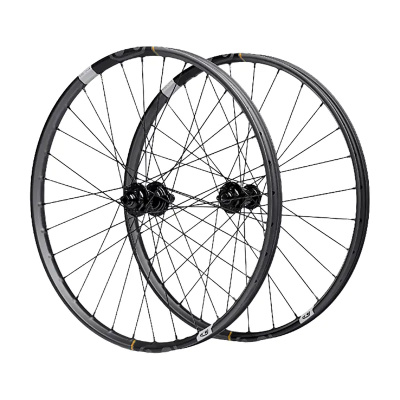
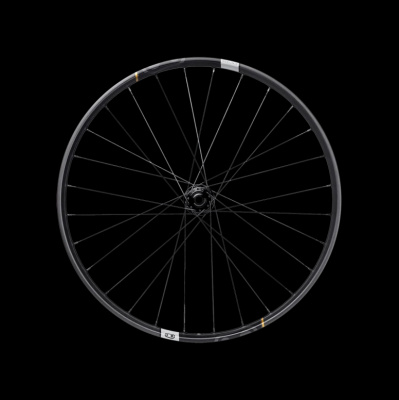
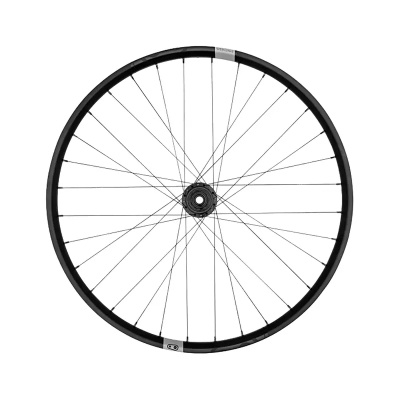
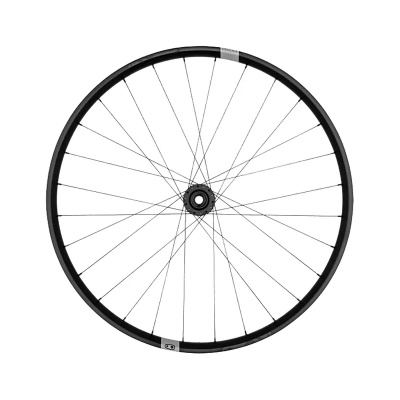
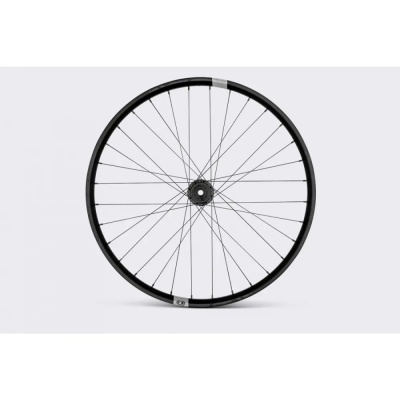
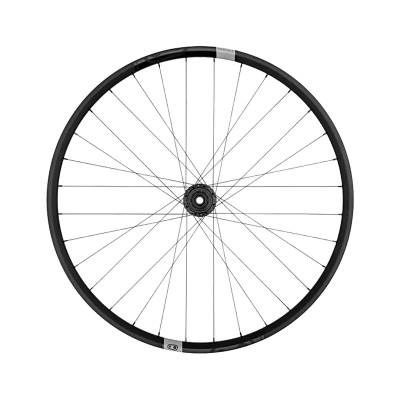
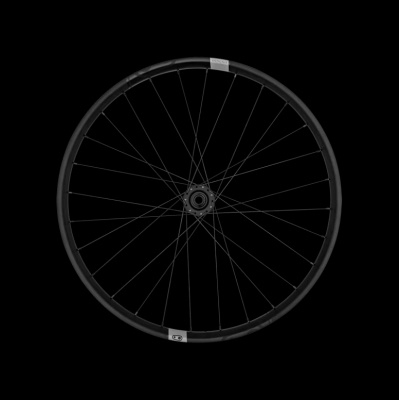
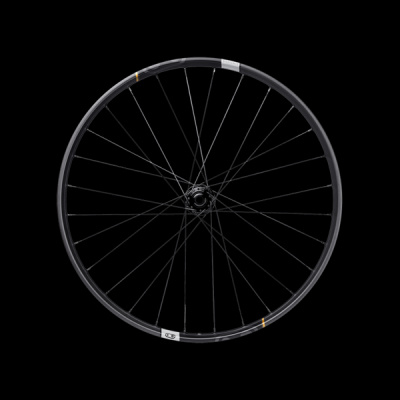
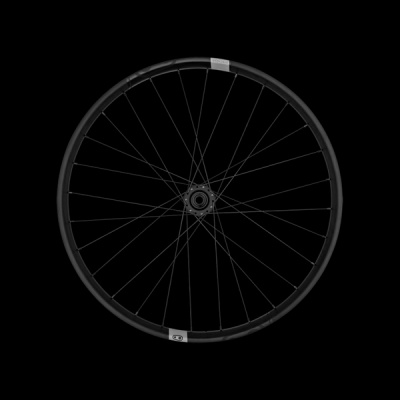
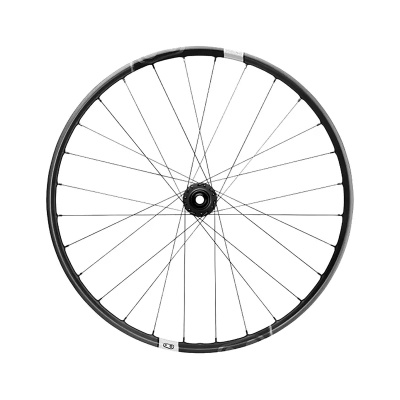
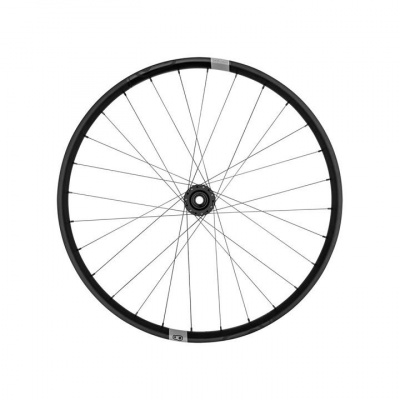
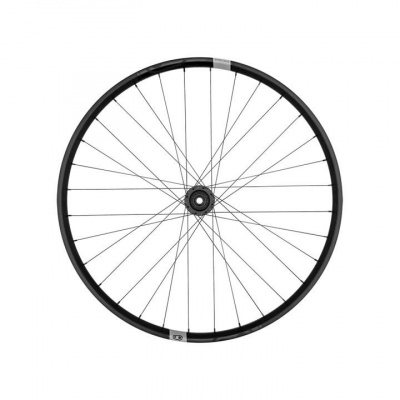
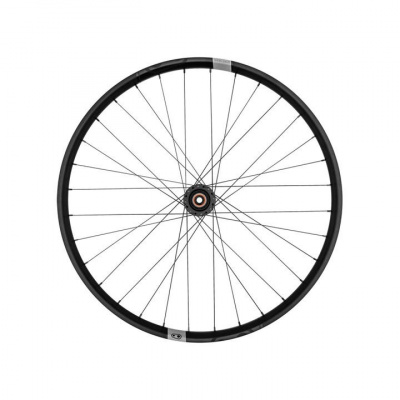
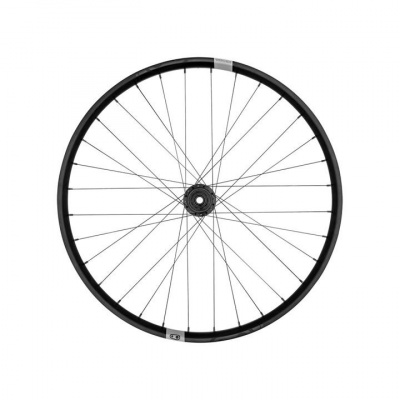
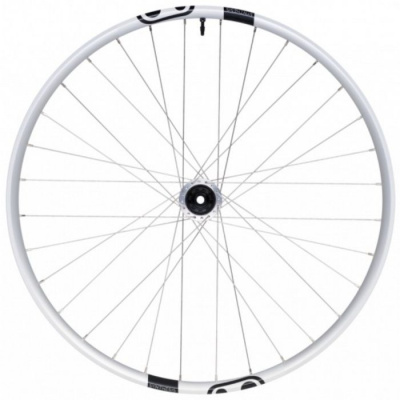
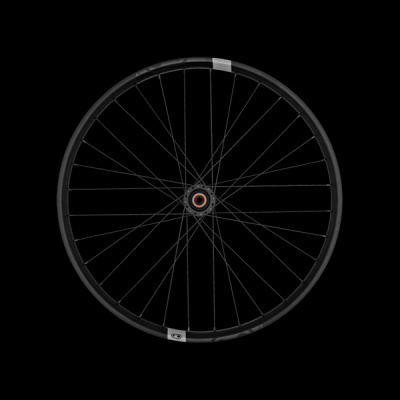
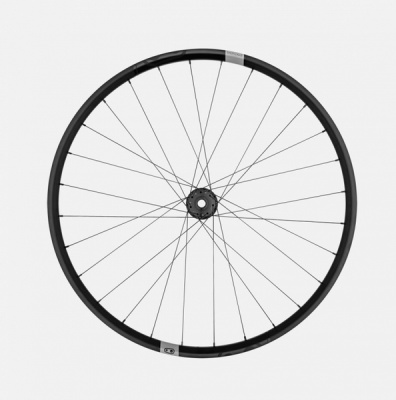
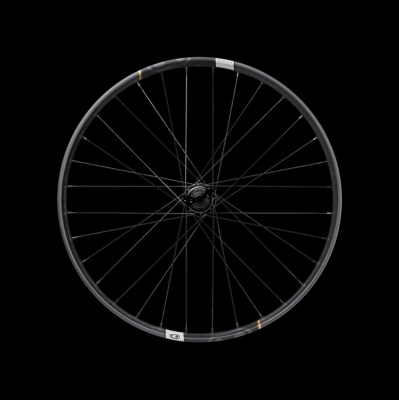
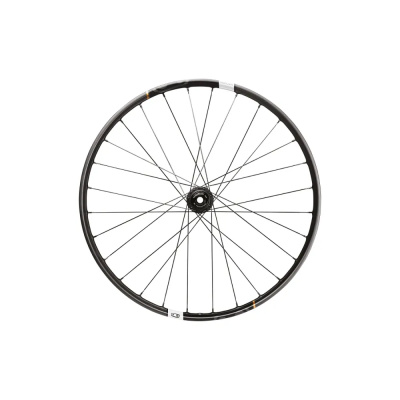
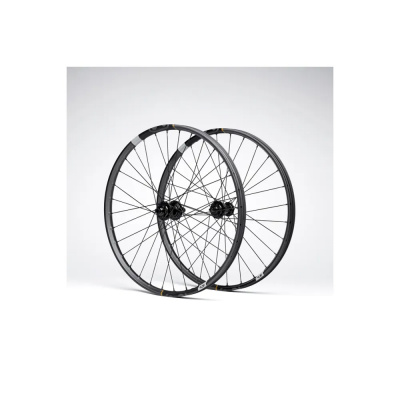
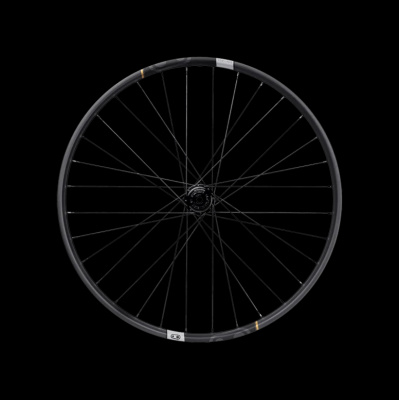
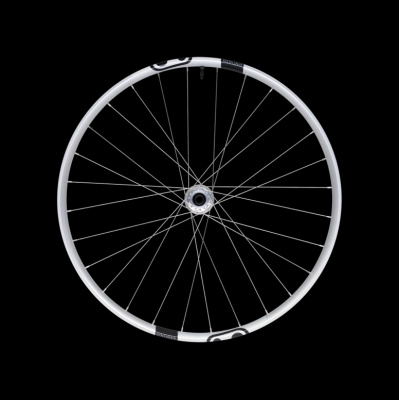
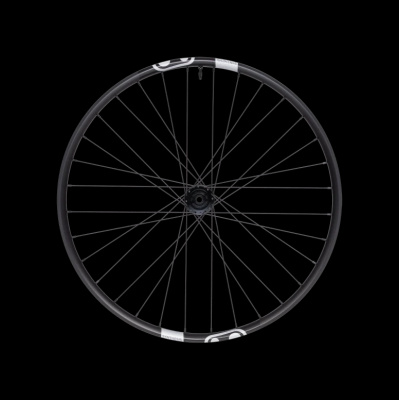
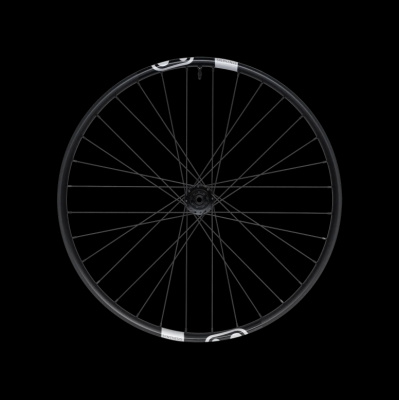
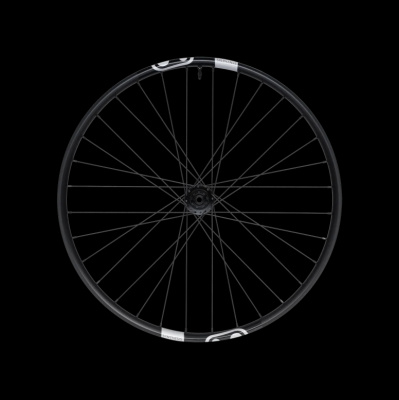
Crank Brothers MTB wheels are built around a genuinely different idea: the front and rear wheels are not the same, and they shouldn't be. The Synthesis Tuned Wheel System uses a wider, more compliant front rim with fewer spokes to absorb chatter and hold grip on wet roots, and a narrower, stiffer rear rim with more spokes to handle hard impacts and track cleanly through corners. That's not marketing shorthand - it's a measurable structural difference that changes how the bike behaves under you.
At the top of the range, the Synthesis Carbon 11 pairs that tuned rim philosophy with Industry Nine Hydra hubs, which offer 0.52° engagement - close to instant pickup when you sprint out of a slow, technical corner. Step down to the standard carbon or alloy tiers and you're still getting the same front/rear specific rim design, just with Crank Brothers' own hubs running 17° engagement. Solid, but a different feel.
Whether you're after the Crankbrothers Synthesis enduro wheels for chunky trail days or a lighter cross-country build, the range covers a lot of ground. Check the current UK prices below and find what fits your rig.









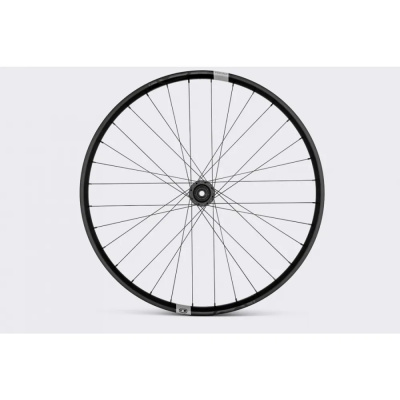
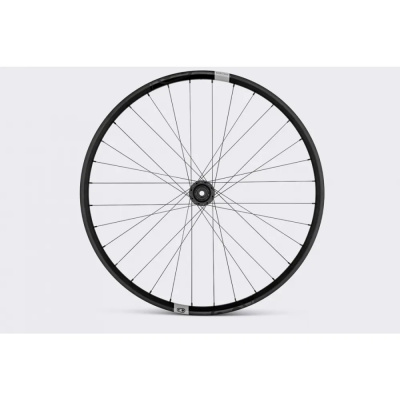
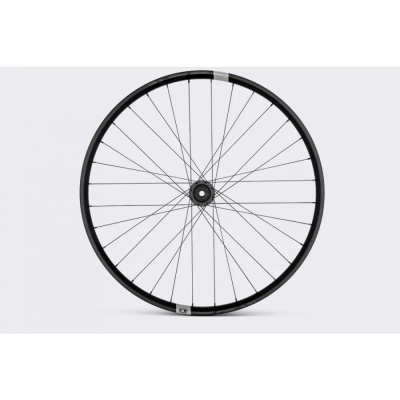
Prices and availability can change quickly. Delivery charges are not always included in listed prices.
Final price, stock status and delivery terms are set by retailer. We may receive a commission on purchases made.
Fitting Crank Brothers Wheels: Axle Standards and Driver Compatibility
Before anything else, check your axle spacing. Most modern full-suspension enduro and trail bikes run Boost spacing - 15x110mm front, 12x148mm rear - and Crank Brothers Synthesis wheels cover this as standard. If you're on a burly mullet or long-travel rig with a wide rear end, some frames use Super Boost 157mm rear spacing; confirm your frame spec before ordering, because swapping axle adapters after the fact is a faff you don't need in the car park.
Rotor mount is the next thing to sort. Crank Brothers offers both 6-bolt and Centerlock hub configurations depending on the model, so match this to your brake rotors and check whether your existing rotors need a lockring tool or a standard bolt pattern. Neither is better - it's just what your calipers dictate.
Freehub compatibility matters too. You'll find options for Shimano HG, Micro Spline (for 12-speed Shimano), and SRAM XD driver bodies depending on your groupset. If you need to replace or swap a driver body down the line, head to our Crank Brothers freehub bodies and spares page for compatible parts. For individual rim or spoke replacements, our dedicated Crank Brothers rims and spokes and nipples pages cover what you need without the guesswork.
Synthesis Carbon vs Alloy: Which Tier Makes Sense for You
The range breaks into three clear tiers, and picking the wrong one is an easy mistake when the names look similar on a screen.
The Synthesis Carbon 11 sits at the top. It uses Synthesis tuned carbon rims with Sapim CX-Ray bladed spokes and - the headline feature - Industry Nine Hydra hubs. That 0.52° engagement figure means the freehub picks up almost the moment you push down on the pedals. On a punchy trail with tight corners and short power bursts, you feel it. These are the best Crank Brothers wheels for UK trails where the pace is high and the lines are technical. They're competitive with what Reserve and ENVE offer at the carbon premium end, though the Synthesis tuned approach gives them a distinct character.
The standard Synthesis Carbon drops the I9 hubs in favour of Crank Brothers' own, which run 17° engagement. That's a noticeable step - think of it as the difference between a crisp gear click and one that needs a half-pedal stroke to bite. Still capable, still a proper Crank Brothers carbon mountain bike wheel, just without the hair-trigger response. Sensible if the hub premium feels hard to justify for your riding.
Then there's the Synthesis Alloy range - heavier than carbon, obviously, but genuinely robust and easier to live with on a budget. Alloy rims take dings and keep going where carbon can be more particular about hard square-edge strikes. If you're still dialling in your riding, running a seasonal mud tyre, or just want something you won't wince at when it clips a rock on the Peaks, the alloy option earns its place.
One more thing to get right: the E (Enduro) and XCT (Cross-Country/Trail) designations. The E builds run wider internal rim widths designed for higher-volume tyres - typically 2.4" and above - while XCT rims are narrower and better matched to faster-rolling 2.2" - 2.35" rubber. Running a 2.6" tyre on an XCT rim isn't going to work well; the tyre profile goes balloon-shaped and loses its cornering precision. Match the designation to your tyre volume, not just your discipline. If you also ride mixed-surface routes, it's worth a look at the Crank Brothers gravel wheels as a separate category.
UK Durability and Keeping Things Running Through Winter
British trails are their own kind of endurance test. Wet chalk on the North Downs, greasy roots across Scottish forestry tracks, or claggy clay that coats everything by October - the conditions here push hubs and rims harder than a dry summer lap ever would.
The compliant front rim design of the Synthesis system actually helps here in a practical way. A wider, more flexible front rim allows the tyre to deform slightly into wet, off-camber surfaces - think of it like widening your footprint on a slippery step. You hold lines on greasy roots that a stiffer, narrower rim would deflect off. That's not a marginal gain in UK conditions; it's the difference between committing to a line and bailing wide.
On hubs, the I9 Hydra units are fast and well-built, but they do need attention if you're riding through winter grit regularly. The pawl system benefits from periodic cleaning and a drop of light oil - let contamination build up and you'll hear the telltale rattle before engagement starts to soften. It's a ten-minute job at the end of a muddy stint, and it keeps them feeling sharp. Standard Crank Brothers hubs are less fussy, but seasonal bearing checks still pay off; pack bearings don't love repeated submersion in the stuff that comes off a Pennine climb in January.
All modern Synthesis wheels are tubeless ready out of the box, pre-taped and supplied with valves. You just add sealant and tyres. Keep a tubeless repair and plug kit in your pack - trailside punctures that sealant can't handle on its own are much less of an ordeal when you've got a plug to hand. Worth keeping one attached to your frame, not buried at the bottom of a bag you never open.
If you're weighing Crank Brothers against alternatives at a similar price point, it's worth comparing directly with DT Swiss MTB wheels and Hope MTB wheels. Hope in particular is hard to argue against for UK servicing and long-term support - different engineering approach, but worth the look if home-serviceable hubs are a priority for you.
Crank Brothers MTB Wheels FAQs
Are Crank Brothers Synthesis wheels good?
Yes, and the reason is specific: the front/rear tuned design isn't just a naming convention - the front rim is genuinely wider and more compliant for grip, while the rear is stiffer and more tightly spoked for tracking and durability. On rough, technical trails, particularly in wet UK conditions, that difference in handling is noticeable rather than theoretical.
What hubs do Crank Brothers wheels use?
The premium Synthesis Carbon 11 tier uses Industry Nine Hydra hubs with 0.52° engagement - near-instant pickup. Standard Synthesis Carbon and Synthesis Alloy wheelsets use Crank Brothers' own hubs with 17° engagement, which are reliable and well-built but offer a noticeably slower response when you're pushing out of a tight corner.
Do Crank Brothers wheels come tubeless ready?
All current Synthesis mountain bike wheels come pre-taped and include tubeless valves, so you're ready to set up tubeless straight out of the box. Add your chosen sealant and tyres and you're rolling - no hunting for the right tape width or valves separately.