
Cannondale Kids Bikes
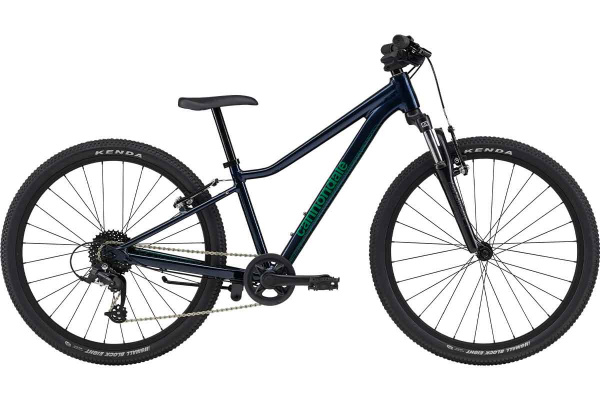
Cannondale Kids Bikes aren't just scaled-down versions of adult machines - they're purpose-built for smaller riders using the same engineering discipline that made the brand famous for aluminium innovation. The core philosophy here is Kid-Correct: geometry, standover height, and Q-factor all optimised for a child's proportions, not yours. That means lighter frames thanks to SmartForm Alloy construction, which shaves kilos compared to the steel offerings you'll find in department stores, and handling that actually responds to a six-year-old's input rather than fighting it. The range splits neatly into two families. Trail models lean off-road with knobbly rubber and, on larger wheel sizes, suspension forks for dirt confidence. Quick models keep things rigid and semi-slick for park paths and tarmac runs. Both share the same obsession with weight-to-strength ratios, and that translates to faster skill progression and fewer tears when the bike tips over. Cannondale chassis hold value too, so when your child outgrows the 20-inch wheels, the resale market is kind.
Prices and availability can change quickly. Delivery charges are not always included in listed prices.
Final price, stock status and delivery terms are set by retailer. We may receive a commission on purchases made.
Engineering for Little Riders: SmartForm Alloy
SmartForm C2 Alloy isn't marketing fluff - it's Cannondale's hydroformed and butted aluminium, the same material science they apply to their mountain bikes and road bikes, now scaled for kids. The tubes are shaped to place material where stress concentrates and thin it where it's redundant, which keeps frame weight low without sacrificing durability when your child drops the bike on the driveway for the fifteenth time. Double-pass smooth welding reinforces joints, so there's no flex or fatigue creep even after a summer of jumps off kerbs and gravel path exploration. Compare that to the mild steel frames common on budget kids' bikes - often north of 12kg for a 20-inch model - and you'll feel the difference the moment you lift a Cannondale. A lighter bike means less effort to pedal, easier handling through tight corners, and crucially, a child who can actually pick the bike up when it falls. That's not trivial when you're building confidence on a Saturday morning loop around the local park.
Sizing & Geometry: The Kid-Correct Fit
Wheel diameter is your starting point: 12-inch suits ages two to four, 16-inch covers four to six, 20-inch fits five to eight, and 24-inch takes you from seven to twelve. But inseam and standover height matter more than age brackets. A child should be able to plant both feet flat on the ground when straddling the top tube - that's the safety net when they brake suddenly or lose balance. Cannondale keeps standover deliberately low across the range, which is why even shorter riders within each age band can manage these bikes confidently. Kid-Correct geometry also narrows the Q-factor, the distance between the pedals. Adult bikes can force a child's hips into an unnatural splay, but Cannondale tightens that stance to match a smaller pelvis, reducing fatigue and improving pedalling efficiency. Reach and stack are proportioned too, so your child isn't stretching for the bars or hunched over like they're riding a miniature time-trial rig. If you're comparing a Cannondale 24 inch mountain bike to a Frog or Cube equivalent, measure standover first - it's the number that prevents scraped shins and tears.
Model Breakdown: Trail vs. Quick
The Cannondale Trail kids range is the off-road option. Think wider, knobbier tyres for grip on bridleways and trail centres like Swinley Forest or Cannock Chase, and on 20-inch and 24-inch models, a suspension fork with around 50-60mm travel to smooth out roots and ruts. Shimano Tourney groupsets keep shifting simple and robust - nothing fancy, but reliable enough for muddy Welsh weekends. The Trail geometry sits the rider slightly more upright for control on descents, and the rigid rear end keeps maintenance minimal. Quick models, by contrast, are pavement-focused hybrids. Rigid forks save weight and cost, semi-slick tyres roll faster on tarmac, and the overall package suits school runs, park laps, and canal towpaths. If your child's riding is mostly smooth surfaces with the occasional gravel detour, the Quick is the smarter pick. Both families use the same SmartForm Alloy chassis, so you're not sacrificing frame quality either way - it's just a question of where the tyres point. Worth noting: Cannondale balance bikes sit below the Trail and Quick lines, offering tool-free training wheels for toddlers transitioning from push-along to pedalling.
Why Cannondale's Aluminium Matters
Cannondale built their reputation on aluminium innovation back in the 1980s, and that DNA filters down to every kids' model. The brand pioneered oversized tubing and hydroforming on adult bikes like the EVO and Scalpel, techniques that reduce weight without compromising stiffness. Those same processes shape the down tubes and seat tubes on a 16-inch kids' bike, which is why a Cannondale hybrid for adults and a Cannondale Quick kids model share a family resemblance in weld quality and tube profiles. Lighter bikes mean faster skill acquisition. A child who can manoeuvre their bike easily will corner better, brake more confidently, and recover from wobbles without panic. That's especially true on climbs - lugging a 12kg steel bike up a gentle incline is exhausting for a seven-year-old, but an 8kg Cannondale makes the same hill feel manageable. The resale value is another practical win. Giant and Boardman also offer lightweight children's bicycles, but Cannondale's brand cachet and proven durability keep second-hand prices strong, which softens the sting when you're buying the next size up twelve months later.
Related searches: