
Cannondale Road Bikes
Cannondale road bikes sit at an interesting crossroads: a brand that spent decades ripping up the rulebook on aluminium construction and then turned that same restlessness on carbon. The result is a lineup that covers nearly every road riding ambition - from punishing crits to multi-day sportives on battered British B-roads.
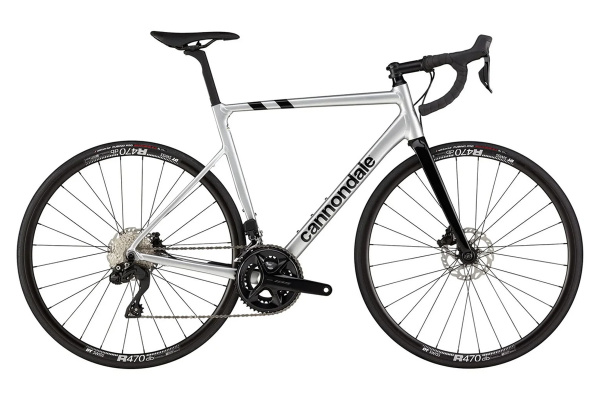
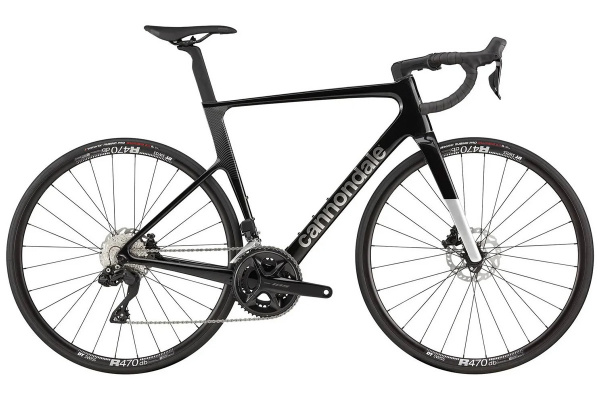
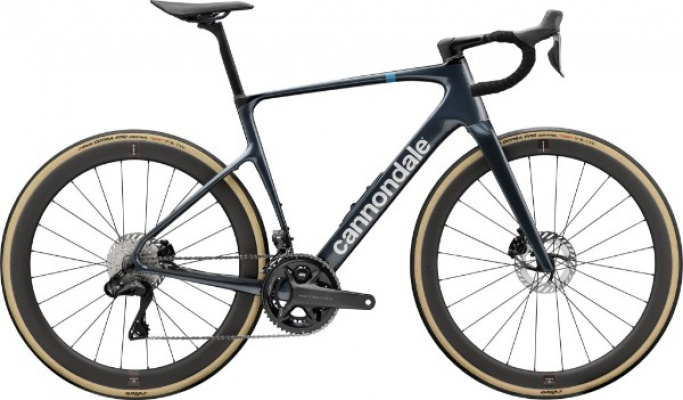
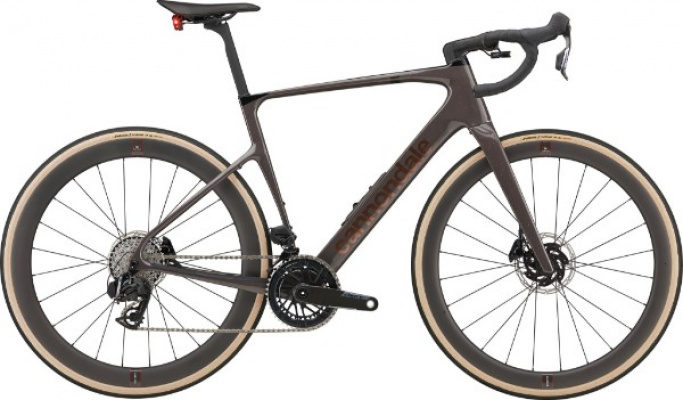
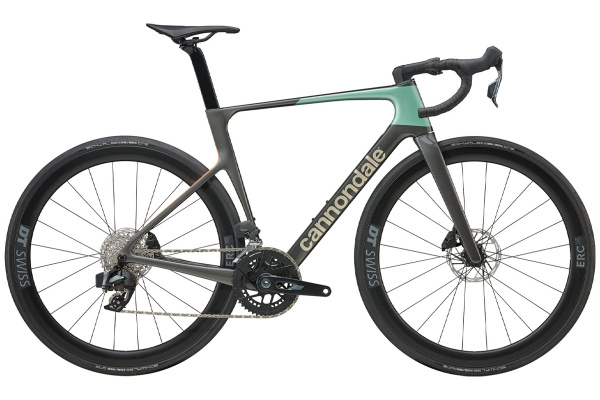
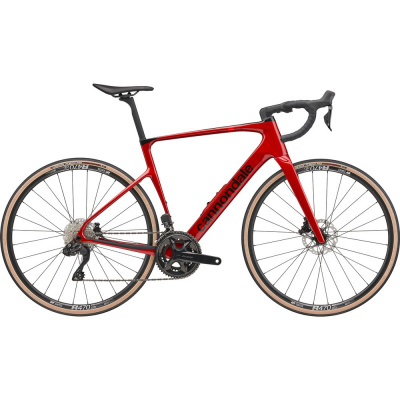
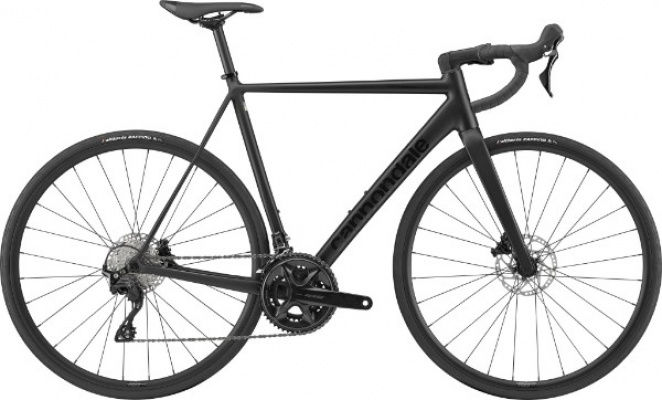
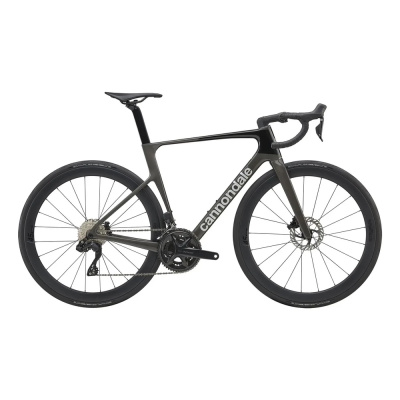
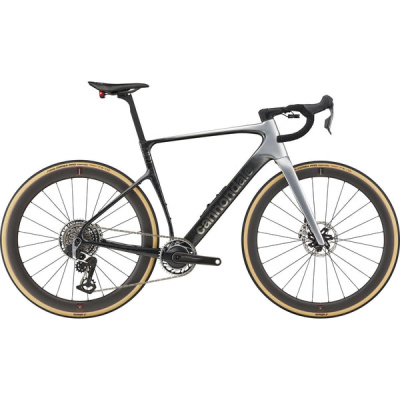
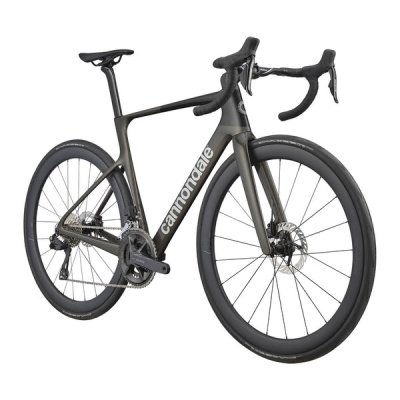
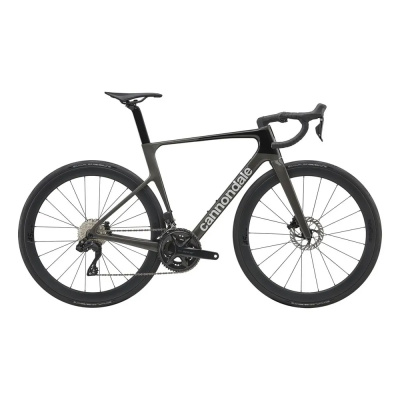
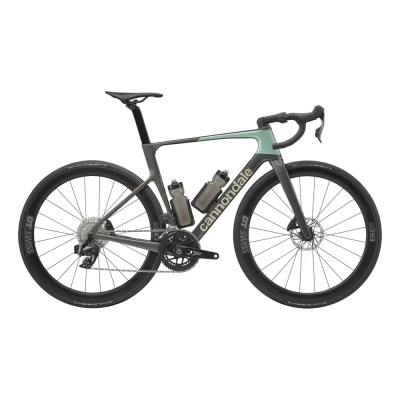
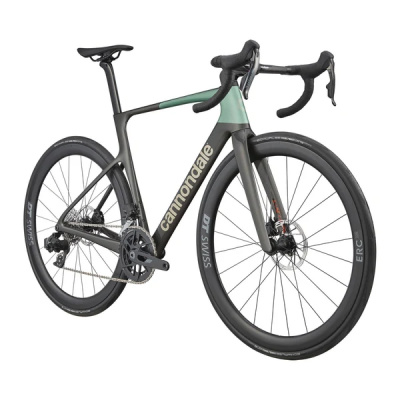
If you're chasing KOMs or targeting a GC result, the SuperSix EVO is Cannondale's lightweight weapon of choice. Want pure aero speed for flat-out efforts? The SystemSix is built around integrated drag reduction from the front axle back. Prefer a bike that soaks up the punishment of rough tarmac without turning you into a bag of bruises by mile 60? The Synapse is Cannondale's endurance answer. And if budget matters but you refuse to compromise on stiffness, the CAAD13 alloy frame punches well above what the price tag suggests.
Looking for off-road drop-bar adventures? Head over to our Cannondale Gravel Bikes page. Need a motorised tailwind? Check out our Cannondale E-Bikes collection. Building a custom rig? Browse our bare Cannondale Frames.
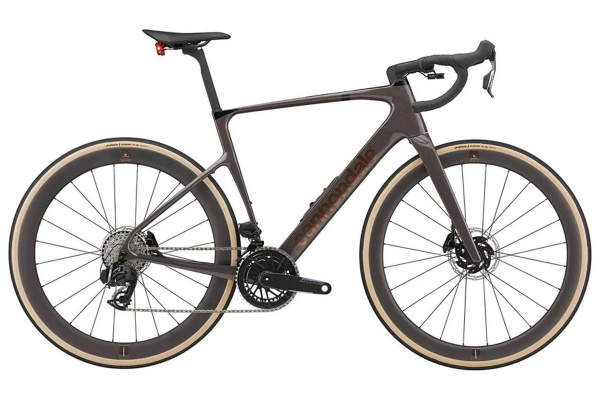
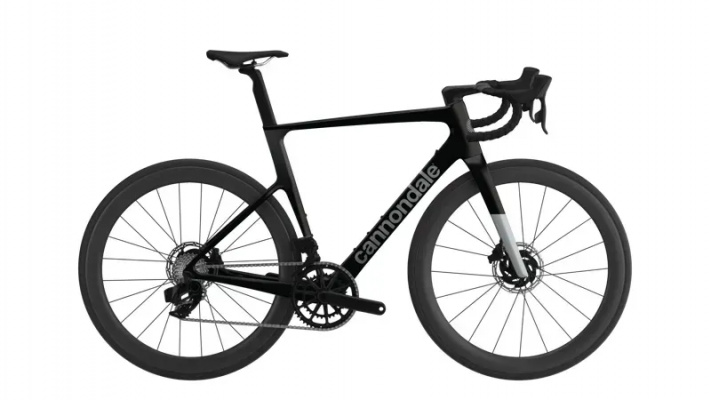
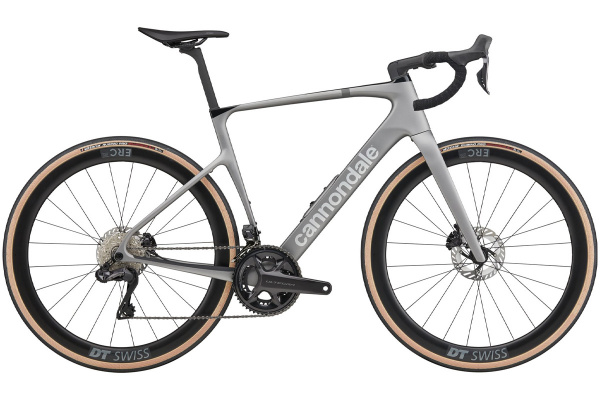
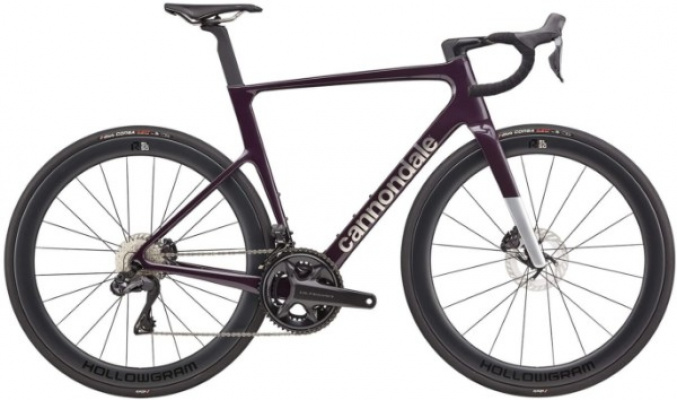
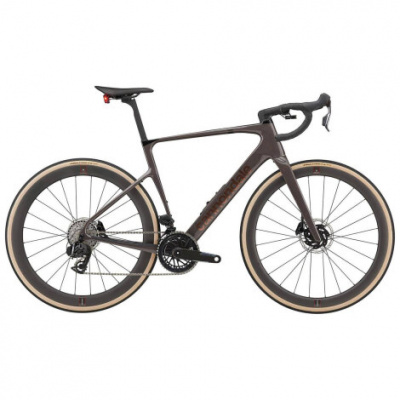
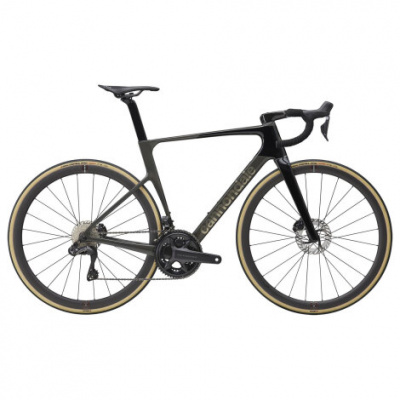
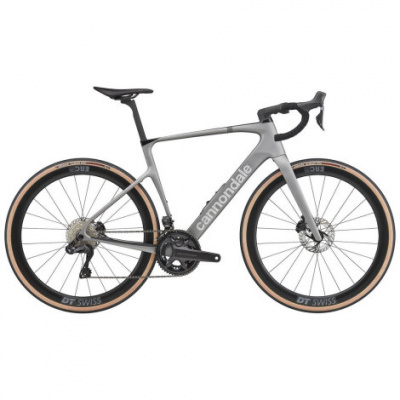
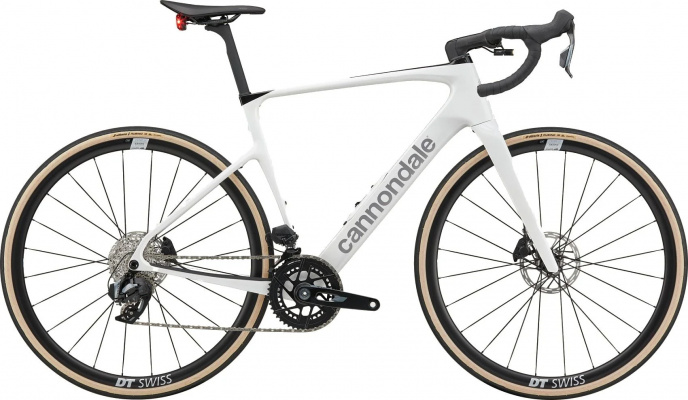
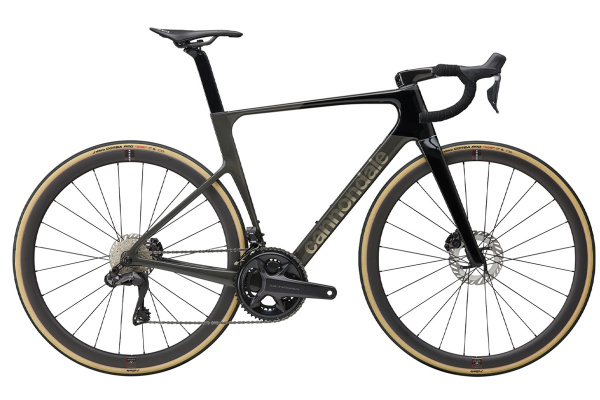
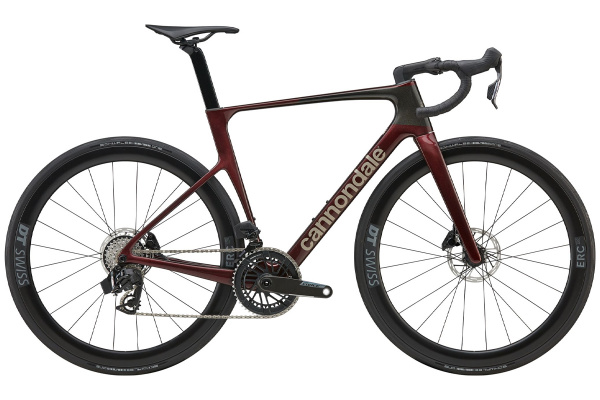
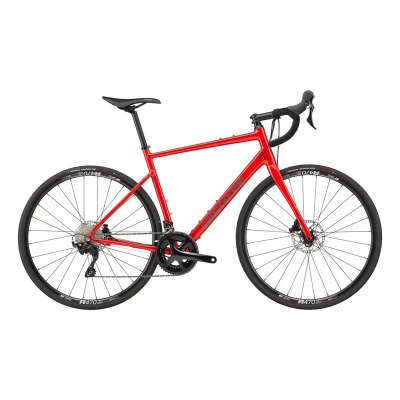
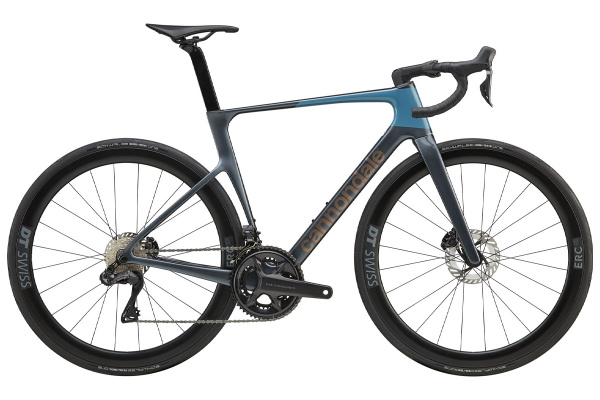
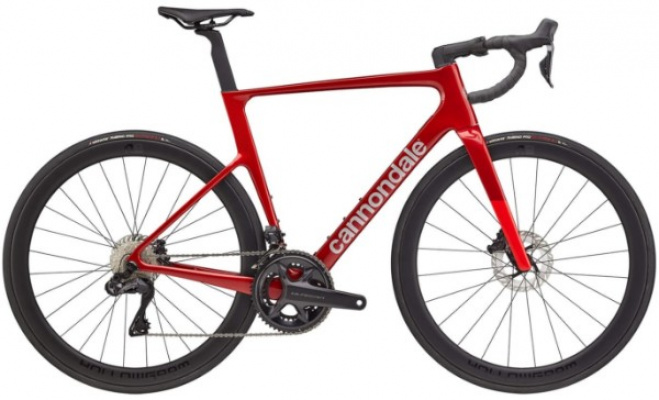
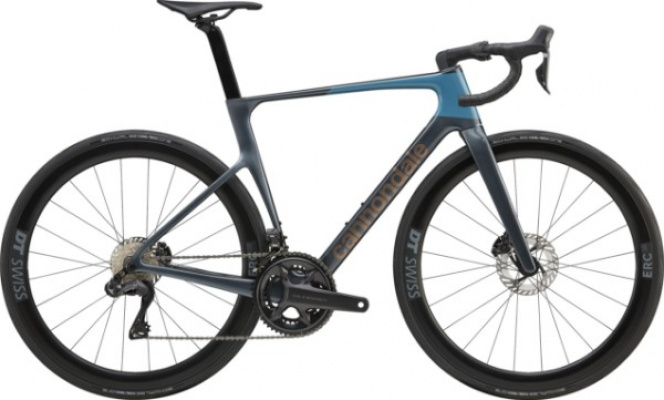
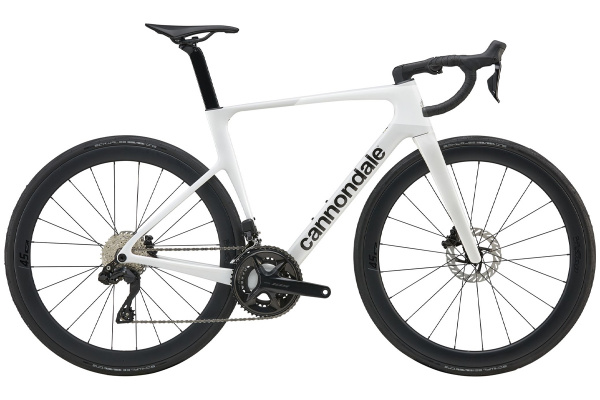
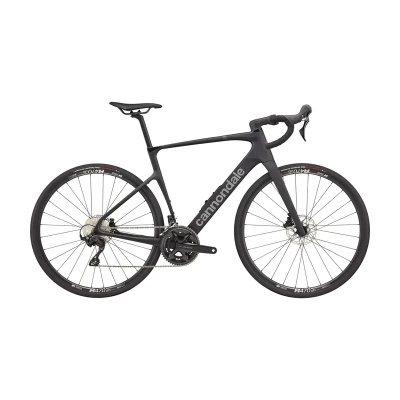
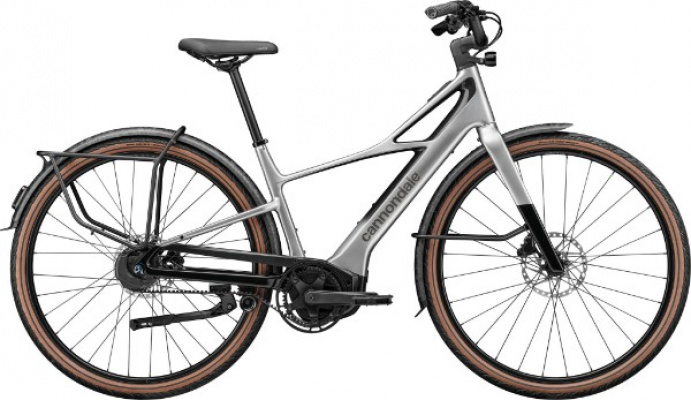
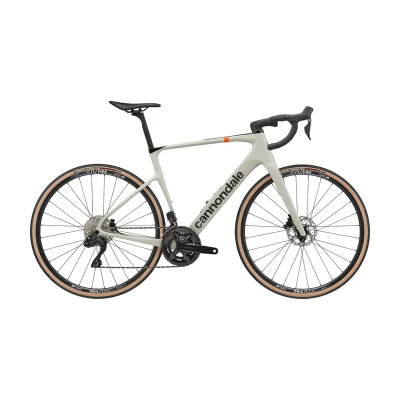
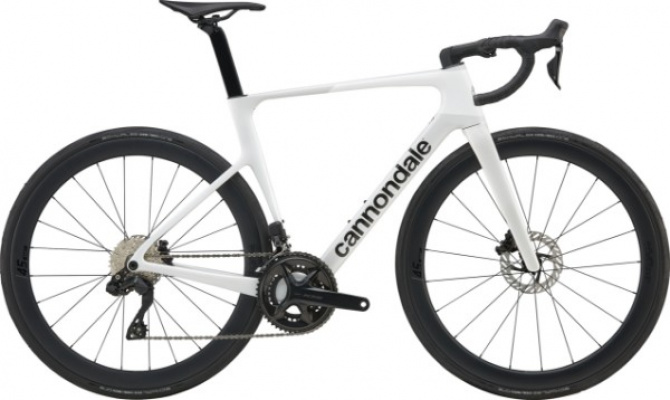
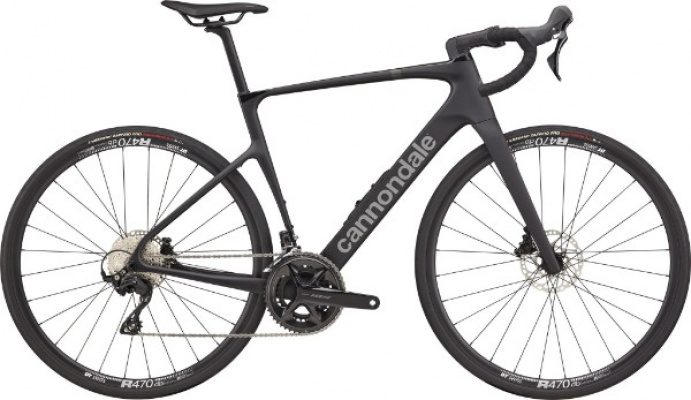
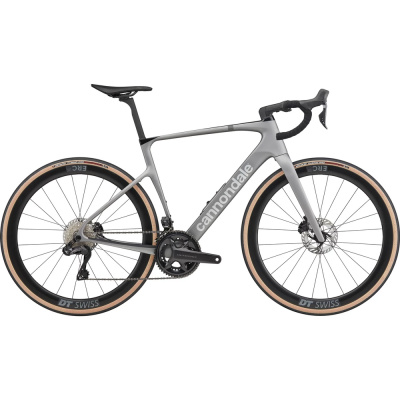
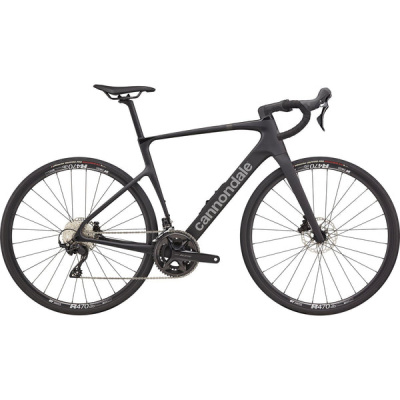
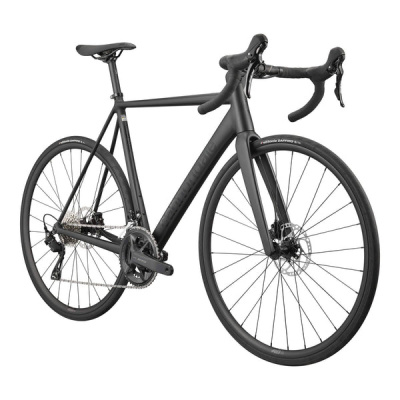
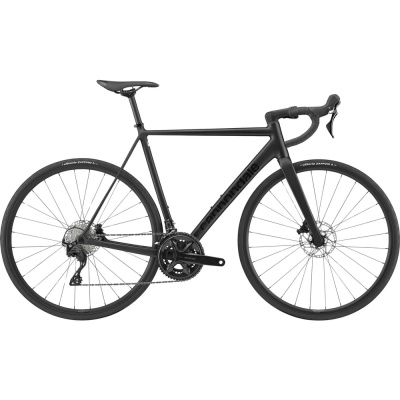
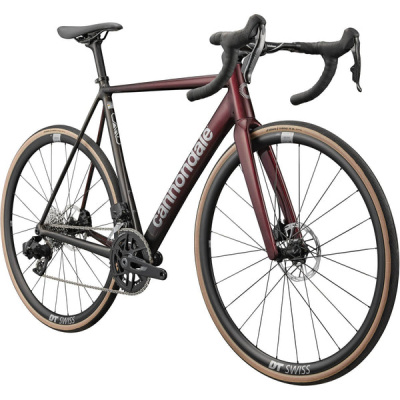
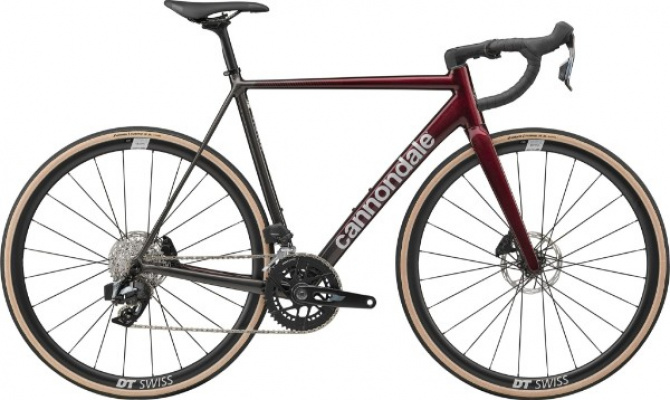
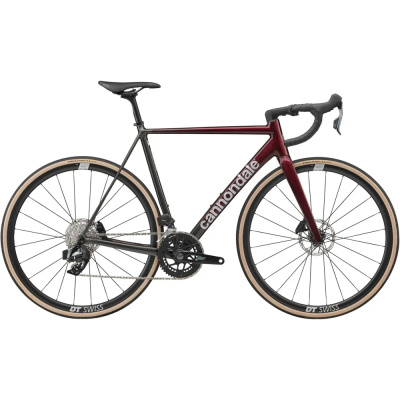
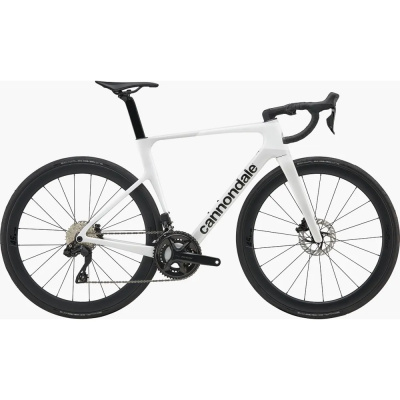
Prices and availability can change quickly. Delivery charges are not always included in listed prices.
Final price, stock status and delivery terms are set by retailer. We may receive a commission on purchases made.
Mapping the Road Lineup: Four Bikes, Four Different Jobs
Cannondale's road range isn't a muddled family of overlapping models - each bike has a clear brief. The SuperSix EVO is the climber and all-rounder, built around a lightweight BallisTec carbon chassis with race geometry that rewards riders who spend their weekends hunting gradients. It's the bike Cannondale puts its GC ambitions behind, and the frame's combination of low weight and lateral stiffness means power transfer is crisp. Think Yorkshire Dales or the Chilterns, not the criterium circuit.
The SystemSix occupies the pure aero slot. Every tube profile, every cable routing decision, and the integrated HollowGram KNØT cockpit system exists to reduce drag. If your riding is flatter and faster - think sportive TTs, club 10s, or fast chain-gang miles - this is where Cannondale focuses that aerodynamic thinking.
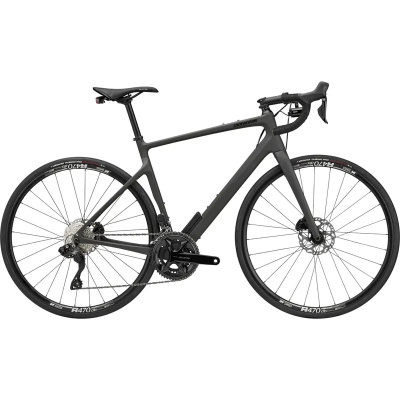
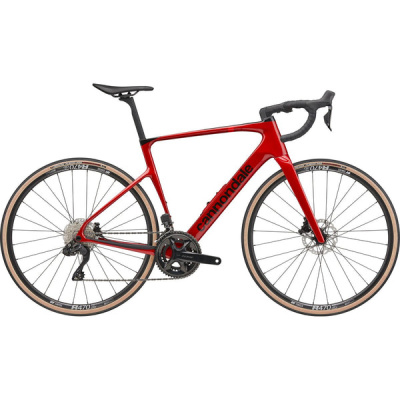
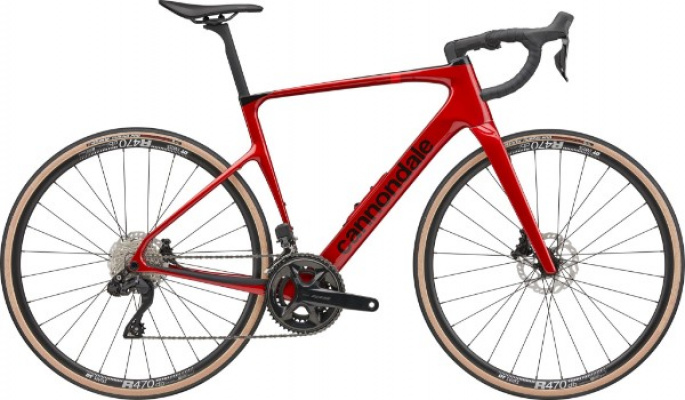
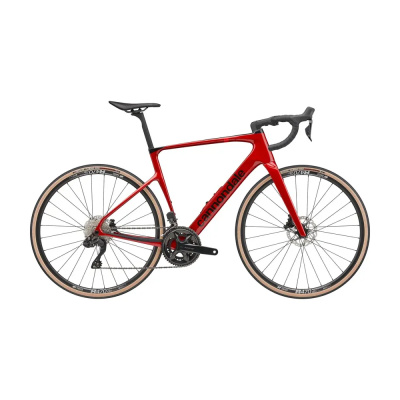
The Synapse is Cannondale's endurance road bike, and it's arguably the most relevant model for everyday UK riding. Wider tyre clearance, a more relaxed head angle, and the SAVE micro-suspension system built into the rear triangle make it genuinely different to ride on rough roads - more on that below.
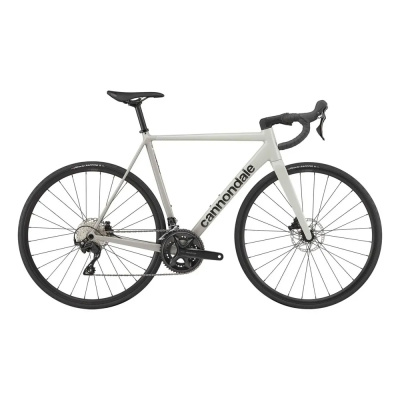
Then there's the CAAD13. Cannondale's SmartForm C1 alloy construction produces a frame that's stiffer, lighter, and more aerodynamically shaped than most carbon bikes from five years ago. It's the crit racer's shortcut - or the entry point for riders who want proper race-geometry handling without committing to a carbon budget.
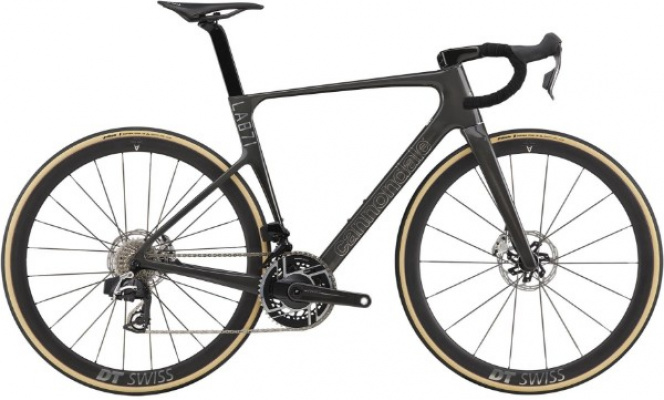
Across the range, trim levels follow a logical pattern. Standard Carbon builds use Cannondale's base BallisTec layup paired with Shimano 105 or Ultegra groupsets (numbered Carbon 3, Carbon 2, Carbon 1 from entry upward). Hi-MOD frames use a higher modulus carbon fibre, saving meaningful weight and sharpening stiffness. At the top sits LAB71 - a bespoke ultra-premium carbon layup tier, hand-finished and built to tolerances that Cannondale doesn't apply anywhere else in the range. It's the version for riders who genuinely want the best the brand can make.
The Technology Behind the Ride Feel
Cannondale's engineering decisions aren't arbitrary, and understanding them helps you choose the right model. The most talked-about feature on the Synapse is SAVE (Synapse Active Vibration Elimination) micro-suspension. This isn't a suspension fork or any moving part - it's a deliberate flex engineered into the seatstays and seatpost. The rear triangle deflects vertically to absorb road chatter while remaining laterally rigid, so your pedalling power goes forward rather than sideways. On a gnarly Derbyshire back lane, that compliance is the difference between arriving at the café feeling fine and arriving with your hands numb.
The BB30a asymmetric bottom bracket standard appears across most Cannondale road frames. The asymmetric shell offsets the driveside bearing outboard for better chainline and increased stiffness around the pedalling axis. It's a performance gain, but it does come with a maintenance consideration - keep reading for that.
On the cockpit side, the HollowGram KNØT system integrates bar, stem, and steerer into a single aerodynamic assembly. Cables and hoses disappear internally, and the SystemSix's Delta steerer tube cross-section is shaped specifically to manage airflow around the head tube junction. The aerodynamic gain is real, though it does mean bar swaps require more effort than a traditional stem bolt. Factor that in if you regularly change position.
Newer Synapse builds include Cannondale's SmartSense ecosystem - an integrated radar and lighting system that talks to a rear radar unit and a handlebar-mounted LED. For winter commutes or dark November club rides, the rear-facing radar alerting you to approaching traffic is genuinely useful. It's the kind of feature that sounds gimmicky until you're on a narrow lane in the Cotswolds with a van closing fast.
Owning a Cannondale on UK Roads
A few things are worth knowing before you click buy. The BB30a bottom bracket is brilliant when it's happy and annoying when it isn't. Wet British winters - grit, standing water, repeated pressure washing - can drive moisture into the bearings faster than most riders expect. A creak developing through the winter is almost always the BB30a talking. The fix is straightforward: pull the cranks, clean the shell, regrease or replace the bearings, and reinstall. Do it annually and you'll likely never hear it. Ignore it and it gets worse.
Tyre clearance on modern Cannondale road bikes is generous by recent standards. The SuperSix EVO and Synapse both accept 30mm+ tyres, and running 28c or 30c rubber at lower pressures transforms how either bike handles Britain's more agricultural road surfaces. You don't need to fit off-road rubber - a quality 30c road tyre at 70psi does the work the SAVE system started. If you're upgrading wheels later, Cannondale's own road wheel range is worth a look, and the HollowGram cranksets are a worthwhile upgrade step if you're on a stock alloy chainset.
On the question of how Cannondale compares to peers at similar price points - the SuperSix EVO sits comfortably alongside Cervélo road bikes and BMC road bikes in the lightweight carbon bracket. The CAAD13, meanwhile, is one of the few alloy frames that genuinely gives carbon bikes reason to justify the price premium. Canyon road bikes offer strong direct-to-consumer competition at the mid-range, but Cannondale's dealer network and resale values hold up well in the UK market. If you're kitting out from scratch, don't overlook bar tape and helmets - matching kit matters less than fit, but Cannondale's own accessories are well specced for the money.
Related searches:
Cannondale Road Bikes FAQs
Are Cannondale road bikes good?
Yes, consistently so. Cannondale has a long track record in both premium alloy construction and advanced carbon development, and their road bikes have featured in Grand Tour victories and WorldTour pelotons. The range covers a wide span of ability levels, with genuine engineering depth at every tier rather than just at the top.
What is the difference between Cannondale Synapse and SuperSix?
The SuperSix EVO is a lightweight race bike with aggressive geometry, designed for climbing efficiency and fast road performance. The Synapse uses a more relaxed endurance geometry, wider tyre clearance, and SAVE micro-suspension in the rear triangle to reduce fatigue on longer or rougher rides. Different tools, different jobs.
Does Cannondale still make the CAAD13?
Yes. The CAAD13 remains Cannondale's flagship alloy road bike, built from SmartForm C1 aluminium with aerodynamic tube shaping and race-ready stiffness. It's still one of the strongest arguments for choosing alloy over entry-level carbon, particularly for criterium racing or budget-conscious riders who don't want to compromise on handling.