
Cannondale Gravel Bikes
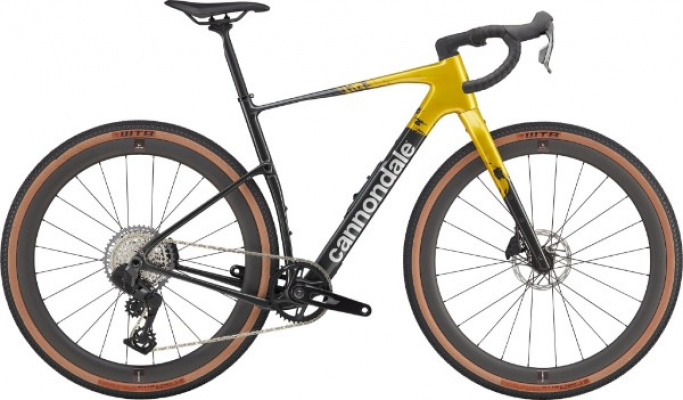
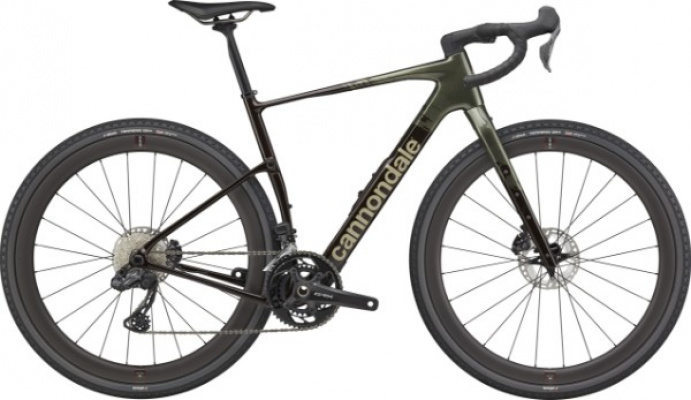
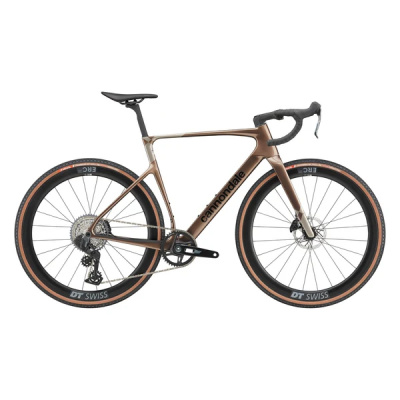
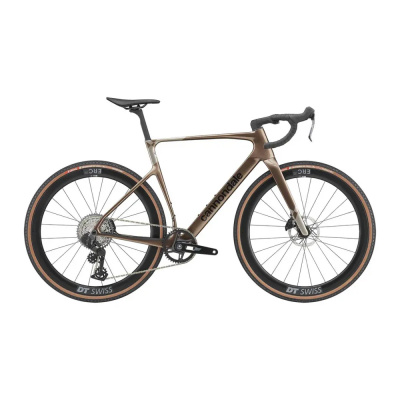
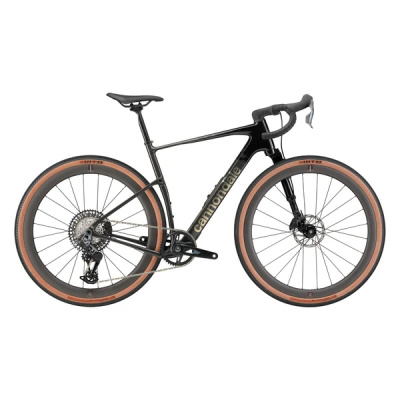
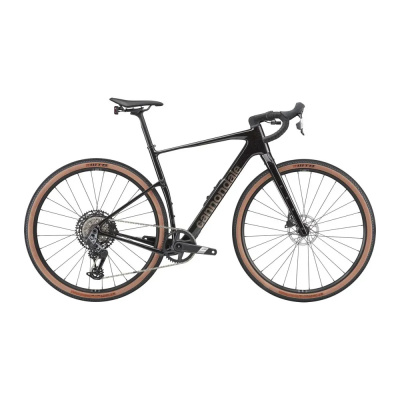
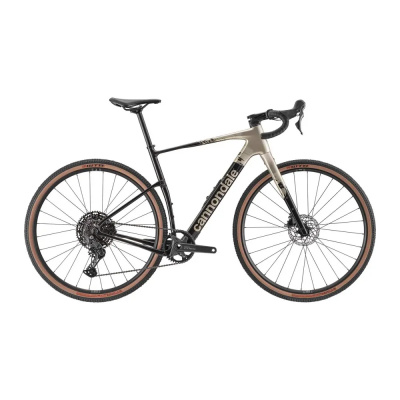
Cannondale gravel bikes sit at a genuinely interesting crossroads: efficient enough to hold pace on tarmac, capable enough to swallow bridleway chop without complaint. The range splits into two clear families. The Topstone is the workhorse - available in rugged alloy or compliance-focused carbon - and it covers everything from loaded bikepacking trips through the Scottish Highlands to daily winter commutes on flinty Pennine lanes. Then there's the SuperSix EVO SE, which takes a race-bred road platform and gives it the clearance and geometry for gravel racing when every second counts.
What separates Cannondale from a lot of the competition is the depth of thinking in the frame engineering. Kingpin suspension on the carbon Topstone delivers up to 30mm of rear travel without a shock unit to service. OutFront steering geometry keeps the handling precise rather than vague. These aren't marketing badges - they solve real problems you'll notice on a long day out.
After something with a motor? Our Cannondale E-Bikes page covers the Topstone Neo. Building from scratch? Browse the Cannondale Frames collection instead.
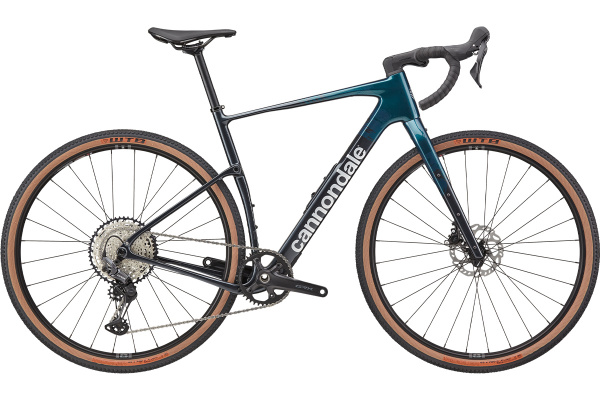
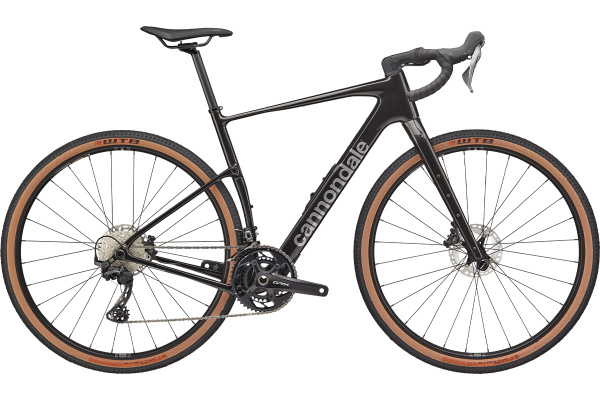
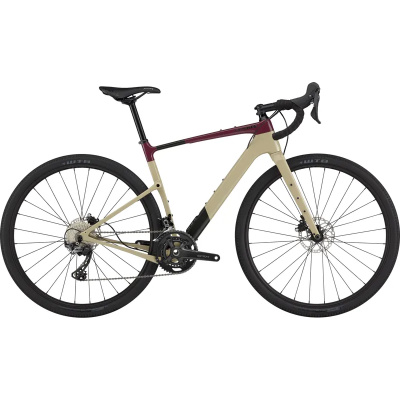
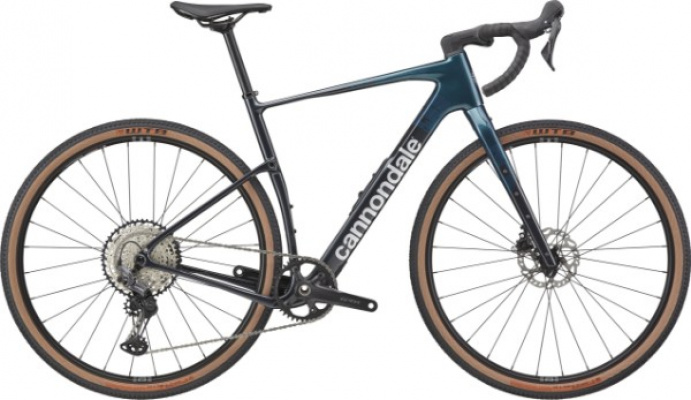
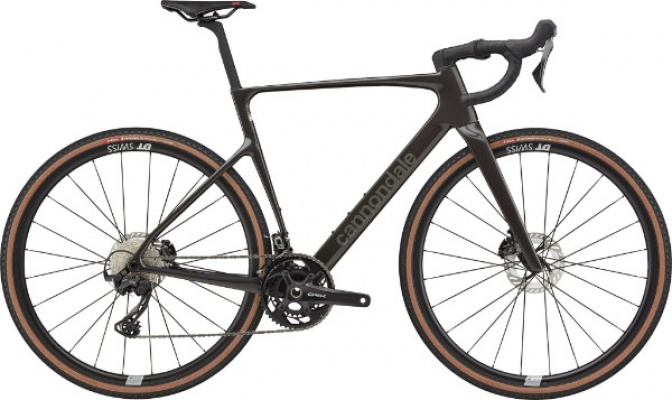
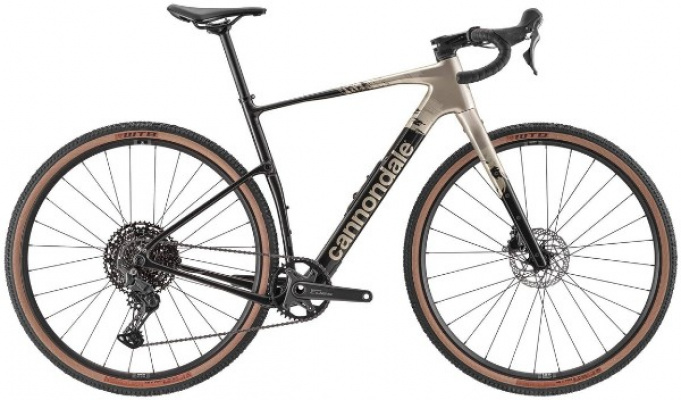
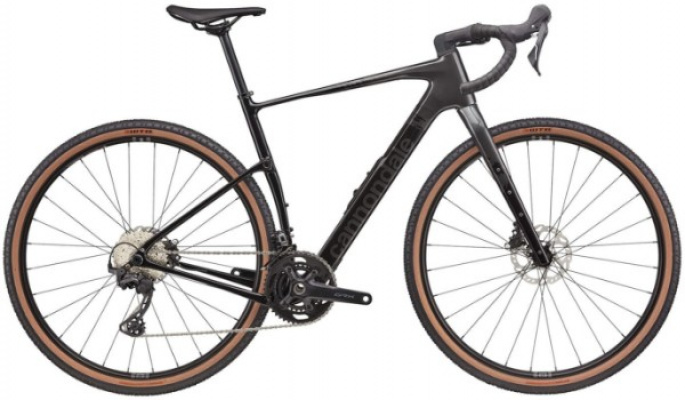
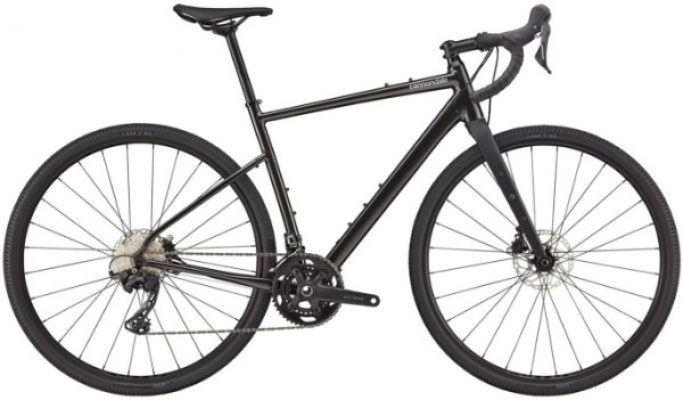
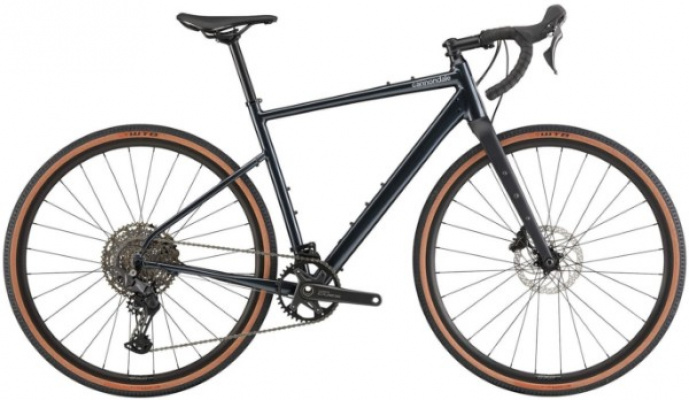
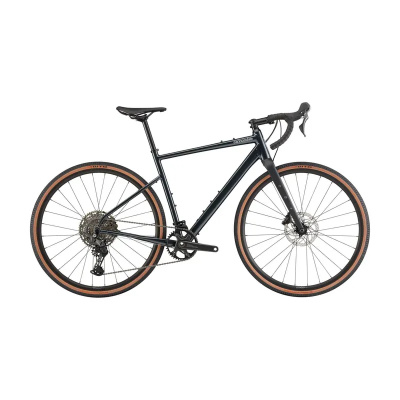
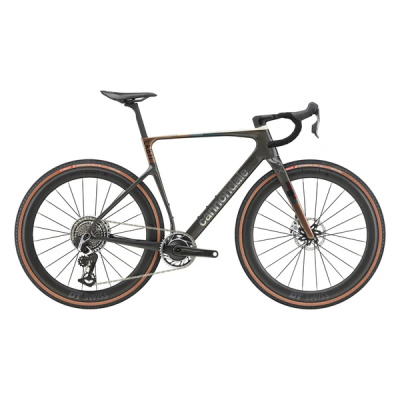
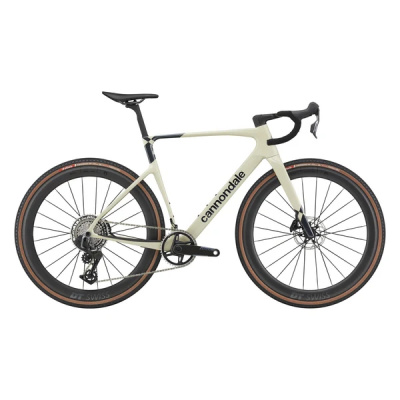
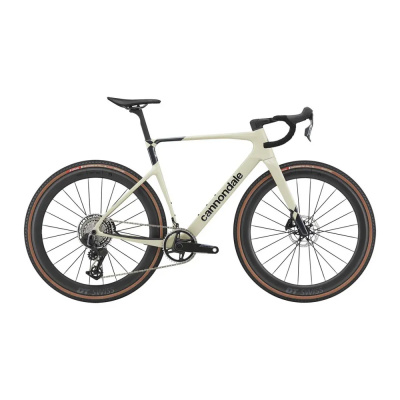
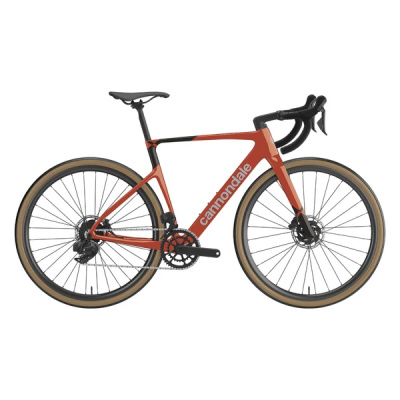
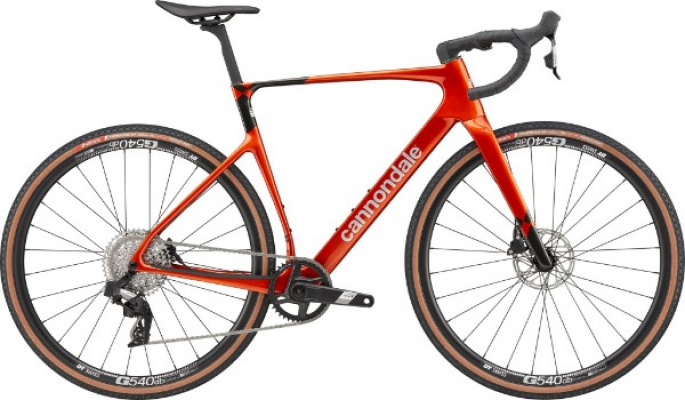
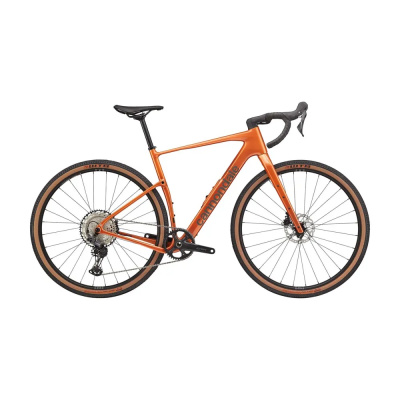
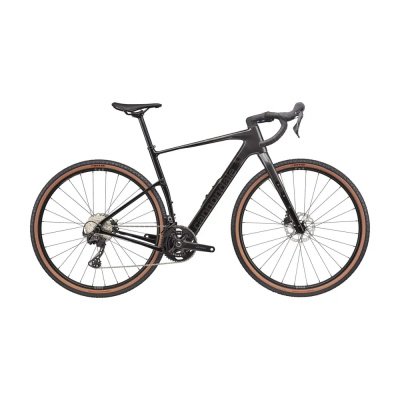
Prices and availability can change quickly. Delivery charges are not always included in listed prices.
Final price, stock status and delivery terms are set by retailer. We may receive a commission on purchases made.
Decoding the Cannondale Gravel Lineup
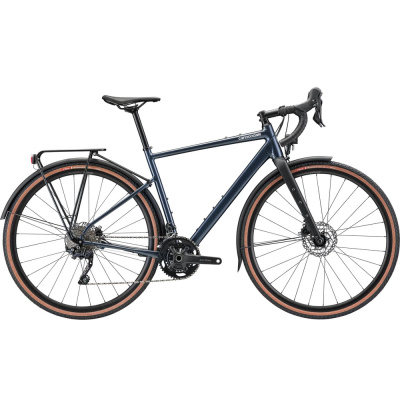
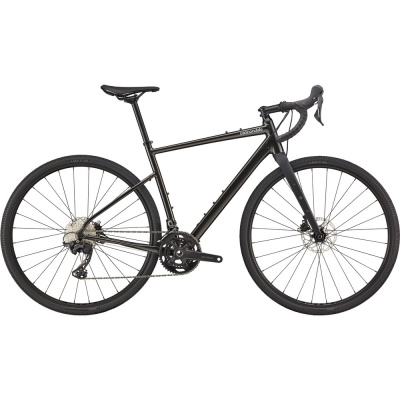
Start with the Topstone, because that's where most riders will land. It comes in two distinct builds: SmartForm C2 Alloy and BallisTec Carbon, and the choice between them shapes what kind of riding the bike does best. The alloy version is the practical one - threaded rack mounts, mudguard eyelets, a rigid rear end, and a price point that doesn't make your eyes water. It's the bike you'd happily leave locked outside a café or load up with kit for a weekend jaunt. The carbon Topstone is a different proposition: lighter, with Kingpin suspension built into the frame, aimed squarely at riders who spend serious time on rough stuff.
Trim levels follow Cannondale's number system where lower means better. The Topstone 1 arrives with Shimano GRX 810 and RX820 groupset hardware - hydraulic disc brakes, a wide-range cassette, solid wheel build. Step down to the Topstone 2 and you're looking at GRX 600-level components: still hydraulic, still capable, but with slightly heavier hardware throughout. Cannondale Topstone 1 vs 2 is honestly a question of budget versus marginal weight and shift quality - both will handle the same riding, one just costs less. Drop further to the Topstone 4 and microSHIFT Advent X takes over - perfectly competent for getting started, but expect to upgrade the drivetrain once you're deeper into the discipline.
The SuperSix EVO SE is the outlier. It's built around a road racing chassis with enough tyre clearance for 35mm rubber and geometry that rewards a more aggressive position. If your idea of gravel riding is a fast sportive with a few loose sectors rather than multi-day adventure, it makes a compelling case. Compared to something like a Giant gravel bike at a similar price, the EVO SE leans harder into outright speed at the expense of the cargo-carrying practicality you get on the Topstone.
Proportional Response construction is worth flagging here. On the carbon models, Cannondale varies the carbon layup by frame size - so a size small doesn't just have the same stiffness as a large, scaled down. Each size is tuned to ride consistently. It's the sort of detail that matters when you're buying at the smaller or larger end of the range.
The Tech That Makes These Bikes Work
Kingpin is the headline act on the carbon Topstone, and it's worth understanding what it actually does before you decide whether you need it. The system uses a pivoting thru-axle in the seat tube combined with engineered flex zones in the chainstays and top tube. The result is up to 30mm of rear travel - enough to take the sting out of a flinty South Downs bridleway or a corrugated forest track - with no shock unit, no air pressure to check, no seals to replace. The trade-off is that the flex zones are doing structural work, so this is a carbon-only technology. You won't find it on the alloy Topstone.
The pivot bearings in the Kingpin system are the one maintenance note worth keeping in mind. In dry conditions they'll run for a long time without attention. Ride through a British winter - which is to say, constantly - and those bearings will see grit and water repeatedly. They're replaceable, but factor in a periodic check if the bike is your all-seasons machine.
OutFront steering geometry is subtler but just as deliberate. A slacker head angle gives stability at speed and on steep descents, while a longer fork offset keeps the steering feeling quick and responsive rather than sluggish. The practical effect: you don't get that nervous, darty feeling on loose gravel, and there's no toe overlap issue that plagues some longer-reach bikes with standard fork offsets. It's a geometry that rewards commitment - point it down a loose bridleway descent and it stays composed.
SmartSense integration is available on select models and deserves a mention for UK riding. It's an intelligent system connecting front and rear lights with a rear-facing radar - the kind of setup that's genuinely useful on dark winter lanes where traffic comes up fast. It's not a gimmick when you're riding home on an unlit B-road in November. If you're spec'ing a bike for year-round use, it's worth checking which models include it. A decent set of Cannondale helmets pairs well with this sort of integrated lighting approach.
Living with a Cannondale Gravel Bike in the UK
Forty-five millimetres of tyre clearance on the Topstone sounds like a spec-sheet number until you're trying to push through a mid-winter bridleway that's caked in thick clay. At that point it becomes essential. Most gravel bikes in this class clear 40mm; the extra 5mm on the Topstone means you can run a genuinely chunky tyre and still have enough space for mud to clear rather than pack in and lock the wheel. If you're riding anywhere in Britain between October and March, that clearance is doing real work.
The 700c vs 650b tyre clearance question comes up on the carbon Topstone because it runs 650b wheels as an option. Smaller diameter, wider tyre - the ride gets plusher and more planted on rough surfaces, at a small cost to rolling efficiency on smoother going. Worth thinking about if your regular riding is heavily off-road. The alloy models stick with 700c as standard, which keeps them versatile across a broader mix of surfaces.
For riders after a genuinely practical year-round machine, the alloy Topstone has what the carbon version doesn't: proper bikepacking mounts, pannier rack eyelets, and full mudguard compatibility. A set of Cannondale pannier racks turns it into a credible commuter or loaded tourer without compromise. The carbon bike asks you to choose between compliance and cargo. The alloy says yes to both.
How does the Topstone stack up against the broader gravel market? Cube gravel bikes offer strong value at the alloy end; Genesis gravel bikes come with a British roads-first philosophy that resonates for commuter-oriented buyers. The Cannondale differentiator is the depth of the carbon model's tech - Kingpin in particular - and the consistency of the geometry thinking across the range. If you're deciding between the Topstone and a Cannondale road bike for mixed-surface riding, the Topstone's wider clearance and more relaxed position make it the more sensible call unless you're riding predominantly on tarmac. Finishing touches like Cannondale bar tape are worth upgrading on the lower-spec models - the stock tape on entry builds tends to be thin and unforgiving on long days.
Related searches:
Cannondale Gravel Bikes FAQs
Is the Cannondale Topstone a good gravel bike?
Yes, and it's one of the more versatile options in the class. The alloy models are solid choices for commuting and loaded bikepacking, with proper rack and mudguard mounts. The carbon versions add Kingpin suspension for rougher riding. Both handle UK conditions well, and the geometry is genuinely thought-through rather than adapted from a road platform.
What is the difference between Cannondale Topstone Carbon and Alloy?
The carbon Topstone uses BallisTec Carbon construction and includes the Kingpin rear suspension system - up to 30mm of travel built into the frame itself. The alloy version uses a rigid SmartForm C2 frame, which keeps the weight and cost down while adding full mudguard and rack compatibility. The alloy is the practical all-rounder; the carbon is the rougher-riding specialist.
What is Cannondale Kingpin suspension?
Kingpin is Cannondale's pivot-based rear suspension system fitted to carbon Topstone frames. A thru-axle pivot in the seat tube works with engineered flex zones in the chainstays and top tube to absorb up to 30mm of bump. There's no shock unit - which means no air pressure, no seals, and no servicing complexity beyond periodic bearing checks.