
Cannondale Helmets
Cannondale helmets bring the same engineering rigour you'd expect from the brand's bikes to the thing sitting on your head - and that matters more than most riders admit. Whether you're grinding up a wet Lakeland climb, threading singletrack in the Brecon Beacons, or threading through rush-hour traffic, the lid you choose has real consequences.
Across the range you'll find in-mold construction that fuses a polycarbonate shell directly to the EPS foam liner - cutting weight without thinning the protection. Select models add MIPS technology, a low-friction slip-plane layer designed to redirect rotational forces away from the brain during angled impacts. That's the kind of hit you're most likely to take in a real crash, so it's worth having.
Fit is handled by micro-adjust retention dials that let you dial things in on the move, and moisture-wicking interior pads keep things bearable on a long effort. Ventilation channels are tuned to pull air across the head efficiently - useful when you're pushing hard, without turning your skull into a wind tunnel on a January descent.
From aero road lids to trail-ready MTB helmets with extended rear coverage, there's a Cannondale option built around your riding. Use this page to find the right one.
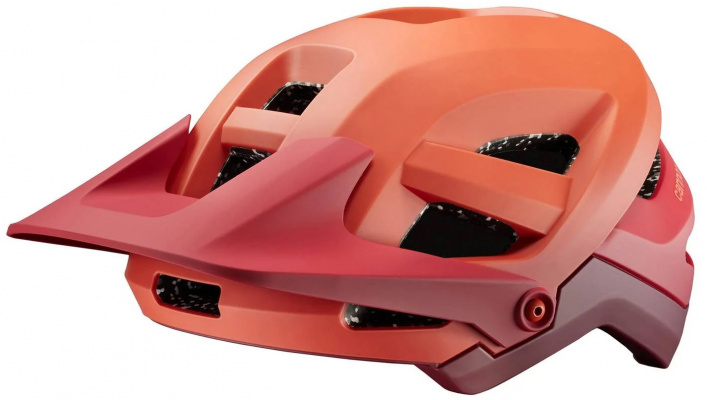
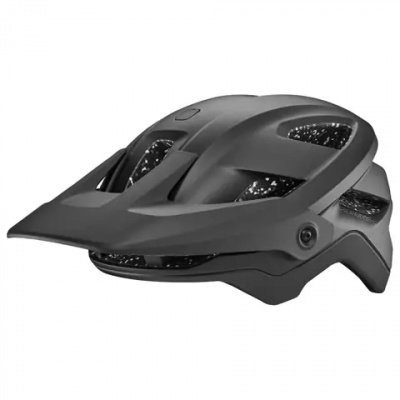
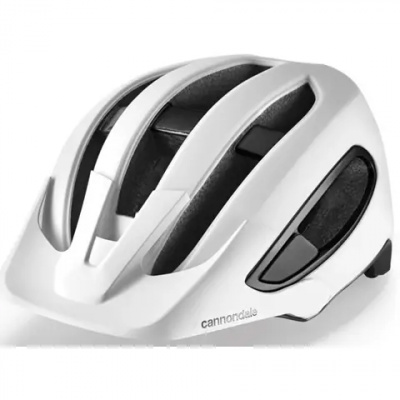
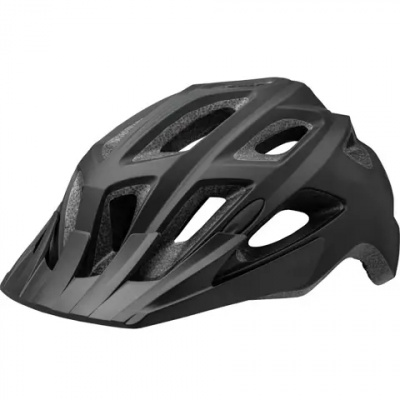
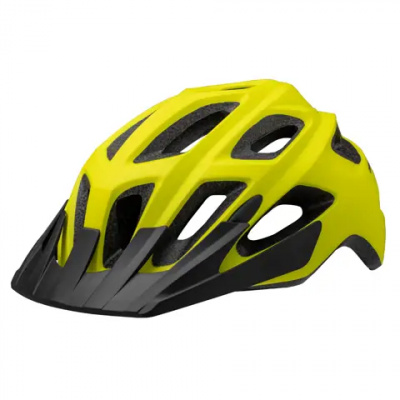
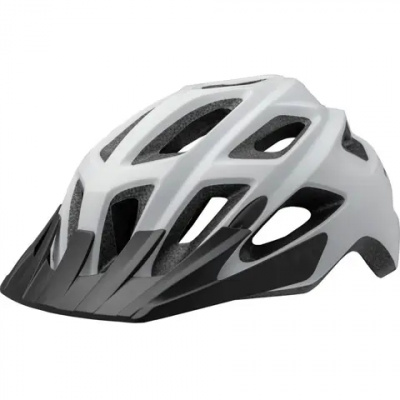
Prices and availability can change quickly. Delivery charges are not always included in listed prices.
Final price, stock status and delivery terms are set by retailer. We may receive a commission on purchases made.
How the Safety Architecture Actually Works
The foundation of most Cannondale helmets is in-mold construction - a process where the outer polycarbonate shell is bonded directly to the EPS foam during manufacture rather than glued on afterwards. The result is a shell that's both lighter and structurally tighter than a traditional multi-piece design. Less mass on your head, more integrity under impact. That's the trade-off you want going the right way.
On mid-to-high-tier models, MIPS technology adds a second layer of thinking. The system sits between the EPS liner and your head as a thin, low-friction slip-plane. During an angled impact - the most common type in real crashes - it allows the helmet to rotate slightly independently of your skull, reducing the rotational forces transferred to the brain. It adds a few grams, but most riders consider that a reasonable bargain.
Ventilation is the other side of the performance equation. Cannondale's ventilation channels are designed to draw air in at the front ports, route it over the head through internal channels, and exhaust it at the rear. On a hard effort up something like a Pennine bridleway, you'll feel the difference compared to a poorly channelled lid. That said, the airflow is calibrated to work within a reasonable speed range - it won't overcool you on a slow winter spin, which is a genuine consideration for UK riding.
Road, MTB, and Commuter: Picking the Right Lid
Cannondale's helmet range splits broadly into three camps, and understanding the differences stops you buying the wrong tool. If you're pairing a lid with one of their Cannondale road bikes, you'll want to look at the road-focused options - these prioritise aerodynamics, generous venting, and minimal weight. The geometry sits low at the front, the straps are trimmed back, and the whole package is built around time in the drops.
MTB helmets take a different approach. Extended rear coverage protects the back of your skull on the kind of off-camber exit you didn't plan for, adjustable visors keep mud and branches out of your face, and the goggle compatibility matters if you're riding anything demanding enough to warrant them. If you're spending weekends on a Cannondale mountain bike, match the helmet to the discipline - a trail lid for enduro-style riding, something lighter for XC.
Commuter and urban models sit in a different place entirely. The styling is lower-key, the construction is robust, and many feature integrated rear light mounts - useful when you're commuting in November and the UK's grey light makes you genuinely invisible. These are Cannondale adult cycle helmet options that work as well on a café ride as on the morning commute.
Fit across all categories relies on the micro-adjust dial fit system at the rear. Rotate to tighten, click back to release - you can genuinely do it one-handed at a junction. The dial adjusts the retention cradle that cups the back of your head, so the pressure is distributed rather than concentrated. For a Cannondale helmet sizing guide, measure the circumference of your head just above the eyebrows and match to the size brackets listed per model. The dial handles the fine-tuning from there. If you're comparing alternatives, Giro helmets use a similar cradle approach, while Kask helmets tend to use a more structured ring system - personal preference plays a part here.
Year-Round UK Riding: Fit, Care, and Layering
British riding means you'll use this helmet in conditions that swing between a sweaty August sportive and a December commute where the temperature barely clears freezing. The fit system helps here. If you want to layer a thermal skull cap underneath - a thin Merino or fleece option rather than a full-on beanie - loosen the retention dial a turn or two before fitting. Don't size up the helmet itself; that shifts the whole structure and kills the protection geometry. Adjust the dial. That's what it's there for.
A Cannondale commuter helmet used daily in the wet will accumulate sweat, bacteria, and general grime faster than a weekend-only road lid. The moisture-wicking interior pads are removable and washable on most models - take them out, hand-wash in cool water with mild detergent, and let them air dry. Don't machine wash them; the wicking treatment degrades. And keep the helmet itself away from radiators and direct heat sources. EPS foam is more heat-sensitive than most people realise - leave it on a hot radiator over winter and you can compromise the very structure that's supposed to protect you. A shelf, a bag hook, anywhere away from direct heat works fine.
UV exposure over time also degrades EPS, which is why industry guidance points to a replacement cycle of three to five years even on helmets that have never been crashed. Worth factoring into the cost calculation when you're comparing options. If you want a broader look at what's available at different price points, Bell helmets offer a strong alternative range worth comparing before you commit.
Gravel riders pairing a lid with a Cannondale gravel bike sit between the road and MTB worlds - a road-style helmet works well for mixed-surface riding where speed and ventilation matter, but if your routes lean heavily into technical off-road, the added coverage of an MTB option is worth the marginal weight penalty.
Cannondale Helmets FAQs
How do I know what size Cannondale helmet to buy?
Wrap a flexible tape measure around your head just above your eyebrows and ears to get your circumference in centimetres. Match that number to Cannondale's size brackets - typically S/M covers 54 - 58cm, L/XL covers 58 - 61cm, though this varies by model. Once you've picked the right size, use the rear micro-adjust dial to fine-tune the fit until the helmet sits level and doesn't rock front to back.
Do Cannondale helmets feature MIPS technology?
Many mid-to-high-tier Cannondale helmets include MIPS. The system adds a low-friction slip-plane layer between the EPS liner and your head, allowing a small amount of independent rotation during an angled impact - the type most likely in a real crash. It adds minimal weight and is worth prioritising if budget allows. Check individual model listings to confirm MIPS inclusion.
When should I replace my Cannondale bike helmet?
Replace it immediately after any crash or hard impact, even if the EPS foam looks undamaged - compressed foam doesn't always show visible signs of failure. Beyond crashes, plan for a replacement every three to five years. Sweat, UV exposure, and temperature fluctuations gradually degrade the EPS foam's ability to absorb impact energy, regardless of how carefully you've looked after it.