
Cadex Gravel And Cyclocross Tyres
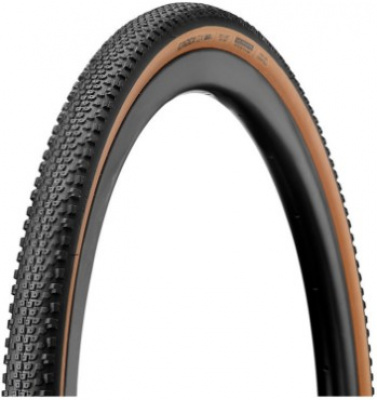
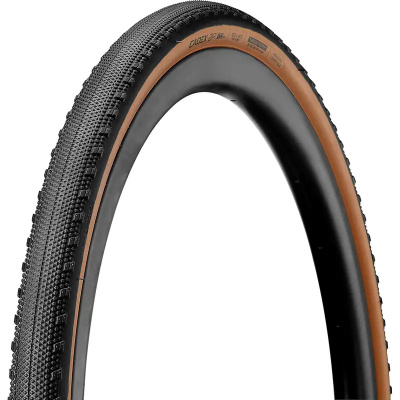
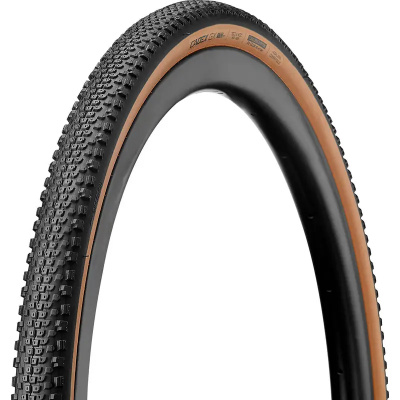
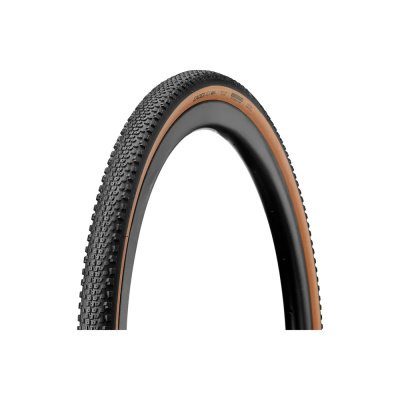
Cadex gravel and cyclocross tyres are built around a 170 TPI supple casing and a Kevlar composite bead engineered specifically for modern hookless rims - and that combination puts them in a different bracket to most off-road rubber. The ride feel is noticeably plush at lower pressures, which matters when you're picking your way across wet woodland roots or a chalk bridleway that could chew through lesser sidewalls without much warning. Dual Compound rubber keeps rolling resistance honest on the faster sections while the shoulder blocks earn their keep when things go loose. Race Shield+ puncture protection adds a Kevlar-based layer between the tread and the casing, so a flint-studded South Downs path is less of a gamble than it might otherwise be. The range covers three clear use cases - fast hardpack and mixed tarmac, loose and muddy gravel, and UCI-legal cyclocross - so there's a logical answer for most off-road disciplines. They're tubeless ready throughout, compatible with quality sealants, and sized to current ETRTO standards. If you're running a hookless wheelset and want a tyre that's been designed to work with it rather than around it, Cadex is worth a close look.
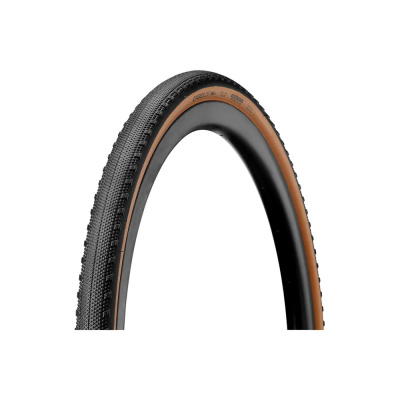
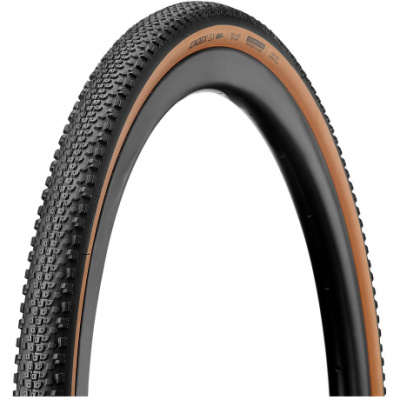
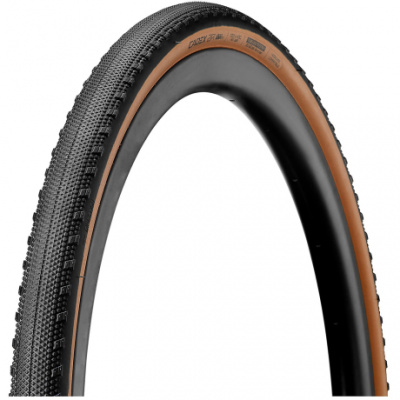
Prices and availability can change quickly. Delivery charges are not always included in listed prices.
Final price, stock status and delivery terms are set by retailer. We may receive a commission on purchases made.
Hookless Rims, ETRTO Standards, and Getting the Setup Right
One thing worth knowing before you buy: Cadex tyres are heavily optimised for hookless (TSS) rim profiles, and that's not marketing noise - the Kevlar composite bead is specifically engineered to seat securely against a straight-walled hookless channel rather than relying on a traditional hooked bead seat to hold pressure. That matters because hookless rims require tyres to meet stricter ETRTO dimensional tolerances; a tyre that runs slightly over its stated width can generate dangerous bead forces at higher pressures on a hookless rim. Cadex meets those tolerances by design.
For most modern hooked tubeless-ready rims, Cadex tyres will mount without issue, but always cross-reference the ETRTO compatibility chart before fitting. Matching tyre width to internal rim width is also worth doing properly: a 40c tyre sits and performs best on an internal rim width of around 25mm. Run it on a narrower rim and you lose some of the casing's natural volume and cornering profile. For a guaranteed system match - no guesswork, no compatibility headaches - pairing Cadex tyres with Cadex gravel wheels is the clean solution.
Tubeless seating is straightforward with a track pump and a decent floor pump if the bead is dry, but a small amount of sealant in the tyre before mounting helps the 170 TPI casing seal quickly. The high thread count makes the casing more supple than vulcanised alternatives, which is exactly why it rides well - but it can weep slightly through the fabric in the first few rides while the sealant cures fully. That's normal. Top up sealant every 60 to 90 days, or sooner if you're riding in particularly dry or cold conditions that accelerate evaporation.
AR, GX, and CX: Choosing the Right Tread for Your Riding
Cadex runs three distinct tread families, and the differences between them are meaningful rather than cosmetic. Getting the wrong one is the kind of thing you notice on the first proper ride.
The Cadex AR (All-Road) uses a diamond file centre tread - tight, low-profile knobs that roll efficiently on hardpack, compacted gravel, and tarmac linking sections. The shoulder knobs are more pronounced, so it doesn't feel helpless when the surface breaks up, but the AR is fundamentally a fast-rolling tyre. Think long mixed-surface audax routes or gravel sportives where you're covering ground quickly and the mud is incidental rather than constant. If you're comparing within the broader market, Vittoria's gravel range occupies similar fast-roll territory, worth a look if you want alternatives.
The Cadex GX (Gravel) is a different proposition. Widely spaced, aggressive shoulder knobs give it genuine mud clearance and purchase on loose, wet surfaces - the kind of riding you get on Peak District byways in November or chunky moorland tracks that haven't dried out since September. The centre knobs are taller and more open than the AR, which adds a little rolling resistance on tarmac but means the tread clears properly rather than packing up with sticky clay. For UK winter gravel, the GX is the more practical choice. Maxxis and Continental both offer comparable aggressive-tread gravel options if you're weighing up the field.
The Cadex CX (Cyclocross) models are built to UCI-legal 33mm widths and prioritise mud-shedding above everything else. The open, spaced knob layout is designed to self-clear in deep, sticky conditions - the sort of peanut-butter mud that clings to a tighter tread and adds noticeable rotational weight mid-race. CX tyres by nature run at lower pressures than gravel tyres, and the 170 TPI casing really comes into its own here, giving the feedback and compliance you need to stay confident on off-camber grass or wet roots without ballooning the tyre off the rim. If you're racing, check the Dual Compound rubber specification - harder centre compound for straight-line speed, softer shoulder compound for cornering grip - as it's doing real work at race pace.
UK Durability: Flint, Grit, and Keeping the Casing Intact
Race Shield+ puncture protection is Cadex's Kevlar-based sub-tread layer, and it's the reason these tyres are worth considering for the sharper end of UK gravel riding. Chalk paths on the South Downs are particularly brutal - flinty edges that sit proud of the surface and can slice a lighter casing sidewall before you've registered the impact. The Race Shield+ layer adds resistance to that kind of localised impact without adding the dead, dampened feel you sometimes get from heavier puncture belts.
That said, Race Shield+ protects the tread area primarily. Sidewalls on a 170 TPI casing are inherently fine-woven and more vulnerable to abrasion than a thicker, lower-TPI construction. After rides on gritty, wet surfaces - especially anywhere with exposed stone or compressed aggregate - run your fingers along both sidewalls and check for surface abrasion or any cuts that have started to work through the fabric. Catching a small nick early, sealed with a drop of latex or tyre plug compound, is far better than finding it mid-ride when the casing has opened up properly.
Sealant choice matters too. Cadex tubeless gravel tyres work well with ammonia-free sealants; avoid products that contain ammonia if you want the latex to remain active for a full season rather than drying out prematurely inside the supple casing. Panaracer and WTB are worth comparing on tread and casing durability if the UK conditions you ride regularly are particularly punishing - different constructions suit different priorities. For a look at how Cadex approaches road tyre construction with the same casing philosophy, their road tyre range gives useful context on the brand's broader engineering approach.
Cadex Gravel And Cyclocross Tyres FAQs
Are Cadex gravel tyres compatible with all rims?
Cadex tyres are optimised for hookless rims but will fit most modern hooked tubeless-ready rims without issue. The Kevlar composite bead is designed to meet strict ETRTO dimensional tolerances, so always check the compatibility chart for your specific rim before mounting - especially on hookless profiles - to confirm safe bead seating.
What is the difference between Cadex AR and GX tyres?
The AR uses a tight diamond file centre tread for fast rolling on hardpack and mixed tarmac, with moderate shoulder knobs for light loose sections. The GX runs wider-spaced, chunkier knobs throughout - better mud clearance, more grip on loose wet surfaces, but a touch more resistance on faster, drier ground. UK winter riding generally suits the GX.
What tyre pressure should I run for UK gravel?
On a 40c Cadex tyre with a 25mm internal rim width, a rider around 75kg is a sensible starting point at 30 - 35 PSI on hardpack. Drop to around 28 PSI for wet, muddy conditions - the 170 TPI casing responds well at lower pressures, giving you more grip and compliance without the tyre feeling vague through corners.