
Cadex Gravel Wheels
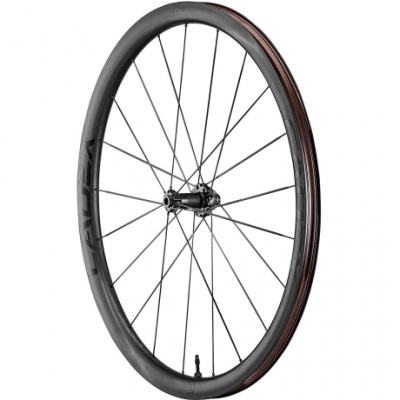
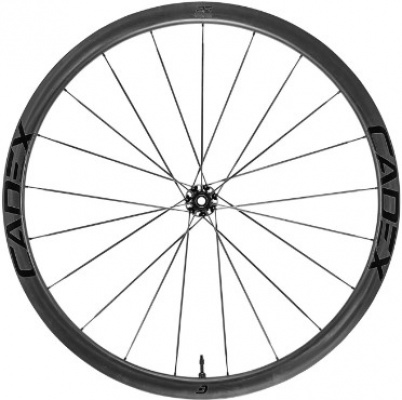
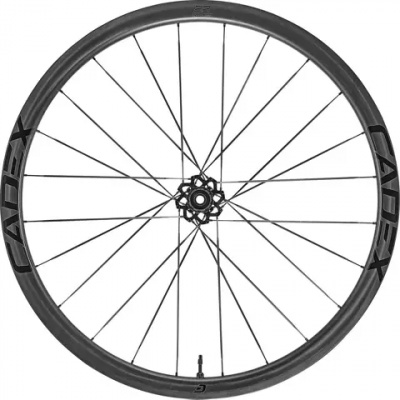
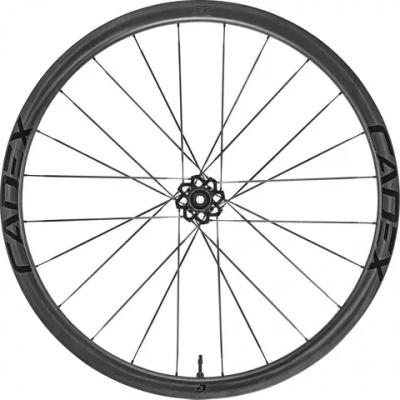
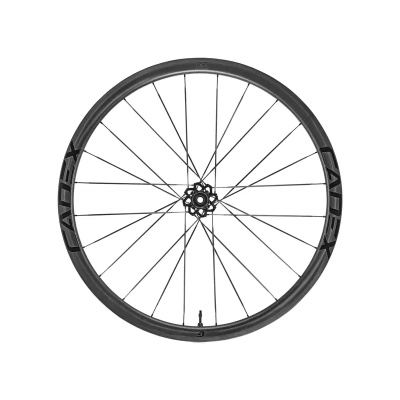
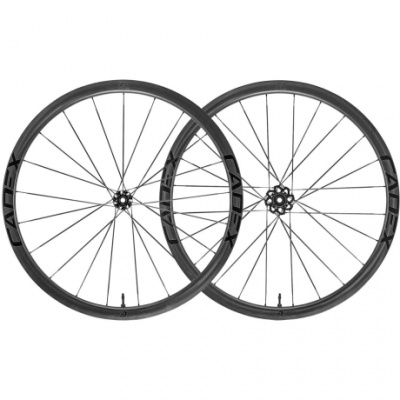
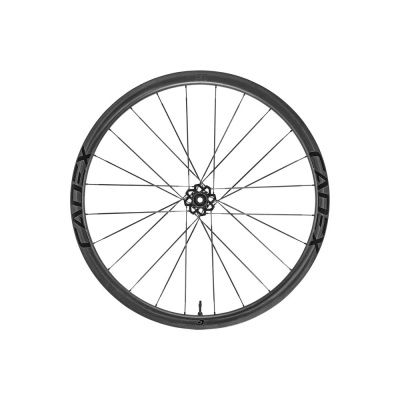
Cadex gravel wheels sit at the sharper end of what carbon wheel technology can actually deliver - not just lighter numbers on a spec sheet, but a genuinely different feel under load. Every wheelset in the range is built around hookless rim profiles, high-tensile carbon spokes, and ceramic bearings that keep rolling resistance honest even when the path turns properly rough. The Dynamic Balanced Lacing system distributes spoke tension as you pedal, so the wheel stays true and stiff where it counts rather than flexing when you push hard out of a loose corner.
For UK riders, that engineering detail matters. Chalk and flint on the South Downs can be brutal on rims, wet bridleways punish hub seals, and the clearance demands of a British winter mean tyre volume isn't optional. Cadex's tubeless-ready hookless interface handles wider tyres cleanly, and the continuous carbon fibre rim structure absorbs sharp impacts better than a conventional hooked rim of similar weight. These are race-ready wheels, but the tech translates just as well to long mixed-surface audax days or fast gravel sportives. If you're comparing lightweight carbon gravel wheels UK-wide, Cadex is one of the few brands where the weight figures and the real-world stiffness numbers both hold up.
Prices and availability can change quickly. Delivery charges are not always included in listed prices.
Final price, stock status and delivery terms are set by retailer. We may receive a commission on purchases made.
Nailing the Hookless Setup: Compatibility and Standards
All current Cadex gravel wheels use a hookless rim profile - officially called TSS (Tubeless System Standard). The continuous carbon fibre structure removes the traditional bead hook, which improves impact resistance and allows a more consistent tyre interface, but it also means you cannot simply mount any tubeless tyre and hope for the best. You must use tubeless-ready tyres explicitly listed as hookless-compatible. Running a non-approved tyre risks a sudden bead blow-off, and on flinty South Downs gravel or at speed on a fast descent, that's a serious safety issue, not just a puncture inconvenience. Cadex publishes a tyre compatibility chart - check it before you buy rubber.
ETRTO standards apply here. Approved tyres are rated at a maximum inflation pressure of 73 psi (5 bar) on hookless rims, which is more than enough for gravel use but worth knowing if you're coming from a road background where you habitually run higher pressures. Tyre widths across the range run from roughly 28c up to 45c depending on the model, so matching the right tyre to the right wheelset matters. For Cadex gravel and cyclocross tyres that are confirmed hookless-compatible, we've got those listed separately.
Axle standards are 12x100mm front and 12x142mm rear thru-axle across the gravel range. Rotor fitment is Centerlock only - not six-bolt - so factor that in if you're swapping from an older groupset. Freehub body options cover SRAM XDR, Shimano HG, and MicroSpline, but we'd point you to our dedicated Cadex freehub bodies and spares page and the Cadex hubs page for the specifics of drivetrain conversions - that's where those details live.
AR vs GX: Choosing the Right Series
Cadex splits its gravel wheel lineup into two clear camps, and the distinction is more than rim depth. The AR (All-Road) series - the AR 35 being the headline model - is built around faster, mixed-surface riding where you're covering a lot of road kilometres between the gravel sections. The internal rim width is narrower relative to the GX, which suits 35c to 40c tyres and keeps the aerodynamic profile tighter. It's the wheel for gravel racing or events like Gravel Scotland where pace on the open sections genuinely matters. Think of it as a road wheel that's been properly hardened rather than a mountain wheel that's been put on a diet.
The GX series takes a different approach. Wider internal rim widths mean 40c-plus tyres sit with the correct rounded profile rather than being pinched into an hourglass shape, which changes how the tyre deforms over rough ground - you get better compliance and more predictable grip. The GX also prioritises impact resistance over outright aerodynamic efficiency, which makes sense when you're punching through Peak District grit tracks or anything with embedded rock. The hookless rim structure plays a bigger role here: without the bead hook machined into the sidewall, the continuous carbon fibre can flex slightly on sharp impacts rather than cracking. Tyre volume support and robustness are what you're buying with the GX. If your rides regularly involve extended chunky sections rather than fast mixed loops, the GX is the honest choice even if the AR looks more appealing on paper.
Both series use the same R2-C60 hub platform with precision-machined internals and ceramic bearings, and both carry the Aero Carbon Spokes and Dynamic Balanced Lacing. The lacing pattern isn't just a marketing angle - it actively manages spoke tension variation as pedalling forces shift between the drive and non-drive sides, which keeps lateral stiffness consistent rather than dependent on rider weight or cadence. If you're familiar with how a well-tensioned handbuilt wheel feels versus a budget factory wheel, DBL is Cadex's attempt to engineer that consistency into a production wheelset. Compared to ENVE gravel wheels or DT Swiss gravel wheels, which take different approaches to spoke and lacing geometry, the Cadex system is notably integrated - fewer components from different suppliers means tighter tolerances but also a more specific service path.
Keeping Cadex Wheels Running Through a UK Winter
Ceramic bearings are brilliant until grit gets into them. In UK conditions - wet moorland crossings, silty bridleways, the kind of mud that finds its way into everything - hub seal condition is what determines how long those bearings stay smooth. Cadex's R2-C60 hubs are well-sealed for a performance-grade hub, but they're not bulletproof. After prolonged wet riding, spin the wheels with the bike on a stand and listen. Any roughness or drag is the bearing telling you something. We'd recommend checking our Cadex bearings page for replacement options before you're forced into it mid-season rather than after.
Sealant choice matters on carbon hookless rims. Avoid ammonia-based sealants - they can degrade the carbon rim bed over time and attack the valve core threads. Latex-based sealants are the safer call, and top them up every two to three months in winter riding conditions when the sealant dries faster from repeated temperature swings. Tyre pressure also needs more attention on hookless rims than hooked equivalents. A slow leak that drops you below the safe minimum can allow the bead to unseat, particularly on the flintier surfaces of southern England where sidewall flex is constant.
On the carbon spokes: don't attempt home truing without the specific Cadex tension meter and spoke key. The Aero Carbon Spokes are individually replaceable - which is a meaningful advantage over older monocoque carbon designs - but the thread engagement and tension range are tighter than steel spokes, and over-tensioning a carbon spoke damages it without obvious visual warning. A good independent wheel builder familiar with carbon spoke systems is worth finding before you need one urgently. For those who want to compare a more serviceability-focused alternative, Giant gravel wheels offer a different balance of repairability and performance worth considering.
Cadex Gravel Wheels FAQs
Are Cadex gravel wheels hookless?
Yes - every current Cadex gravel wheel uses a hookless (TSS) rim profile. The continuous carbon fibre structure improves impact resistance and creates a cleaner tyre interface, but you must run tubeless-ready tyres that are explicitly approved for hookless use. Check Cadex's compatibility chart before fitting any tyre.
What tyres are compatible with Cadex gravel wheels?
You need tubeless-ready tyres confirmed as hookless-compatible, typically in widths from 28c to 45c depending on whether you're running the AR or GX series. Maximum inflation on hookless rims is 73 psi (5 bar). Always cross-reference the official Cadex tyre approval list - it's a safety requirement, not a suggestion.
Can you replace the carbon spokes on Cadex wheels?
Yes, Cadex's Aero Carbon Spokes are individually replaceable, which is a genuine advantage over older moulded carbon wheelsets. That said, truing and re-tensioning them requires Cadex-specific tools and a mechanic experienced with carbon spokes - incorrect tension can damage the spoke or rim without any obvious visible sign.