
Giant Gravel Wheels
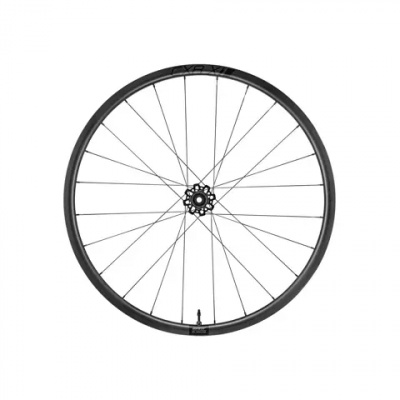
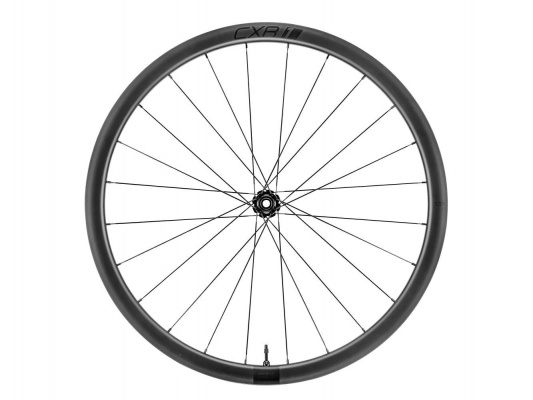
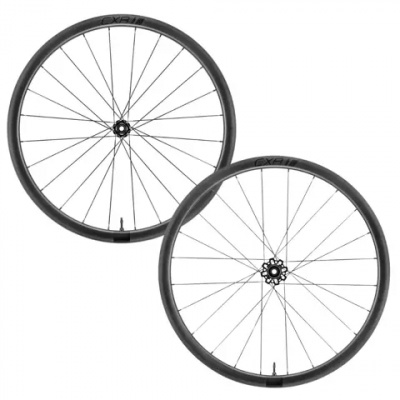
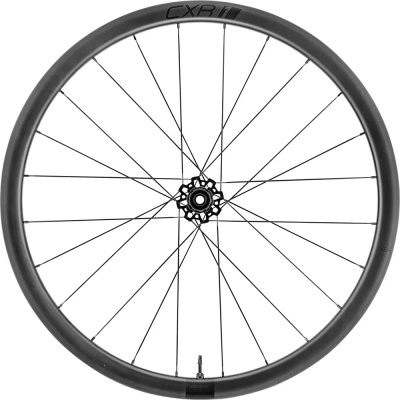
Giant gravel wheels sit at the sharper end of what the major bike brands actually deliver at each price point - engineered specifically for the demands of modern gravel riding rather than repurposed road tech with a different label. The range splits cleanly between the CXR carbon series, aimed at riders who want rotational weight savings and race-day responsiveness, and the PX alloy line, which trades grams for genuine toughness across long winter miles. Both families use hookless rim technology, which rounds out the tyre profile for better cornering grip and sidewall support - important when you're running lower pressures on loose, rooty bridleways. Dynamic Balanced Lacing (DBL) sets spoke tension for load under pedalling rather than at rest, so power transfer is snappier and the wheel tracks truer over time. For UK riders dealing with everything from South Downs flint to Scottish bog crossings, that combination of purposeful engineering and practical durability matters more than a flashy badge. Giant's wheelsets are also tubeless ready across the range, and freehub options cover both Shimano HG and SRAM XDR - so fitting them to whatever drivetrain you're already running is straightforward. Browse current UK prices below.
Prices and availability can change quickly. Delivery charges are not always included in listed prices.
Final price, stock status and delivery terms are set by retailer. We may receive a commission on purchases made.
Fitting Giant Wheels: Standards, Hookless, and What You Need to Know
Get the compatibility sorted before anything else. Giant gravel wheels use 12mm thru-axle fitment as standard - 12x100mm at the front, 12x142mm at the rear - which covers the vast majority of modern gravel frames. Rotor mounts are Centerlock disc, so if your frame runs six-bolt, you'll need a Centerlock-to-six-bolt adaptor. Worth checking before you order.
The hookless rim design is where most questions come up, and it's worth being direct about it: you must use tubeless-ready tyres that are explicitly approved for hookless rims. This isn't a suggestion. A hooked tyre bead on a hookless rim can seat incorrectly, and at pressure that's a blowoff waiting to happen. Giant maintains an approved tyre list online - check it before you buy rubber. For guaranteed fitment, Giant gravel and cyclocross tyres are matched and tested to work with these rims from the off. The upside of going hookless is a measurably rounder tyre cross-section, which improves how the contact patch loads through corners and gives the sidewall more support at lower pressures - useful on anything loose or slippery.
Freehub bodies on the premium CXR wheels pull off without tools once the cassette is removed, making the swap between Shimano HG and SRAM XDR freehub bodies quick and clean. The internal rim width across the gravel range sits at 25mm or wider, which supports 38mm-plus tyres properly and lets you run pressures low enough to actually feel the difference on rough ground.
CXR vs PX: What You Actually Get for the Money
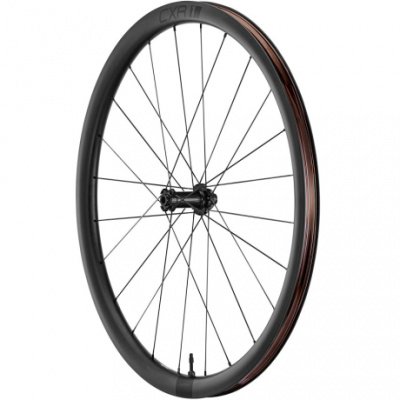
Giant's gravel wheel range has a clear hierarchy, and understanding where the money goes makes the choice easier. The CXR 1 is the flagship - a full carbon rim using Optimized Carbon Layup, where high-tensile carbon fibre is placed only in the zones that actually need it. The result is a rim that's stiff where stiffness counts and not carrying unnecessary weight elsewhere. Internals are DT Swiss 350 hubs, which means you get proven Swiss engineering, reliable pawl engagement, and straightforward long-term serviceability. This is the wheel for riders who want the least rotational weight and the most precise handling on fast, technical routes.
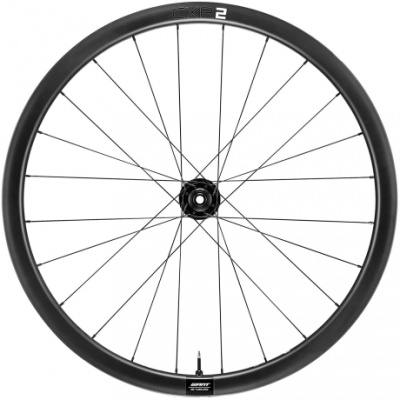
The CXR 2 uses the same carbon rim construction but pairs it with Giant's own alloy hub shells rather than DT Swiss internals. Slightly heavier overall, and the hub engagement isn't quite as crisp, but the rim performance - including the hookless profile and carbon layup - is carried across. For most riders doing mixed-surface riding rather than racing, the CXR 2 is where the value sits in the carbon range. If you're comparing at this level, Cadex gravel wheels offer a similar carbon-forward approach, though pricing tends to sit higher.
The PX-2 and SX-2 are alloy-rimmed wheels - heavier, yes, but built to take punishment. Flint strikes, rock gardens, loaded bikepacking miles with a frame bag and a full kit: these wheels absorb it without drama. DBL (Dynamic Balanced Lacing) is still present here, keeping spoke tension optimised under real pedalling loads rather than just when the wheel is sitting still. The alloy versions don't have the rotational weight advantage of the CXR range, but they're far more forgiving of the occasional kerb clip or deep pothole on a fast descent. For long winter riding on rough lanes, that resilience has real value.
Riders coming from Mavic gravel wheels or Hope gravel wheels will find Giant's alloy range competitive in terms of durability, while the CXR series punches into territory that overlaps with DT Swiss gravel wheels at the premium end.
Keeping Giant Wheels Running Through a UK Winter
British winters are hard on wheel bearings. Grit-laden water works into hub seals on every wet ride, and by February you'll often hear the early signs of bearing wear - a faint roughness in the spin that gets worse quickly if you leave it. The cartridge bearings in Giant's hubs are double-sealed, which helps, but they're not invincible. After a properly mucky ride - think Peak District clay or a chalk-churned South Downs bridleway - spin each wheel and feel for any resistance or roughness. If it's there, the bearings need attention sooner rather than later.
On the pawl and ratchet side: light grease only. Heavy grease in the freehub gets thick in cold weather, slows engagement, and can cause that frustrating skipping under hard pedalling efforts in January. A thin layer of light oil on the pawls keeps them snapping cleanly without the cold-weather sticking. On the CXR 1 with DT Swiss 350 hubs, this is standard DT Swiss servicing - the parts and documentation are widely available.
Hookless carbon rims handle flint impacts better than many riders expect. The rim profile distributes the strike load more gradually than a traditional hooked bead seat, which reduces the chance of a sharp crack on impact. That said, inspect the rim bed regularly if you're riding chalky or flinty ground - surface crazing or impact marks around the bead area are worth getting a second opinion on. Fitting mudguards where your frame allows them will also reduce grit ingress into the hub area significantly on longer winter days. Keep a spare set of Giant inner tubes in your kit bag as a tubeless backup - even the best setups burp sealant on a cold morning.
Giant Gravel Wheels FAQs
Are Giant gravel wheels hookless?
Yes - most modern Giant carbon gravel wheels, including the full CXR series, use hookless rim technology. It strengthens the rim structure and creates a rounder tyre cross-section, which improves cornering grip and gives the sidewall better support at lower pressures. Alloy PX-series wheels use a conventional hooked bead seat.
What tyres are compatible with Giant hookless rims?
You need tubeless-ready tyres that are explicitly approved for use on hookless rims by their manufacturer. Giant publishes an approved tyre list on their website - check it before buying. Using a non-approved or clincher-only tyre on a hookless rim risks an unsafe bead seating and potential blowoff at pressure.
How do I change the freehub on Giant gravel wheels?
On premium Giant wheels the freehub body uses a tool-free pull-off end cap system. Remove the cassette, pull the end cap, and the freehub body slides off the axle. Swap between Shimano HG and SRAM XDR bodies as needed. Take care not to lose the pawls or their springs during the process - lay everything out on a clean surface.