
Cadex Road Tyres
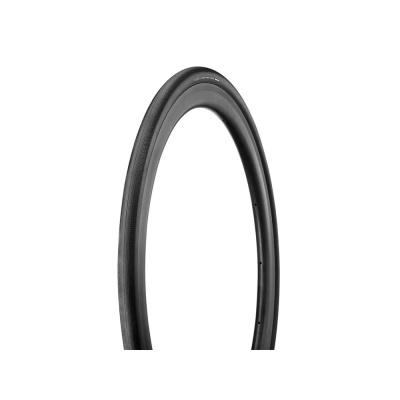
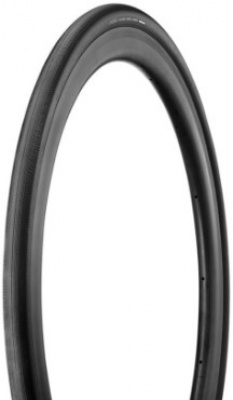
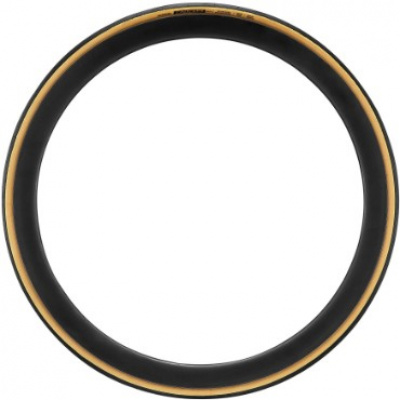
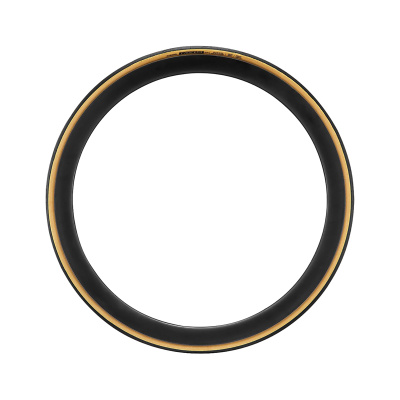
Cadex Road Tyres sit at the sharper end of what's available right now - designed from the ground up around hookless rim architecture, tubeless-ready construction, and a silica-based compound that doesn't compromise between speed and wet-weather grip. If you've been running clinchers on hooked rims and wondering what the fuss is about, this is where the conversation gets interesting.
The lineup centres on two technologies that do real work. The RR-S compound uses a silica formulation to cut rolling resistance while keeping traction on the kind of greasy B-road that catches riders out between October and April. Underneath that, the SRC (Single-layer Supple Race Casing) gives a ride feel closer to a tubular than most riders expect from a tubeless tyre - compliant over rough chips, precise when you're pushing through a fast corner. Add a Carbon/Kevlar Composite Bead built specifically to lock onto hookless rims safely, and you've got a system designed to work as a whole rather than a collection of borrowed parts.
Cadex road tyres are made for riders who want to stop leaving time on the road. Compare prices across the full range below.
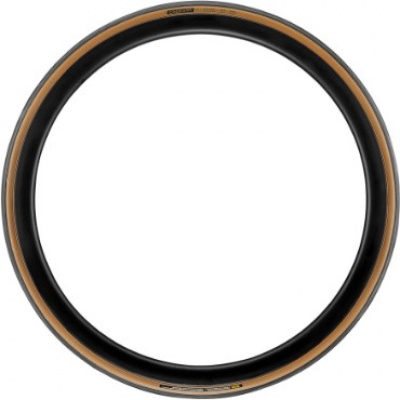
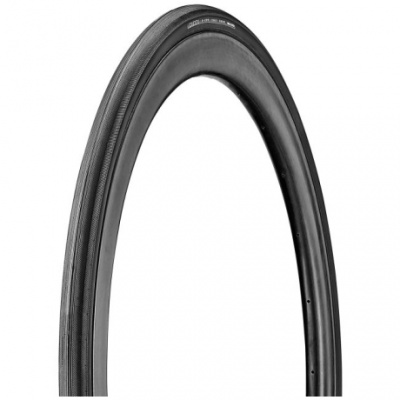
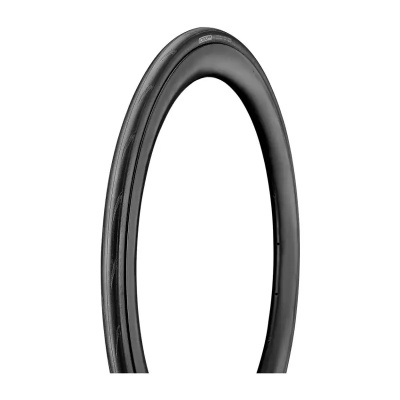
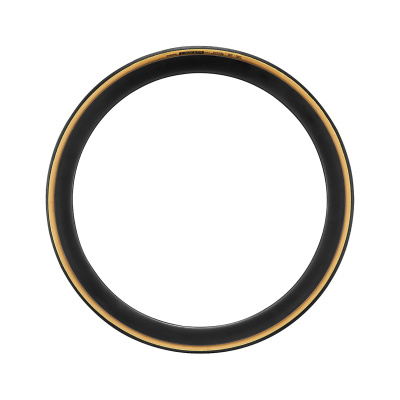
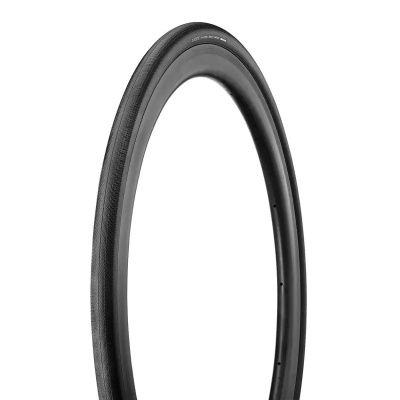
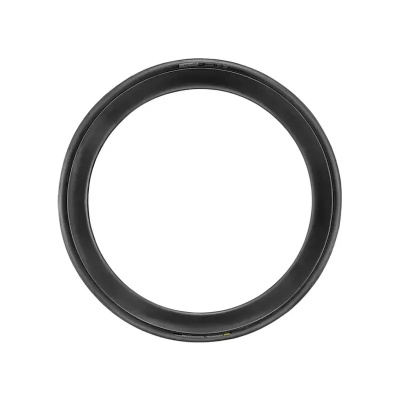
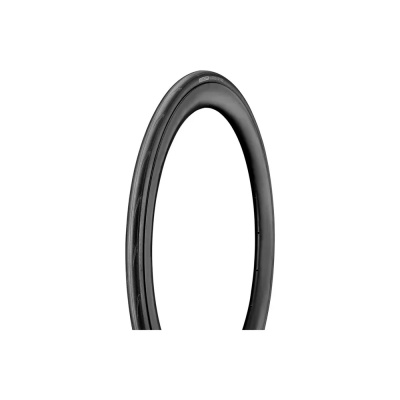
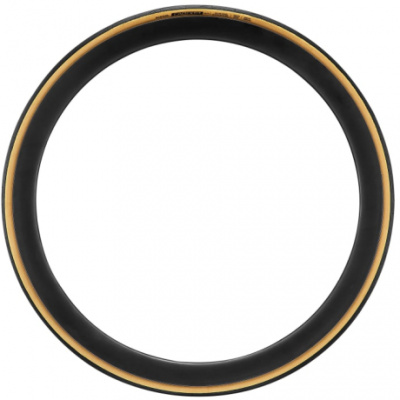

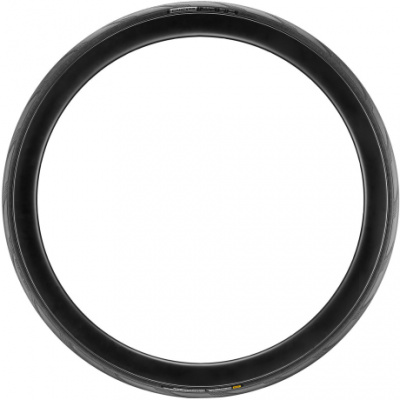

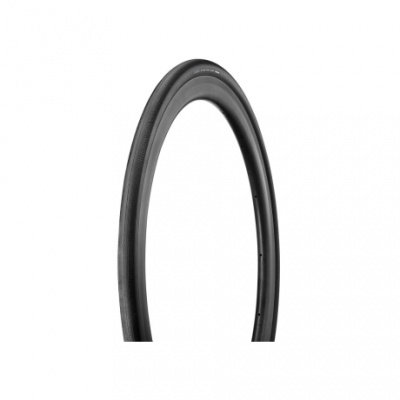
Prices and availability can change quickly. Delivery charges are not always included in listed prices.
Final price, stock status and delivery terms are set by retailer. We may receive a commission on purchases made.
Hookless Rim Compatibility and Pressure Limits
Hookless rims - sometimes called TSS (Tubeless System Standard) - are now the default on most serious carbon wheelsets, and Cadex tyres are engineered specifically for them. The Carbon/Kevlar Composite Bead is the key detail here: it's stiffer and more dimensionally consistent than a standard nylon bead, which means it seats correctly against a hookless rim's straight-walled bead shelf without the risk of blow-off under load. That matters more than it sounds when you're descending at 50 km/h.
ETRTO standards cap hookless-compatible tyres at 72.5 psi (5 bar) - lower than many riders used to pumping hooked clinchers to 100 psi are comfortable with, but entirely appropriate for the wider, more compliant setups that make tubeless worthwhile. Running less pressure isn't a compromise; it's where rolling resistance and grip actually improve on real road surfaces. Check your wheel manufacturer's approved tyre list before you fit anything - Cadex publishes compatibility guidance, but rim producers like to have the final say on bead retention safety.
Internal rim width also matters. A 28c Cadex Race tyre will need an internal rim width of at least 22mm to mount to the correct profile and deliver the aerodynamic and handling characteristics it's designed for. Go too narrow and the tyre balloons; go too wide and you lose the casing's intended shape entirely. Pair these with Cadex road wheels and the geometry is already dialled - if you're mixing brands, measure twice.
Race, Classics, and Aero: Which One's for You
Cadex keeps the road tyre range tightly focused, and each model has a clear purpose rather than overlapping in ways that leave you guessing.
The Cadex Race is the lightweight option - built around the RR-S compound and SRC casing for minimum rolling resistance and maximum suppleness. It's what you'd mount for a fast sportive, a race day, or any ride where you're chasing speed and the roads are reasonably well-surfaced. The Race Shield layer is present but kept light, so puncture protection is adequate rather than belt-and-braces. Think of it as your dry-conditions, fast-road tyre.
The Cadex Classics adds Race Shield+ - a beefed-up Kevlar puncture protection layer designed for the kind of roads where hedge-clipping season leaves a month's worth of flint across the tarmac. You lose a small amount of the Race's outright suppleness, but the trade-off is meaningful durability on rough UK surfaces without stepping down to a heavier training tyre. If your regular routes include unclassified lanes or anything south of a B-road quality, the Classics is the sensible call. It's a stronger case for UK riders than the Race in most conditions outside summer.
The Cadex Aero runs a taller casing profile, shaped to integrate cleanly with deep-section rims and minimise aerodynamic drag at the tyre-rim junction. Pairing it with anything shallower than a 40mm rim depth misses the point - but on a 50mm-plus wheel, the airflow management is measurable. The RR-S compound carries across from the Race, so speed credentials are intact; it's the profile geometry doing the aerodynamic work rather than a different rubber blend. If you're already running deep carbon wheels, this is the natural complement.
Looking to take your Cadex setup off-road? The Cadex gravel and cyclocross tyres page covers the treaded options built for loose and mixed surfaces.
For context against the wider market: Continental road tyres offer strong competition at the performance end - the GP5000 S TR is the benchmark many test against - while Vittoria road tyres and Pirelli road tyres bring their own compound approaches to the same hookless-ready tubeless space. Cadex's edge is the full-system design philosophy - bead, casing, and compound developed together for hookless rims rather than retrofitted from a hooked-rim architecture.
Keeping Cadex Tyres Running Through UK Conditions
The RR-S silica compound is genuinely effective on wet tarmac - silica-based rubber stays pliable in cold temperatures in a way that carbon-black compounds don't, which is directly relevant from November through to March on British roads. You'll still feel the limit earlier in cold rain than on a dry August morning, but the compound isn't fighting you the way a hard-wearing training tyre would be.
The Race Shield on the Race model and the upgraded Race Shield+ on the Classics handle everyday grit and small glass fragments well, but the SRC casing's suppleness means micro-cuts can accumulate over time on particularly rough surfaces. Worth running your fingers along the casing after muddy or gravelly winter rides - a cut that hasn't breached the casing is fine, but catching them early avoids slow leaks developing later.
Tubeless sealant needs topping up roughly every three to four months in UK conditions. Cold temperatures accelerate latex sealant drying inside the tyre, and a tyre that's lost its sealant will seal a new puncture slowly or not at all. Use an ammonia-free latex sealant - ammonia degrades the SRC casing's fibres over time. Remove the valve core, inject fresh sealant, refit the core, and give the wheel a few rotations before heading out. It takes five minutes and saves a roadside plug job. If you need a finishing touch for the cockpit while you're servicing the bike, Cadex bar tape is worth a look alongside the tyre refresh.
On the Classics specifically, the Race Shield+ layer buys meaningful extra life on rough surfaces - useful when your regular loop includes lanes that haven't been resurfaced since before smartphones. Even so, inspect the rear tyre more frequently than the front; it takes the braking load and wears faster across all road tyre designs, not just Cadex's.
Cadex Road Tyres FAQs
Are Cadex tyres compatible with all hookless rims?
Cadex tyres are built to ETRTO hookless standards and use a Carbon/Kevlar Composite Bead designed for hookless rim security - but that doesn't mean they're cleared for every hookless rim on the market. Always cross-reference your wheel manufacturer's approved tyre list before fitting. Rim producers set their own bead retention specs, and those take precedence regardless of how well-engineered the tyre is.
How long do Cadex Race tyres last?
Roughly 2,000 - 2,500 miles on the rear and up to 3,500 on the front under normal conditions. Rider weight, road surface, and braking habits all shift those numbers. If your routes include a lot of rough or heavily gritted lanes, the Cadex Classics with its Race Shield+ layer will hold up longer than the Race before the casing starts showing wear.
What sealant is best for Cadex tubeless tyres?
Use an ammonia-free, latex-based sealant - ammonia degrades the SRC casing's fibres over time, which isn't visible until the tyre starts to fail. A quality latex sealant seals small punctures quickly even in cold UK conditions. Top it up every three to four months; the casing dries out faster through winter than most riders expect, and an under-sealed tyre won't close a puncture before you've lost pressure.