
Cadex Road Wheels
Cadex road wheels sit at the sharp end of what carbon wheel engineering can actually deliver - not as a marketing position, but as a measurable reality across stiffness, weight, and aerodynamic efficiency. Built around a hookless rim structure that runs continuous carbon fibre through the bead seat, they're genuinely different from most of the field. That continuous layup isn't just a production shortcut; it makes the rim more resistant to the kind of sharp impact loading you get from a pothole on a fast descent or a poorly patched B-road.
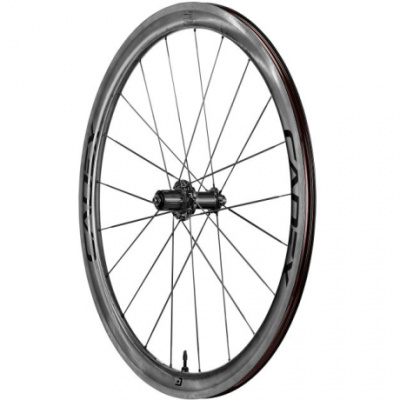
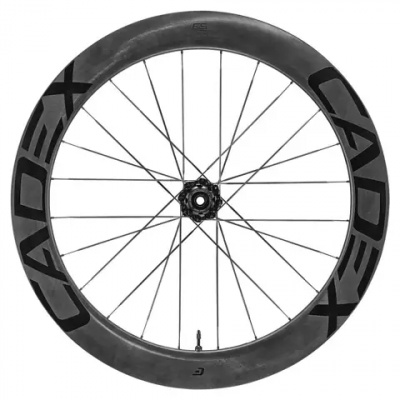
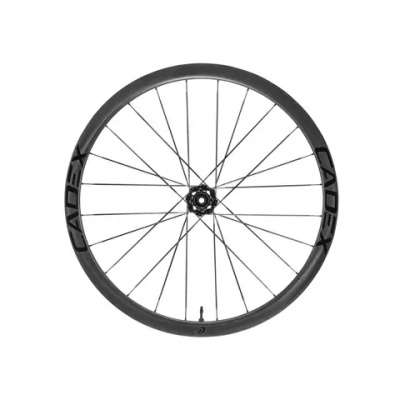
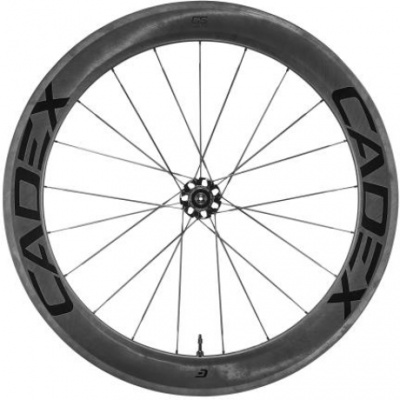
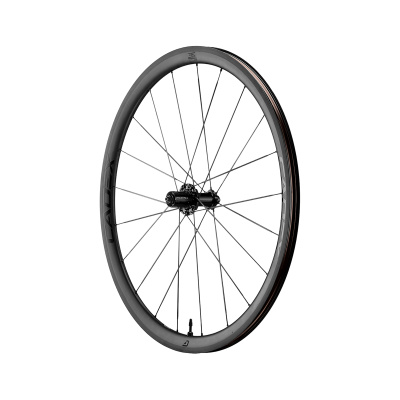
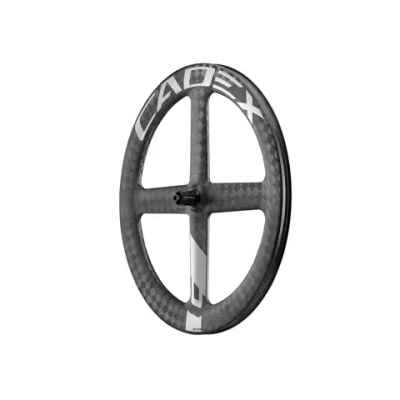
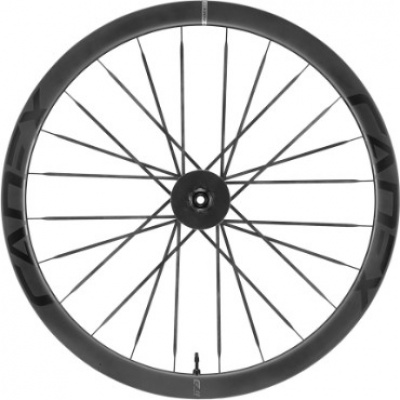
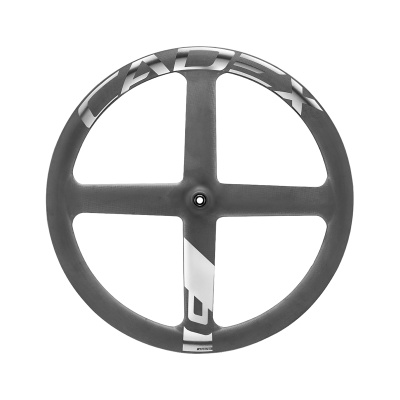
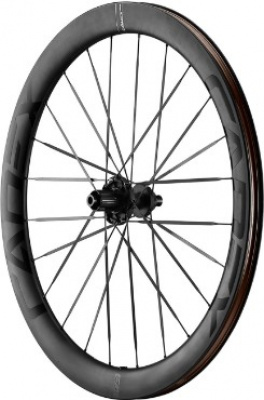
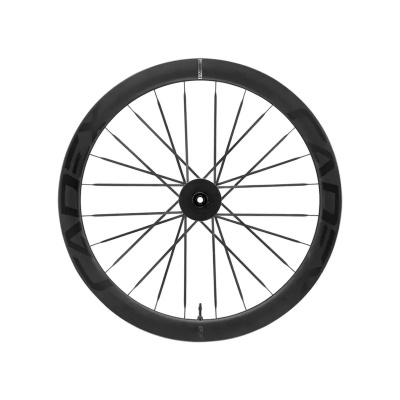
The range spans shallow climbing wheels through to deep-section aero profiles, so whether you're eyeing a KOM on a long Welsh drag or trying to hold a steady 30mph on an exposed fenland road, there's a depth that suits. Every wheel in the lineup runs tubeless ready with hookless rims, ceramic bearings in the hubs, and Cadex's aero carbon spokes - so the spec doesn't drop off as you move through the range. What changes is the rim depth and the trade-offs that come with it. Crosswind stability, rotational weight, aerodynamic gain - these shift meaningfully between a 36mm and a 65mm rim, and getting that choice right matters more than most riders expect. Browse the current Cadex wheelset listings below and use the guide underneath to work out which depth fits your roads and your riding.



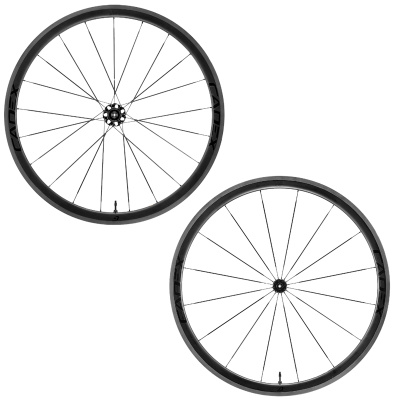
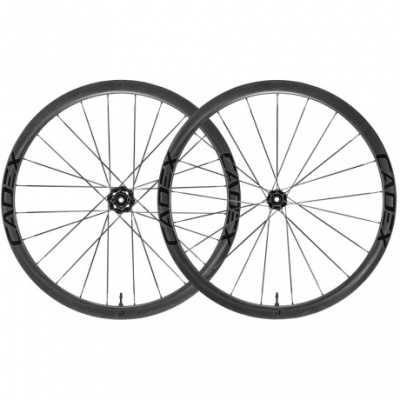
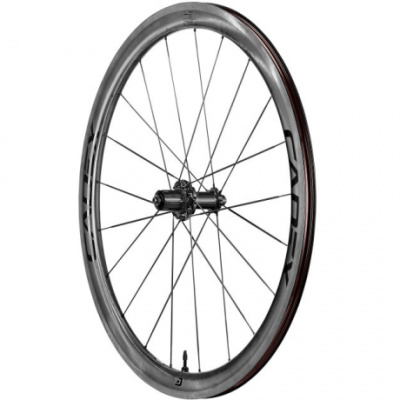

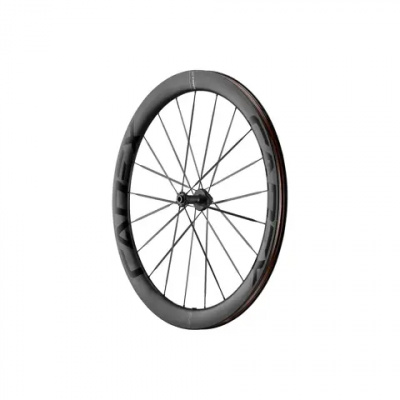
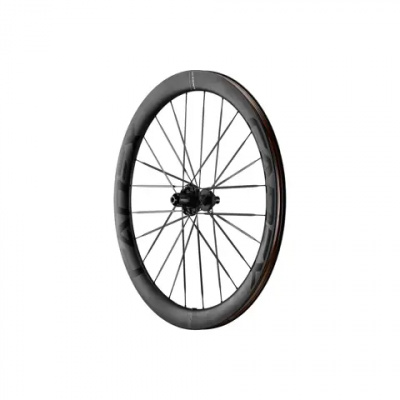
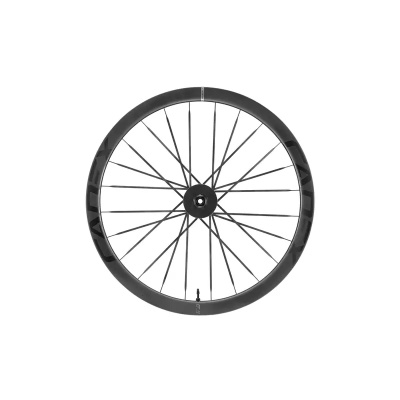
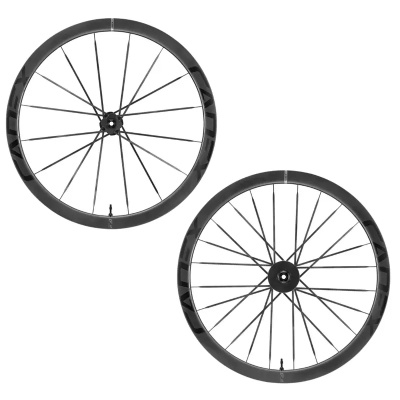
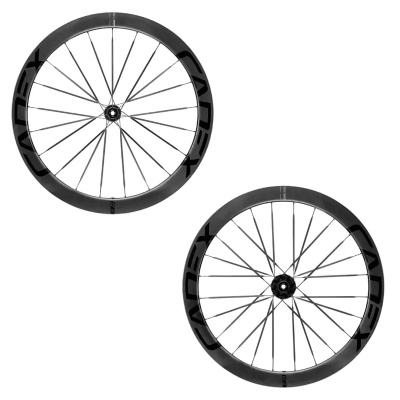
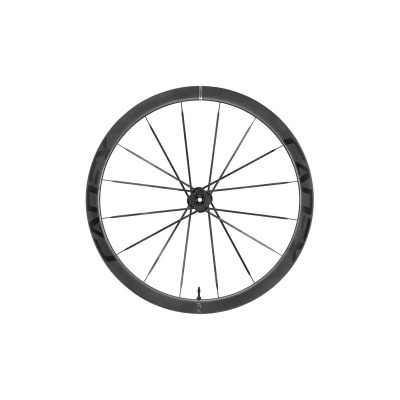
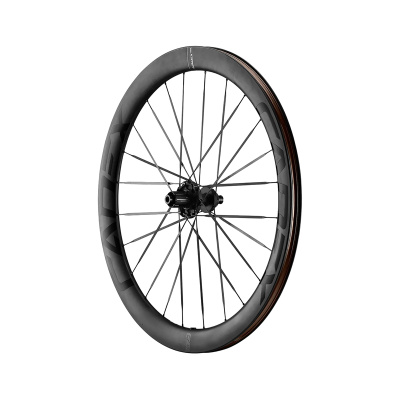
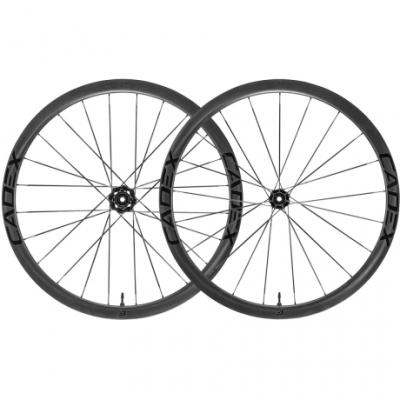
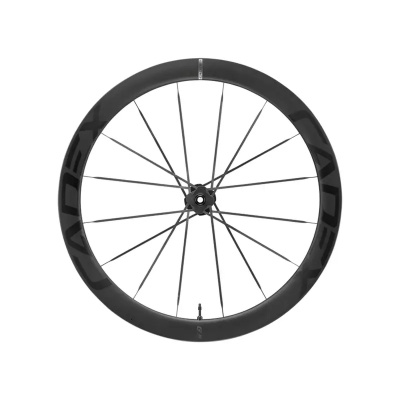
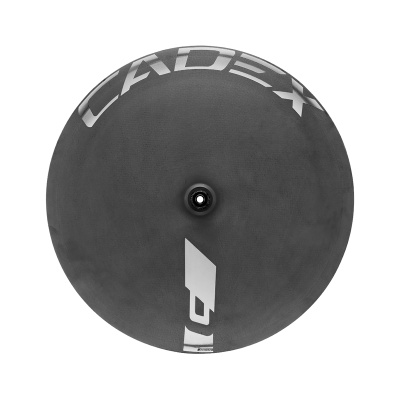
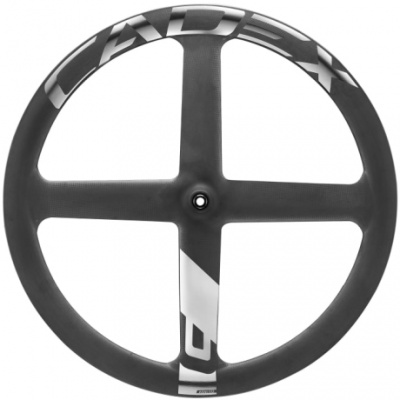
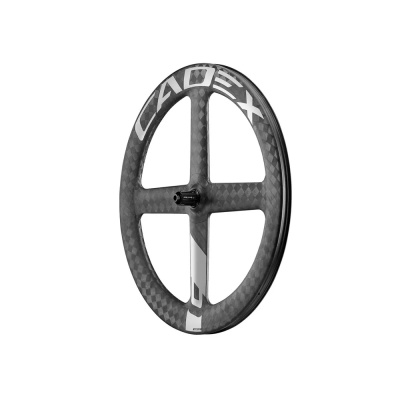
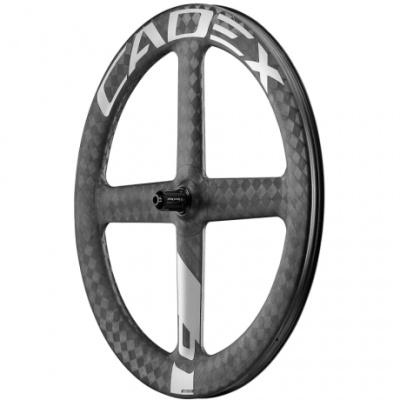
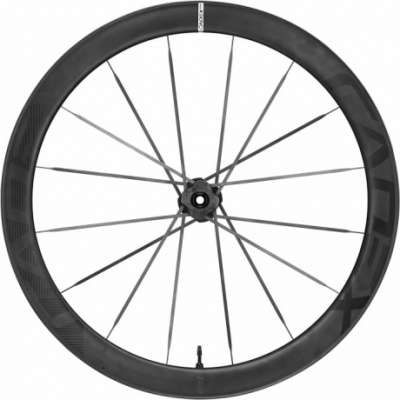
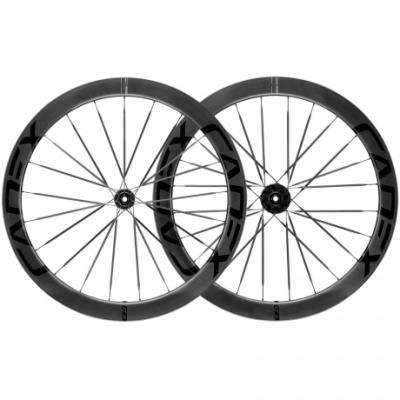
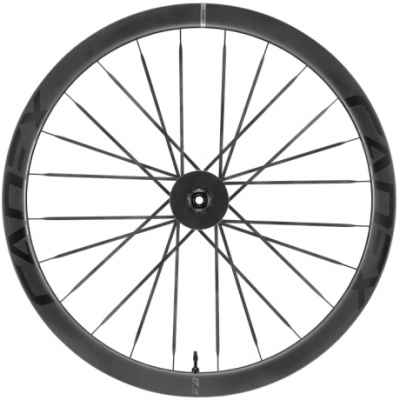
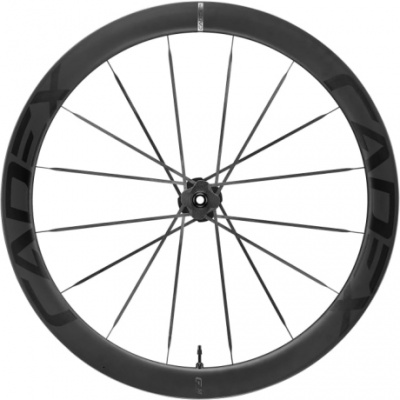
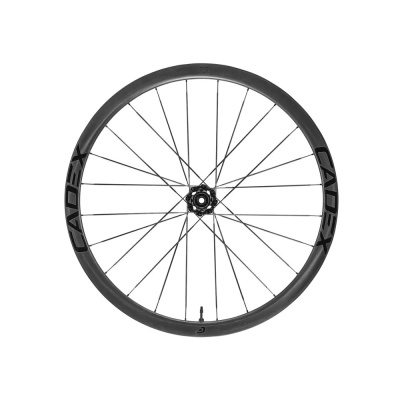
Prices and availability can change quickly. Delivery charges are not always included in listed prices.
Final price, stock status and delivery terms are set by retailer. We may receive a commission on purchases made.
Hookless Rims, Axle Standards, and What You Can Actually Run
Cadex road wheels use a hookless rim profile across the entire range - no bead hook, no exceptions. That's not a compromise; it's a deliberate engineering choice that produces a more aerodynamic tyre interface, a lighter rim section, and better impact resistance through the continuous carbon fibre structure. But it does mean you can't just mount whatever tyre you've got in the garage. You need tubeless-ready tyres that are explicitly approved for hookless rims and meet current ETRTO standards for hookless compatibility. Max inflation pressure on hookless rims is typically 73 psi - worth knowing before you reach for the track pump out of habit.
Cadex maintains an official approved tyre list, and it's worth checking before you buy. Their own Cadex road tyres are an obvious pairing and are designed to the same tolerances as the rims. Standard clincher tyres - hooked or not - are not compatible. Run something off the approved list and you're voiding the warranty and taking a real risk at speed. Axle spacing is standard road disc throughout: 12x100mm front, 12x142mm rear, with Centerlock rotor mounts. Freehub bodies are swappable between Shimano HG, SRAM XDR, and Campagnolo, so drivetrain compatibility isn't a headache. If you're building around specific hub internals, our Cadex hubs and Cadex bearings pages cover those in more detail.
Choosing Your Depth: The Cadex Climbing and Aero Lineup
Cadex structures its road wheel range around rim depth, and each option has a clear purpose. The Cadex 36 is the featherweight of the family - a shallow-section climbing wheel with a stiffness-to-weight ratio that makes it genuinely rapid on long ascents. If your riding is built around Alpine-style gradients or you spend most weekends grinding up moorland roads in the Peaks or the Cairngorms, this is the depth that rewards you. The Cadex Max 40 shares that climbing DNA but adds a wider internal channel for better tyre support and a slightly more forgiving ride character on rougher surfaces.
Step up to the Cadex 42 and you're into all-rounder territory. It's the depth most road riders will find works across the widest variety of conditions - enough aerodynamic gain to feel meaningful on fast club runs or sportives, but not so deep that a crosswind on an exposed viaduct becomes a steering conversation. The Cadex 50 pushes further into aero performance while retaining the crosswind stability that makes it usable on UK roads, where wind direction changes about as often as the weather. At the top end, the Cadex 65 is unambiguously a speed tool - flat courses, triathlons, or time trials where conditions are controlled and every watt saved on drag counts. It's not a wheel for technical descents on exposed ridgeways. Know what you're buying it for.
Dynamic Balanced Lacing - Cadex's proprietary spoke tensioning system - runs across the range. It distributes load more evenly under pedalling force, which keeps the wheel tracking true under hard efforts rather than flexing at the point where power is highest. If you've ridden a wheel that felt vague under a sprint, you'll notice the difference. Compared to what ENVE road wheels or DT Swiss road wheels offer at similar price points, Cadex's integration of carbon spokes with their own hub system gives a tighter overall package - though DT Swiss's serviceability and availability of spare parts across the UK is arguably more straightforward for most home mechanics. If you're building a gravel setup rather than a pure road rig, take a look at the Cadex gravel wheels range instead - different rim profiles, different approved tyre lists.
Keeping Cadex Wheels Running Through UK Conditions
Carbon spokes and ceramic bearings are both genuine performance advantages and things that need a bit of thought to maintain. The low-friction hubs use precision-machined internals with ultra-smooth ceramic bearings - the kind of rolling resistance difference you feel on a long flat road when the legs are tired and every watt matters. But ceramic bearings don't like pressure washing. UK winter riding throws grit, road salt, and standing water at your wheels constantly, and the temptation after a filthy ride is to hose everything off. Don't. Use a bucket, a soft brush, and keep the jet washer away from the hub flanges entirely. Service the bearing seals annually with a quality marine grease - it makes a significant difference to bearing longevity through a British winter.
The aero carbon spokes are individually threaded and replaceable, which is a meaningful advantage over older carbon wheelsets where a broken spoke often meant a warranty claim rather than a five-minute workshop job. That said, replacing or re-tensioning a Cadex carbon spoke isn't a job for a standard spoke key and a guess. You need the correct Cadex spoke tool and a calibrated tension meter to get it right. If you don't have those, a wheel builder with experience on carbon spoke wheels is the sensible call - an improperly tensioned carbon spoke can fail, and it's not a failure you want mid-ride. Keep fresh tubeless sealant in the tyres - topped up every three to four months - and you'll handle the glass and flint that UK roads seem to generate in endless supply.
For a direct comparison at the premium end, Lightweight road wheels and Campagnolo road wheels offer alternative approaches to carbon wheel construction, each with different servicing ecosystems. Cadex's advantage is the integration between rim, spoke, hub, and tyre - the system is designed as a whole, which shows in how consistently the wheels perform across their range.
Cadex Road Wheels FAQs
Are Cadex road wheels hookless?
Yes - every current Cadex road wheel uses a hookless rim profile. The continuous carbon fibre structure through the bead seat improves impact resistance and reduces rim weight, while the hookless shape produces a more aerodynamic tyre profile. You must use ETRTO-compliant, hookless-approved tubeless tyres and stay within the recommended inflation limits.
What tyres are compatible with Cadex wheels?
You need tubeless-ready tyres that are explicitly listed on Cadex's approved hookless tyre compatibility list. Standard clincher tyres are not compatible. Cadex's own road tyres are designed to work with their rims, and several major tyre brands have models on the approved list - always check the current list before fitting anything new.
Can you replace carbon spokes on Cadex wheels?
Yes, and that's genuinely useful. Cadex's aero carbon spokes are individually threaded rather than bonded, so a single damaged spoke can be swapped out without scrapping the wheel. It does require the correct Cadex spoke tool and a tension meter - this isn't a roadside job. A wheel builder familiar with carbon spoke systems is the right person for the work.