
Brompton Pannier Bags
Brompton pannier bags aren't something you can browse casually on a generic luggage page and expect to find something that fits - the system is entirely proprietary, and that's by design. Every bag Brompton makes is engineered around either the Front Carrier Block (FCB) quick-release system or their specific rear rack geometry, keeping weight low and centred over those 16-inch wheels. Get that balance right and the bike handles predictably even with a full day's load aboard. Get it wrong - say, by bolting on a standard aftermarket pannier - and you'll be fighting the steering from the first roundabout.
For UK riders, the calculus is straightforward. Winter commutes in this country mean persistent rain, road salt, and the kind of grit that works its way into every seam. Brompton's luggage answers that with high-denier Cordura and recycled PET waterproof fabrics, roll-top closures, and reinforced bases built to take the punishment of daily train-platform scrapes and brick-wall leans. Reflective detailing is standard across the range - useful when November arrives and it's dark by half four. Whether you're loading up for a cross-London commute or a longer day out, choosing genuine Brompton luggage also guarantees your fold stays intact and your heels stay clear of the bag on every pedal stroke.
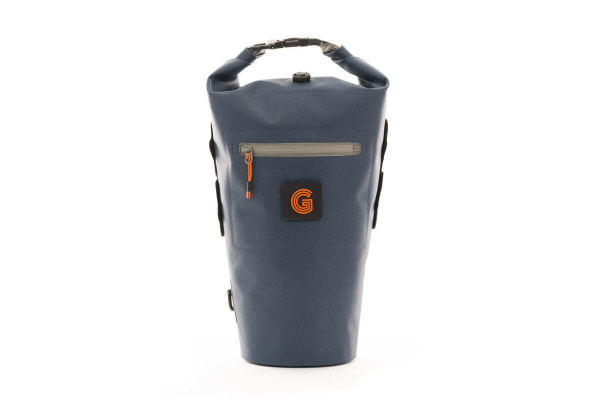
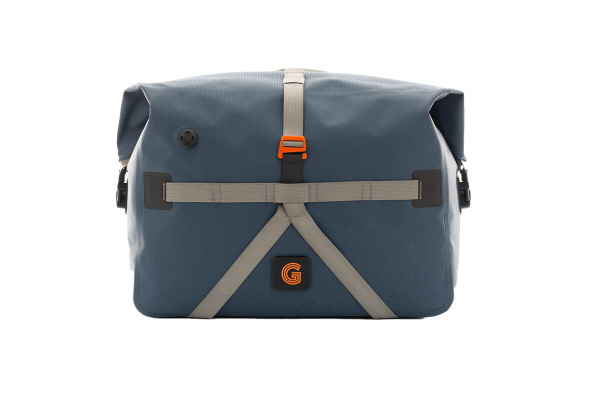
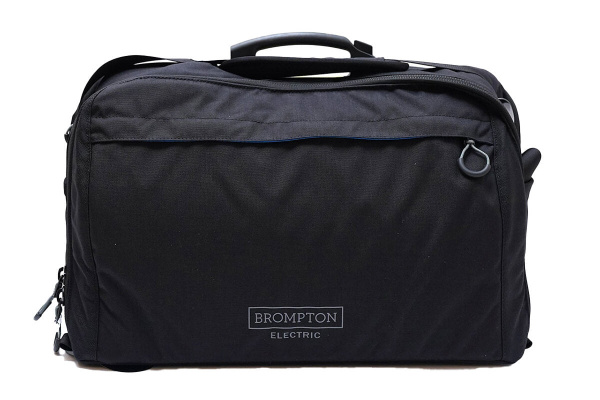
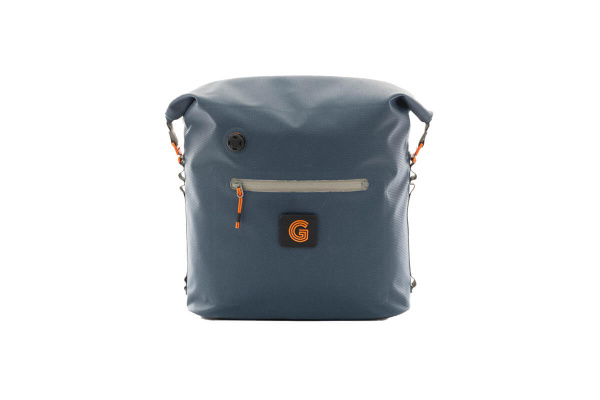
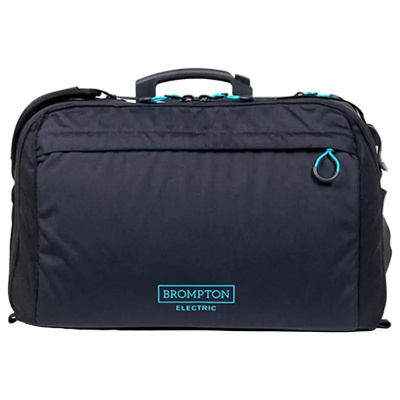
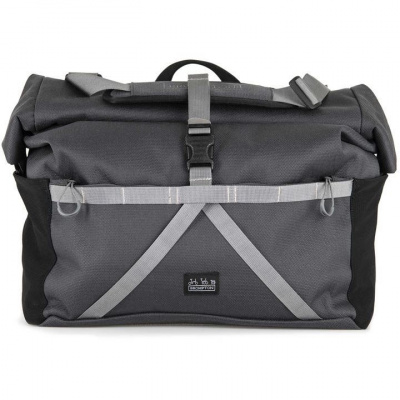
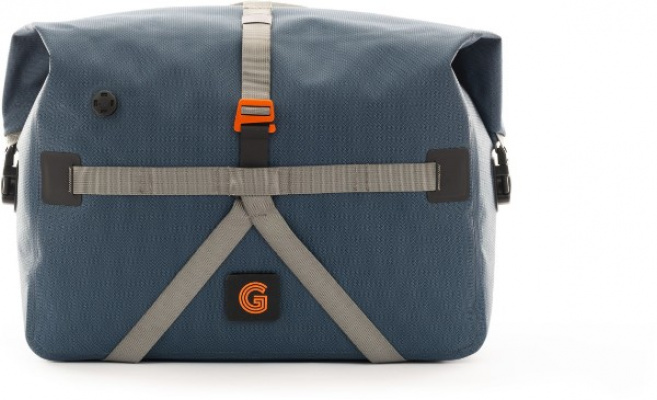
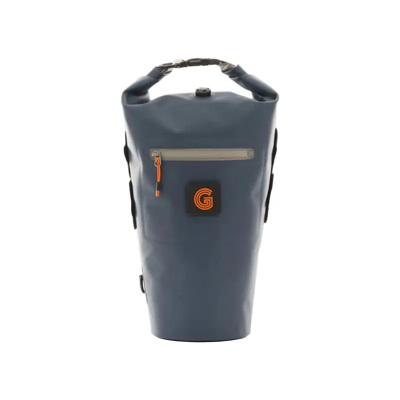
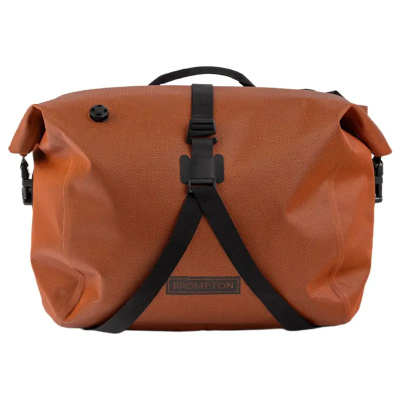
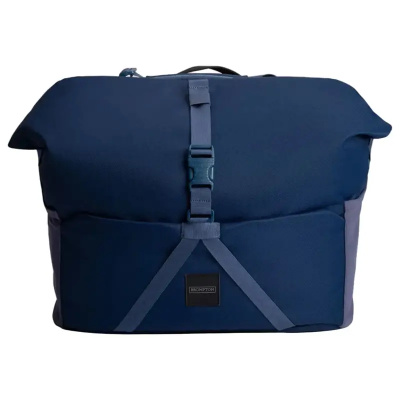
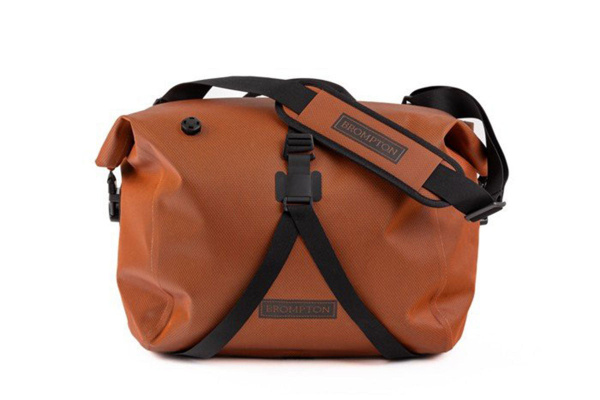
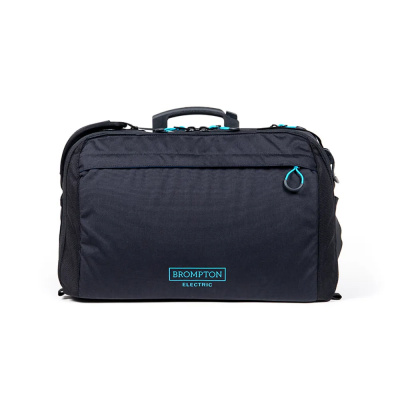
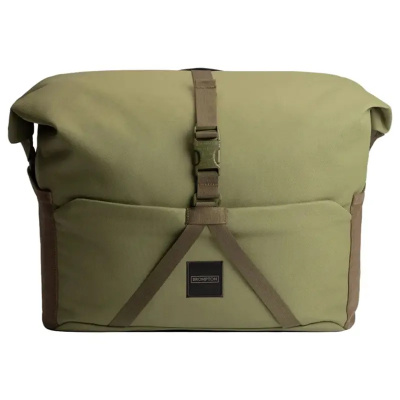
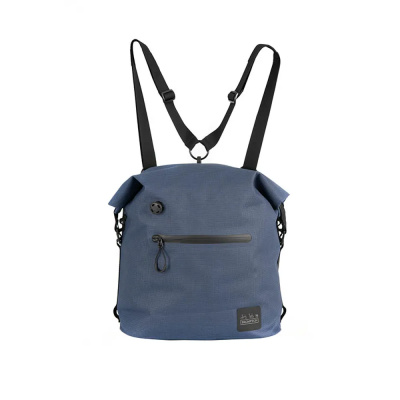
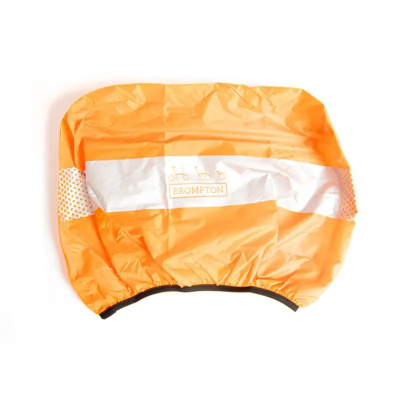
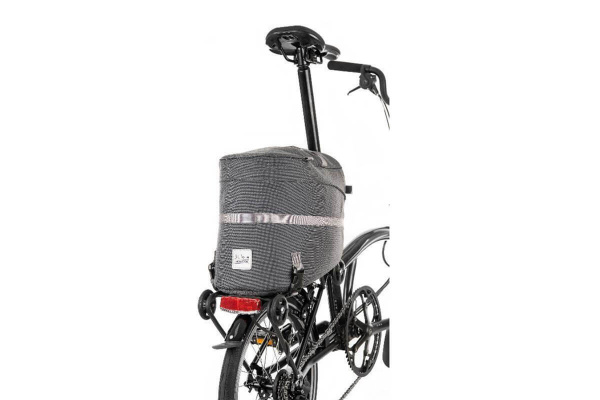
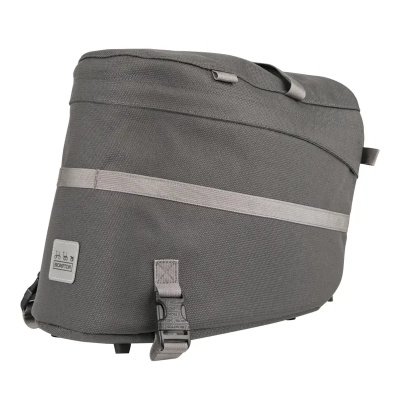
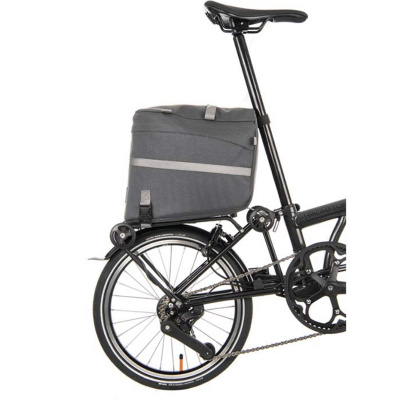
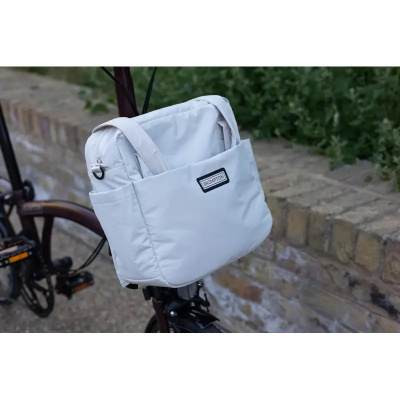
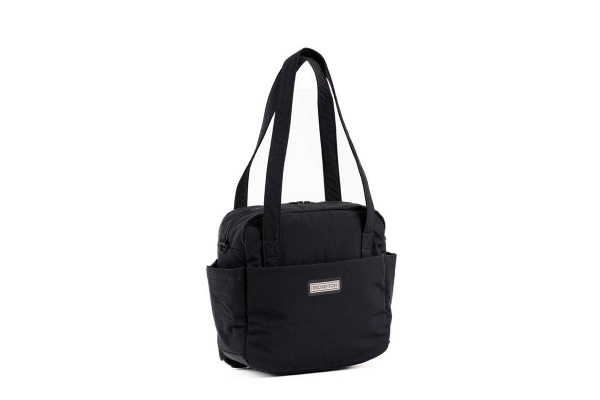
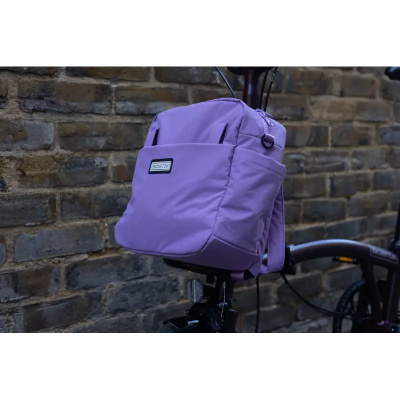
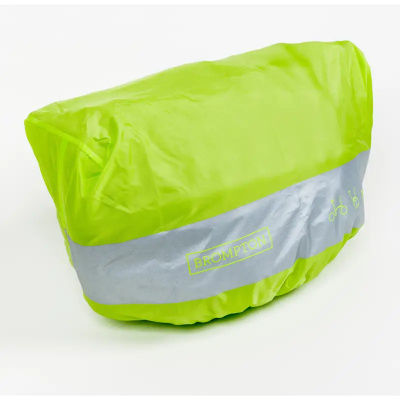
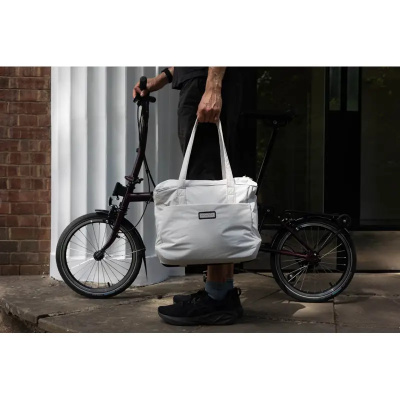
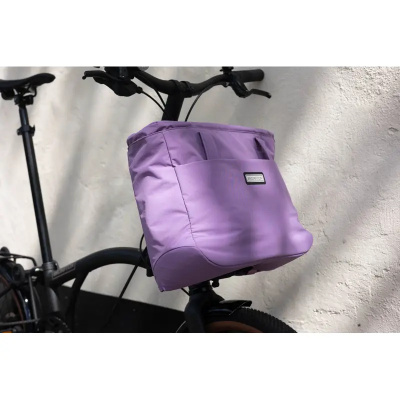
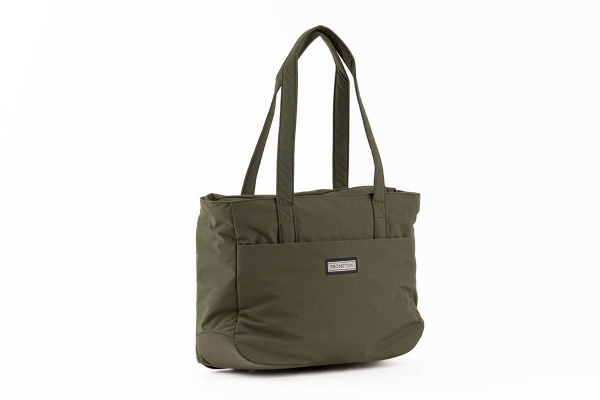
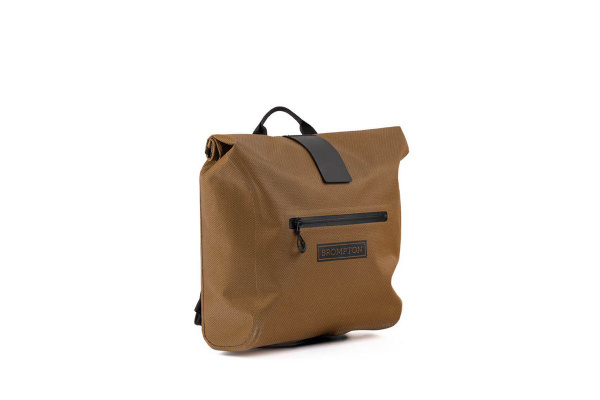
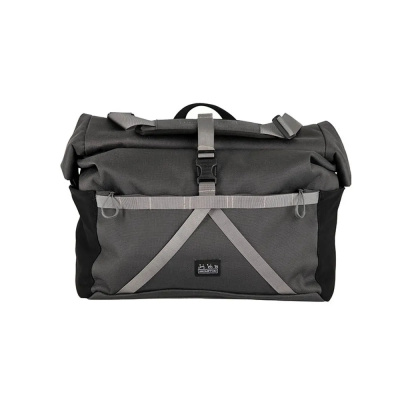
Prices and availability can change quickly. Delivery charges are not always included in listed prices.
Final price, stock status and delivery terms are set by retailer. We may receive a commission on purchases made.
Front Carrier Block vs. Rear Rack: Which Mounting System Do You Actually Need?
The Front Carrier Block quick-release system is the smarter choice for most Brompton riders, and the reason is physics. By mounting the bag ahead of the steering axis rather than behind the rear wheel, you keep the load from pendulum-swinging through corners. The FCB frame - a rigid internal structure built into compatible bags - clicks into the carrier block with a single motion and locks solid. No rattling, no straps working loose mid-ride. It's the kind of attachment mechanism that makes you wonder why every folding bike doesn't do it this way.
Rear mounting is a different conversation entirely. The Brompton's short chainstays create an immediate heel clearance problem that rules out virtually every standard aftermarket pannier on the market. If you're running a Brompton rear rack, you need bags designed specifically for Brompton's rack dimensions - typically using heavy-duty Velcro straps or proprietary clip systems that sit the bag high enough to clear your heel on the back-pedal. The newer Brompton Advance Roller Rack, fitted to P Line and T Line models, has a revised profile that opens up compatibility with more of the current bag range, but it's still a closed ecosystem. Brands like Ortlieb or Carradice make superb panniers, but they're built around standard 26mm rack rails - none of that transfers to a Brompton without serious compromise.
Bottom line: front carrier block for handling and convenience, rear rack for overflow capacity when you genuinely need it. Most riders find the FCB alone handles everything short of a week's touring kit.
Borough, Metro, and Where They Sit in the Brompton Bag Range
Brompton's luggage splits into two clear families, and picking the wrong one is a easy mistake to make if you're only going by looks.
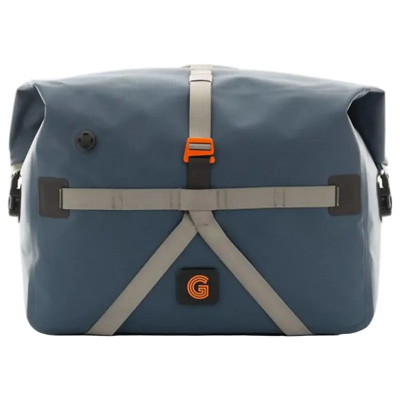
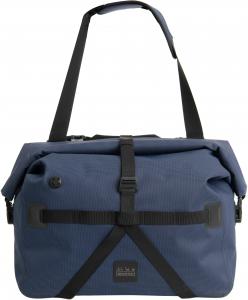
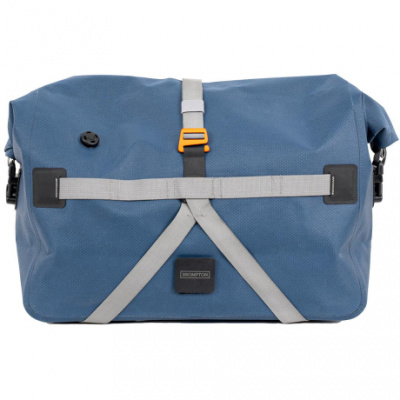
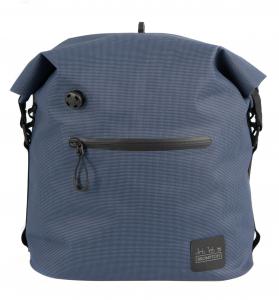
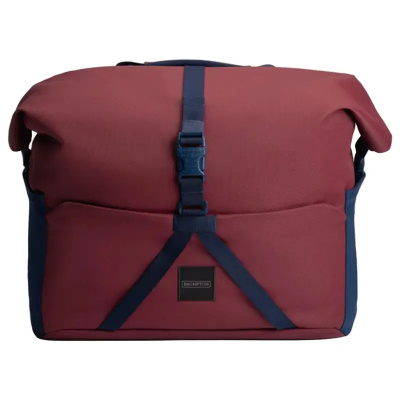
The Borough line is the workhorse. It's built around a waterproof roll-top closure and uses Brompton's most abrasion-resistant fabrics - think wet Mancunian winters, fully loaded, no rain cover needed. Capacities run up to around 28 litres in the larger Borough configuration, which is enough for a laptop, change of clothes, lunch, and the usual commuter detritus. The roll-top is genuinely waterproof rather than just water-resistant, and the base is reinforced to handle being set down on grimy platform floors without the fabric degrading. If your commute involves any meaningful distance or genuinely foul weather, Borough is the bag you want.
The Metro line takes a more urban, messenger-influenced approach. Organisational pockets, a cleaner external profile, easier access - it's designed for riders who need to get into the bag repeatedly through the day rather than seal it shut and forget it. Capacity sits lower, typically around 14 litres depending on the frame size, which suits shorter commutes or city errands where you're not carrying the kitchen sink. The Borough and Metro bag frame integration means both lines click into the FCB carrier block with the same mechanism, so swapping between them on the same bike takes seconds.
If neither bag style fits how you carry, it's worth looking at the broader Brompton ecosystem. Their messenger bags suit riders who prefer a single cross-body carry, while rucksacks work well for longer days where you're walking around at the destination. Bar bags and saddle bags round things out if you want to spread the load. Brands like Brooks and Altura offer alternative commuter luggage aesthetics if you're open to a different approach entirely, though you'd be running them on a non-Brompton setup.
Keeping Your Brompton Luggage Working Through a UK Winter
The bags are tough, but they're not maintenance-free - especially if your commute involves the kind of road spray that leaves a salt tide-mark on your down tube by February.
Cordura fabric is genuinely abrasion-resistant; it'll take repeated contact with train carriage door edges and rough brickwork without the surface breaking down the way cheaper nylon does. But the base of any bag takes the most punishment, and grit ground into the fabric acts like sandpaper over time. Wipe the base down after wet rides - it takes thirty seconds and meaningfully extends the bag's life. For the roll-top closure, a light application of silicone spray keeps the material supple and the seal performing properly through cold snaps.
The FCB quick-release latch mechanism deserves attention too. It's a precision-machined fitting and it works brilliantly when clean, but winter commuting introduces road salt and fine grit into the mechanism. A dry PTFE spray - not a wet lubricant, which attracts more dirt - applied to the latch and the carrier block receiver every few weeks keeps the click-in action crisp and prevents the latch seizing at the worst possible moment, which is invariably when you're running late. Check the FCB bolts on the bike itself periodically as well; vibration from urban roads can work them loose gradually. If you're also running Brompton mudguards, they'll reduce the spray hitting the bag base in the first place - worth having on a year-round commuter regardless.
On fabric waterproofing: the Borough's roll-top construction doesn't rely on a DWR coating the way a flap-top bag does, so there's no re-proofing ritual required. The Metro's more structured panels do benefit from an occasional DWR refresh spray if you notice water no longer beading off the face fabric. Standard stuff, but easy to overlook until you pull out a damp laptop.
Brompton Pannier Bags FAQs
Do standard panniers fit on a Brompton?
Effectively, no. The Brompton's short chainstays bring the rear wheel so close to the pedalling plane that standard panniers cause immediate heel strike - you'll clip the bag on every back-pedal stroke. You need either Brompton-specific rear bags sized for their rack dimensions, or front carrier block luggage, which sidesteps the problem entirely.
How do you attach a bag to a Brompton rear rack?
Brompton rear rack bags use heavy-duty Velcro straps or proprietary clip systems matched to the exact profile of either the standard Brompton rack or the Advance Roller Rack on P Line and T Line models. Secure the straps firmly - a loose bag that drops toward the spokes is a puncture risk and a handling issue. Check the fitment before you ride off.
Can you fold a Brompton with a pannier bag attached?
Not fully. Front carrier block bags need to come off before you fold the stem down - the bag physically blocks the fold if it's still on. Rear rack bags generally need removing too, as the rear triangle swings under the frame during the first fold step and the bag gets in the way. The good news is the FCB system makes removal a one-second job.