
Brompton Saddle Bags
Brompton saddle bags are one of those deceptively simple upgrades that make a genuine difference to how you ride and travel. Tuck a spare tube, levers, and a multi-tool under the saddle and you've got a self-sufficient bike without a single extra strap across your body. But fit the wrong bag and you'll find it crushed against the rear tyre the moment you fold the bike - not ideal on a packed commuter train or in a café doorway.
That's the critical point: Brompton-specific saddle bags and pouches are dimensionally tuned to clear the seatpost drop during the fold. Generic underseat bags rarely account for this, and even a centimetre of extra depth can foul the rear wheel or frame when the bike collapses. Brompton-designed luggage solves this by keeping depth within tight tolerances while still giving you usable storage.
Materials matter too. UK roads throw up constant spray, grit, and the occasional patch of standing water, so high-denier Cordura and nylon fabrics with reliable closures are worth seeking out rather than settling for lightweight bags that soak through by the time you reach the office. Whether you're commuting across London or catching a train up to Edinburgh, the right saddle bag keeps your mechanicals dry and your fold clean.
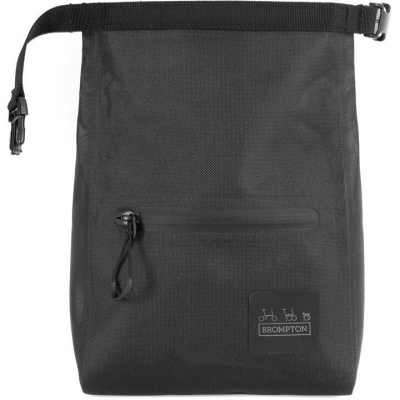
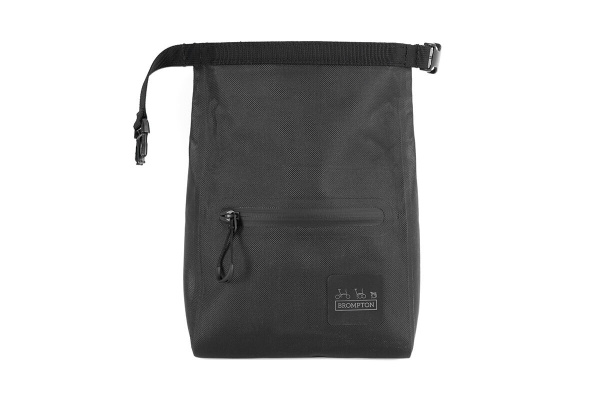
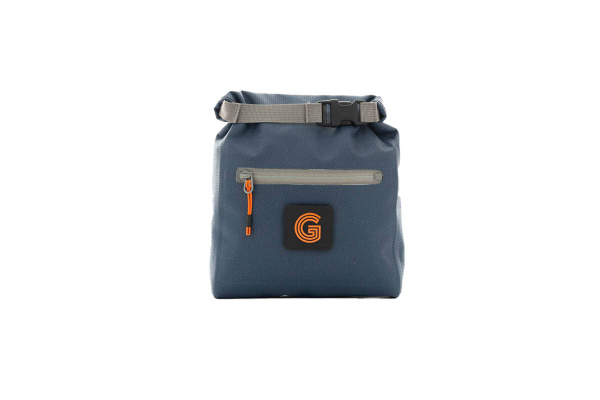
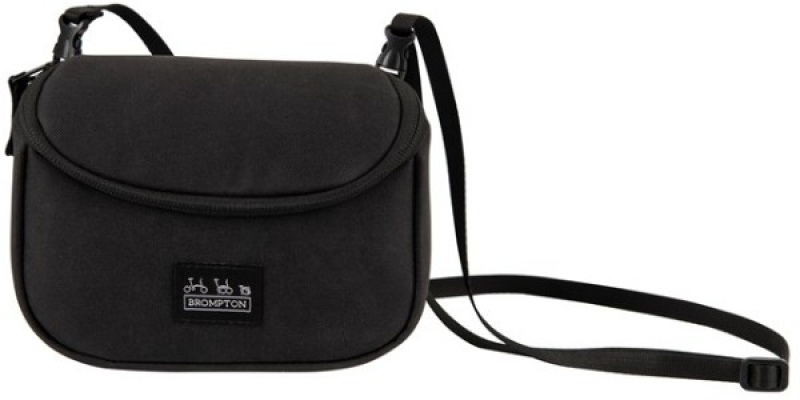
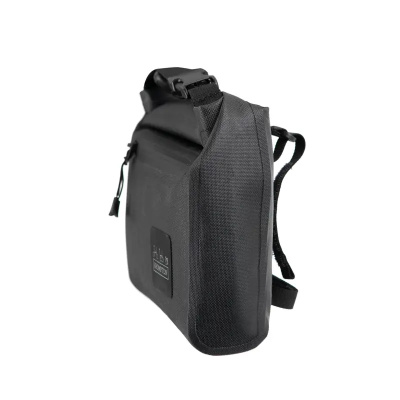
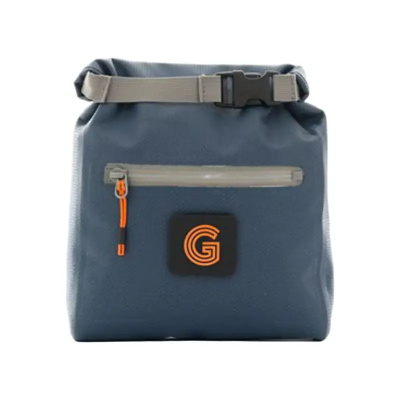
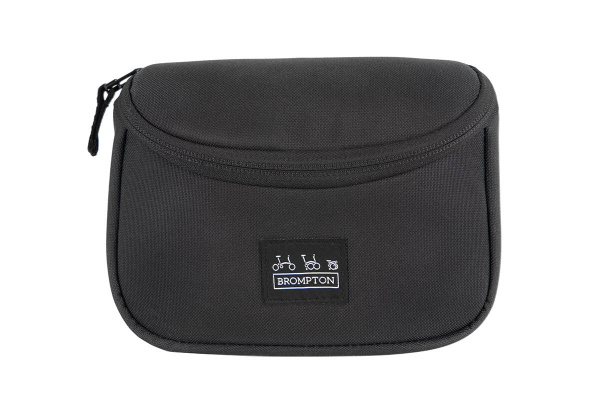
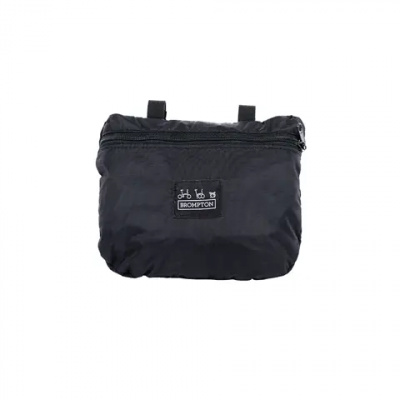
Prices and availability can change quickly. Delivery charges are not always included in listed prices.
Final price, stock status and delivery terms are set by retailer. We may receive a commission on purchases made.
Getting the Fit Right: Fold Clearance and Saddle Attachment
Fitting a saddle bag to a Brompton isn't quite the same as threading one onto a road bike. The fold changes everything. When the seatpost drops and the rear triangle swings under, whatever's hanging beneath your saddle has to clear the rear tyre and frame completely. Brompton-specific bags are built with fold-specific dimensions that respect this geometry - typically keeping depth shallow enough that nothing makes contact during the collapse. If you're considering an aftermarket option, measure the bag's depth before you buy and check it against your own seatpost drop distance. A bag that looks compact on a shelf can still catch the tyre if it's even slightly over the limit.
Attachment is straightforward once you know the system. Most Brompton pouches use velcro straps with integrated spacing designed to thread directly through the saddle loops on standard Brompton saddles and Brooks saddles. A secondary strap then wraps around the seatpost to stop the bag swaying side to side under pedalling load - skip this and you'll hear a rhythmic knock inside a few miles. Brooks saddles with their wider loop spacing are generally compatible with the same Brompton bags, but it's worth double-checking strap length on very wide saddles before committing.
If you need more than a litre of storage, a saddle bag isn't your answer - not on a Brompton. Look at Brompton bar bags instead, which sit at the front and don't touch the fold at all. Under-seat storage on a folder is fundamentally about keeping emergency mechanicals close, not carrying lunch.
Pouches, Rolls, and What Actually Fits
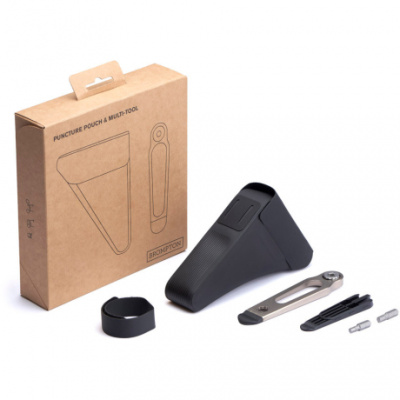
The standard Brompton Saddle Pouch sits at around 0.4 litres - which sounds tiny until you start packing it properly. A folded spare inner tube, a pair of tyre levers, a compact multi-tool, and a puncture repair kit all fit if you're methodical about it. That's genuinely everything you need to sort a flat on a wet Thursday morning in Bristol without flagging anyone down. Think of it as a first-aid kit for the bike rather than a pannier.
Step up to a larger aftermarket saddle roll - options from Carradice or Apidura exist in slim profiles - and you gain enough room for a thin gilet or an extra tube. The trade-off is that you need to verify fold clearance carefully; these brands design for road and gravel bikes primarily, not folders. Some riders make them work by checking clearance manually before every trip. Others decide the faff isn't worth it and keep it simple with the OEM pouch.
Closure type is a real consideration, not a marketing detail. Magnetic closures are fast - one-handed access when you're standing at the roadside - but they can pop open if the bag fills out or if vibration works the flap loose over time. Roll-top closures are more weather-resistant and stay shut reliably, though they're slower to open with cold hands. Standard zips sit in the middle: quick, secure, but the ones on budget bags tend to corrode after a winter of salt spray. If you're commuting year-round, a bag with a robust zip or a roll-top closure is the pragmatic choice. Keep a small tool handy for zip maintenance - more on that below.
Surviving UK Roads: Materials and Keeping Things Working
Rear-wheel spray is relentless on a Brompton. The bike's geometry puts the saddle bag right in the firing line of road grit, and urban cycle paths in particular - think glass, flint, and the fine black grit councils spread after resurfacing - are harder on bags than most people expect. High-denier Cordura fabric handles this well; it resists abrasion and doesn't soak through quickly. Lighter nylon bags work, but they need a seam-sealed or laminated construction to stay genuinely water-resistant rather than just water-repellent.
Velcro straps are the component most riders forget about until they stop working. Grit and fluff work their way into the hook-and-loop over time and kill the grip. Every few months, pick the debris out with a stiff brush - an old toothbrush does the job - and the straps come back to life. Left alone, worn velcro lets the bag shift under the saddle, and a moving bag will eventually wear a patch on your trousers or shorts where it rubs the back of your thigh.
Zip maintenance is similarly unglamorous but genuinely useful. A light wipe of silicone spray along the zip teeth keeps corrosion from seizing the slider, especially through winter. Don't use WD-40 - it attracts grit. If a zip starts to feel stiff, deal with it early; forcing a corroded slider splits the zip tape and the bag becomes scrap. For bags with magnetic closures, check the magnets occasionally for surface rust if the housing isn't fully sealed.
One practical note: if you've fitted a replacement saddle with different loop dimensions, test the strap routing before you ride. Some aftermarket saddles place loops further apart or at a different angle, which can stress the bag's attachment points or leave it sitting at an angle rather than flat beneath the rails.
Brompton Saddle Bags FAQs
Does a saddle bag interfere with the Brompton fold?
A properly specced Brompton saddle bag won't - it's sized to clear the rear wheel and frame when the seatpost is fully dropped. The danger is with generic aftermarket bags that aren't dimensioned for a folder. Always check the bag's depth against your seatpost drop before fitting an aftermarket option. Even a small overhang can catch the tyre when the bike collapses.
How do you attach a Brompton saddle pouch?
The velcro straps thread through the saddle loops on your Brompton or Brooks saddle - the loop spacing on these saddles is designed with this in mind. A secondary strap then secures around the seatpost to stop lateral movement while pedalling. It takes about two minutes to fit and doesn't require tools.
What fits inside a Brompton saddle bag?
In the standard 0.4L pouch: a spare inner tube, tyre levers, a compact multi-tool, and a basic puncture repair kit. Pack neatly and it all goes in. Larger aftermarket rolls offer room for a thin extra layer, but you'll need to confirm they don't compromise fold clearance before committing to one.