
Birzman Mini Pumps
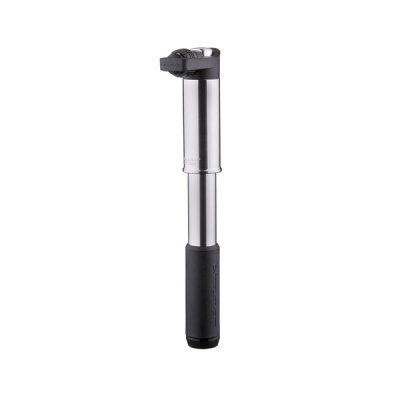
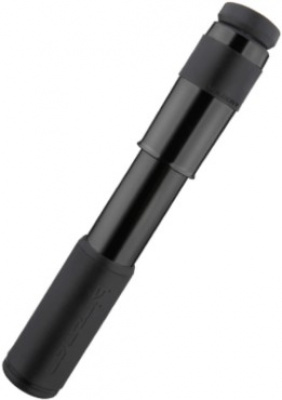
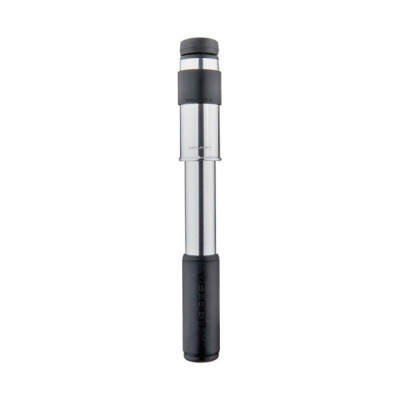
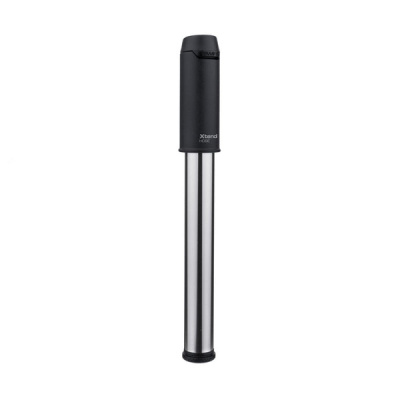
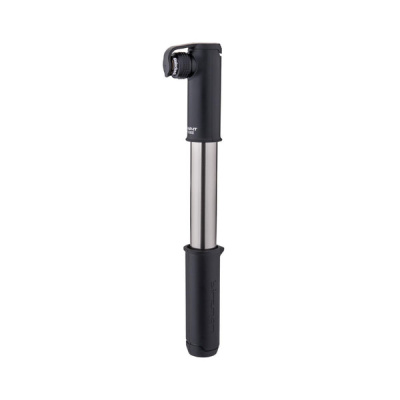
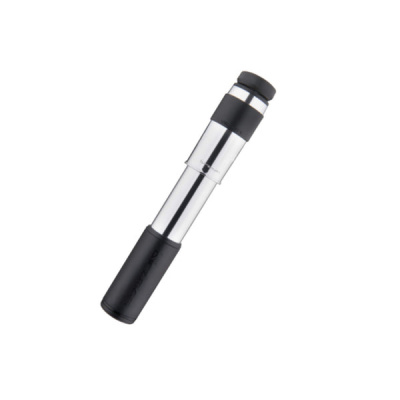
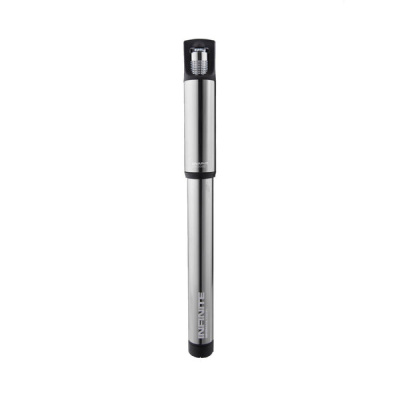
Birzman mini pumps are what you reach for when a puncture hits on a freezing January lane and you need the pump to just work, first time. Built around CNC machined aluminum barrels with tolerances that most mini pump makers don't bother with, they're engineered to a standard that holds up across dozens of uses rather than folding at the first sign of grit. The headline feature is the proprietary valve head system. The Snap-It Apogee valve head snaps onto Presta valves and threads onto Schrader valves with a sliding collar that keeps the connection locked under pressure - no blow-offs, no accidental valve core removal when you pull the pump free. That last point matters more than it sounds: losing a valve core roadside is a ride-ending mistake. The Push & Twist head, found on several models, gives you fast engagement without fiddling with internal adaptors. Choose a high pressure (HP) model for road tyres that need 90 - 110 PSI, or a high volume (HV) barrel if you're running wider MTB or gravel rubber at lower pressures. Cold hands, wet roads, gritty trails - Birzman has thought about the conditions UK riders actually pump up in.
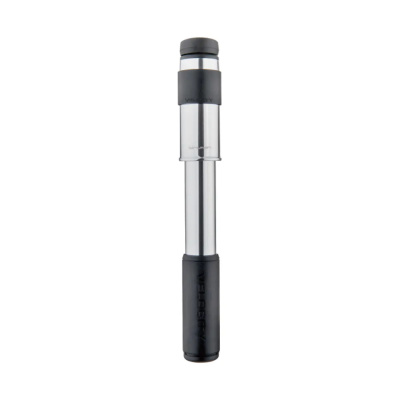
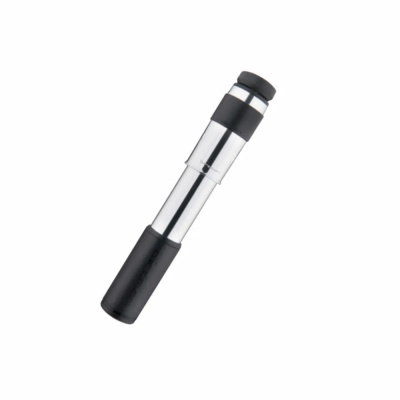
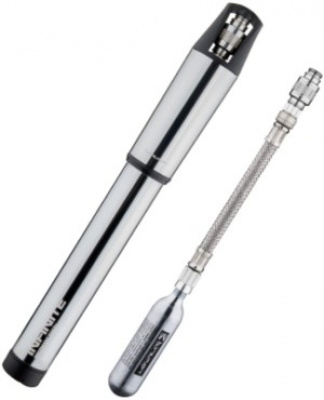
Prices and availability can change quickly. Delivery charges are not always included in listed prices.
Final price, stock status and delivery terms are set by retailer. We may receive a commission on purchases made.
HP vs HV Barrels, and How the Valve Heads Actually Work
The core choice with any mini pump is barrel diameter, and it has a direct mechanical consequence. A high pressure (HP) barrel is narrow, which means less air moves per stroke - but that smaller volume is far easier to compress to the high PSI that a road tyre demands. Getting a 25mm road tyre back to 100 PSI with an HV pump is genuinely hard work; an HP barrel makes it achievable without needing to brace the bike against a wall. If you're running a best Birzman mini pump for road bikes, HP is the one to shortlist.
Flip it around for MTB and gravel. A high volume (HV) barrel shifts significantly more air per stroke, so a 2.4-inch tyre gets to a rideable pressure in far fewer pumps. The trade-off is that HV barrels typically max out around 60 - 90 PSI - fine for tubeless gravel rubber, but not what you want if you're also running a road bike. Worth checking the stated max PSI on any model before you buy. As a Birzman mountain bike hand pump consideration, HV is almost always the right call.
The Snap-It Apogee valve head is what separates Birzman from pumps that leave you wrestling with a leaky chuck in the rain. The sliding collar mechanism snaps firmly onto a Presta valve and threads securely onto Schrader - no internal grommet to flip, no separate adaptors rattling around in your saddle bag. Critically, when you release the collar to remove the pump, it does so in a controlled way that doesn't yank the valve core out with it. Anyone who's pulled a valve core out of a tubeless rim will know exactly why that matters. The Push & Twist head works on a similar philosophy: engage, twist to lock, pump, and release cleanly.
Looking for suspension setup, workshop inflation, or rapid race-day inflation? Check out our dedicated Birzman Track Pumps page for home workshop use, and we also cover CO2 inflators and shock pumps separately for those specific jobs.
Velocity, Swift, and Infinite: Which Series Fits Your Riding
Birzman structures their range into clear tiers, and the differences are tangible rather than cosmetic. The Velocity series is the one to look at if valve stem integrity is a concern - these models include a flexible hose that pulls out from the barrel before you attach the pump head. That hose absorbs the lateral forces you generate during vigorous pumping, so you're not bending the valve stem back and forth against the rim. On deep-section carbon wheels especially, that's not a minor detail.
The Swift series prioritises compactness above everything else. These are genuinely jersey-pocket sized, light enough that you forget they're there, and the right answer for riders who want the absolute minimum intrusion on a road or sportive kit. The trade-off is stroke volume and, sometimes, the full Apogee head - check the spec carefully, as some Swift models use a more basic chuck. If you're comparing against something like Topeak mini pumps at the compact end of the market, the Swift holds its own on build quality.
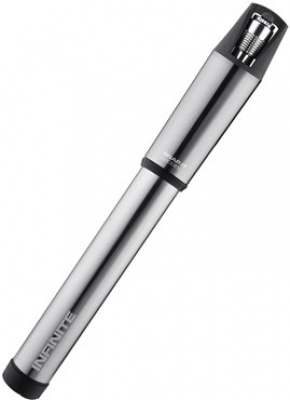
The Infinite series sits at the top. Full CNC machined aluminum construction throughout, the Snap-It Apogee head as standard, and available in dedicated HP and HV iterations so you're not buying a compromise. The machining quality on the barrel means lower friction during the stroke and better heat dissipation during extended pumping sessions - the alloy draws heat away from the shaft rather than letting it build up and degrade the internal seals. It's heavier than the Swift, but the stroke efficiency means you're doing less work per PSI. Riders who want Silca mini pump-level engineering without quite the Silca price point tend to land here.
A mounting bracket is included with most models, which attaches to your frame's bottle cage bosses. Pair the pump with a Birzman saddle bag and a Birzman multi-tool and you've got a coherent puncture kit that all plays nicely together in terms of sizing and mounting logic.
Keeping It Working Through a UK Winter
UK roads and trails are genuinely hard on mini pumps. Grit, road salt, and the kind of persistent damp that settles into every crevice between October and March will seize a neglected pump head faster than you'd expect. The number one rule: keep the rubber dust cap on the Apogee head whenever the pump isn't in use. It takes about two seconds and it's the difference between a head that engages cleanly and one that's packed with grit when you actually need it.
Beyond that, a strip-down twice a year keeps things working properly. Unscrew the top cap, slide the shaft out, wipe down the main barrel, and apply a light silicone grease to the internal O-ring. Silicone is the right choice here - avoid heavy lithium grease, which can cause the rubber seals to swell over time and make the stroke noticeably stiffer. A seized O-ring is the most common reason a mini pump stops feeling smooth, and it's almost always avoidable. If the pump is mounted via its bracket, take it off and clean behind it occasionally; salt residue between the bracket and the frame can score the paint over a winter.
If you're running the pump frame-mounted rather than in a bag, check whether the bracket uses rubber inserts to protect the frame. Birzman's brackets generally do, but it's worth verifying, particularly on carbon frames. Alternatives like Lezyne mini pumps or SKS mini pumps take a similar approach to frame protection, so it's a category-wide thing to check rather than a Birzman-specific concern.
Birzman Mini Pumps FAQs
How does the Birzman Snap-It Apogee valve work?
The Snap-It Apogee head uses a sliding collar that snaps firmly onto Presta valves and threads onto Schrader valves. The collar keeps the connection locked under high pressure, preventing blow-offs. Crucially, when you release it to remove the pump, the controlled mechanism stops the valve core being pulled out accidentally - a surprisingly common problem with cheaper pump heads.
What is the difference between high volume and high pressure mini pumps?
High pressure (HP) pumps have narrower barrels that make it physically manageable to reach 100 PSI or more - essential for road tyres. High volume (HV) pumps have wider barrels that move more air per stroke, so you can inflate a large MTB or gravel tyre quickly. The trade-off is that HV models typically max out well below 100 PSI, so they're not the right tool for a road bike.
Can Birzman mini pumps inflate both Presta and Schrader valves?
Yes. Models fitted with the Snap-It Apogee or Push & Twist heads handle both Presta and Schrader without opening the head and swapping internal grommets. The collar mechanism adapts to both valve types directly. Worth double-checking on the most basic Swift models, where the head design can differ slightly from the Infinite and Velocity series.