
Bioflex Saddles
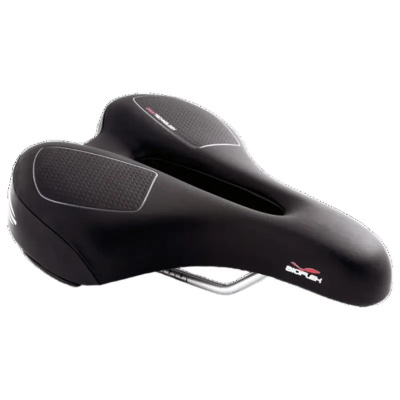
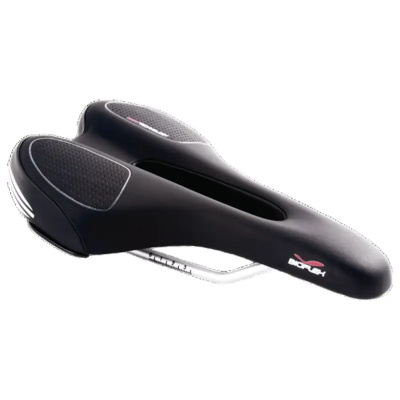
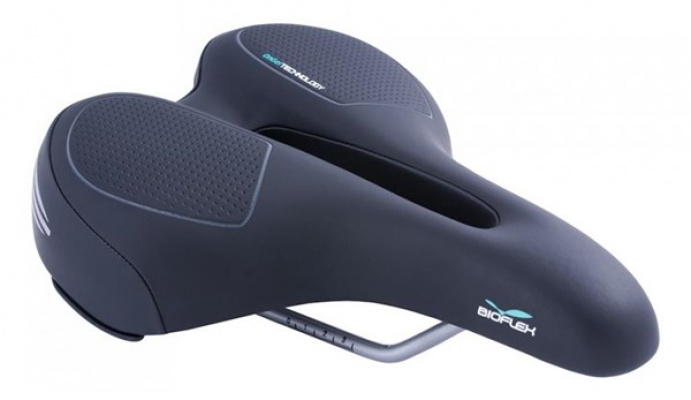
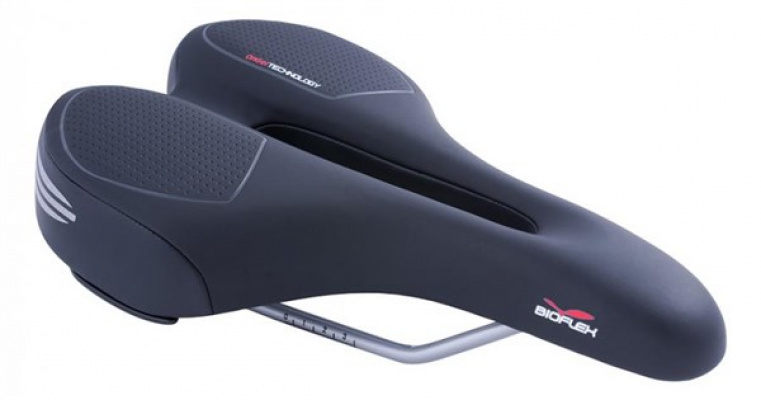
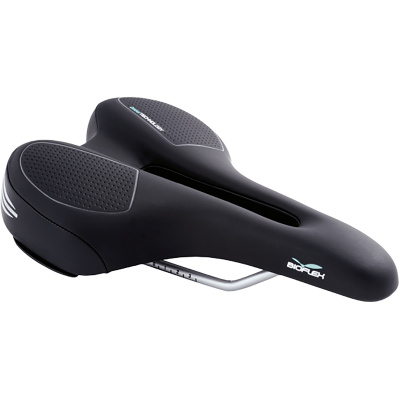
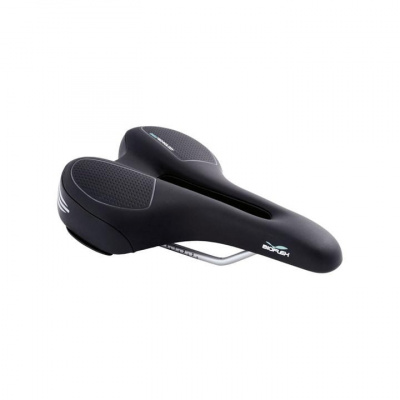
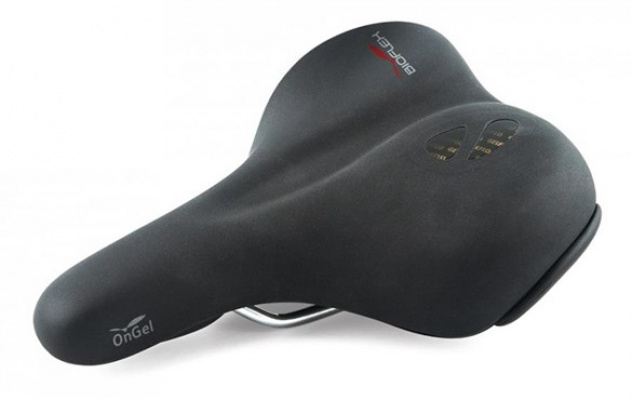
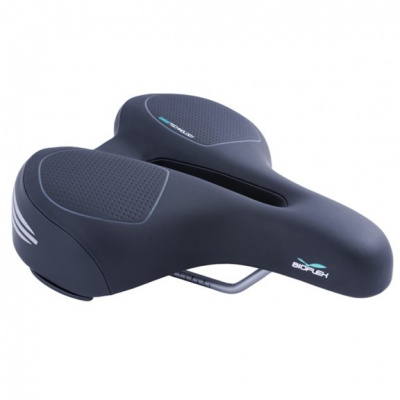
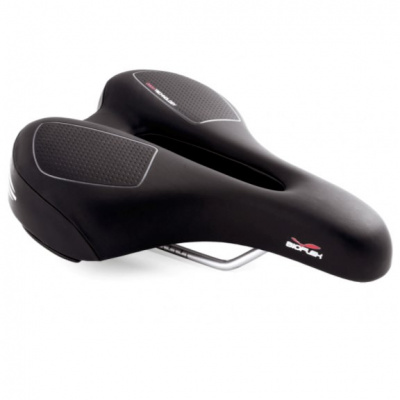
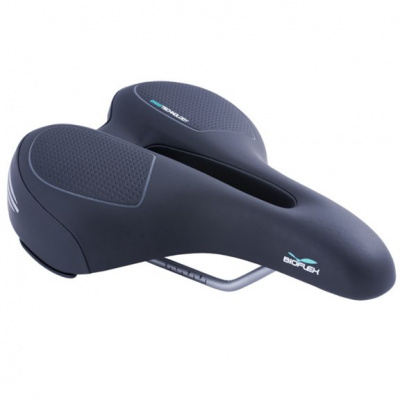
Bioflex Saddles have built a quiet, solid reputation for solving the one problem most riders put off fixing - a saddle that makes every ride a countdown to getting off. Saddle discomfort is almost always fixable, and swapping the stock seat is still the most cost-effective upgrade you can make to any bike. Bioflex lean hard into ergonomic design: their O-Zone pressure relief channels run through the centre of most models to take direct load off soft tissue, and the dual-density gel padding under the sit bones deforms just enough to absorb road buzz without turning to mush under sustained effort.
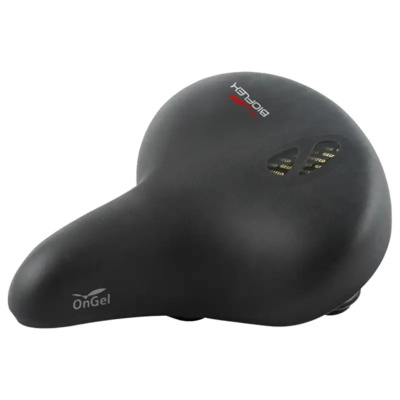
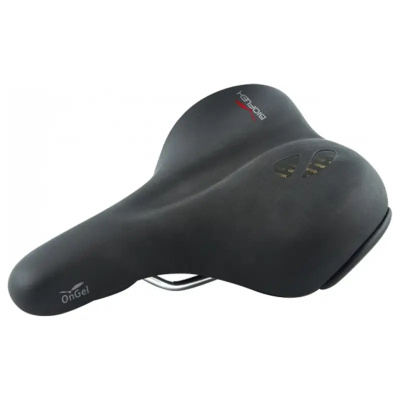
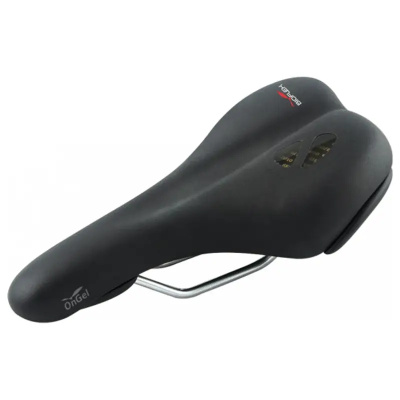
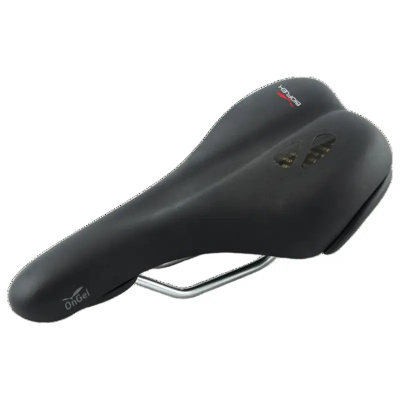
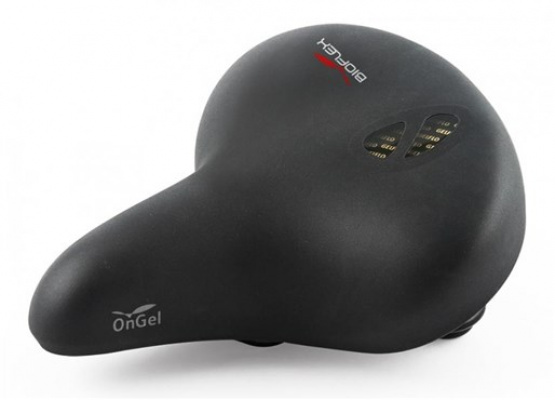
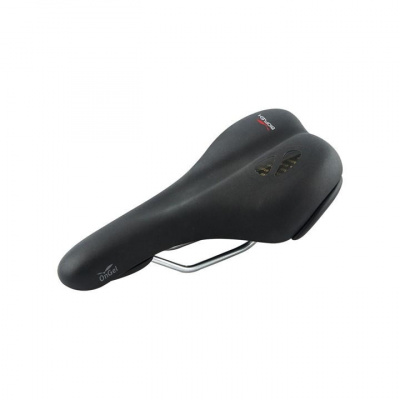
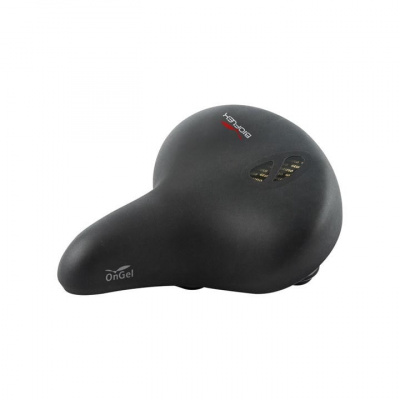
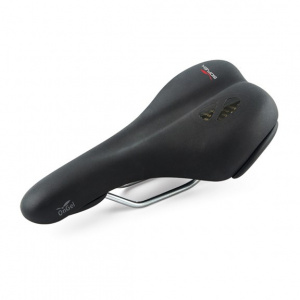
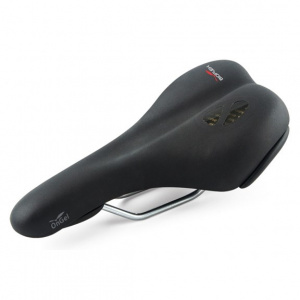
The range covers two clear camps. Commuters and leisure riders get wider profiles, more gel, and on certain models, integrated elastomer shock absorbers that take the edge off potholed city streets or rough towpath surfaces. Step across to the active and fitness models and you get a narrower shape, less bulk, and those O-Zone cutouts doing more of the work - better suited to a forward-leaning position on a hybrid or flat-bar road bike. Whether you're grinding through a wet Manchester commute or spinning out a Sunday leisure ride in the Cotswolds, there's a Bioflex that fits the brief.
Prices and availability can change quickly. Delivery charges are not always included in listed prices.
Final price, stock status and delivery terms are set by retailer. We may receive a commission on purchases made.
Rail Standards and Getting the Fit Right
Every Bioflex saddle in the current range uses 7x7mm round rails - either high-tensile steel or chromoly on the premium models. That's the standard sizing found on virtually every micro-adjust seatpost sold in the last two decades, so compatibility is rarely an issue. If you're running an older bike with a 'candle' style seatpost - the kind with a single bolt and no fore-aft adjustment - you'll need to pick up a replacement clamp insert before you can fit a Bioflex. It's a five-minute fix, but worth knowing before the saddle arrives.
Chromoly rails, found on the upper-tier Bioflex models, save a small amount of weight compared to standard steel and handle micro-flex better over long distances. For most commuters it won't matter. For anyone spending three or four hours in the saddle on a weekend fitness ride, that slight compliance makes a real difference by the end.
Choosing the right width comes down to sit bone width. Sit on a piece of corrugated cardboard placed on a hard surface - a kitchen chair or a wooden step works fine - and stand up carefully. The two indentations left behind give you your sit bone measurement. Pick a Bioflex saddle that's 20 - 30mm wider than that figure and your skeletal structure will be properly supported rather than letting soft tissue take the strain. Get this wrong and no amount of gel padding rescues you. Riders with wider sit bones who'd usually reach for something like a Ergon saddle will find Bioflex's leisure tier covers similar ground at a competitive price point.
How the Bioflex Range Breaks Down
Think of the Bioflex lineup in two distinct tiers, and it becomes easy to navigate. The commuter and leisure models are designed for an upright riding posture - the kind of position you'd hold on a hybrid, a city bike, or a step-through. These saddles are noticeably wider at the rear, carry the most gel padding, and on certain models feature elastomer shock absorbers mounted between the rails and the shell. Those dampeners isolate you from sharp impacts rather than just spreading them out - a meaningful difference on broken urban tarmac or a bumpy canal path. The padding is there to make static pressure manageable on longer rides where you're sitting relatively still.
The active and fitness tier narrows things down. A narrower rear profile stops the saddle interfering with your pedalling stroke when you're in a more aggressive, forward-leaning position on a flat-bar road bike or performance hybrid. The O-Zone cutouts do more of the heavy lifting here - those anatomically designed central channels reduce direct pressure on soft tissue in a way that's noticeably effective on rides over an hour. There's less gel overall, but the padding is placed more precisely under the sit bones where it counts. If you're spending time on a sportive-style hybrid or a gravel bike with a more relaxed geometry, this tier is worth a close look. Riders who've previously tried Fizik saddles or Fabric saddles in a similar position will recognise the trade-off: more structure and support against the slightly plush feel of the commuter models.
Stepping up within each tier brings you to chromoly rails, slightly refined shell shapes, and in some cases a waterproof synthetic cover with sealed or minimal stitching. That last point matters more in the UK than most saddle specs pages let on.
Keeping a Bioflex Saddle in Good Shape Through a UK Winter
Bioflex's synthetic covers handle light rain well. The problem isn't the cover itself - it's the stitching. On models with extensive perimeter stitching, prolonged heavy rain finds its way through the thread holes and into the foam or gel interior. Once that happens, you're sitting on a cold sponge for the first ten minutes of every ride until it dries out, and the foam gradually degrades faster than it should. For Bioflex saddle for UK winter riding, either opt for a model with sealed seams or keep a cheap saddle cover in your bag for when the bike's left outside. It's not glamorous advice, but it works.
Road grit is the other one. The spray thrown up from your rear wheel forms an abrasive paste that works away at the back edge of the saddle cover over time. A rear mudguard - even a clip-on SKS type - cuts this down significantly and protects the elastomer mounts on commuter models from the grit that causes them to creak. If yours does start to squeak, a small amount of silicone spray on the elastomer mounts usually sorts it. Don't use WD-40; it degrades rubber over time.
After a wet ride, a quick wipe-down with a dry cloth is all it takes to prevent moisture sitting in any seam gaps. Check your seatpost clamp torque periodically too - most micro-adjust clamps want 5 - 7Nm, and a saddle that's slowly rotating under load is a subtle cause of saddle sores that riders often blame on the wrong thing. A torque wrench takes thirty seconds and saves you a lot of frustration. If you're pairing a Bioflex with a new post, Madison and Brooks both offer complementary options worth considering alongside.
Bioflex Saddles FAQs
How do I choose the right size Bioflex saddle?
Sit on a piece of corrugated cardboard placed on a hard surface and stand up carefully. The two impressions left behind show your sit bone width. From there, choose a Bioflex saddle that's roughly 20 - 30mm wider than that measurement - this puts the weight through your skeleton rather than soft tissue, which is where most saddle discomfort starts.
Are Bioflex saddles waterproof?
The synthetic covers are weather-resistant and handle drizzle without issue. Models with heavier stitching can absorb water during prolonged downpours, though, as moisture tracks through the thread holes. Wipe the saddle down after wet rides and use a cheap saddle cover if the bike's parked outside overnight in winter - it keeps the interior dry and the foam in better condition for longer.
How do I adjust the angle of my Bioflex saddle?
Start level - use a small spirit level across the nose and tail. If you're getting soft tissue pressure after a while, drop the nose by 1 - 2 degrees. More than that and your weight shifts forward onto your hands, which creates a different problem. Small adjustments, then ride and assess. Most riders land somewhere between flat and 2 degrees nose-down.