
Zombie BMX Bikes
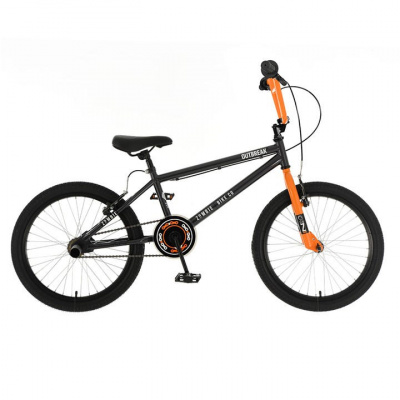
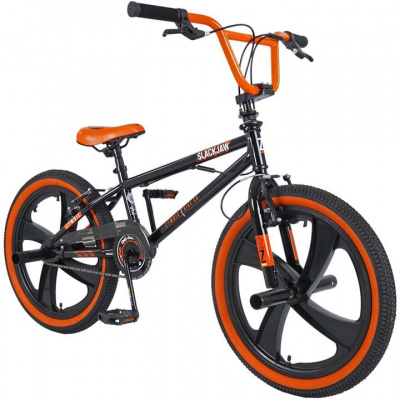
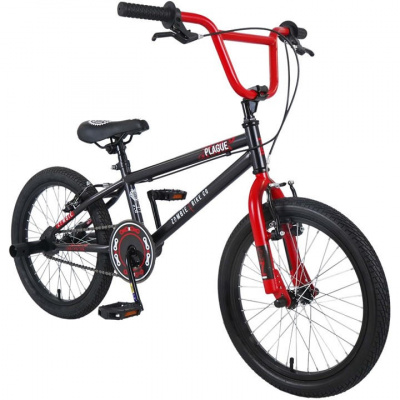
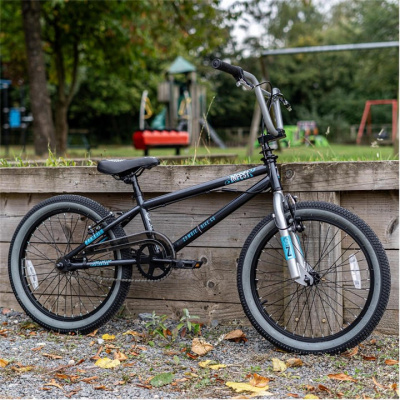
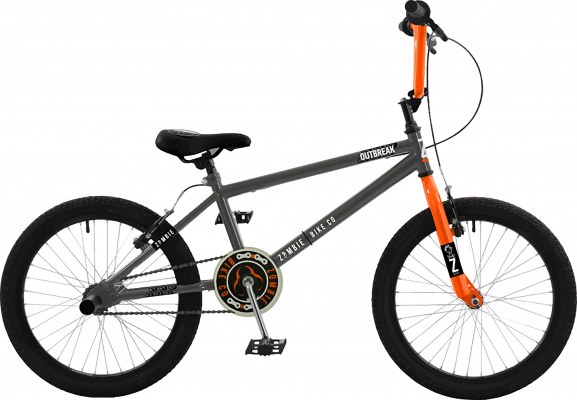
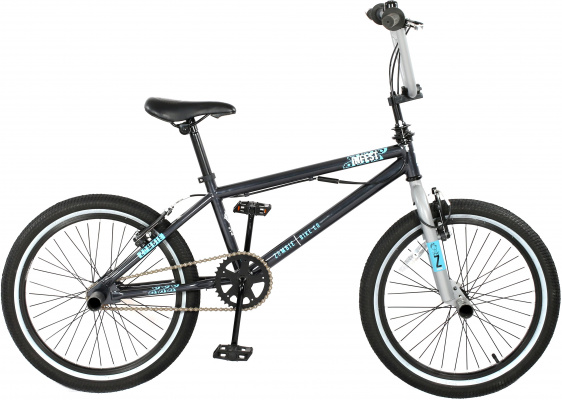
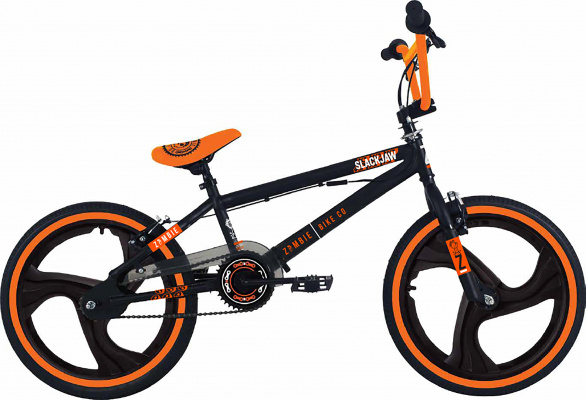
Zombie BMX Bikes have carved out a reputation as the go-to choice for riders stepping into freestyle and street riding without breaking the bank. Built around hi-tensile steel frames that laugh off skatepark bails and kerb drops, these machines are engineered to survive the learning curve. The signature composite mag wheels on select models eliminate spoke truing forever - no more wobbly wheels after a heavy landing, no more trips to the bike shop with a buckled rim. Every Zombie freestyle BMX ships with a 360-degree gyro headset, letting you spin bars until your wrists give out before the cables do. It's proper BMX geometry wrapped in an aggressive aesthetic that looks the part at your local park or street spot. Whether you're eyeing spoked wheels for weight savings or mag wheels for bombproof durability, the range covers both. Browse by wheel style and find the setup that matches your ambition.
Prices and availability can change quickly. Delivery charges are not always included in listed prices.
Final price, stock status and delivery terms are set by retailer. We may receive a commission on purchases made.
What Makes a Zombie Tick: Frame and Wheel Construction
At the heart of every Zombie 20 inch bike sits a hi-tensile steel frame - heavier than chromoly, yes, but near-indestructible for riders still learning to judge landing angles. The 'Apocalypse' geometry (Zombie's term for their tube profiling and head angle) prioritises durability over race-weight performance, which makes perfect sense for entry level BMX bikes where crashes outnumber clean runs ten to one. Top tubes typically measure between 20 and 20.5 inches, giving enough cockpit room for bar spins without feeling stretched. The composite mag wheels deserve their own paragraph. Five-spoke designs moulded from reinforced nylon composite mean zero spoke tension to worry about, zero truing stands required, and impact resistance that shrugs off flat landings you'd never attempt on traditional spoked rims. Trade-off? They're heavier and can feel less responsive in tight transitions, but for street riding and learning tricks, that extra heft translates to stability. The drivetrain is single speed gearing - usually a 36-tooth chainring paired with a 16-tooth rear cog - offering enough grunt for manual balance and enough spin for pedal-powered airs. V-brakes handle stopping duties on most models, with the rear brake routed through that tangle-free gyro headset so bar spins don't choke your cable. Some budget variants use U-brakes for tighter frame clearance, though pad adjustment can be fiddlier.
Freestyle Setup and Aftermarket Tweaks
Zombie bikes ship ready for stunt pegs, with 10mm or 14mm axle options depending on the model tier. The 14mm axles are beefier and preferred for grinding, while 10mm keeps weight down if you're more about airs than rails. Pegs aren't always included in the box, but the threaded axle ends accept any standard aftermarket set - just match the diameter. Stem systems vary across the range. Entry-level Zombie apocalypse bike models often use quill stems (the older wedge-and-bolt design inside the steerer tube), which are simple to adjust for height but limit your upgrade path. Mid-range freestyle models step up to threadless stems with four-bolt faceplates, opening the door to aftermarket bars and stems when you're ready to dial in cockpit feel. Contact points are where you'll want to spend first. Stock grips are functional but thin; swap them for something with a mushroom profile and your palms will thank you after an hour at the park. Pedals are typically plastic platforms - fine for learning, but upgrading to metal composite pedals with proper pins transforms grip and confidence on one-footers. If you're comparing options, X Rated BMX bikes and Hyper BMX bikes occupy similar price brackets with slightly different geometry priorities, while Huffy BMX bikes lean even more budget-conscious.
Getting the Fit Right: Sizing Beyond the 20-Inch Standard
Most Zombie BMX bikes roll on 20-inch wheels - the industry standard for freestyle - but wheel diameter tells you nothing about whether the bike actually fits. Top tube length is the number that matters. Measure from the centre of the head tube to the centre of the seat tube, and you'll find Zombie models cluster around 20 to 20.5 inches. Riders between 4ft 10in and 5ft 6in will find that range comfortable for both seated pedalling and standing tricks. Taller riders (5ft 7in and up) might feel cramped unless they're specifically chasing a compact setup for technical street work. Younger riders - say, seven or eight years old and around 4ft 8in - can handle a 20-inch BMX if they're confident, but standover height becomes the limiting factor; check there's at least an inch of clearance when straddling the top tube. Weight limits differ between wheel types. Composite mag wheels typically max out around 85 - 90kg rider weight, while traditional spoked wheels can handle more before stress cracks appear in the rim bed. If you're pushing those limits or planning heavy rail sessions, spoked wheels offer more give and easier replacement. Are Zombie BMX bikes good for beginners? Absolutely - the hi-tensile steel frame absorbs the kind of punishment that would fold an aluminium frame, and the gyro brake system means you can practise bar spins from day one without cable snarl. For a slightly different take on entry-level freestyle, Nitro Circus BMX bikes lean into stunt branding, while Invert BMX bikes often spec lighter tubing.
Zombie in the UK Market: Accessible Freestyle DNA
Zombie occupies the sweet middle ground between supermarket toy bikes and specialist shop brands. Designed with the UK mass market in mind, these machines offer proper freestyle geometry and pro-style features - 360-degree gyro headsets, stunt-ready axles, aggressive styling - at a price point that doesn't require a second mortgage. You won't find them spec'd with chromoly tubing or sealed cartridge bearings, but you will find a bike that survives the car park sessions, the seafront rail attempts, and the inevitable garage storage without rusting into oblivion. The brand's focus on composite mag wheels sets it apart from many peers; while spoked wheels remain the purist's choice for weight and feel, mag wheels solve the single biggest maintenance headache for parents and new riders. No spoke keys, no truing jigs, no mystery wobbles after a hard landing. It's a pragmatic choice that mirrors Zombie's broader philosophy: give riders the tools to progress without the faff. If you're weighing up the landscape, brands like Specialized and Kona offer higher-end materials and geometry refinement, but at several times the outlay - worth it if you're already committed, overkill if you're still figuring out whether BMX is your thing.
Gyro Setup and Brake Tuning
How do you set up the gyro brakes on a Zombie BMX? Start by checking the detangler unit mounted on the head tube - it's the circular plate with upper and lower cable tabs. The upper cable runs from your brake lever down to the detangler; the lower cables split left and right to the rear brake callipers. Loosen the pinch bolts on both lower cables, pull the brake lever to check the detangler plate moves freely up and down (that's what allows 360-degree bar rotation), then adjust cable tension so the brake engages firmly about halfway through lever travel. If the plate binds or the brake feels spongy, you've either got too much friction in the cable housing or uneven tension between the two lower cables. A drop of dry lube on the detangler bearings sorts the first problem; equal cable lengths and matched tension fix the second. V-brakes are more forgiving than U-brakes here - longer arms mean more mechanical advantage and less fiddly pad alignment. Once dialled, the system is near-bulletproof, but it does add a bit of weight and complexity compared to brakeless setups favoured by some street purists.