
Kona BMX Bikes
Kona BMX bikes have never really been about keeping things tidy. From their early gravity-focused roots, Kona built a reputation on bikes that take punishment and keep asking for more - and that philosophy runs straight through to their current dirt jump and pump track lineup. Today, the range centres on 26-inch machines rather than traditional 20-inch hoops, giving you genuine BMX-style flick and responsiveness but with the wheel size to roll over rough pump track lips and gap real-world dirt jumps without washing out.
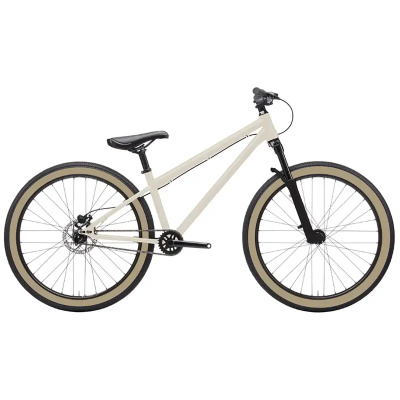
The Shonky is the name you'll keep coming back to. It's the bike that defines what Kona does in this space: a Reynolds 520 butted chromoly frame with short chainstays, a tapered head tube, and sliding dropouts for clean singlespeed tensioning. No faff, no excess. Whether you're sessioning a covered skatepark on a drizzly Tuesday or threading a pump track loop between trail sessions in the Peaks, these bikes are built to take the hit and stay dialled.
If you're after something for a younger rider on smaller wheels, our Kona Kids Bikes page is the better starting point. For everyone else, here's what you need to know.
Prices and availability can change quickly. Delivery charges are not always included in listed prices.
Final price, stock status and delivery terms are set by retailer. We may receive a commission on purchases made.
Decoding the Kona Dirt Jump Lineup
Kona's shift away from 20-inch BMX isn't a retreat - it's a redirection. The modern rider hitting dirt jumps and pump tracks wants something that handles like a BMX but holds its line on a four-metre gap. That's exactly where 26-inch DJ bikes live, and it's where Kona has focused its energy. The Shonky is the centrepiece: a purpose-built dirt jump and pump track frame that's been refined over multiple generations into something genuinely sorted.
You can buy the Shonky as a complete build or as a frame-only option if you're putting together a custom skatepark weapon. Frame-only makes sense if you've already got dialled components from a previous build - crankset, bars, stem, and a singlespeed wheel setup you trust. The complete bike suits riders who want to get riding without the faff of sourcing parts piecemeal. Neither choice is wrong; it depends on how deep your parts bin runs.
Riders after 20-inch or 24-inch options - particularly for younger shredders - should head over to our Kona Kids Bikes page, where the wheel sizing is more appropriate. The Shonky-based lineup is squarely aimed at adults and older teens who want to go big. If you're comparing across brands, DMR dirt jump bikes and Specialized BMX bikes sit in a similar bracket and are worth a look for context on geometry and spec.
The Kona Tech Philosophy: Steel is Real
There's a reason Kona keeps coming back to steel for these frames. Reynolds 520 butted chromoly isn't just a heritage nod - it's a practical choice. The butting process means the tubing is thicker at the stress points and thinner in the middle, which keeps weight in check without sacrificing the natural compliance steel gives you on landing. Hit a kicker wrong and a stiff aluminium frame sends that impact straight into your wrists and bars. Steel absorbs it, spreads it, and gets on with things. That matters when you're casing jumps on a cold October afternoon at your local pump track.
The tapered head tube is worth understanding too. On a dirt jump bike, front-end stiffness directly affects how predictable the bike feels when you're rotating or landing off-axis. A tapered steerer - wider at the bottom bearing - stiffens the fork crown junction without adding meaningful weight. You get a front end that tracks honestly rather than flexing ambiguously when you need it most.
Kona's sliding dropouts are one of those details that sounds minor until you've spent twenty minutes chasing chain tension with a tensioner bolt. The sliding system lets you push the wheel back in the dropout to take up slack as the chain wears, keeping singlespeed engagement crisp without a separate tensioner hanging off the frame. Cleaner, lighter, and far less likely to rattle. For more Kona-specific hardware, the Kona hangers and dropouts page covers replacement parts if you ever need them.
Taken together - butted tubing, tapered head tube, sliding dropouts - the frame spec reflects a bike designed by people who actually understand what dirt jumping asks of a chassis. Not overbuilt for showroom weight figures, not skimped on where fatigue matters.
Running a Kona DJ Bike Through a UK Winter
Steel frames and British winters have a complicated relationship. Chromoly doesn't rust from the outside in as readily as mild steel, but moisture gets inside tubes through the vent holes during washing, wet riding, and storage - and once it starts, it's hard to stop. The practical answer is a rust inhibitor spray like Frame Saver applied inside the tubes before the first wet ride of the season. It's a ten-minute job that protects the inside of the frame where you'll never see the damage until it's too late. Do it once a year. Done.
Keep any paint chips touched up promptly too. A small nick in the powder coat on the downtube isn't cosmetic - left exposed through a damp winter, it becomes a rust spot that spreads under the paint. A dab of matching touch-up paint sorts it immediately.
Tyre choice varies more than people expect on these bikes. If you're riding wet, gritty pump tracks or spending time on loose dirt jump lines, a knobbier tyre gives you confidence through the compressions and on rutted lips. But for an indoor session at somewhere like Adrenaline Alley or Rampworld, a fast-rolling semi-slick cuts rolling resistance noticeably and makes manualing and flatland-style moves feel more fluid. Having a second wheelset, or at least a spare rear tyre, set up for indoor use is a sensible move if you split your time between surfaces.
The sliding dropout bolts are worth a quick check every few sessions. They work brilliantly when correctly torqued and lightly greased at the contact points, but if they're left dry and loose they'll creak and migrate under load. A smear of copper grease and a torque wrench reading takes thirty seconds and saves you diagnosing a phantom noise for an entire session. Kona's broader mountain bike range applies the same attention to detail - worth a browse on the Kona mountain bikes page if you ride both disciplines.
Kona BMX Bikes FAQs
Does Kona still make BMX bikes?
Kona's current focus has moved away from traditional 20-inch BMX to 26-inch dirt jump and pump track bikes, with the Shonky as the standout model. You get BMX-style handling and responsiveness, but with larger wheels that offer better stability on real dirt jump lines and faster pump tracks. It's a deliberate evolution rather than a departure.
What is the Kona Shonky used for?
The Shonky is a dedicated dirt jump and pump track bike. Short chainstays keep it manoeuvrable for manualing and spinning, while the Reynolds 520 chromoly frame handles repeated hard landings without drama. It works equally well at an indoor skatepark or on a proper dirt jump line - the geometry doesn't force you to choose.
How do I protect a chromoly dirt jump frame from rust?
Apply a rust inhibitor spray like Frame Saver inside the frame tubes before winter riding begins - moisture gets in through vent holes even if the outside looks fine. Touch up any paint chips promptly to stop surface corrosion taking hold. Keep the bike stored somewhere dry and avoid leaving it wet after rides. It takes minutes and extends the frame's life considerably.