
Specialized BMX Bikes
Specialized BMX bikes have come a long way since the Fatboy ruled schoolyard conversations in the nineties - and the current lineup is sharper, more focused, and frankly more interesting for it. Today, Specialized channels that same freestyle energy into the P.Series: a range of dirt jump, pump track, and skatepark machines that sits somewhere between traditional BMX and lightweight freestyle mountain biking. These aren't gateway bikes gathering dust in a garage. They're built on A1 Premium Aluminum frames - stiff enough to handle heavy landings, light enough to keep the bike snappy and responsive when you're pumping through a fast berm sequence. The geometry is dialled for catching air and riding transitions, not ticking a spec-sheet box. Whether you're sessioning a tight skatepark, threading a pump track at your local trail centre, or sending the dirt jumps on a Sunday morning, there's a P.Series model sized to match. The range spans 20-inch wheels right up to 27.5-inch wheels, covering riders from younger park regulars to big-air slopestyle riders. Compare current UK prices on the full Specialized P.Series range below.
Prices and availability can change quickly. Delivery charges are not always included in listed prices.
Final price, stock status and delivery terms are set by retailer. We may receive a commission on purchases made.
Decoding the Specialized P.Series Lineup
The P.Series is essentially four bikes wearing the same design philosophy but sized for very different riders and riding styles. Getting your head around the wheel sizes is the quickest way to work out which one's for you.
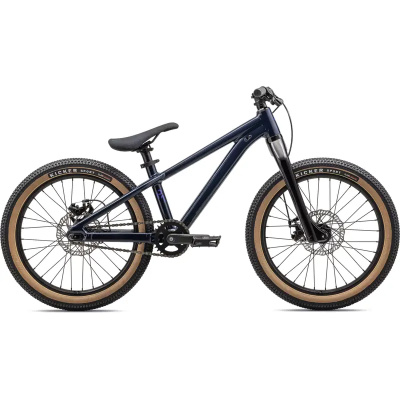
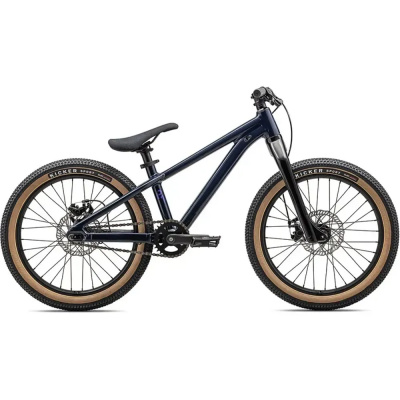
The P.1 runs 20-inch wheels - the classic BMX diameter - making it the most recognisable entry point in the range. It's compact, nimble, and well suited to younger riders or anyone who spends most of their time in a skatepark or on a tight pump track where flickability matters more than rollover speed. Think of it as the closest Specialized comes to a traditional BMX in their current catalogue.
Step up to the P.2 and you're on 24-inch wheels. This is the cruiser-hybrid of the range - a format that's been popular with riders who've outgrown 20-inch geometry but still want that direct, single-speed feel. It rolls faster through transitions and carries momentum more easily on flowing pump tracks, without the bike feeling unwieldy.
The P.3 is where the range starts feeling more like a dirt jump bike in the classic sense. Running 26-inch wheels, it hits a well-established format for jump lines, 4X tracks, and progressive park riding. Most riders stepping into dirt jumping for the first time end up here, and for good reason - the geometry is forgiving enough to learn on but has enough precision to grow into.
At the top of the range, the P.4 moves to 27.5-inch wheels and is clearly aimed at riders with slopestyle ambitions. The added wheel size brings rollover confidence on bigger features and rougher jump faces. If you're already comfortable sending drops and working on technical lines, the P.4 has the geometry and clearance to keep pace with your progression. If you're weighing up alternatives, DMR dirt jump bikes and Kona freestyle bikes sit in a similar space and are worth a look for comparison.
The Specialized Tech Philosophy: Built to Case
Specialized's engineering brief for the P.Series is straightforward: the frame has to survive everything a rider can throw at it, without becoming a dead weight in the air. The A1 Premium Aluminum construction is central to that. It's a specific alloy spec that Specialized uses across several performance categories - chosen because it balances material strength with low weight better than standard 6061 alloy in demanding impact scenarios. When you're casing a kicker or coming up short on a double, the frame takes the hit. A1 alloy handles that without the fatigue cracking that cheaper frames develop over time.
The sliding dropouts are a genuinely useful feature that often gets overlooked in spec comparisons. They let you run the bike as a true single speed - ideal for the skatepark, where a clean drivetrain means fewer things to snag or rattle - or you can dial in chain tension for a geared setup if you're riding 4X or need more range on pump track climbs. It's a small mechanical detail that meaningfully extends how the bike can be used without needing a second build.
Internal cable routing is the third piece of the puzzle. Routing cables internally through the frame keeps them out of the way during barspins and tailwhips - the kind of trick where exposed cables become a liability fast. The routing is optimised specifically for freestyle movement, not just tidied away for aesthetics. If you're planning on running frame protection on the top tube and downtube, the clean external lines make that straightforward too. For riders considering Marin jump bikes as a comparison point, Specialized's cable management is noticeably more considered at this level.
Living with a Specialized Jump Bike in the UK
Owning a jump bike in Britain means navigating a specific set of conditions that don't feature in Californian product videos. Winter is the obvious one - outdoor pump tracks get wet, loamy, and occasionally borderline unrideable, which pushes most riders toward indoor parks. Spots like Adrenaline Alley in Corby or Rampworld in various UK locations keep the sessions going through the colder months, but the transition between muddy outdoor riding and dry indoor concrete is hard on components. Bearings take the worst of it.
Specialized spec double-sealed bearings in the headset and bottom bracket on the P.Series precisely because of this. British grit - especially around trail centre pump tracks where the soil has a fine, abrasive quality - works its way into unsealed bearings quickly and degrades them fast. Double-sealed units keep moisture and contamination out for significantly longer. That's not a marketing claim; it's something you notice when you're not replacing your headset every six months.
Tyre choice matters here too. The stock rubber on most jump bikes is fine for dry concrete and hardpack, but if you're regularly riding outdoor tracks in autumn or early spring, a tyre swap makes a real difference. Check out Specialized MTB tyres for options that work across mixed surfaces - and keep a set of Specialized inner tubes in your bag because pump tracks and sharp-edged lips have a way of finding weaknesses. Worth keeping your saddle choice minimal too - most jump riders run the seat slammed low, so a lightweight option saves unnecessary grams without any trade-off.
At the park, protect your shins and your head properly - browse our ranges of knee pads and full-face helmets before your next session.
Specialized BMX Bikes FAQs
Does Specialized still make BMX bikes?
Not in the traditional race BMX sense - the classic Fatboy is long gone. What Specialized does make is the P.Series, and the P.1 model runs 20-inch wheels, putting it squarely in BMX territory for skateparks and pump tracks. It's the modern version of that format, built around dirt jump geometry rather than a BMX race spec.
What is the Specialized P Series?
The P.Series is Specialized's dedicated freestyle and dirt jump range. Each model shares the same A1 Premium Aluminum frame construction and sliding dropout system, but the wheel sizes differ - 20, 24, 26, and 27.5 inches - to suit different riders and riding styles, from skatepark sessions through to slopestyle progression.
What size wheels are on a Specialized P1?
The P.1 uses 20-inch wheels, making it the smallest and most BMX-like bike in the P.Series range. It suits younger riders, lighter adults, and anyone who spends most of their time in skateparks or on tight, technical pump tracks where a compact, flickable setup is an advantage.