
Nitro Circus BMX Bikes
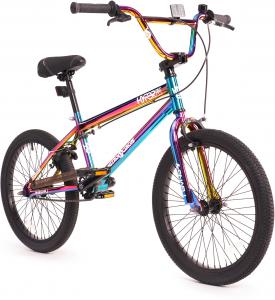
Nitro Circus BMX bikes take their cue from Ryan Williams and the action sports collective that's sent riders off jumps most of us wouldn't stand next to - and they bring that same fearless brief down to an accessible price point for UK riders just starting out. These aren't collector's pieces. They're built to take a beating on the quarter pipe, the pump track, and the driveway, then do it all again on Saturday.
The range runs from smaller-wheeled kids' models up to full-size 20-inch freestyle bikes, so there's a logical entry point whether you're buying for a nine-year-old or a teenager ready to properly commit to the skatepark. Reinforced Hi-Ten steel frames handle the kind of heavy landings that come with learning - casing a box jump hurts your pride more than the bike. Micro-drive gearing keeps the sprocket out of trouble on coping, and the freestyle geometry gives you the platform to actually learn technique rather than fight the bike underneath you.
For UK riders, that means something practical: a bike that survives damp concrete skateparks, gritty outdoor pump tracks, and the general chaos of learning to ride properly. Nitro Circus delivers the fundamentals without unnecessary complication.
Prices and availability can change quickly. Delivery charges are not always included in listed prices.
Final price, stock status and delivery terms are set by retailer. We may receive a commission on purchases made.
Decoding the Nitro Circus BMX Lineup
The range splits fairly cleanly by wheel size, and wheel size is your starting point for sizing - not age, despite what the packaging sometimes implies. Riders under about 4'0" are best served by the 16-inch models, which keep the bike proportionate and manageable. The 18-inch bikes sit in the middle ground for riders between roughly 4'0" and 4'8", and the full 20-inch freestyle bikes are the standard for anyone taller than that. Get the wheel size wrong and you'll either be cramped or wrestling something too big to control.
Within the 20-inch bracket, the lineup separates into entry-level park bikes and the more specified models drawing on RWilly (Ryan Williams) inspired freestyle geometry. The entry-level options typically run 1-piece cranks and conventional gearing - perfectly functional, but a step behind the upper tier. Step up to the RWilly-replica models and you get 3-piece cranks, which are stiffer and more serviceable, plus a gyro headset that lets the bars spin freely without wrapping your brake cables - essential once you start attempting barspins rather than just dreaming about them. It's a meaningful jump in capability, not just branding.
If you're comparing the lineup against alternatives, X-Rated BMX bikes occupy a similar entry-level space with comparable steel construction, while Invert BMX bikes push slightly further into the park-focused spec sheet. Nitro Circus sits comfortably in that bracket - recognisable branding, honest components, no pretence about being a professional race machine.
The Nitro Circus Tech Philosophy
The frame material tells you everything about the design brief. Hi-Ten steel - high tensile steel - is heavier than the chromoly you'd find on pricier park bikes, but it's forgiving in a way that suits beginners. Chromoly is stiffer and lighter, which is great when you know what you're doing; Hi-Ten has a bit more give, which matters when you're still figuring out how to land. A 20-inch Nitro Circus BMX typically comes in between 11.5kg and 13kg as a result - not light, but not a liability either.
The 25/9T micro-drive gearing is a practical choice that's easy to overlook until you've watched someone hang their oversized sprocket on a coping block. Smaller front and rear sprockets mean the chainline sits tighter and higher, clearing obstacles more cleanly during grinds and stalls. It also means the chain is shorter, which reduces slap and keeps things tidier at the bottom of a drop. For a rider spending time at a concrete skatepark, it's the kind of detail that makes sessions less frustrating.
Stopping power comes via U-brakes, which are the traditional choice for freestyle - they mount to the rear of the frame, sit out of the way during tricks, and offer consistent modulation once set up correctly. Pair that with 36-spoke alloy wheels built for lateral strength and you have a wheelset that resists the sideways loads of manual and grind impacts rather than folding under them. Zombie BMX bikes use a similar approach at this price point, as do Hyper BMX bikes - it's a proven formula for entry-level freestyle durability.
Living with a Nitro Circus BMX in the UK
Hi-Ten steel and the British climate aren't natural allies. The frames are powder-coated well enough from the factory, but the moment that coating gets chipped - and it will, because learning BMX involves contact with concrete - bare steel is exposed. Touch up any chips with a matching paint pen or even clear nail varnish if you're in a pinch. Leave them and you'll have surface rust working its way under the coating within a few wet weeks. It's a five-minute job that saves a much longer one later.
Bearing maintenance is the other thing worth staying on top of. Entry-level BMXs at this price typically use unsealed or semi-sealed bottom bracket and headset bearings. After a few sessions on a gritty outdoor pump track - or any of the rougher concrete parks around the country - grit and water find their way in. A dry, creaky bottom bracket is the usual sign. Pull the cranks, regrease the bearings, and reseat everything. It takes longer to describe than to do, and it keeps the bike feeling solid rather than rattly.
Tyre pressure is worth adjusting depending on where you're riding. Damp indoor skateparks like Adrenaline Alley or similar covered venues benefit from slightly lower pressure - it increases the contact patch and gives better grip on polished concrete that can be slippery when wet. Outdoor pump tracks and rougher concrete parks can handle higher pressure, which keeps the tyres from squirming on hard lips and edges. Neither setting needs to be precise, but the difference in feel is noticeable.
If the bike develops any play in the headset after a few months of skatepark use, it's almost always just the headset cup needing a retighten rather than anything structural - worth checking before assuming the worst. And if you're thinking about what to wear while you're putting the hours in, Huffy BMX bikes are another brand worth a look at this end of the market, particularly for younger riders stepping up from balance bikes.
Nitro Circus BMX Bikes FAQs
Are Nitro Circus BMX bikes good for beginners?
Yes. The reinforced Hi-Ten steel frames handle the inevitable stack-and-bounce of learning without drama, and the freestyle geometry means you're on a platform that actually teaches you correct technique. They're not designed to grow with you into advanced competition riding, but for getting started at the skatepark or pump track, they do the job honestly.
What size Nitro Circus BMX do I need?
Go by rider height, not age. Under 4'0" - look at 16-inch wheels. Between 4'0" and 4'8" - 18-inch is the right bracket. Over 4'8" - you're on a standard 20-inch freestyle bike. Getting the wheel size right makes a bigger difference to how the bike handles than any component spec.
How heavy is a Nitro Circus BMX bike?
A full-size 20-inch model typically weighs between 11.5kg and 13kg. That's a direct consequence of the Hi-Ten steel frame and heavy-duty components - both sensible choices at this price point given the punishment beginner skatepark riding delivers. It's heavier than a chromoly park bike, but more forgiving for riders still finding their feet.